
Christmas Book by 12 Dec for a pre-Christmas install. Book now →

Category: Whole House Water Filter

Jila Water Brisbane & South East Queensland

Whole House Water Filtration for the Whole Home

Explore Jila Water articles, guides and insights covering whole home water filtration,
complete home water filtration systems, water filter installation, replacement filters,
Brisbane water quality, chlorine, sediment, scale, taste, odour and healthier water from every tap.

✓ Brisbane-based specialists
✓ Installed by licensed plumbers
✓ Premium whole-home systems

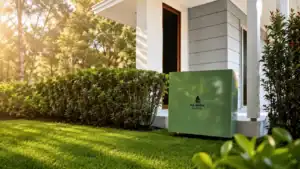
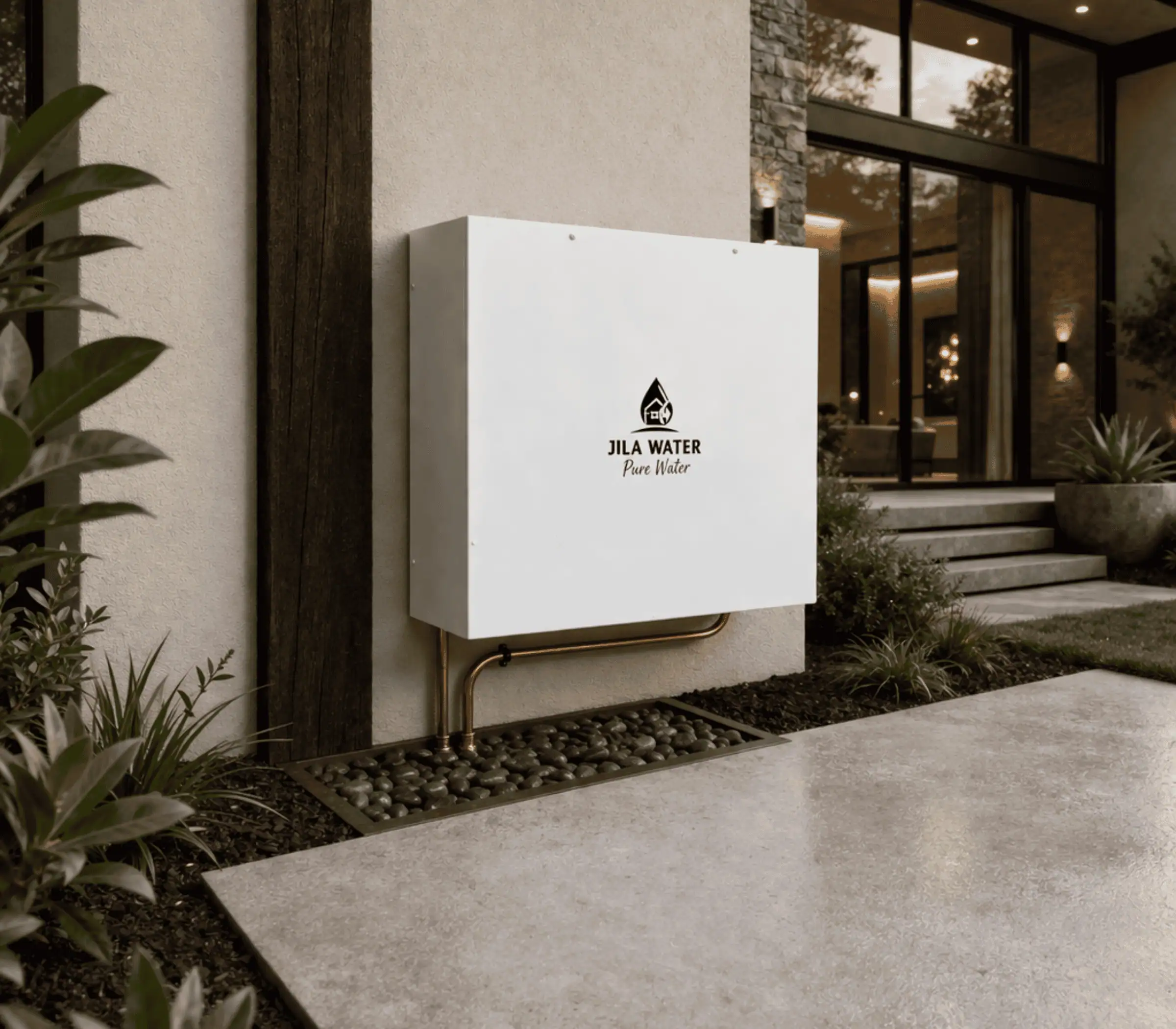
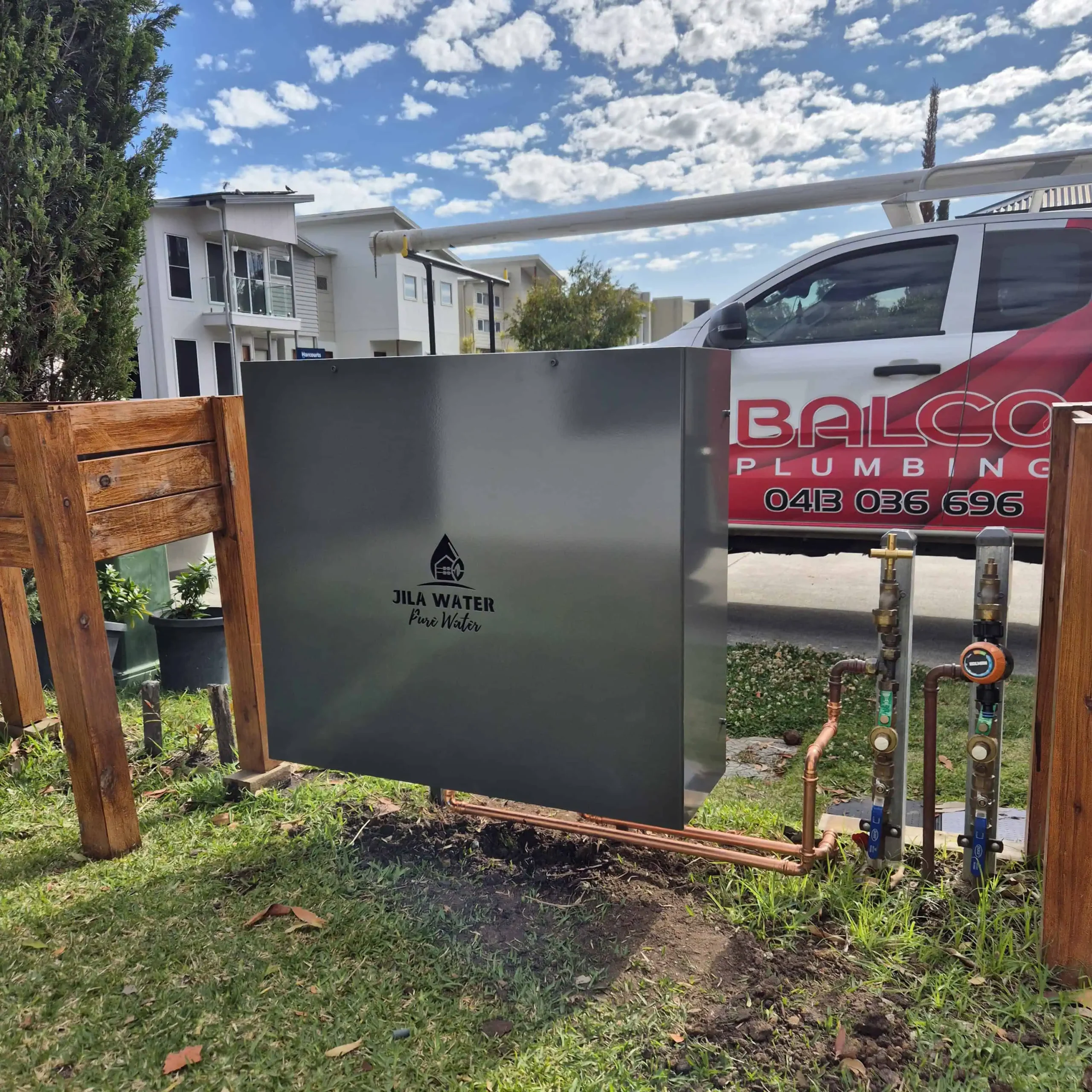
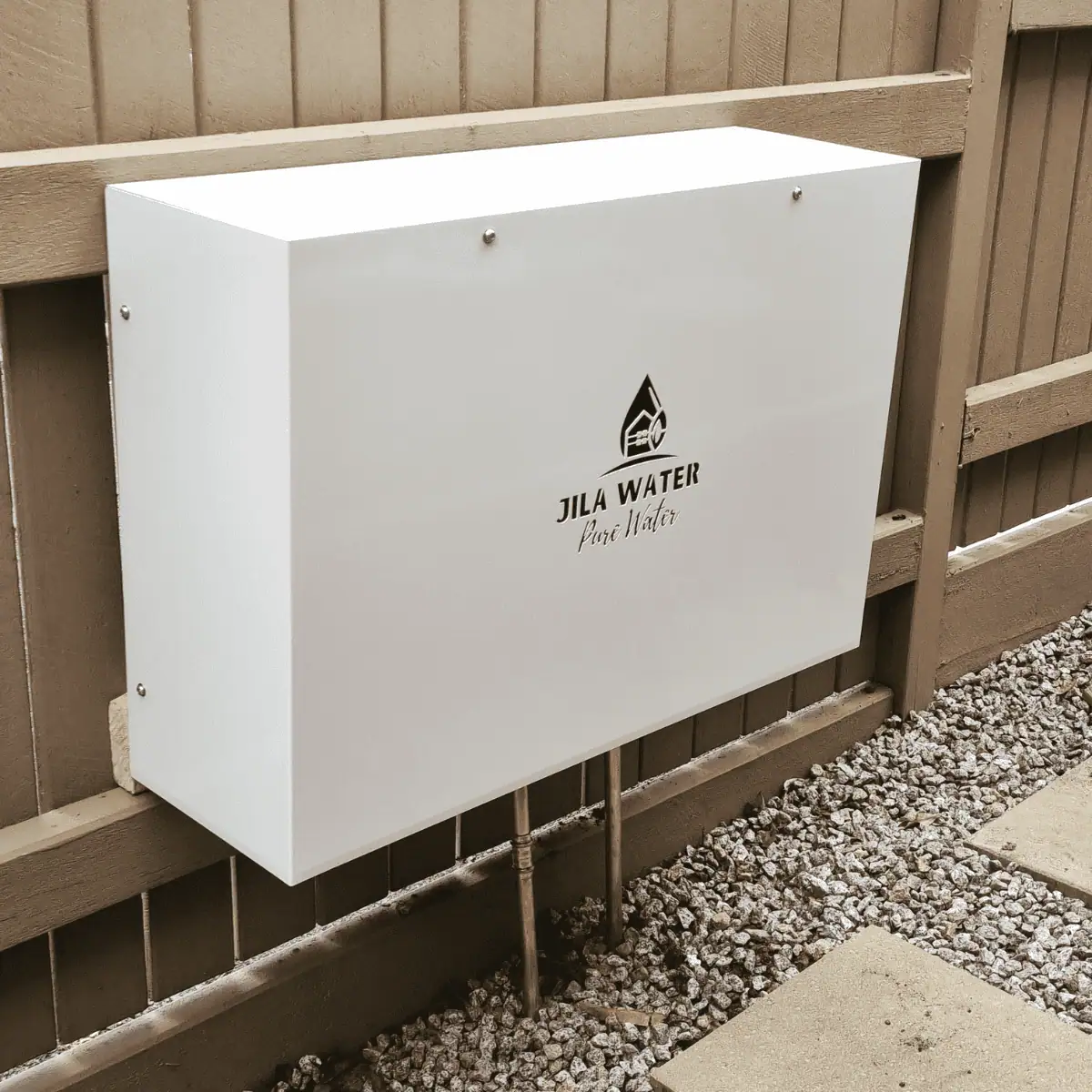
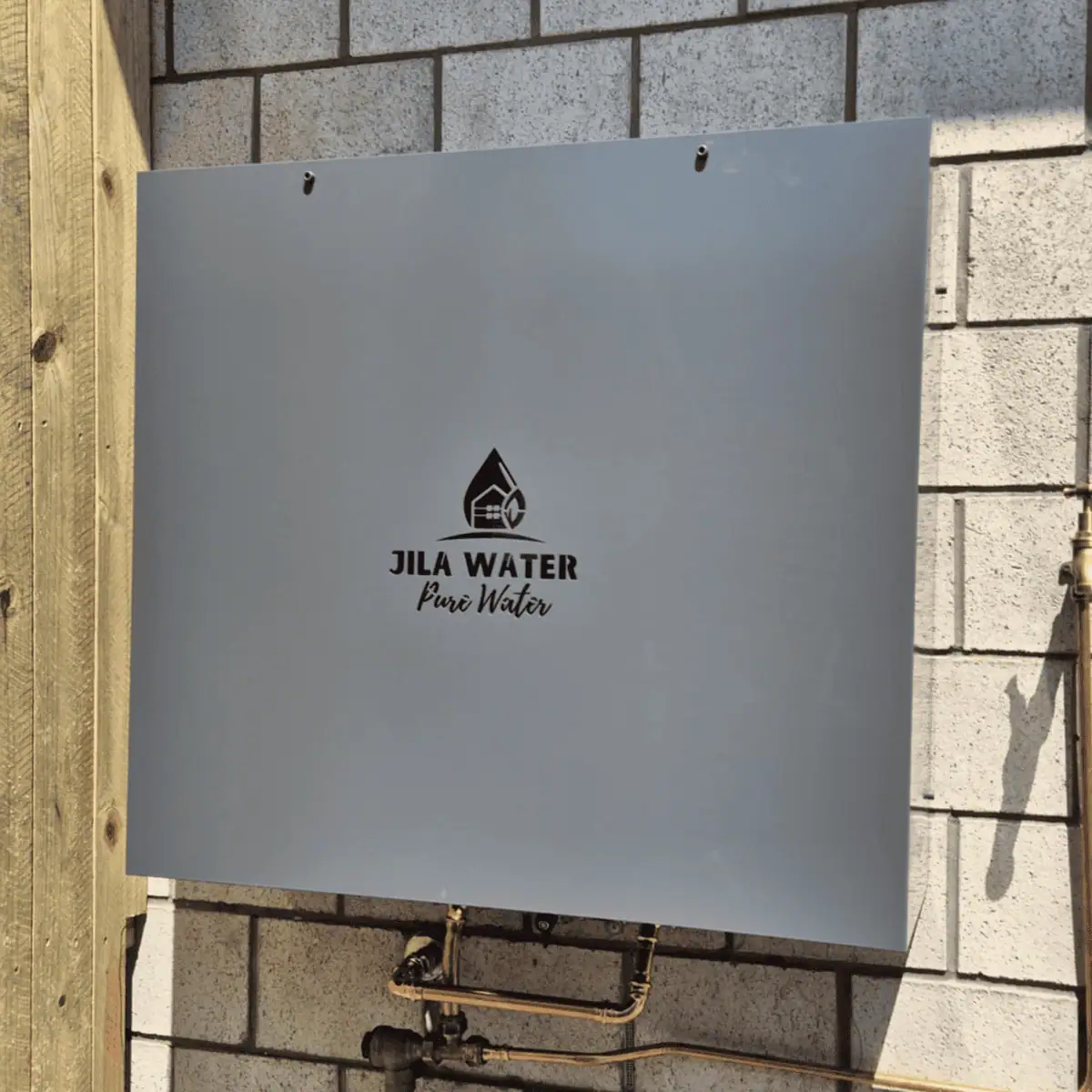
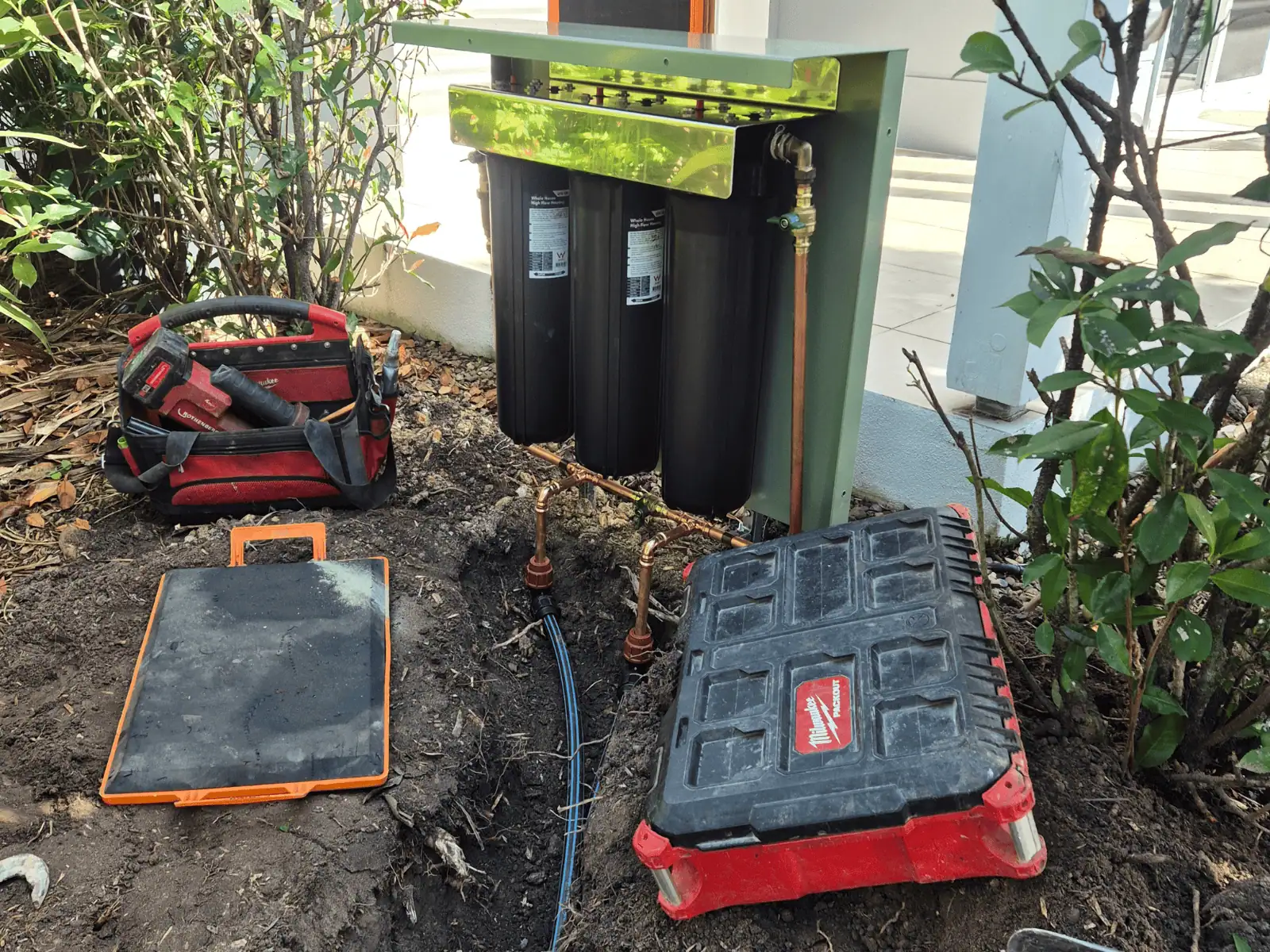
Jila Water premium whole home water filtration system installed at a Brisbane home

Premium Jila Water whole home filtration system installed for a Brisbane homeowner.

Whole Home Water Filtration, Explained Simply

Jila Water helps Brisbane and South East Queensland homeowners understand what is really
coming through their taps and how a professionally installed whole home water filtration system can improve water throughout the kitchen, bathrooms, showers, laundry, and outdoor taps.

This category brings together practical guides on water filtration systems, filter replacement,
chlorine reduction, sediment protection, water quality testing, system sizing and what to look
for when choosing a complete home water filtration system in Queensland.

  • Fluoride in Tap Water Australia

    Fluoride in Tap Water Australia

    Fluoride in Tap Water Australia: Safe Levels, Babies & Filtration | Jila Water

    Jila Water Knowledge Hub · Brisbane & SEQ

    Republished 21 May 2026 · Updated 21 May 2026

    Fluoride in tap water: the balanced Australian guide for homeowners.

    What fluoride is, why it is added to drinking water, what safe levels mean, what parents should know about babies, why the topic is controversial, and how filtration really works when fluoride reduction is one of your goals.

    0.6–0.8 ppmQueensland’s regulated range for added fluoride, depending on location.
    1.5 mg/LAustralian Drinking Water Guidelines health guideline value, not the fluoridation target.
    Not every filterCarbon and sediment filtration should not be assumed to reduce fluoride.

    Short answer

    Is fluoride in water bad for you?

    At the regulated levels used in Australian public water supplies, major Australian health bodies describe water fluoridation as a safe and effective public health measure for reducing tooth decay. The main recognised side effect from too much fluoride during tooth development is dental fluorosis, usually seen as faint white markings in mild cases.

    The more honest answer is that level matters. Fluoride at low regulated levels is treated differently from high natural fluoride exposure above guideline values. That is why Australian guidance separates the fluoridation target range from the health guideline value.

    For filtration buyers

    If fluoride reduction is a priority, do not assume a whole-home carbon system removes it. Ask for the exact technology, the reduction target, the test standard or data, flow-rate implications, maintenance cost and whether the solution is whole-home, drinking-water only, or a combination.

    Assess firstVerify claimsMatch the system to the goal

    The foundation

    What is fluoride?

    Fluoride is a naturally occurring mineral form of fluorine. It can be present naturally in water, soil, rocks, plants and some foods. In oral health, fluoride matters because small, regular exposure can help protect teeth against decay.

    For homeowners, the practical point is simple: fluoride is not usually the reason water smells like a pool, tastes chemical, leaves sediment, or feels harsh in the shower. Those concerns are more commonly tied to disinfectants, sediment, minerals, plumbing, storage, or local source-water conditions.

    What fluoride is not

    • It is not the same conversation as chlorine or chloramine taste and smell.
    • It is not normally removed by a basic sediment filter.
    • It should not be bundled into vague “removes everything” filter claims.
    • It needs a specific reduction strategy if removing it is one of your goals.

    Water fluoridation

    What is water fluoridation?

    Water fluoridation is the controlled adjustment of fluoride in a public drinking water supply to a level intended to reduce tooth decay across the community.

    Australian public health authorities support fluoridation because it gives broad access to low-level fluoride exposure, including for people who may have less regular dental care or poorer access to other preventive measures.

    Why it is added

    Why do we put fluoride in our water?

    Fluoride is added to reduce tooth decay at a population level. Queensland Health explains that fluoride helps make teeth more decay resistant, helps reverse early decay before it becomes permanent, and helps stop mouth bacteria producing acids that contribute to tooth decay.

    This is why the official public health argument is about community-level prevention, not because every individual homeowner has the same dental risk, diet, toothpaste use, water intake, medical background or personal preference.
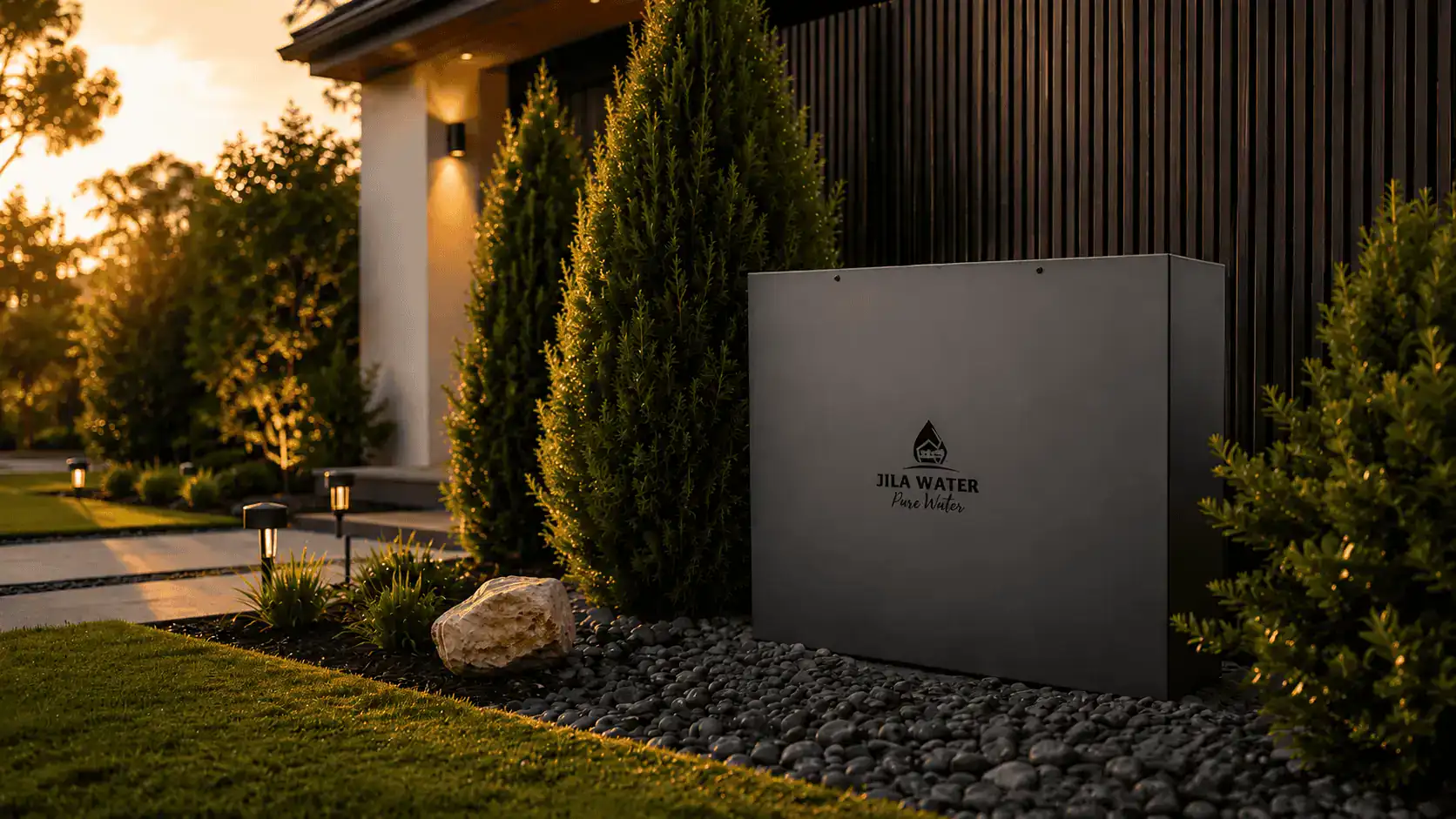
    Australian homeowners considering whole home water filtration and drinking water quality
    Water confidenceMost families are not looking for a debate. They want to know what is in their water and what to do next.

    That is where a balanced, assessment-first approach makes more sense than panic, politics or generic filter claims.

    How it works

    How fluoride works on teeth

    1. Strengthens enamel

    Fluoride helps teeth become more resistant to acid attack, which is one of the processes involved in tooth decay.

    2. Supports remineralisation

    Early mineral loss in enamel can be repaired before it becomes permanent decay. Fluoride helps support that repair process.

    3. Reduces acid damage

    Fluoride can help reduce the acid-producing effect of bacteria in the mouth, lowering one of the drivers of cavities.

    Important: This is a dental-health mechanism. It does not mean fluoride solves household water quality issues such as chlorine smell, sediment, taste, odour, scale, tank-water contamination risk, or shower feel.

    Who needs it?

    Who benefits from fluoride?

    From a public health perspective, fluoridated water is designed to benefit the broad community, especially children and people with higher tooth-decay risk. Queensland Health says drinking fluoridated water is good for people of all ages, including young children, pregnant women and older people.

    From a homeowner perspective, the answer is more personal. Some families are comfortable with regulated fluoride. Others want to reduce fluoride in drinking water while still improving taste, odour, chlorine feel and water quality across the rest of the home.

    The Jila Water way to think about it

    Do not start by asking, “Which product removes everything?” Start by asking:

    • What is actually in my local water?
    • Am I trying to improve every tap, drinking water only, or both?
    • Is fluoride reduction a must-have, nice-to-have, or not a concern?
    • What will the system do to flow rate, servicing and long-term cost?

    Australia & Queensland

    Is fluoride in tap water in Australia?

    Yes, many Australian communities receive fluoridated drinking water, but access varies by state, territory and local region. AIHW reports that NHMRC estimated around 89% of Australians had access to fluoridated drinking water in 2017, with Queensland lower than several other jurisdictions.

    In Queensland, local governments can decide whether town water supplies are fluoridated. Queensland Health states that the amount of fluoride that can be added to drinking water ranges from 0.6 ppm to 0.8 ppm depending on location, with monitoring and reporting requirements for water suppliers.

    Brisbane and SEQ homeowners

    For many Brisbane and South East Queensland mains-water homes, fluoride is only one part of the conversation. The more common everyday frustrations are chlorine or chloramine smell, taste, sediment, shower feel, scale concerns, and wanting a better water experience across the whole home.

    That is why Jila Water separates the conversation into two parts: whole-home water quality first, then targeted drinking-water or fluoride-reduction goals where needed.

    Safe levels

    What is a safe level of fluoride in drinking water ppm?

    In drinking water, mg/L and ppm are effectively used as equivalent for this type of consumer guidance. The key is not to confuse the fluoridation target range with the upper guideline value.

    Level or rangeWhat it meansWhy it matters
    0.6–1.1 mg/LNHMRC-supported range for Australian states and territories fluoridating drinking water supplies.This is the public health target range, adjusted for Australian conditions.
    0.6–0.8 ppmQueensland’s regulated amount of fluoride that can be added, depending on location.For many SEQ homeowners, this is the practical range to understand.
    1.5 mg/LAustralian Drinking Water Guidelines health guideline value for fluoride.Set to protect children from dental fluorosis. It is not the recommended fluoridation target.
    Above 1.5 mg/LHigher fluoride exposure deserves more care, especially for young children.Natural groundwater or non-standard sources should be tested and assessed rather than guessed.
    Do not guess from suburb alone. If you are on tank water, bore water, a private supply or a mixed source, the fluoride conversation changes. Test the water and design the filtration around the actual source.

    Parents

    What is fluoride in water for babies?

    For babies, the fluoride conversation is mainly about total fluoride intake while teeth are developing. The recognised concern from too much fluoride during tooth development is dental fluorosis, which is often mild but can affect tooth appearance.

    Australian research and policy discussions have generally found that infant formula reconstituted with fluoridated water is not a major health-risk issue in Australia, but parents should follow safe formula preparation instructions and seek advice if they have concerns, use private water supplies, or have been told their local fluoride level is high.

    Practical parent guidance

    • Use safe drinking water and follow the infant formula manufacturer’s instructions.
    • For babies under 12 months, Australian public health guidance commonly recommends boiled and cooled water for drinking or formula preparation.
    • If your home uses bore, tank, untreated, or high-natural-fluoride water, test before relying on it for infants.
    • Speak with a GP, dentist, child health nurse or paediatric professional for advice specific to your baby.
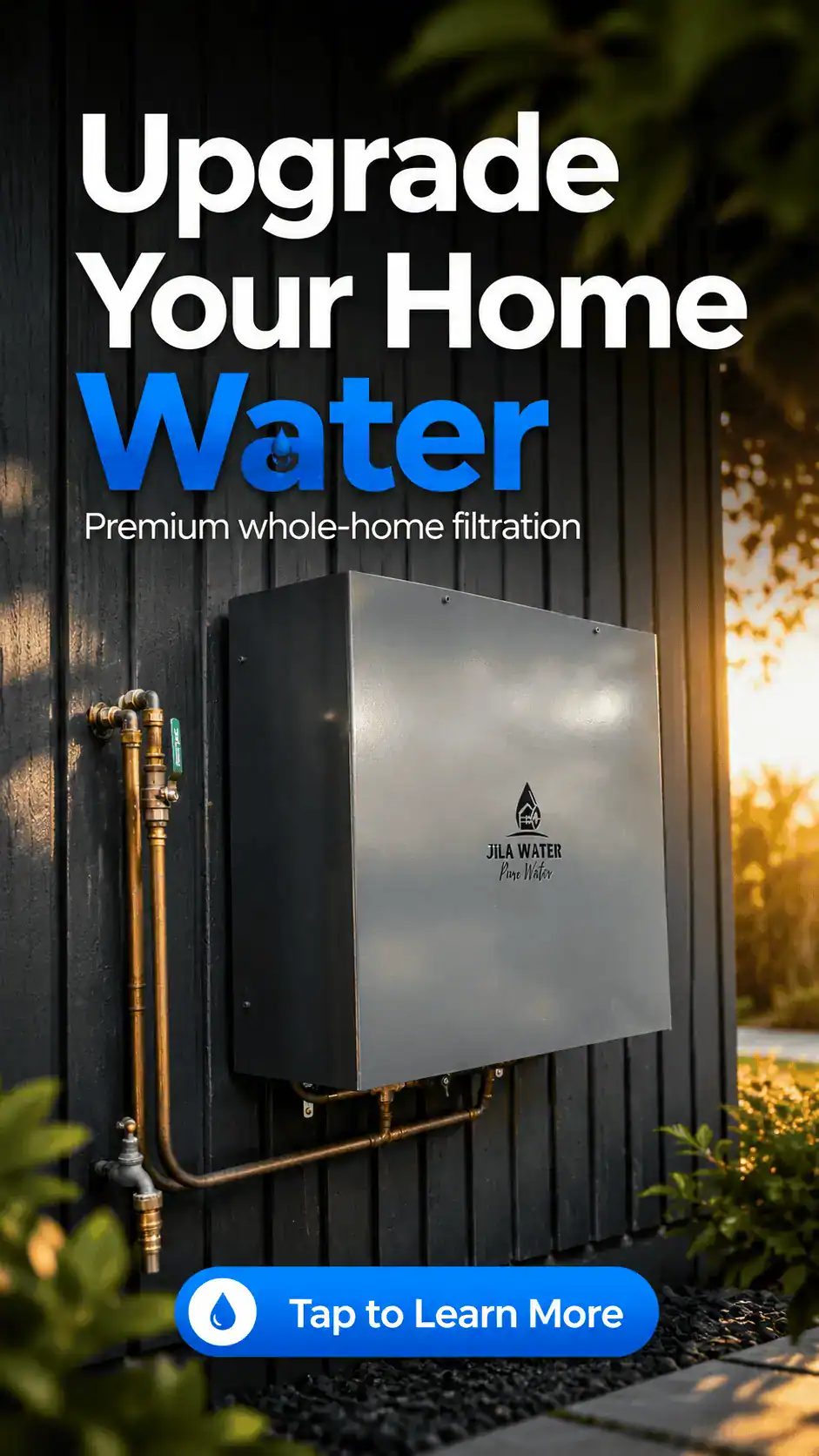
    Premium Jila Water whole home filtration system installed at a Brisbane property
    Filtration realityFluoride reduction is not a slogan. It has to be designed intentionally.

    Whole-home water quality, drinking-water treatment and fluoride reduction are related conversations, but they are not always the same system design.

    Safety

    Side effects of fluoride in water

    Dental fluorosis

    The main recognised side effect of excess fluoride during tooth development is dental fluorosis. Mild fluorosis can appear as faint white lines or streaks on teeth.

    High natural exposure

    Higher fluoride exposure, especially above guideline values, is a different risk conversation from regulated water fluoridation. Private sources should be tested.

    Total exposure

    Fluoride exposure can come from drinking water, toothpaste, foods, beverages and dental products. This is why parents of young children should avoid children swallowing toothpaste.

    Balanced view: Australian authorities support fluoridation at current regulated levels. The better homeowner question is not “panic or ignore it?” but “what level am I actually exposed to, and do I want a targeted drinking-water option?”

    The truth about fluoride in water

    Fluoride in water controversy: why people argue about it

    The controversy exists because water fluoridation sits at the intersection of public health, personal choice, dental benefit, dose control and trust in government systems.

    Supporters point to reduced tooth decay, broad community access and decades of Australian public health support. Critics raise concerns around consent, total exposure, infant intake, uncertainty in newer evidence, and whether mass fluoridation is still as necessary in the toothpaste era.

    A fair summary

    • Fluoride has dental benefits at low exposure levels.
    • High fluoride exposure can be a concern.
    • The benefit of water fluoridation may be smaller today than before fluoride toothpaste was common.
    • Regulated Australian levels are not the same as high natural fluoride areas overseas.
    • Homeowners can support public health advice and still choose extra filtration at home.
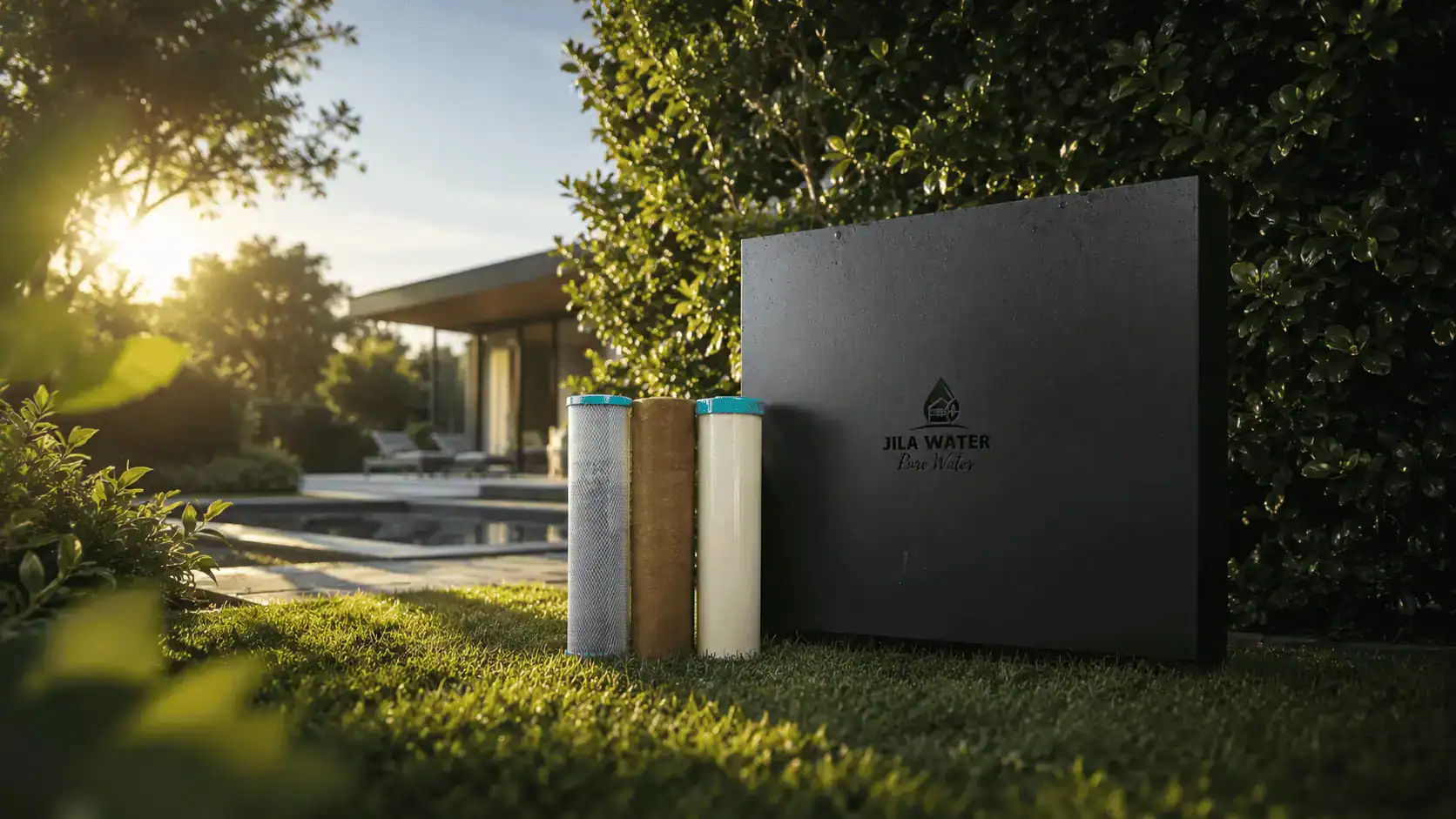
    Whole home water filtration system designed for every tap in a Brisbane home
    Every tap thinkingOne kitchen filter does not improve the shower, laundry, bathrooms or the water entering the property.

    That is why system design matters: point-of-entry, point-of-use, or a smart combination of both.

    Filtration choices

    How fluoride removal actually works

    The most important filtration truth is this: not every water filter removes fluoride. If a company cannot clearly explain the technology, performance data, flow-rate impact and maintenance pathway, do not treat the claim as proven.

    Filter typeGood forFluoride realityBest use case
    Sediment filtrationDirt, rust, particles, visible sediment.Not a fluoride-removal strategy.Whole-home pre-filtration and protection.
    Carbon / catalytic carbonChlorine, chloramine-related taste and odour, many chemical taste issues.Should not be assumed to remove fluoride.Premium whole-home water experience.
    Reverse osmosisTargeted drinking-water reduction of many dissolved substances.Commonly used for fluoride reduction when correctly specified and maintained.Dedicated drinking-water tap.
    Activated alumina or specialist mediaSpecific fluoride-reduction applications.Can reduce fluoride when designed for the source water and contact time.Targeted fluoride treatment, subject to sizing and servicing.
    DistillationSmall-volume drinking-water treatment.Can reduce fluoride, but impractical for whole-home flow.Niche point-of-use use, not whole-home comfort.
    Jila Water recommendation: For many homes, the best outcome is premium whole-home filtration for sediment, taste, odour, chlorine/chloramine feel and every-tap comfort, with a dedicated drinking-water fluoride-reduction option if fluoride is a specific priority.

    Buyer clarity

    Whole-home filtration vs fluoride-specific drinking-water treatment

    Whole-home filtration is about improving the water entering the property before it reaches the kitchen, bathrooms, showers, laundry and plumbing. Fluoride-specific treatment is often more practical at the drinking-water point, unless the whole-home fluoride requirement has been engineered carefully for flow and media life.

    That is why the right system is not always the biggest claim. It is the system that matches the property, the source water, the household flow demand and the exact outcome you want.
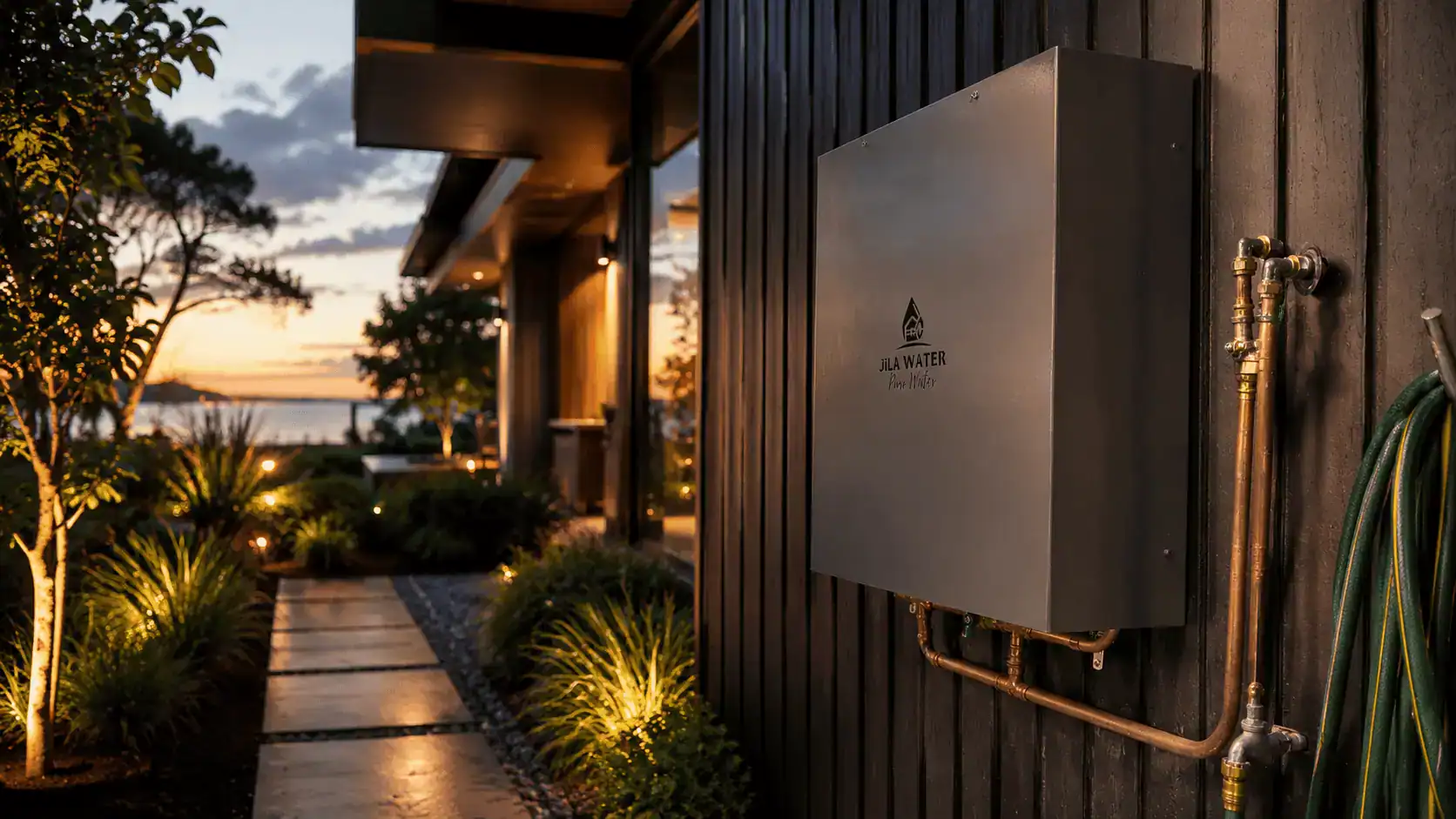
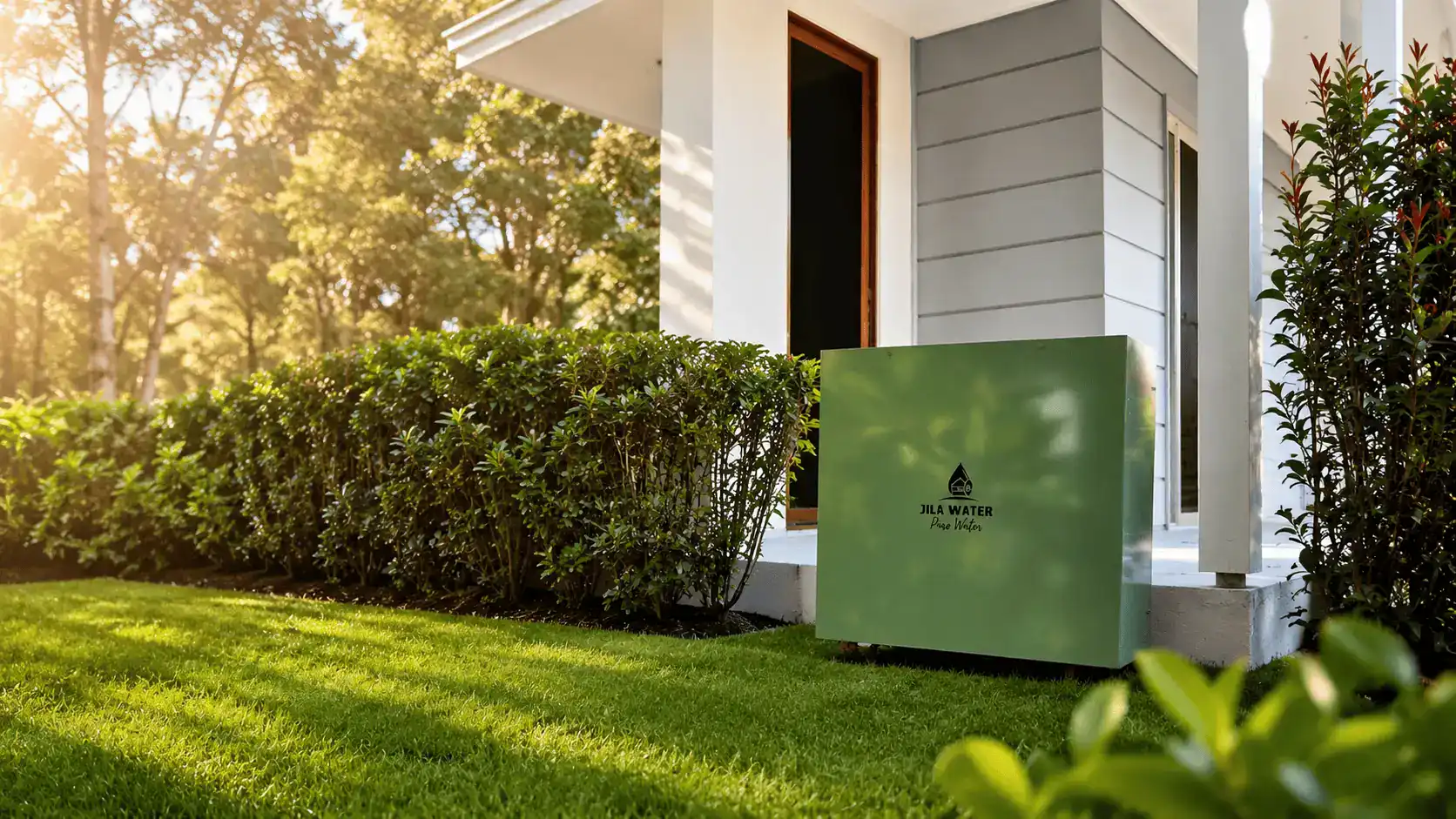
    Complete home filtration system installed on Brisbane homePoint-of-entry: every-tap improvement.
    Whole home filtration for better tasting waterPoint-of-use: targeted drinking-water goals.
    The truth about fluoride in water is not a one-line slogan. It is a level, source-water, dental-health, household-choice and filtration-design conversation.

    Frequently asked questions

    Fluoride in water FAQs

    What is fluoride?

    Fluoride is a naturally occurring mineral form of fluorine. In small, regular exposures, it can help protect tooth enamel from decay.

    What is water fluoridation?

    Water fluoridation is the controlled adjustment of fluoride in a public water supply to a level intended to help reduce tooth decay across the community.

    Why do we put fluoride in our water?

    It is added as a public health measure to reduce tooth decay. The idea is to provide low-level fluoride exposure to everyone using that water supply, including people who may not have regular access to dental care.

    Is fluoride in water bad for you?

    Australian health authorities support water fluoridation at regulated levels. High exposure is a different issue, especially above guideline values. The main recognised side effect of excess fluoride in childhood is dental fluorosis.

    What are the side effects of fluoride in water?

    The main recognised side effect from too much fluoride while teeth are developing is dental fluorosis. At much higher long-term exposures, fluoride can cause more serious issues, which is why drinking-water guideline values and monitoring matter.

    What is the fluoride in water controversy?

    The controversy is about dental benefit, personal choice, consent, total exposure, infant intake, trust in public systems and whether water fluoridation remains as impactful in the era of fluoride toothpaste.

    What is the truth about fluoride in water?

    The balanced truth is that fluoride has recognised dental benefits at regulated levels, high fluoride exposure can be a concern, and homeowners can still choose additional filtration if they want more control over their drinking water.

    What is a safe level of fluoride in drinking water ppm?

    NHMRC supports Australian fluoridation in the range of 0.6 to 1.1 mg/L. Queensland’s regulated added fluoride range is 0.6 to 0.8 ppm depending on location. The Australian Drinking Water Guidelines value of 1.5 mg/L is a health guideline value, not the fluoridation target.

    Is fluoride in tap water Australia?

    Yes, many Australian communities receive fluoridated water, but access varies. Queensland differs from some states because local governments decide whether supplies are fluoridated.

    Does Jila Water remove fluoride?

    Jila Water can help you design the right filtration pathway, but fluoride reduction should never be assumed from a standard whole-home carbon system. If fluoride reduction is required, it should be specified as a dedicated goal with the right technology and performance expectations.

    Better advice before you buy

    Want better water at every tap, and a straight answer on fluoride?

    Book a free home water assessment. We will look at your water source, household size, water concerns, filtration goals and whether fluoride reduction should be part of the design.

  • Puretec vs Complete Home Filtration vs Jila Water

    Puretec vs Complete Home Filtration vs Jila Water

    Whole Home Water Filter Comparison · Brisbane & SEQ

    Puretec vs Complete Home Filtration vs Jila Water: Which Whole Home Water Filtration Option May Suit Your Home?

    Puretec and Complete Home Filtration are well-known names in the Australian water filtration space. But for Brisbane and SEQ homeowners who want a system that is properly sized for their home, installed with care, finished like a premium fixture and supported by local water knowledge, Jila Water may be the better-fit option to consider. You can read about the Jila approach on the whole house water filtration system page, and see what a typical installed setup costs in the Brisbane cost guide.

    Brisbane & SEQ Local whole-home filtration focus
    Every Tap Kitchen, showers, bathrooms, laundry and more
    Proper Sizing 10-inch and 20-inch system pathways
    Premium Finish Designed to look like it belongs on the home
    Independent comparison note Jila Water is not affiliated with, endorsed by, sponsored by or connected with Puretec or Complete Home Filtration. Brand names are used only to identify providers homeowners may be comparing. This guide is general buyer education and does not claim that one provider is universally better for every home. Product specifications, pricing, certifications, warranties, servicing terms and performance claims may change. Always confirm current written details directly with each provider before purchasing.
    Last reviewed: 18 May 2026 · Brisbane, Queensland
    Whole home water filtration system installed for a Brisbane home
    Whole-home filtration starts before the first tap. The real difference is sizing, placement, installation quality and how the system supports the whole home.
    Why Brisbane homeowners consider Jila

    Jila Water Is Designed for Homeowners Who Want More Than a Filter Box on the Wall

    When you compare whole-home water filtration systems, the product is only one part of the decision. The real difference is the thinking behind it: how the system is sized, where it is installed, how it handles real household demand, how it looks on the property and who supports you after the install.

    That is where Jila Water places its focus. We focus on premium whole-home filtration for Brisbane and SEQ homes with local assessment, every-tap coverage, proper system sizing, clean installation planning and a finish that looks like it belongs on the home.

    Local water knowledge

    Brisbane and SEQ water is not generic. Taste, odour, sediment, chloramine concerns, hardness variation and plumbing conditions can differ by suburb and home.

    Premium install mindset

    A whole-home system becomes part of your property. Jila focuses on clean placement, serviceability, visual finish and a premium result not just getting a filter connected.

    Assessment before recommendation

    Instead of forcing every home into the same answer, Jila starts with a Free Home Water Assessment so the system recommendation fits your home, usage and concerns.

    Search intent

    Puretec vs Complete Home Filtration: Why People Compare Them

    When people search for Puretec vs Complete Home Filtration, they are usually past the basic “do I need a water filter?” stage. They are comparing whole-house and whole-home options, trying to work out which system offers the best fit for their property, water quality concerns, budget and long-term support.

    That comparison matters but the better decision is not only about brand recognition. It is about whether the system is suited to your home, your water pressure, your local water conditions and the way your household uses water every day.

    Puretec

    Often considered by homeowners looking for product-led whole-house water filtration options, including systems designed to filter water before it enters the home.

    • Product range matters
    • Filter specifications matter
    • Installer and sizing advice matter

    Complete Home Filtration

    Often considered by homeowners looking for an installed whole-home filtration package with assessment, installation and ongoing support.

    • Assessment process matters
    • Installed package details matter
    • Aftercare and filter cost matter

    Jila Water

    Designed for Brisbane and SEQ homeowners who want a premium local option with proper sizing, a considered visual finish and every-tap filtration.

    • Local Brisbane/SEQ focus
    • Premium system presentation
    • Free Home Water Assessment pathway
    • Wide choice of powder-coat colour options
    Buyer framework

    The Real Buying Criteria for Whole Home Water Filtration

    A good whole-home water filtration decision should be based on the actual requirements of your home. These are the comparison points worth checking before you choose any brand or system.

    Comparison point Why it matters What to ask before choosing
    System type Some options are product-led, some are installed packages, and some are tailored through a local assessment. Is this system being selected for my actual home, or am I choosing from a generic product range?
    Whole-home coverage True whole-home filtration should support water use across kitchen, bathrooms, showers, laundry and appliances. Will this filter every tap and shower, or only selected outlets?
    Flow rate The system must keep up with real household demand, especially larger homes or homes with multiple bathrooms. What flow rate is expected after installation, and is it suitable for my home?
    Filtration stages Sediment, chlorine/chloramine, taste, odour, scale conditioning and PFAS-related claims should all be understood clearly. What does each stage actually reduce, and what evidence supports those claims?
    Filter size 10-inch and 20-inch systems can suit different household sizes and water demand profiles. Am I better suited to a compact system like the Jila Residence 10 or a larger system like the Jila Estate 20?
    Install quality A whole-home system is part of your plumbing. Neat installation, serviceability and correct placement matter. Who installs it, how will it look, and how easy will it be to service?
    Enclosure and build The system sits on your property. Materials, finish and weather suitability affect the final result. Is the system built and finished in a way that suits a premium home?
    Replacement filters Long-term cost and availability can matter more than the initial purchase price. What will filter replacements cost each year, and are the cartridges easy to access?
    Local water knowledge Brisbane and SEQ homes can experience chlorine/chloramine taste, odour, sediment, hardness variation and suburb-specific differences. Does the provider understand local SEQ water conditions and your specific household concerns?
    Aftercare Filter changes, service reminders, support and warranty clarity all affect the long-term ownership experience. What happens after installation, and who helps me maintain the system?

    Note: Always ask each provider for current specifications, certifications, warranty details, filter replacement costs and written performance claims before purchasing.

    Every-tap outcome

    It is filtration for the property, not just one outlet.

    A proper whole-home water filtration system should support the way your household actually uses water: drinking, cooking, showering, bathing, laundry, cleaning and the appliances that rely on water every day.

    That is why Jila Water focuses on the whole-home result not just a single product spec or a single tap.

    Whole home water filtration system for every tap in the house
    Every tap. Every shower. Every day. The reason whole-home filtration feels different is because the benefit follows the water through the home.
    Brand context

    Puretec: What to Know

    Puretec is a recognised Australian water filtration brand with a range of whole-house systems. For homeowners comparing Puretec, the key is to look closely at the exact model, filter stages, flow rate, installation pathway, replacement filter cost and whether the system is suited to your home size.

    • Best suited for homeowners comparing product-led whole-house options.
    • Check the specific model, flow rate and filter configuration.
    • Confirm installation, servicing and cartridge replacement details before purchase.
    Brand context

    Complete Home Filtration: What to Know

    Complete Home Filtration is known for whole-home filtration packages and in-home assessment positioning. For homeowners comparing this option, the key is to understand the installed system details, household suitability, filter replacement costs, warranty terms and what is included after installation.

    • Best suited for homeowners looking at installed whole-home filtration packages.
    • Ask what is included in the assessment, installation and ongoing support.
    • Confirm annual servicing, replacement filters and claim evidence in writing.
    Where Jila fits

    Jila Water: What to Know

    Jila Water is positioned as a premium Brisbane and SEQ-focused option for homeowners who want every-tap filtration, proper system sizing, a clean install finish and local guidance before choosing a system.

    • Suited to Brisbane and SEQ homeowners wanting a premium local provider.
    • Designed around household size, plumbing access, water concerns and finish.
    • Start with a Free Home Water Assessment before choosing a system size.
    • Offers 10-inch and 20-inch system pathways tailored to the home, water demand and household needs.
    • Relaxed, no-pressure approach that gives you time and space before buying.
    • Locally owned and operated, with Jila enclosure work and support based in Brisbane.
    The visible difference

    Premium filtration should look intentional, not like an afterthought.

    The system sits on the property, so the final finish matters. Jila Water’s visual position is simple: a whole-home system should be clean, serviceable and worthy of the home it is installed on.

    Whole home water filtration system installed on a Brisbane home
    Installed with the home in mind. Placement, access and finish are part of the decision not an afterthought.
    Colour-matched whole home water filtration system for modern Brisbane homes
    Designed for modern homes. A premium system should feel like it belongs beside the property, not like it was bolted on later.
    Comparison table

    Puretec vs Complete Home Filtration vs Jila Water

    Each option may suit a different type of buyer. Puretec is often considered by people comparing product specifications. Complete Home Filtration is often considered by people wanting a packaged whole-home solution. Jila Water is designed for Brisbane and SEQ homeowners who want a premium local provider, proper system sizing, every-tap filtration, clean installation planning and a more considered finish.

    Factor Puretec Complete Home Filtration Jila Water
    Typical buying pathway Often product-led, where the homeowner compares models, filter specifications and installation options. Often package-led, where the homeowner books an assessment and receives an installed solution. Assessment-led and Brisbane-focused. Jila starts with the home, the plumbing, the water concerns and the finish the homeowner wants.
    Best suited for Homeowners who are comfortable comparing product specifications and organising the right installation pathway. Homeowners comparing installed package inclusions, costs, service terms and aftercare. Brisbane and SEQ homeowners who want a premium local specialist with proper sizing, every-tap filtration and a system that looks right on the property.
    Local SEQ water fit Ask how the chosen system is matched to Brisbane or SEQ water conditions. Ask how the assessment accounts for suburb, water source, plumbing and household concerns. This is a core part of Jila’s approach. Jila focuses on Brisbane and SEQ homeowner concerns including chlorine/chloramine taste, odour, sediment, shower feel, skin/hair comfort and household usage.
    System sizing Check whether the selected product is suitable for your home size, number of bathrooms and water demand. Check how the package is sized and whether a larger or smaller system is recommended for your home. Jila recommends based on the home. Smaller homes may suit the Jila Residence 10, while larger or higher-demand homes may suit the Jila Estate 20.
    Install quality Depends on the installer, system location and how the product is integrated into the home. Depends on the package, installer, cabinet/system design and install location. Jila treats installation as part of the product. Placement, access, serviceability and finish are considered before the system goes on the wall.
    Visual finish Depends on the selected system and installation approach. Depends on the system design and cabinet/package selected. This is a key Jila difference. Jila systems are designed to look premium, clean and intentional not like an afterthought bolted beside the house.
    Whole-home outcome Can support whole-house filtration depending on the model selected and installation pathway. Designed around whole-home filtration packages. Jila focuses on the lived experience: filtered water from every tap, improved taste and shower feel where the system is suited, and a system chosen for how the household actually uses water.
    Aftercare Check replacement filter availability, servicing requirements and support pathway. Check servicing terms, filter change costs and warranty conditions. Jila keeps the ownership experience simple. The assessment, system choice, installation and filter replacement pathway are designed to be clear from the start.
    Why choose it? A recognised product brand with a broad range of water filtration options. A recognised whole-home filtration provider with an assessment-led package model. Consider Jila if you want a premium Brisbane-first option: local guidance, proper sizing, every-tap filtration, a premium finish and a system designed around your actual home.
    Next step Review the exact model, specifications, installation pathway and replacement filter cost. Request current package details, inclusions, filter costs, warranty terms and claim evidence. Book a Free Home Water Assessment and let Jila recommend the right system for your Brisbane or SEQ home.

    This table is designed to help homeowners ask better questions. It does not claim that one provider is universally better for every home. Confirm current specifications, inclusions, certifications, pricing, service terms and performance claims directly with each provider.

    Whole house water filter installed before home plumbing outlets
    Before the water reaches the outlets. Whole-home filtration is about the water entering the home before it reaches taps, showers and appliances.
    Before the outlets

    The system should protect the whole pathway.

    A whole-house water filter is not only about the glass of water at the kitchen sink. It is about the water that travels through the property and into showers, bathrooms, laundry, fixtures and appliances.

    This is where proper system sizing, install position and local assessment become more important than simply comparing brand names.

    Local water context

    Why Brisbane Homes Need Local Water Knowledge

    Brisbane and South East Queensland homes can have different water experiences depending on suburb, plumbing age, household demand and distribution conditions. Some homes mainly notice taste and smell. Others notice shower feel, dry skin and hair, scale on fixtures, sediment after heavy rain or visible build-up in old filters.

    That is why a good whole-home filtration recommendation should start with your home, not just a brochure.

    Common SEQ homeowner concerns

    • Chlorine or chloramine taste and smell
    • Dry skin or hair after showering
    • Sediment, discolouration or visible particles
    • Scale marks on taps, screens and fixtures
    • Concerns about PFAS, heavy metals or broader water quality
    • Whether a 10-inch or 20-inch system is the better fit
    Questions to ask

    Questions to Ask Before Choosing Any Whole Home Water Filter System

    These questions help protect you from choosing a system that looks good on paper but does not suit your home in practice.

    Performance questions

    • What contaminants does the system target?
    • Does it reduce chlorine, chloramine, sediment, taste and odour?
    • What are the PFAS claims, and what evidence supports them?
    • What flow rate should I expect after installation?

    Installation questions

    • Who installs the system?
    • Where will it be placed?
    • Will it be easy to service?
    • Will the finished install suit the look of my home?

    Ownership questions

    • What do replacement filters cost?
    • How often do filters need changing?
    • Are cartridges standard or proprietary?
    • What happens if I need support later?
    The decision

    When Jila Water May Be the Better Fit

    Jila Water is not trying to be the cheapest filter option or the most generic water filter supplier. It is built for homeowners who care about the final result water quality, pressure, system design, installation finish, long-term servicing and how the system looks on the home.

    Choose Jila Water if you want:

    • A premium whole-home filtration system for a Brisbane or SEQ property
    • Every-tap filtration across kitchen, showers, bathrooms, laundry and appliances
    • A system recommendation based on your home, not a generic product page
    • A cleaner install finish that looks intentional on the property
    • Guidance on whether a 10-inch or 20-inch system is right for your home
    • Local support from a business focused on Brisbane and South East Queensland

    Jila may not be the right fit if:

    • You only want the cheapest possible water filter
    • You are looking for a small under-sink or benchtop-only system
    • You do not want an assessment before choosing a system
    • You are comparing only on upfront price, not long-term ownership value

    If you want a premium whole-home result, Jila Water is designed for that type of homeowner.

    The Jila Water difference

    The Premium Brisbane/SEQ-Focused Alternative

    Jila Water is for homeowners who want more than a generic water filter option. It is for people who want a whole-home system that is selected for their property, installed with care and designed to look like it belongs on a premium home.

    Every-tap filtration Local Brisbane/SEQ focus Proper system sizing Premium visual finish Licensed plumber install pathway Filter change support 10-inch and 20-inch options Free Home Water Assessment
    FAQ

    Puretec vs Complete Home Filtration vs Jila Water FAQs

    Is Puretec better than Complete Home Filtration?

    It depends on what you are comparing. Puretec is often considered as a product-led whole-house filtration option, while Complete Home Filtration is often considered as an installed whole-home package. The better question is which system is correctly sized, installed and supported for your home.

    Is Jila Water an alternative to Puretec and Complete Home Filtration?

    Yes. Jila Water can be considered a premium Brisbane and SEQ-focused alternative for homeowners who want every-tap filtration, local guidance, system sizing and a clean installed finish.

    Why might Brisbane homeowners consider Jila Water?

    Jila Water is designed around Brisbane and SEQ homes. The focus is local water knowledge, proper system sizing, premium installation presentation, every-tap filtration and a clearer ownership pathway after installation.

    What should I compare before choosing a whole home water filter?

    Compare system type, flow rate, filter stages, filter size, installation quality, enclosure design, replacement filter cost, local water suitability, warranty and aftercare.

    Should I choose a 10-inch or 20-inch whole home water filter system?

    Smaller homes may suit a compact 10-inch system, while larger homes or higher-flow households may be better suited to a 20-inch system. The right answer depends on bathrooms, water demand, plumbing access and household usage.

    Does whole-home filtration help with chlorine and chloramine taste or smell?

    Many whole-home systems are designed to reduce chlorine-related taste and odour. Chloramine requires the right media and contact time, so homeowners should ask each provider exactly how their system is configured for local SEQ water conditions.

    What is the best next step?

    Book a Free Home Water Assessment with Jila Water. That gives you a clearer recommendation based on your property, water concerns, household size and installation requirements.

    Book your assessment

    Still Comparing? Let Jila Water Show You What the Right System Looks Like for Your Home.

    The right whole-home water filtration system is not always the most familiar name. It is the system that is correctly sized, properly installed, easy to maintain and suited to the way your household actually uses water. If you are still deciding between filter types, the home filtration system guide for Brisbane, our easy guide to choosing a water filter and the whole house system guide explain the differences without the sales pitch.

    For Brisbane and SEQ homeowners who want a premium, every-tap filtration result, Jila Water is worth considering as an early first call.

    References and claim notes

    Public Sources Used for This Comparison

    This page is written as a buyer education guide. It does not claim that one provider is universally better than another, and Jila Water is not affiliated with Puretec or Complete Home Filtration. Always confirm current specifications, pricing, warranty terms, certifications, servicing terms and performance claims directly with each provider before purchase.

    Competitor logos have not been used. Brand names appear only where necessary to identify the providers being compared.

    Jila Water is not affiliated with, endorsed by, sponsored by or connected with Puretec or Complete Home Filtration. Brand names are used only to identify providers homeowners may be comparing. This guide is general buyer education and does not claim that one provider is universally better for every home. System suitability, pricing, certifications, product specifications, warranties, servicing terms and performance claims may change over time. Always request current written details directly from each provider before purchasing.
  • The Importance of Water Testing & Identifying Contaminants

    The Importance of Water Testing & Identifying Contaminants

    Brisbane & SEQ water quality guide

    Water testing • contaminants • filtration advice

    The importance of water testing and identifying contaminants in your home’s water.

    Water can look clear and still carry taste, odour, sediment, hardness, metals or source-specific issues. A proper water assessment helps you understand what is happening before choosing the right filtration system for your home. Jila Water offers free home water testing so the reading comes from your own tap rather than an average.

    Local water contextBuilt around Brisbane, Ipswich, Logan, Redlands, Moreton Bay, Gold Coast and SEQ homes.
    Every tap approachTesting helps decide whether a point-of-entry solution is a smarter fit than one filtered tap.
    Licensed installationJila systems are installed by licensed plumbers and tailored to the home’s water source.
    Practical next stepBook a free home water assessment before spending money on the wrong filter.

    Quick answer: water testing matters because different water problems need different solutions. Chlorine taste, earthy odours, sediment, staining, hardness, metallic taste, bacteria risk in tanks, bore minerals and emerging contaminants are not all treated the same way. Testing and inspection help identify what is likely present, what needs proper lab confirmation, and which filtration setup is appropriate for the home.

    Why test first?

    Clear water does not always mean clean-feeling water.

    In South East Queensland, most town water is professionally treated and monitored before it reaches the network. But homeowners may still notice chlorine taste, sediment after rain or mains work, scale on fixtures, metallic taste from plumbing, or different issues from tank and bore water.

    That is why the best filtration conversation starts with your water source and your actual symptoms. A family on Brisbane mains water usually needs a different approach from a home on tank water, bore water or a mixed supply.

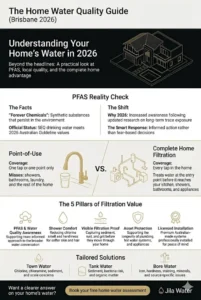
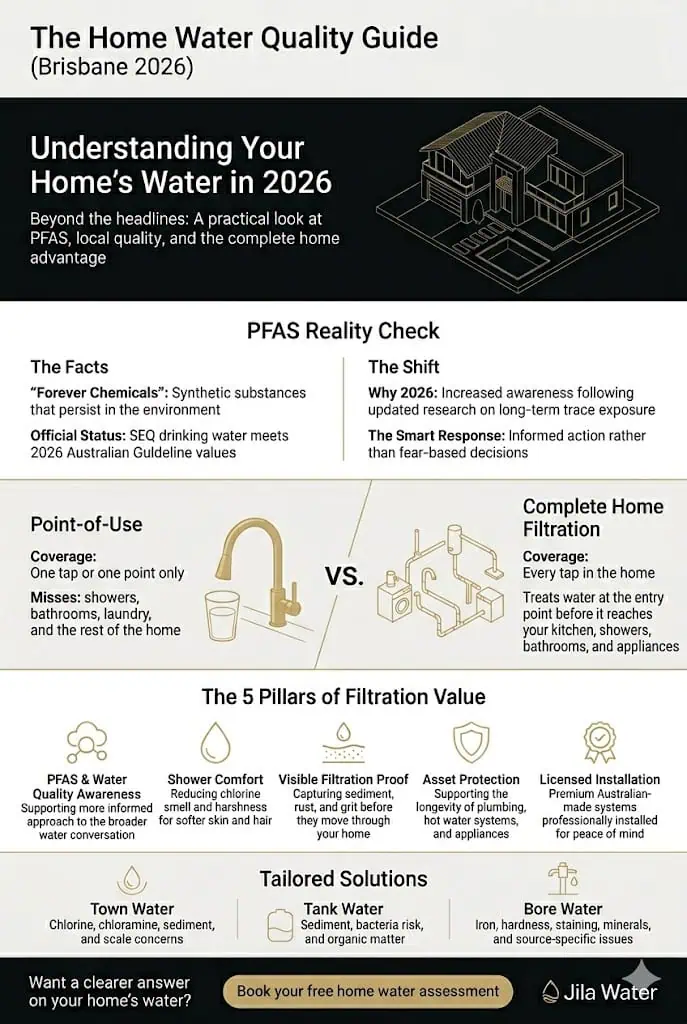
    Jila Water home water quality guide infographic for Brisbane homes explaining water quality, PFAS awareness and complete home filtration
    Use water testing and water quality context to understand what your home actually needs before choosing a filter.
    Common water issues

    What a home water assessment may investigate.

    Every home is different. These are the common water quality clues Jila Water looks at when helping Brisbane and SEQ homeowners understand their water.

    ☁

    Sediment & cloudiness

    Fine particles, pipe disturbance, tank debris or post-rain events can affect the look and feel of water. Sediment filtration is often the first protection stage in a whole home system.

    ◌

    Chlorine or chemical taste

    Disinfection is part of keeping town water safe through the network, but many households dislike the taste, odour and shower feel of chlorinated water.

    ✦

    Metallic taste or staining

    Iron, manganese, copper or older plumbing can affect taste, colour and staining. The right next step depends on whether the issue is supply, household plumbing, tank or bore related.

    Testing by water source

    Town water, tank water and bore water need different questions.

    A “one size fits all” filter recommendation is where many homeowners waste money. The water source should guide the testing and filtration plan.

    Water source Common things to check Why it matters Typical Jila Water direction
    Town / mains water Chlorine or chloramine taste, sediment, hardness, pH, scale, metallic taste, local supply changes and household plumbing. The water may meet drinking water standards but still feel, smell or taste unpleasant at home. Whole home sediment, conditioning and carbon filtration tailored to the household and local water profile.
    Rainwater tanks Sediment, roof debris, tannins, odour, microbial indicators, pH and UV suitability. Tank water quality changes with roof condition, gutters, first flush devices, animals, heat and rain events. Sediment filtration, carbon filtration and often UV sterilisation where microbial protection is needed.
    Bore water Iron, manganese, hardness, staining, salinity, pH, minerals and source-specific contaminants. Bore water can vary dramatically even between nearby properties and usually needs source-specific testing. Custom filtration design after reviewing bore results and household use requirements.
    Mixed supply Separate testing for each source and how the home switches or blends water. A filter that suits one water source may not suit the other. Tailored system design based on the plumbing layout and water source priority.
    The goal is not to sell the biggest filter. The goal is to understand the water first, then design the right system for the home.

    Important safety note

    A free home assessment is not the same as a certified laboratory health test. If you suspect contamination, illness, bacteria, chemicals, a water advisory issue, or a private supply risk, contact your water provider, local council, Queensland Health or a NATA-accredited laboratory for formal testing advice. Jila Water can help you understand symptoms and filtration options, but health-critical contamination should be properly confirmed.

    How the process works

    A better way to choose a water filter.

    Instead of guessing from a product list, Jila Water works backwards from your home, your water source and your symptoms.

    Start with the home and water source

    We look at whether the home is on mains, tank, bore or mixed supply, then consider the number of bathrooms, household size, flow needs and where the system can be installed.

    Document the symptoms

    We ask what you notice: chlorine smell, earthy taste, metallic taste, staining, scale, dry skin and hair, sediment, cloudy water, tank odour or bore water marks.

    Check whether lab testing is needed

    For tank, bore, suspected bacterial or health-critical concerns, proper laboratory testing may be recommended before a final system is selected.

    Match the filtration stages

    Only after the water picture is clearer do we recommend the right combination of sediment filtration, conditioning media, carbon filtration, UV, or a custom design.

    Contaminants & indicators

    What can water testing identify?

    The right test depends on the water source and the concern. Some checks are simple field indicators, while others require laboratory analysis.

    Aesthetic indicators

    Taste, smell, colour, sediment, cloudiness, hardness, staining and scale are often the first reasons homeowners book an assessment. They affect daily comfort and confidence even when the water is not necessarily unsafe.

    Chemical indicators

    Depending on the supply, testing may look at pH, chlorine residual, metals, minerals, PFAS-related concerns, salinity, hardness or source-specific chemicals.

    Microbial indicators

    For tanks, bores and private supplies, microbial testing is often the most important question. E. coli and other indicators require correct sampling and laboratory handling.

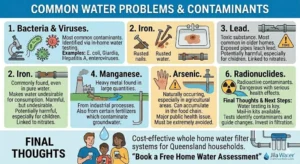
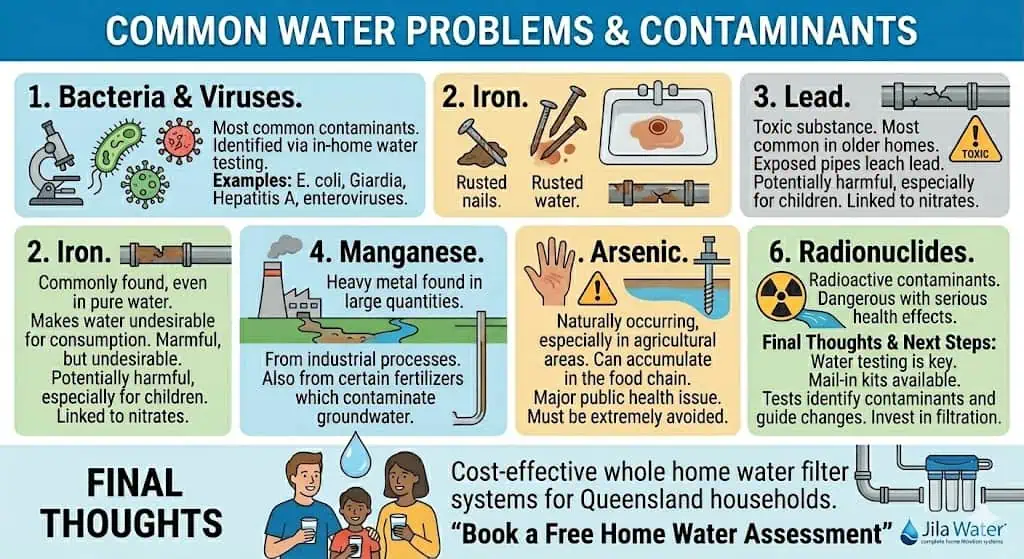
    Infographic showing common water problems and contaminants including bacteria, iron, lead, manganese, arsenic and radionuclides in Queensland homes
    Common water problems can include sediment, iron, manganese, metallic taste, chlorine odour and, for tank, bore or private water supplies, health-related contaminants that should be confirmed through proper laboratory testing. Use this as a practical guide, not as a substitute for certified testing advice.
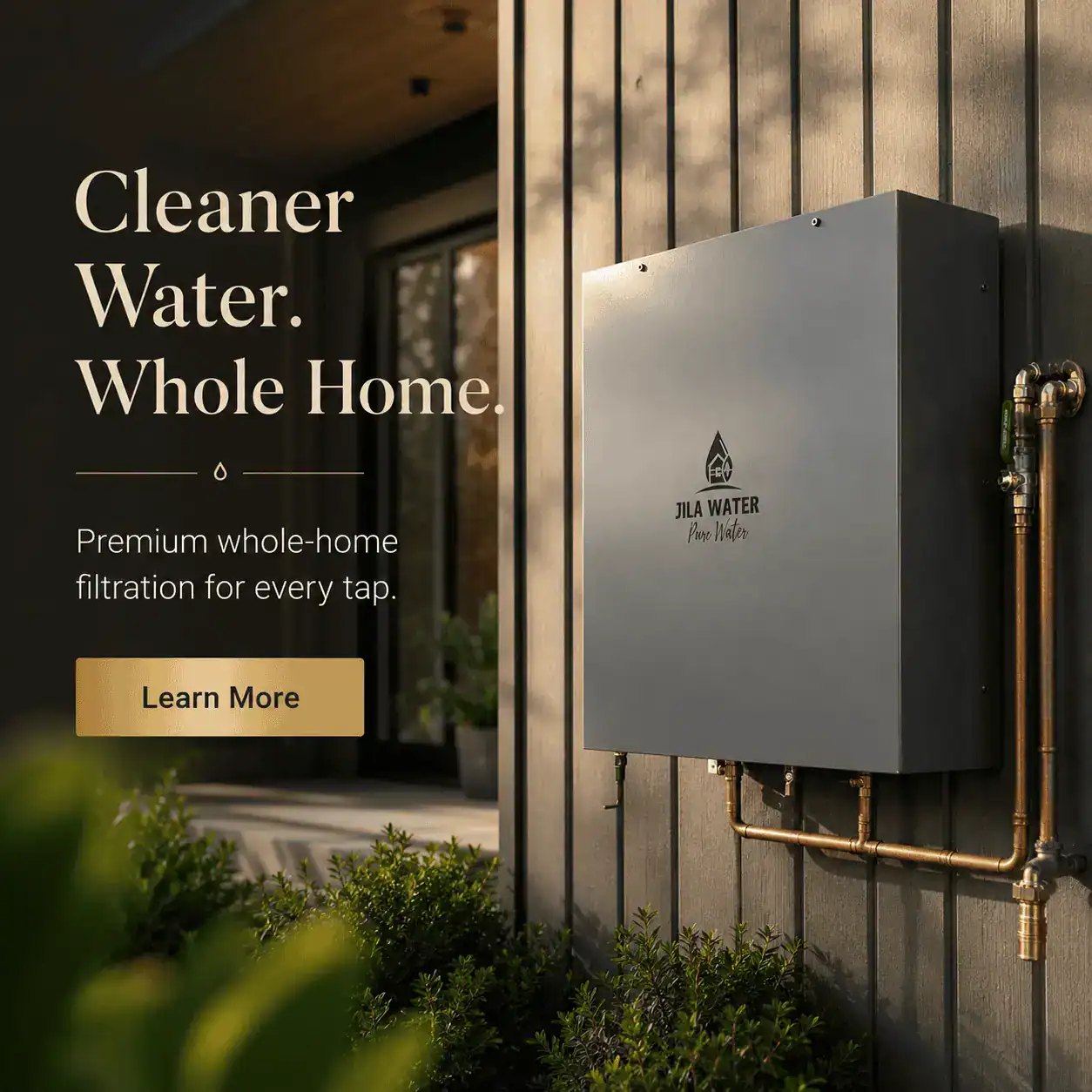
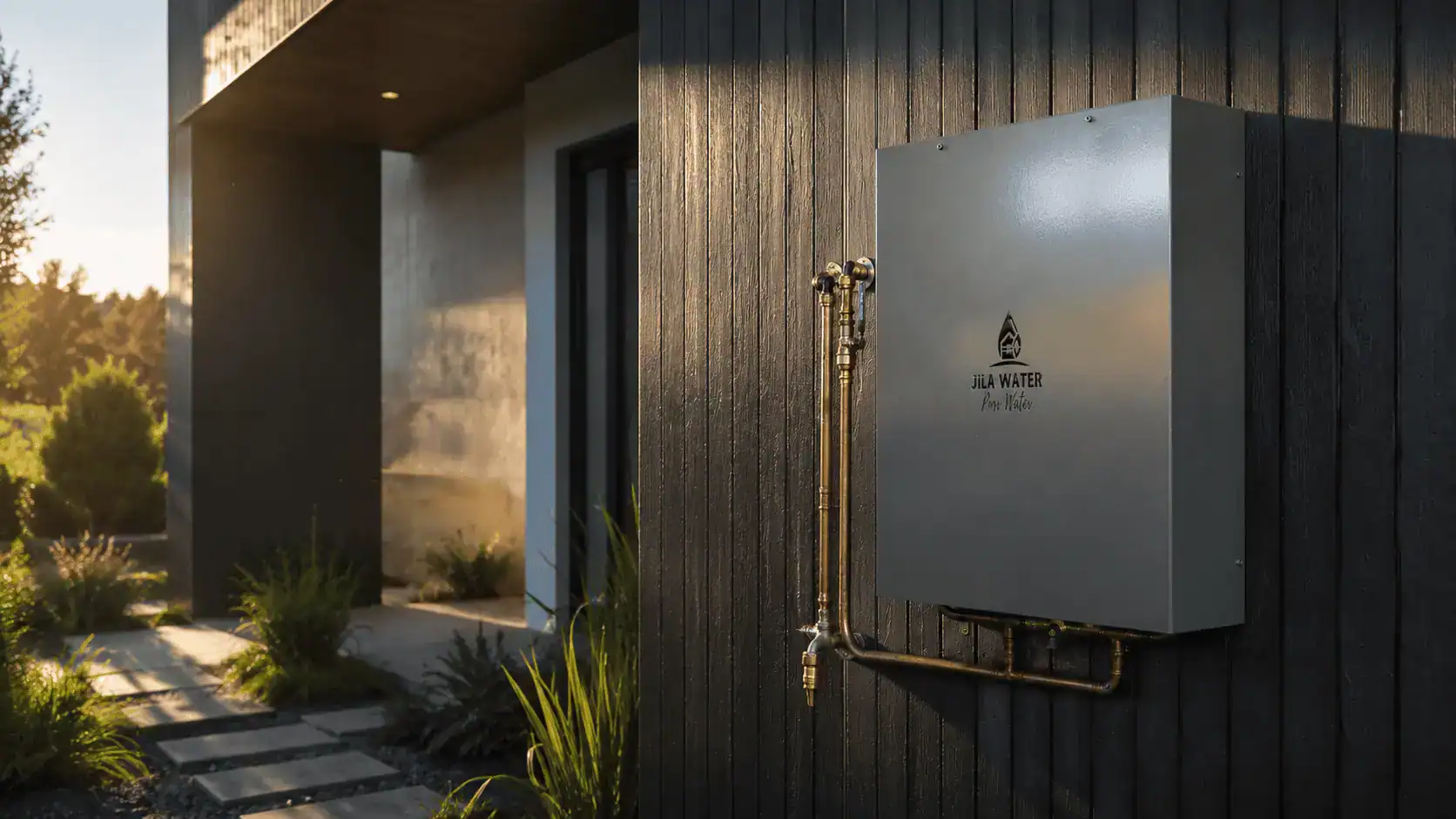
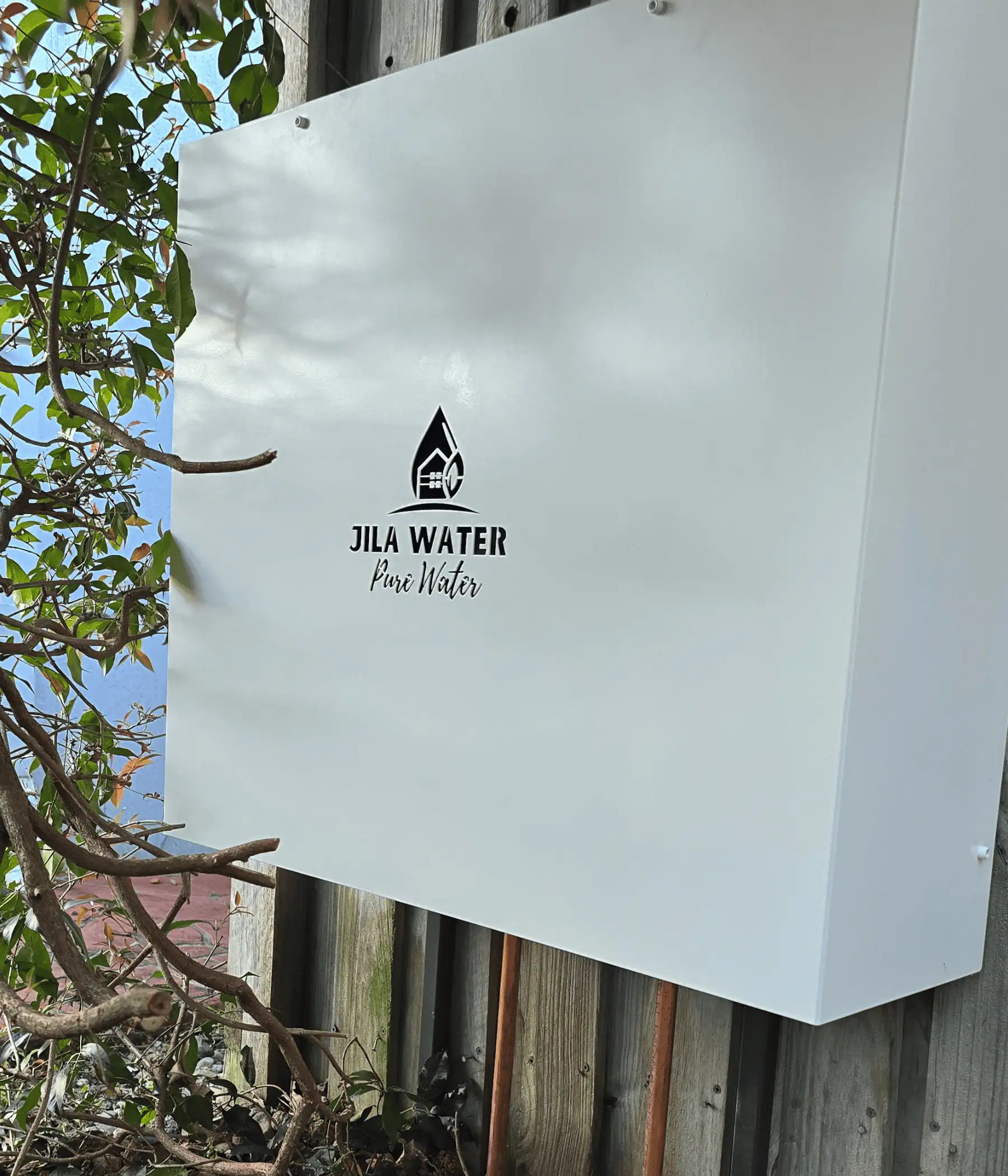
    Premium Jila Water whole home filtration system installed outside a Brisbane home
    A complete home filtration system treats the water as it enters the home, before it reaches showers, bathrooms, laundry, kitchen taps and appliances.
    From testing to action

    Why testing often points to complete home filtration.

    If the problem affects more than one tap, a single under-sink filter may not solve the whole-home issue. A point-of-entry system treats the incoming supply before it moves through the home.

    This is why Jila Water focuses on complete home filtration for many Brisbane and SEQ families. The aim is cleaner, better-feeling water at every tap — not just one drinking water outlet.

    FAQs

    Water testing questions Brisbane homeowners ask.

    Do I need to test Brisbane town water?

    Not every home needs a full laboratory test. Brisbane and SEQ town water is monitored by the relevant water providers, but a home assessment can still be useful if you notice chlorine taste, sediment, scale, odour, metallic taste or issues that seem specific to your property.

    Is a home water assessment the same as a laboratory test?

    No. A home water assessment helps identify likely issues, water source, symptoms and filtration needs. Health-critical concerns such as bacteria, chemicals, illness, private supply risk or contamination should be confirmed through an appropriate accredited laboratory or water authority process.

    What should tank water be tested for?

    Tank water may need checks for sediment, colour, odour, pH, microbial indicators such as E. coli, roof or gutter contamination, and whether UV treatment is appropriate. The right test depends on how the tank is used and whether the water is used for drinking.

    What causes metallic taste in tap water?

    Metallic taste may come from trace metals, corrosion, internal plumbing, older fixtures or source-specific minerals. If it appears suddenly or affects only one tap, the cause may be different from a whole-house issue.

    Can filtration remove every contaminant?

    No single filter removes every possible contaminant. The right system depends on what is in the water, the water source, flow requirements and the household’s priorities. That is why testing and assessment should come before system selection.

    When should I contact my water provider?

    Contact your water provider if you are on town water and there is sudden discolouration, strong odour, suspected contamination, a local advisory, illness concern, burst main issue or a change affecting multiple properties. For private supplies, the owner is generally responsible for managing water quality.

    Free home water assessment

    Want a clearer answer on your home’s water?

    Book a free Jila Water home water assessment. We’ll look at your water source, what you’re noticing, your home layout and the best filtration pathway for your family.

    Author & local expertise

    Written for Jila Water by James Grady

    James works with Brisbane and SEQ homeowners to understand local water concerns and choose complete home filtration systems that suit the home, water source and household priorities.

    View Author Profile
    Book Free Water Assessment

    Jila Water Knowledge Hub

    Complete Home Filtration, Hard Water, and How a Water Softener Works

    Hard water does more than leave marks on taps. It can affect shower comfort, create scale across the home, and leave homeowners guessing about what is really going on in their water. This guide breaks down how a water softener works, how to start testing your water properly, and why complete home filtration is often the smarter whole-home solution.

    Whole Home Filtration Water Testing & Hard Water Brisbane & SEQ Homes

    No pressure. No guesswork. Just clearer advice on what suits your home, your water, and the result you actually want.

    Complete home filtration guide

    Complete Home Filtration, Hard Water Testing, and How a Water Softener Works

    If your shower screen always looks marked, your hot water system keeps copping scale, or your skin feels dry after every shower, there is a good chance hard water is part of the story. This guide breaks down how to start testing my water, what testing for hard water should actually involve, how a water softener works, and why complete home filtration is often the smarter long-term move for Australian homes.

    Premium whole-home focus Built for Australian homes Assessment-first approach
    Every tap matters
    Whole-home thinking goes beyond the kitchen sink. It looks at showers, bathrooms, laundry, plumbing, appliances and the overall daily water experience.
    Best next step

    Start with a proper home water assessment. A real recommendation comes from understanding the property, the household, and the actual water issues rather than guessing from a single number or a random pen meter.

    What is hard water?

    Hard water is water with elevated levels of dissolved minerals, mainly calcium and magnesium. In the home, that usually shows up as scale buildup, cloudy glassware, residue on taps and shower screens, and water that feels less pleasant to live with day to day.

    The problem is not just appearance. Hard water can slowly affect fixtures, hot water systems, pipes and appliances over time. That is why more homeowners are starting to look beyond a single tap filter and toward a more complete solution.

    Typical homeowner symptoms
    What you notice What it often points to
    White marks on shower glass and taps Scale and mineral residue building up from regular water use
    Cloudy glasses from the dishwasher Mineral spotting and poor rinse performance
    Dry skin or dull hair after showering Water quality issues affecting daily shower comfort
    Kettle or heating element scaling up fast Hardness stressing hot water fixtures and appliances
    Soap that struggles to lather properly Higher mineral load interfering with washing performance

    Signs your home may have hard water

    Most homeowners do not begin their search with the phrase “ion exchange resin”. They start with frustration. They are sick of cleaning the same shower glass, replacing fixtures too early, or feeling like the water never quite feels right.

    Bathroom signs

    White crusty deposits on taps, stubborn shower screen spotting, and residue around bathrooms are often some of the first visible clues.

    Appliance signs

    Scale on kettle elements, reduced efficiency in hot water systems, and ongoing mineral buildup can all point to hardness issues through the home.

    Daily living signs

    Skin that feels tight after showering, hair that feels dull, and laundry that feels stiff are common reasons families begin testing their water.

    Jila Water approach

    Most homes do not need more guesswork. They need the right test and the right system design.

    That is why the strongest path is usually to start with a free home water assessment, then match the home to the right complete home filtration setup based on real use, real symptoms and the result the family actually wants.

    Testing my water: how to start checking for hard water properly

    If you have ever typed testing my water into Google, you are not alone. The issue is that a lot of people get a number from the wrong tool and assume they now understand their water. That is where confusion starts.

    The strongest approach is to treat testing for hard water as its own step. You are not just looking for a random reading. You are trying to find out whether hardness is really present, how serious it is, and whether the home needs a water softener, broader filtration, or both.

    1. The simple soap test

    Fill a clean bottle with tap water, add a few drops of pure liquid soap and shake. Soft water usually produces stronger, longer-lasting bubbles. Hard water tends to produce less lather and more cloudy residue. It is basic, but it can be a helpful first clue.

    2. Hardness test strips

    One of the easiest at-home ways of testing for hard water is to use hardness strips. They are a quick screening tool and can help identify whether you are likely dealing with a low, moderate or high hardness issue.

    3. Drop-count hardness kits

    If the number matters, a proper hardness-specific test kit is a better move. This is stronger than relying on a generic conductivity or TDS pen and gives you a more useful picture when you are choosing treatment.

    4. Professional home assessment

    The most valuable option is an in-home assessment that looks at symptoms, source water, household demand and the most suitable treatment approach. This is where a premium system recommendation becomes far more accurate.

    Important: if you are checking the performance of a new system, test from a cold softened line rather than a mixed shower outlet. The closer the sample point is to the actual treated line, the more useful the result will be.

    How a water softener works

    A water softener is designed to reduce the minerals that cause hardness, mainly calcium and magnesium. The most common method is ion exchange.

    Inside the softener is a resin bed charged with sodium ions. As hard water passes through the resin, the calcium and magnesium in the water swap places with the sodium. The result is water that is much less scale-forming as it moves through the home.

    Step 1

    Hard water enters the system carrying calcium and magnesium that contribute to scale.

    Step 2

    The resin media captures the hardness minerals and exchanges them for sodium ions.

    Step 3

    Softer water leaves the system and moves through showers, taps, appliances and the rest of the home with reduced scale potential.

    That is the simple version of how a water softener works: it removes the minerals responsible for hard-water behaviour, helping reduce scale and improve the overall water experience throughout the property.

    Why a water softener alone is not always enough

    A softener can be excellent at dealing with hardness, but hardness is not the only issue homeowners care about. Many homes also want help with sediment, chlorine taste and odour, shower comfort, and cleaner water at every tap. That is where complete home filtration becomes the stronger long-term story.

    Complete home filtration is about more than one symptom. It is about protecting the home more broadly and improving the way the water is experienced throughout the day.

    Basic water softener

    Focuses mainly on hardness and scale-related mineral issues.

    • Good for calcium and magnesium reduction
    • Helps reduce scale on fixtures and appliances
    • Does not automatically solve every whole-home water concern

    Complete home filtration

    Takes a broader whole-home approach to how water is used and experienced.

    • Can address sediment before it reaches the home
    • Can include hardness treatment where needed
    • Can improve chlorine taste and odour issues
    • Supports a better water experience in bathrooms, showers, kitchen and laundry

    If you want to see how Jila positions this kind of upgrade, explore the main complete home water filtration system page or browse more education on the Jila Water blog.

    The big mistake people make: TDS is not the same as hardness

    This is one of the most useful trust-building points you can put in front of a homeowner.

    Someone says, “I tested my water and got 324.” The immediate question should be: 324 of what?

    If that number came from a generic TDS pen, it does not automatically tell you how much calcium is present and it does not prove whether a water softener is working properly. A softener can reduce hardness while TDS still looks similar because the chemistry of the water has changed rather than all dissolved solids simply disappearing.

    Put simply: a TDS number is not a hardness diagnosis. If you want to know whether you have hard water, use a proper hardness-specific method or book a professional assessment.

    Who benefits most from complete home filtration?

    Homeowners usually get the most value from complete home filtration when they are trying to fix more than one issue at once.

    Families dealing with scale

    If taps, glassware, bathrooms and hot water systems are constantly showing mineral buildup, a system that includes hardness treatment can make a major difference.

    Homes wanting better shower water

    Many households are less worried about drinking water alone and more interested in what they shower in every day. That is where whole-home thinking becomes more valuable.

    Homeowners wanting a premium upgrade

    The strongest systems do not feel like a cheap afterthought strapped to the wall. They feel like a considered home improvement with proper support and professional installation.

    Ready for better water?

    Find out what is actually happening in your water before you buy anything.

    Book a free home water assessment, get clarity on the problems you are trying to solve, and let Jila Water recommend the right complete home filtration path for your home.

    No obligation. No pressure. Just a clearer path to better water at every tap.

    Frequently asked questions

    What is hard water?

    Hard water is water containing elevated levels of dissolved minerals, mainly calcium and magnesium. In the home, it often shows up as scale buildup, residue on fixtures, cloudy glassware and a rougher day-to-day water feel.

    How does a water softener work?

    A water softener usually works through ion exchange. Calcium and magnesium swap places with sodium on a resin bed, reducing the scale-forming minerals moving through the home.

    How do I start testing my water for hard water?

    You can start with a simple soap test, hardness strips, or a hardness-specific drop-count kit. For a more reliable recommendation, a professional in-home water assessment is the strongest move.

    Does a TDS pen tell me if I have hard water?

    Not properly. TDS and hardness are not the same thing. A TDS reading can be useful for general water discussion, but it is not the right standalone test for diagnosing hard water.

    Is a water softener the same as complete home filtration?

    No. A water softener focuses on hardness. Complete home filtration is broader and can include sediment filtration, hardness treatment and improved taste and odour control across the home.

    What is the best next step if I think my home has hard water?

    Start by booking a free home water assessment. You can also learn more about Jila Water on the About page or browse additional guides in the blog.

    Take The Next Step

  • PFAS In Brisbane Water: What Homeowners Need to Know in 2026

    PFAS In Brisbane Water: What Homeowners Need to Know in 2026

    Home / Blog / Brisbane PFAS guide 2026
    Brisbane & SEQ guide • complete home filtration • updated for 2026
    Brisbane water guide | 2026

    PFAS in Brisbane water: what homeowners need to know about complete home filtration in 2026

    A calm, practical guide to PFAS, local water quality and why more Brisbane families are looking at complete home filtration to improve confidence in the water used across the whole home. If you are not sure what is in your supply, you can book a free home water test before deciding on treatment.

    This page is designed to help homeowners separate headlines from practical decisions and understand when a premium whole-home system makes sense beyond a single tap filter.

    Every tap, not one tap Kitchen, showers, bathrooms, laundry and the rest of the home not just a single under-sink outlet.
    Built for Australian homes Premium Australian-made systems, licensed installation and a finish that looks considered on quality homes.
    Assessment first Clear advice based on your water source, household size and the result you actually want from the system.
    Seqwater positionSouth East Queensland drinking water is considered safe to drink and meets the updated Australian PFAS guideline values.
    Why people still filterMost homeowners are not only thinking about PFAS. They are also trying to reduce chlorine smell, sediment, rust, scale and shower discomfort.
    Complete home coverageJila systems treat the water entering the property so the benefits extend beyond the kitchen tap.
    Professional fit-offLicensed installation, premium presentation and visible proof when filters start catching what would otherwise keep moving through the home.

    Why this topic matters

    PFAS has become a bigger conversation, but the smartest response is still a calm one

    PFAS stands for per- and polyfluoroalkyl substances a group of persistent synthetic chemicals that have become a major public water-quality talking point in Australia. They are often called “forever chemicals” because they can persist in the environment for a long time. That persistence is exactly why the topic gets attention and why national guidance has tightened.

    For Brisbane and South East Queensland homeowners, the key point is this: PFAS is a valid issue to understand, but it should not push you into fear-based decisions. Good filtration decisions come from understanding your local water, your actual household pain points, and the difference between a single drinking-water fix and properly designed complete home filtration.

    In plain English: PFAS is one reason more homeowners are asking questions, but the stronger long-term value case for complete home filtration usually includes chlorine or chloramine reduction, sediment capture, scale support, shower comfort and better water at every tap.

    The local context

    Is Brisbane water safe to drink?

    According to Seqwater, South East Queensland drinking water is safe to drink and meets the updated Australian Drinking Water Guidelines for PFAS. That matters, because good advice should begin with the public facts, not with manufactured urgency.

    At the same time, many families do not look into filtration only because water is officially “unsafe”. They do it because they want to improve the overall quality of the water coming into the home every day especially the water used for showering, washing, drinking, cooking and protecting fixtures and appliances over time.

    What the public advice says

    SEQ water remains within current national PFAS guideline values, and the local supply is actively monitored.

    What homeowners experience

    Pool-like shower smell, dry skin and hair, sediment after storms, rust, scale and wanting more confidence in the water used throughout the property.

    What changed

    Why the PFAS conversation feels louder in 2026

    Public concern increased after updated national guidance in 2025 and renewed media attention in 2026, including Australian research that looked at fertility and embryo effects in mice exposed to trace PFAS via drinking water. That research matters because it adds to the body of concern around long-term exposure. It does not mean a premium filtration company should start making sweeping health claims about ordinary tap water.

    For Jila Water, the better position is the more credible one: explain the issue clearly, acknowledge the official guidance, and help homeowners decide whether reducing exposure and improving day-to-day water quality across the whole home is worth doing for their household.

    Important distinction: complete home filtration should be framed as a practical household water-quality upgrade, not as a miracle solution attached to a single scary headline.

    Visual guide

    A simple Brisbane home water quality guide before you compare filter types

    Before looking at specific system types, it helps to step back and understand the broader picture. PFAS is part of the conversation, but so are chlorine or chloramines, sediment, shower comfort, scale and the difference between treating one tap and treating the whole home.

    Home water quality guide for Brisbane 2026 explaining PFAS, complete home filtration, and water solutions for town, tank, and bore water
    A practical Brisbane 2026 home water quality guide covering PFAS, point-of-use vs complete home filtration, and the right approach for town, tank, and bore water.

    For many homes, the real decision is not about chasing one headline. It is about choosing a complete home filtration strategy that improves confidence, comfort and everyday water quality across the property.

    The real buying decision

    Complete home filtration is not the same as a jug filter or under-sink filter

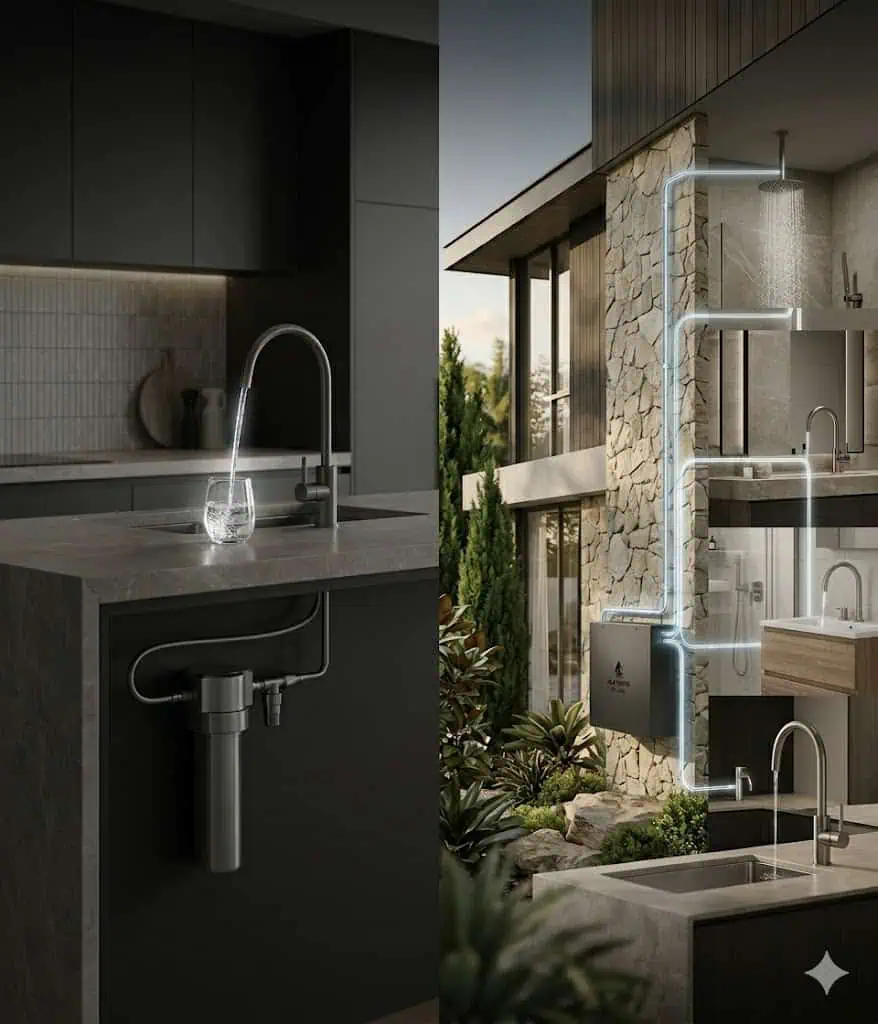
    Most Australians begin by looking at a smaller point-of-use filter. That makes sense as a first step, but it only treats water at one outlet. A complete home filtration system treats the water where it enters the property, which means the benefits flow across the kitchen, showers, bathrooms, laundry and the rest of the home.

    That difference matters because many of the most frustrating water complaints in Brisbane do not show up only at the kitchen sink. They show up in the shower, around tapware, on glass, in the laundry, and in the way the whole home feels day to day.

    To make the bigger picture easier to understand, here is a simple guide to how PFAS concerns, local water quality, and complete home filtration fit together for Brisbane homeowners.

    Home water quality guide for Brisbane 2026 explaining PFAS, complete home filtration, and water solutions for town, tank, and bore water
    A practical Brisbane 2026 home water quality guide covering PFAS, point-of-use vs complete home filtration, and the right approach for town, tank, and bore water.

    For many homes, the real decision is not just about one contaminant. It is about choosing a practical whole-home approach that improves water quality, comfort and confidence at every tap.

    Feature Jug or under-sink filter Complete home filtration
    Drinking water improvement Yes, but only at one outlet. Yes, while also improving the rest of the home water experience.
    Shower water No meaningful whole-home impact. Yes — the system treats water before it reaches showers and bathrooms.
    Every tap coverage No. Yes — kitchen, bathrooms, laundry and the rest of the home.
    Chlorine smell support Only where the small filter is fitted. Broad property-wide benefit when the system is properly specified.
    Plumbing and appliance support No. Yes — a whole-home approach supports fixtures, wet areas and connected appliances.
    Best fit Small, single-point improvement. Homeowners wanting a premium all-home result rather than a partial fix.

    What to say honestly

    Can a whole-home system remove PFAS?

    This is where straight answers matter. Not every home filtration setup is designed specifically for PFAS reduction, and not every cartridge media performs the same way. Performance depends on the exact chemistry involved, the media used, the contact time, the system design and the conditions of the water itself.

    That is why premium advice should never overclaim. The smarter homeowner question is usually broader: what do I want this system to improve across my whole home? For many Brisbane households, the answer includes chlorine or chloramines, sediment, rust, scale support, better shower comfort and cleaner water across every tap.

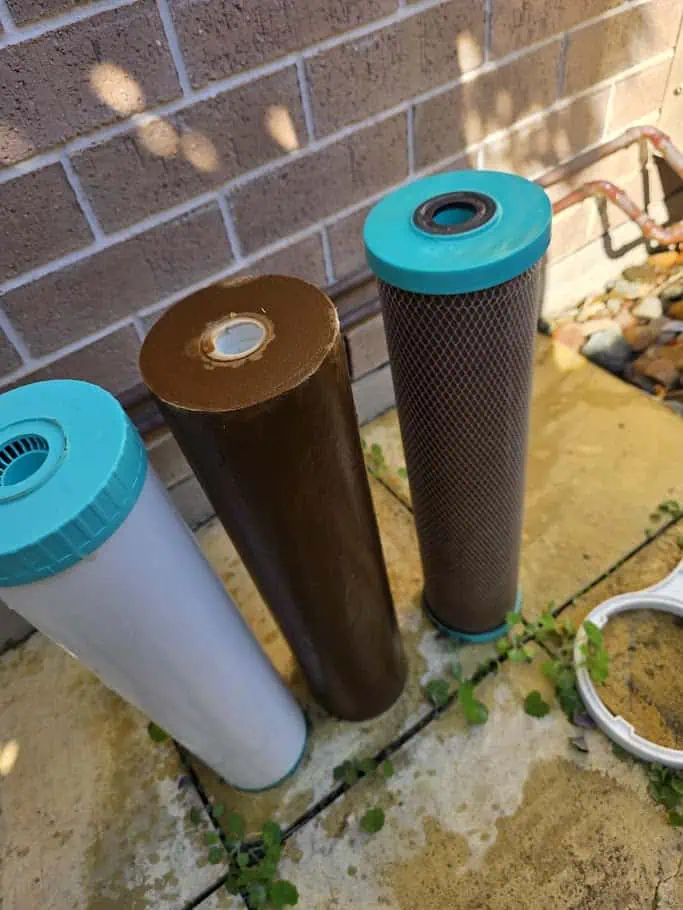
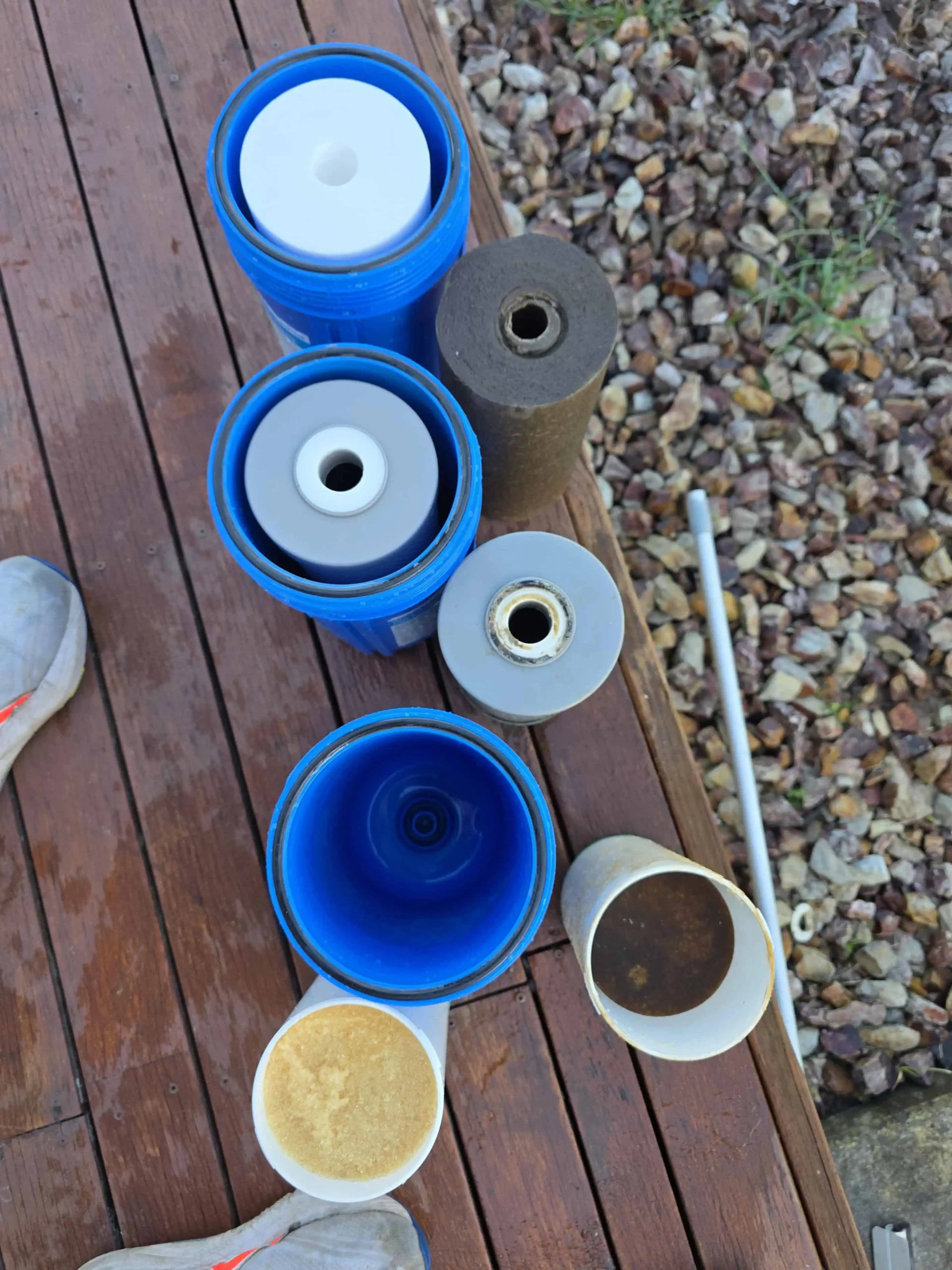
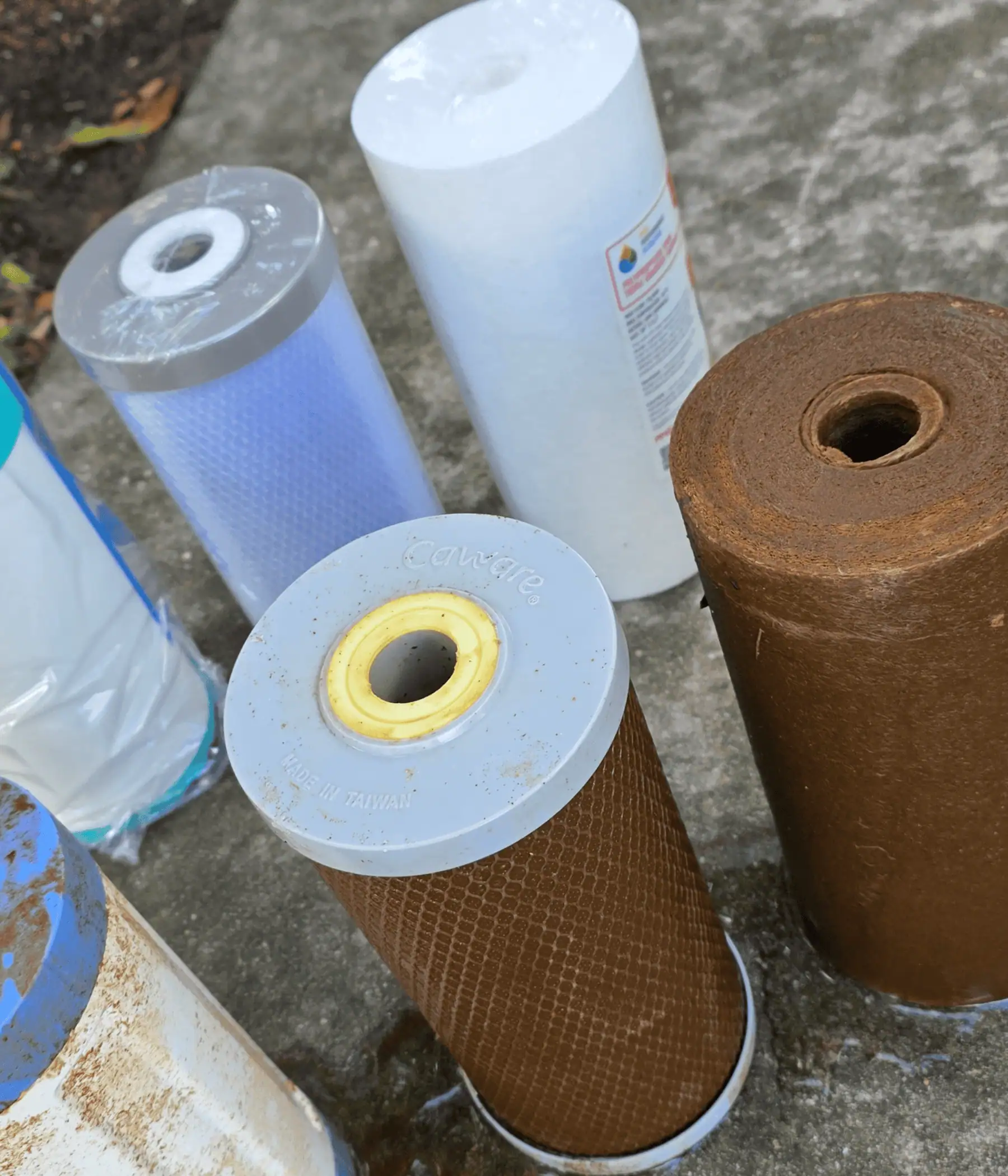
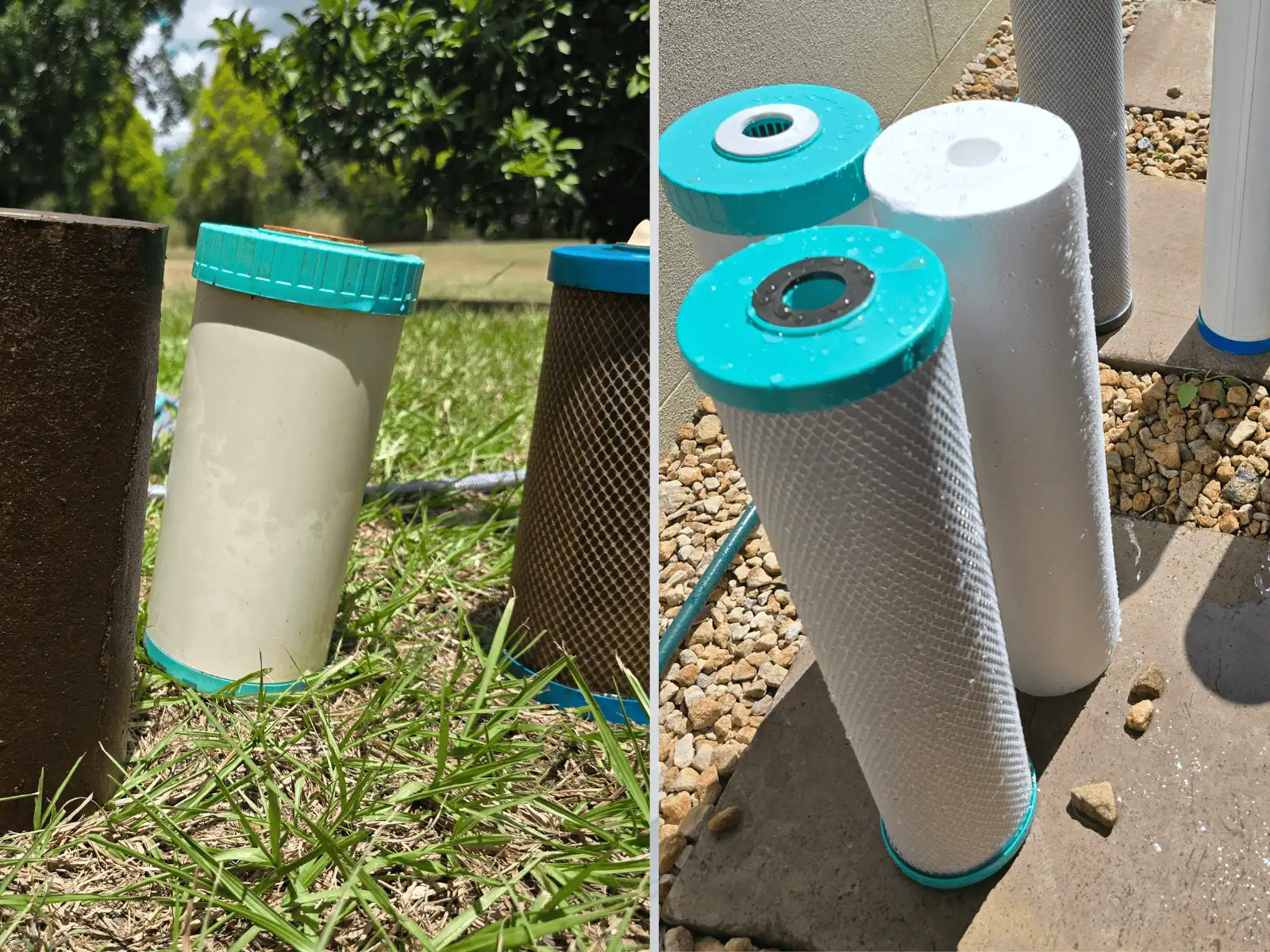
    Dirty filter showing visible proof from Jila Water complete home filtration in Brisbane

    Visible proof still matters

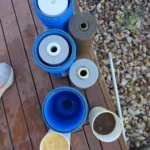
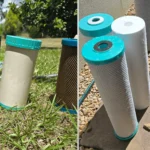
    One of the strongest ownership benefits of complete home filtration is that homeowners can often see what is being trapped over time. Dirty sediment filters make the value easier to understand because the proof is not theoretical it is sitting in the spent cartridge instead of continuing through the home.

    That is one reason premium whole-home systems often feel more tangible than a generic specification sheet alone.

    Why homeowners still move forward

    Why complete home filtration still makes sense for many Brisbane and SEQ homes

    Better water at every tap

    Not just drinking water. Showers, bathrooms, laundry and the rest of the home all benefit when the system is placed at the entry point.

    Better shower comfort

    Many families first notice the difference in chlorine smell, general harshness, and the way their skin and hair feel after showering.

    Support for fittings and appliances

    Sediment, rust and scale can affect more than comfort. They can also affect the long-term cleanliness and wear of wet areas and appliances.

    Premium installation and finish

    A whole-home system is a major upgrade. It should look considered on the wall and be installed properly by licensed plumbers.

    Better fit for premium homes

    Homeowners investing in their property usually want a solution that feels intentional, serviceable and built to last.

    Confidence, not guesswork

    The value is not only in what a system removes. It is also in the peace of mind that comes from understanding your water and treating it properly.

    Different homes, different water

    Town water, tank water and bore water do not need the same filtration strategy

    Brisbane and SEQ mains water

    Most metro households are focused on chlorine or chloramines, sediment, rust, scale and improving the feel of the water used every day throughout the home.

    Tank water homes

    Tank systems often need a different priority list, including sediment, organic matter, bacteria risk and seasonal variability from roof runoff and storage conditions.

    Bore water properties

    Bore water can present more complex chemistry, including minerals, metals, hardness, smell, staining and source-specific treatment needs. Jila Water has also written about the PFAS filtration breakthrough behind its current systems.

    What this means for buying

    The best system is not simply the cheapest one online. It is the system matched to your water source, flow demand, household size and what you actually want to improve. Jila Water installs across South East Queensland, including whole home filtration in South Brisbane. Related reading: why tap water tastes like dirt, metal or chlorine.

    Buying guide

    What to look for in a premium complete home filtration system in 2026

    1. Australian-made or Australian-assembled quality. This is not a throwaway purchase. Materials, presentation, serviceability and support all matter.
    2. Multi-stage treatment built for real household use. A premium system should do more than one job and suit real water conditions.
    3. Proper high-flow design. The right system should be sized for family living so performance feels strong across normal daily use.
    4. Licensed installation. Correct fit-off, clean placement and long-term reliability matter just as much as the cartridge list.
    5. Clear support after installation. Annual filter changes, reminders and direct local support make ownership easier and more premium.

    Frequently asked questions

    Answers to the last few questions before you book

    Is PFAS in Brisbane water a reason to panic?

    No. The better response is to stay informed, understand the official guidance, and make practical decisions about the water quality you want throughout your home.

    Does showering expose me to PFAS in a meaningful way?

    Current Australian guidance has said PFAS exposure through showering and bathing is considered negligible. For most homeowners, the stronger shower-related reason to filter is chlorine-related smell and general shower comfort.

    Is a jug filter the same as complete home filtration?

    No. A jug or under-sink filter improves one point of use. Complete home filtration treats water at the point it enters the home so the benefits extend across the whole property.

    Do all homes need the same system?

    No. Town water, tank water and bore water often require different treatment priorities. Household size and flow demand matter too.

    What is the biggest benefit of complete home filtration?

    For many homeowners, it is confidence: better water at every tap, a more comfortable shower experience, visible proof through used filters, and a professionally installed system matched to the home.

    Free home water assessment

    Get clear advice on what is worth filtering in your home and what is not

    If you want straightforward guidance on your water source, household size and whether complete home filtration is the right fit, book a free home water assessment with Jila Water. No pressure. No generic script. Just a better path to filtered water at every tap.

    Talk directly with James Call 0401 743 868 for practical advice and a tailored recommendation.
    Best next step Book your free home water assessment and get the right system size and setup for your home.
    This article is educational in nature and is designed to help Australian homeowners understand current water-quality conversations and complete home filtration options. It is not medical advice and should not be read as a claim that guideline-compliant drinking water is unsafe. For the latest official PFAS guidance and local supply updates, see NHMRC, Seqwater and Queensland Health.
  • Whole House Water Filter Installation Guide for Australian Homes: Small Filters, Servicing, and What to Know Before You Buy

    Whole House Water Filter Installation Guide for Australian Homes: Small Filters, Servicing, and What to Know Before You Buy

    Whole House Water Filter Installation Guide

    Whole House Water Filter Installation Guide for Australian Homes: Small Filters, Servicing, and What to Know Before You Buy

    Thinking about installing a whole house water filter? This guide helps Australian homeowners compare small filters vs complete home filtration, understand servicing, and know what to check before investing in a system designed to improve water at every tap. For pricing context, see the 2026 cost guide for a complete home filtration system, and for the technology itself, the whole home water filter system guide.

    4.9 / 5 average customer rating 1000+ Google reviews and real homeowner feedback Installed across Brisbane & SEQ Licensed plumbers and premium installed finish
    Whole house water filter installation at premium Australian home
    A better water experience starts before the first shower, glass of water, or filter change.
    Better than a single tap fix Compare small point-of-use filters with complete home filtration so you can choose the right level of protection.
    Professional installation matters A whole-home system should look considered on the property and remain easy to access for future servicing.
    Built around homeowner pain points Chlorine smell, sediment, scale, shower comfort and the overall feel of water throughout the home.
    Assessment-first advice Get a recommendation based on your property, water source and household needs instead of guessing from a product grid.

    Quick answer: is a whole house water filter worth it?

    A small water filter for home can be a smart first step if you only care about drinking water from one tap. But if you want filtered water across the kitchen, showers, bathrooms, laundry and the rest of the home, a whole house water filter installation is the more complete option.

    That is the real difference between point-of-use filtration and complete home filtration: one improves a single outlet, while the other is designed to improve the water you actually live in every day.

    For many homeowners, the question is not whether water is “compliant”. It is whether the water at home tastes, smells and feels as good as it should across the whole property.

    Not sure whether you need a small filter or a full-home system?

    Start with a free home water assessment and get practical guidance on the right setup for your home, water source and goals.

    Compare Your Options

    Whole house water filters vs small water filters for home

    Many homeowners begin with a cheaper option first. The better question is not just what costs less today — it is what actually solves the problem you want fixed.

    Small Water Filter for Home

    Treats one outlet only

    Best for drinking water from a single tap, under-sink point, or benchtop setup.

    complete home filtration

    Improves water across the whole home

    Better for homeowners who want a premium whole-home water experience across kitchen, shower, bathroom and laundry.

    Small water filter for home compared with Jila whole house water filtration system

    One outlet versus every outlet — the difference between point-of-use filtration and complete home filtration.

    Small Water Filter for Home

    Best for one tap or drinking water only

    Jug filters, benchtop units and under-sink systems can be useful when you rent, want a lower upfront spend, or only care about water for drinking and cooking.

    • Useful entry point for one specific outlet
    • Lower upfront cost
    • Often enough for renters or temporary setups
    • Does not improve showers, bathrooms, laundry or whole-home water use
    complete home filtration

    Best for a better whole-home water experience

    A whole house water filter is installed where water enters the property so it can help improve the water delivered throughout the home.

    • Filtered water at every tap
    • Better fit for showers, bathrooms and laundry
    • Can support a more comfortable everyday water experience
    • Better suited to owner-occupiers wanting a premium long-term solution

    The simplest way to decide

    If your pain point is only taste at one kitchen tap, a smaller filter may be enough for now.

    If the frustration includes shower smell, water feel, sediment, scale or wanting cleaner water across the house, complete home filtration usually makes far more sense.

    Premium complete home filtration system installed at Brisbane home
    A professionally installed whole-home system should feel like a considered upgrade, not a patchwork fix.
    Installation Guide

    What whole house water filter installation actually involves

    A proper whole house water filter installation is more than adding a filter box outside the house. It should be matched to your home, your household size, your water source and the result you actually want.

    South East Queensland bulk water is publicly monitored and reported each month, and you can view Seqwater’s monthly water quality reporting for South East Queensland if you want to understand the broader context around local drinking water quality before comparing in-home filtration options.

    1

    Assess the home and water type

    Town water, tank water and private supplies can all need different treatment approaches. Good recommendations start with the right assessment.

    2

    Choose the right size and setup

    The system should match your household demand and how you actually use water day to day.

    3

    Select the best install location

    Placement affects access, protection, future serviceability and how the finished system looks on the home.

    4

    Install neatly and professionally

    A premium system should look intentional — not like a cheap afterthought strapped to the wall.

    5

    Allow for future servicing

    Good installation is not just about day one. It also makes filter changes and inspections easier later on.

    6

    Explain the ownership path clearly

    You should understand what the system does, what it does not do, and what the servicing schedule is likely to look like.

    Premium complete home filtration system professionally installed at Brisbane home
    Clean presentation A premium installed result should suit the home visually, not fight against it.
    Licensed installation Done properly from the start so the system feels like a serious upgrade, not a compromise.
    Right-sized setup Smaller homes and larger family homes can need very different flow and housing requirements.
    Easier servicing later The best installations make future filter changes cleaner, faster and far less frustrating.

    Can you install a whole house water filter yourself?

    Many homeowners search for installing a whole house water filter because DIY seems cheaper at first. But whole-home systems affect the incoming water supply to the property, and poor installation can lead to awkward placement, messy presentation, harder servicing and a less premium outcome.

    In Queensland, most regulated plumbing and drainage work must be carried out by a licensed contractor, and you can read the QBCC home owner’s guide to plumbing matters if you want to see how Queensland frames licensed plumbing responsibilities around residential work.

    Why professional installation usually makes more sense

    • Better system sizing and placement
    • Cleaner pipework and overall presentation
    • Easier access for servicing later
    • Less guesswork around the upgrade
    • A more premium finished result for the home
    Real Jila whole house water filter installation proof at Brisbane home
    Real-world install proof — neat placement, clean lines, and a finished result that suits the home.

    Why real install photos matter

    Comparison graphics help explain the idea, but real installed photos help homeowners trust the execution. This is the kind of proof that shows whether a system will actually look premium once it is on the wall and connected to the home.

    For Jila Water, installation quality is part of the product — not an afterthought once the sale is made.

    Long-Term Ownership

    Home water filtration system service: what it really includes

    Buying the system is only one part of the story. Good home water filtration system service is what helps protect performance, convenience and confidence over time.

    Some people notice chlorine or chloramine taste and odour in treated water even when the supply is compliant, and you can read the NHMRC Australian Drinking Water Guidelines on taste and odour for more context on how disinfectants can affect the way water tastes and smells.

    Filter replacement

    Cartridges need changing at the right interval based on your water source, household usage and sediment load.

    System inspection

    A proper service should check housings, seals, fittings and overall system condition, not just swap a cartridge and leave.

    Clear next-step advice

    You should know what was done, what to expect next, and how to keep the system performing properly.

    Why serviceability matters before you buy

    A system that is difficult to reach, awkward to open or poorly placed becomes frustrating to own. That is why installation and servicing should always be considered together.

    For Jila Water, the ownership path should feel cleaner and more premium from first enquiry through to replacement filters and long-term support.

    Home water filtration system service with replacement filters and housing inspection
    Proper servicing keeps whole-home filtration performing the way it should.
    Dirty replacement filters from Jila complete home filtration system in Brisbane
    Dirty filter proof gives homeowners visible confidence that captured contaminants are being stopped before they keep circulating through the home.

    Why dirty filter proof matters

    One of the strongest trust signals in complete home filtration is visible proof. When homeowners can see what replacement filters have captured over time, the value of proper servicing becomes far easier to understand.

    This kind of proof does not replace water testing or good advice, but it does help make the benefit of ongoing filtration feel real and immediate.

    Want filtered water at more than one tap?

    See why Jila Water focuses on complete home filtration rather than one-tap fixes and generic plastic setups.

    Local Water Context

    Brisbane and SEQ water context: what homeowners should know

    Town water in South East Queensland is treated and monitored, but for homeowners the more practical question is often whether the water at home tastes, smells and feels as good as it should across the full property.

    If your property relies on tank water or a private supply, it is worth understanding that treatment needs can be different, and Queensland homeowners can read Queensland Health’s roof harvested rainwater guidance for a plain-English overview of maintenance, storage and household use considerations.

    Town water homes

    Many homeowners want help with chlorine smell, taste, shower comfort, sediment and the general feel of water around the home.

    Tank water homes

    Tank water can need a different treatment strategy depending on storage, maintenance and how the water is being used.

    Private or rural water

    These properties often need a more tailored approach depending on water quality, sediment and overall treatment goals.

    Assessment-first is smarter

    The right solution depends on the actual water source and the property setup — not just whichever product is cheapest online.

    Before You Buy

    What to check before choosing a whole house water filter

    Ask these six questions first

    • What am I actually trying to improve — taste, smell, sediment, scale, shower comfort or all of the above?
    • Do I want filtered water at one point or throughout the home?
    • Is the system sized correctly for the household?
    • Will the installed result look neat and premium?
    • How easy will future servicing be?
    • Is the setup right for my actual water source?

    Who a whole-home system usually suits best

    This kind of upgrade is usually the best fit for owner-occupiers, families, premium renovations, and homeowners who want cleaner water across the home rather than patching together smaller fixes.

    If you only want filtered drinking water at one outlet, a small water filter may still be the right option for now. Good advice should help you choose well, not push the same answer on everyone.

    FAQ

    Whole house water filter installation FAQs

    What is a whole house water filter installation?

    A whole house water filter installation connects a filtration system to the main incoming water line so water can be treated before it reaches the kitchen, bathrooms, showers, laundry and the rest of the home.

    Is installing a whole house water filter worth it in Australia?

    It can be worth it when you want more than filtered drinking water at one tap. For many Australian homeowners, the value is in improving the overall water experience across the whole home.

    What is the difference between a small water filter for home and a whole house filter?

    A small filter usually treats water at one point, such as a jug, benchtop unit or under-sink outlet. A whole-house system treats water as it enters the home so multiple outlets can benefit.

    How often does a home water filtration system need service?

    Service intervals depend on water source, household usage, sediment load and the filter stages installed. A good service plan should match the actual system and the local conditions.

    Can a whole house filter work for tank water or private water supplies?

    Sometimes, but not always on its own. Tank water and private supplies can need a more tailored treatment approach depending on water quality, storage and intended use.

    Where should I go next if I am still deciding?

    The best next step is usually to book a free home water assessment, compare the whole-home options, or speak with Jila Water directly about your property and what you want to improve. To go deeper, our Puretec vs Complete Home Filtration vs Jila Water comparison and the Brisbane home filtration system guide weigh up the options, while the replacement filter and servicing page explains ongoing care.

    Best Next Step

    Get advice matched to your home before you buy

    Whether you are comparing a small water filter for home or planning a full whole house water filter installation, the smartest next move is a tailored recommendation based on your home, water source and goals. Outside South East Queensland, Jila Water also installs whole home water filtration in Melbourne, and the enclosure matters outdoors — see plastic vs stainless steel filter covers.

    Prefer to speak directly? Call James on 0401 743 868 Or call 1300 30 10 37
    The Dangers of Fluoride in Tap Water: Why Complete Home Water Filtration is Essential
    Whole House Water Filter
    James Grady

    Fluoride in Tap Water Australia

    Discover the dangers of drinking tap water with fluoride and why a complete home water filtration system is crucial. Learn how to safeguard your health and remove fluoride from your drinking water

    Read More »
    Whole House Water Filter
    James Grady

    The Importance of Water Testing & Identifying Contaminants

    Water testing helps Brisbane and SEQ homeowners understand what may be affecting their tap, tank or bore water before choosing a filtration system. This guide explains common contaminants, water quality warning signs, and when to book a free Jila Water home water assessment.

    Read More »
  • How Much Does a complete home filtration system cost in Brisbane 2026?

    How Much Does a complete home filtration system cost in Brisbane 2026?

    Brisbane Pricing Guide 2026

    How Much Does a complete home water filtration System Cost in Brisbane 2026?

    One of the most common questions we hear at Jila Water is simple: how much does a complete home filtration system actually cost in Brisbane? In 2026, a quality Brisbane-assembled system with professional installation typically ranges from $3,495 to $5,495, depending on your home size, flow requirements and water source. The size of the system is the biggest variable, so it helps to read our guide to what size whole house water filter you need alongside this page.

    That is an investment, but for many Brisbane families it becomes easier to justify when you look at the day-to-day value: filtered water at every tap, less chlorine smell through the home, less build-up on fixtures, reduced reliance on bottled water and a more premium ownership experience from day one.

    From $3,495 Installed pricing for standard Brisbane mains-water homes
    Licensed plumbers Professional installation designed to look clean and considered
    Assembled in Brisbane Premium triple-stage systems built for local conditions
    Assessment first No guesswork, no pressure, no one-size-fits-all script

    At the time this page was prepared, the latest available official Brisbane bulk-water report from Seqwater showed average total chlorine around 3.0 mg/L, with calcium and magnesium levels that point to moderate hardness in many Brisbane supply areas. That helps explain why many homeowners first notice chlorine smell, scale and general shower discomfort before they start researching a system. View the official Brisbane report.

    Premium Brisbane shower lifestyle showing the comfort and value of complete home water filtration
    See the value every single day Filtered water across showers, bathrooms, laundry and kitchen creates a more premium home experience from day one.
    Compact premium protection
    Jila Residence 10 complete home water filter for Brisbane homes

    Jila Residence 10

    Best for most smaller to medium Brisbane homes wanting premium complete home filtration without oversizing the setup.

    From $3,495

    Installed price including GST for standard Brisbane mains-water installations.

    ~$29 / month Spread over 10 years
    Best for 1–2 bathrooms Smaller to medium households

    What is included?

    • Premium triple-stage filtration system, designed, assembled and pressure-tested in Brisbane for South East Queensland conditions
    • Professional installation by licensed plumbers, usually completed in a single day
    • First full set of replacement filters
    • WaterMark certified components
    • System testing and on-site water quality explanation
    • 3-year parts warranty (extendable up to 10 years with genuine annual filters) plus ongoing local support
    Transparent installed pricing

    2026 pricing guide: Jila Residence 10 vs Jila Estate 20

    These are installed guide prices for standard Brisbane mains-water homes. Tank, bore or higher-complexity setups may need tailored media or extra fittings, but the starting point below gives you a realistic benchmark for premium complete home filtration in Brisbane.

    System Best for Installed price (2026) Monthly equivalent over 10 years
    Jila Residence 10
    10" triple-stage system
    Most 3–4 bedroom Brisbane homes with moderate water demand From $3,495 ~$29 per month
    Jila Estate 20
    20" triple-stage system
    Larger homes, multiple bathrooms or higher whole-home flow demand From $4,995 ~$42 per month

    Prices include GST and are based on standard Brisbane mains-water installations. Existing plumbing layout, access, flow requirements and water source can affect the final quote.

    What you are actually paying for

    Complete home filtration is more than just filter housings on a wall

    Cheaper imported systems can look attractive upfront, but price alone never tells the whole story. The long-term difference is usually in system sizing, flow performance, component quality, finish, installation standard and what happens when you need advice or support later.

    Professionally installed Jila whole-home water filtration system at a South Brisbane home
    A clean installation is part of the product Premium whole-home filtration should look deliberate, neat and built to suit the property rather than improvised on the day.
    01

    Properly sized performance

    The right system should suit your property and flow demand, not force the home to adapt around an undersized setup.

    02

    Professional installation

    A premium whole-home system should feel intentionally installed, not like a DIY afterthought with messy plumbing and compromises.

    03

    Premium ownership experience

    From the finish and enclosure to future servicing and support, the overall experience matters just as much as the day-one price.

    04

    Long-term value

    When maintained properly, a quality system can deliver years of value across showers, bathrooms, kitchen, laundry and appliance protection.

    Why Brisbane families look into it

    Why the investment makes sense for many Brisbane homes

    For most homeowners, the conversation does not begin with technical filtration media. It begins with real-world frustrations: chlorine smell in the shower, a rougher feel on skin and hair, scale on taps and glass, and the feeling that the home’s water could be better across the board.

    The latest Brisbane bulk-water reporting from Seqwater and the Australian Drinking Water Guidelines are useful context here. Water can be fully compliant and still have characteristics that some households would rather improve for taste, odour and everyday comfort. That is exactly where a properly specified complete home system becomes relevant.

    Premium Brisbane kitchen lifestyle showing filtered water at the kitchen tap
    Kitchen confidence Better everyday water for drinking, cooking and the parts of the home people use most often.
    Brisbane shower lifestyle image showing the comfort benefits of complete home filtration
    Shower comfort Less chlorine smell and a more comfortable daily shower experience are often what spark the first enquiry.

    Homeowners often report value in areas like:

    • Less noticeable chlorine smell through bathrooms and showers
    • Softer-feeling skin and hair after a few weeks of use
    • Reduced visible scale and spotting on taps, shower screens and glassware
    • Better everyday confidence in the water used for drinking, cooking and washing
    • Less dependence on bottled water and point-solution workarounds

    Helpful official resources

    These links support the authority and context of the article without turning it into a technical report.

    What affects the final quote

    The final price depends on the home, not just the product

    The two main price anchors above are the right starting point, but the exact quote is still based on the property itself. That is why the best next step is always an assessment rather than a blind online checkout.

    A

    Home size and flow demand

    Larger properties, more bathrooms and higher simultaneous water use often point to the Estate 20 for better flow performance and longer service life.

    B

    Water source

    Standard Brisbane mains water is the most straightforward. Tank or bore water can still be very manageable, but may require different media or additional treatment stages.

    C

    Existing plumbing and access

    Older homes or tighter installation areas can sometimes need bypasses, fittings or layout adjustments. These are best identified on-site, not guessed from photos.

    Assessment-first process

    Ready to see the exact cost for your Brisbane home?

    The most accurate way to price your system is with a free home water assessment. That keeps the recommendation tailored, transparent and grounded in what your home actually needs.

    1

    Water check

    James looks at your water source, concerns and what you actually want improved across the home.

    2

    Flow and setup review

    Your flow rate, household size and plumbing layout help determine the right system size and installation path.

    3

    Tailored recommendation

    You get a clear recommendation and installed quote based on your home, not a generic sales script.

    4

    No-obligation clarity

    Most assessments take around 30–45 minutes and give you a realistic picture of cost, value and next steps.

    FAQ

    Common pricing questions

    Is installation included in the Jila price?

    Yes. The guide prices on this page are framed as installed pricing for standard Brisbane mains-water homes, including GST.

    Why is a complete home system more expensive than a small under-sink filter?

    Because it is treating the water used across the home, not just one tap. That changes system size, flow requirements, installation complexity and long-term value.

    Will tank or bore water cost more?

    Sometimes. Different water sources can require different filtration media or added treatment steps, so they are best quoted after assessment.

    Which system suits most Brisbane family homes?

    Many standard homes can suit the Residence 10, while larger homes or homes with higher demand often step into the Estate 20. The right answer depends on flow and usage.

    How often do filters need replacing?

    Most complete home systems are serviced around every 12 months, depending on water usage, sediment load and source-water conditions.

    Can I get an exact quote before committing?

    Yes. That is exactly what the free home water assessment is for. You get a tailored recommendation and clear pricing with no obligation.

    Free Home Water Assessment

    See the exact installed cost for your home.

    Get a tailored recommendation based on your water concerns, household size, flow demand and property setup. No pressure. No confusing upsell. Just a clearer path to premium filtered water at every tap.

    Designed & assembled in Brisbane Licensed plumbing installation Brisbane & SEQ service area Ongoing local support

    This page is written as an evergreen Brisbane 2026 pricing guide. Final pricing is subject to property-specific assessment, access, plumbing configuration and water source.

    Found this guide useful? Add Jila Water as a preferred source on Google.