Explore Jila Water articles, guides and insights covering whole home water filtration,
complete home water filtration systems, water filter installation, replacement filters,
Brisbane water quality, chlorine, sediment, scale, taste, odour and healthier water from every tap.
✓ Brisbane-based specialists
✓ Installed by licensed plumbers
✓ Premium whole-home systems
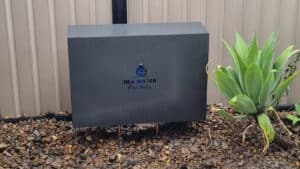
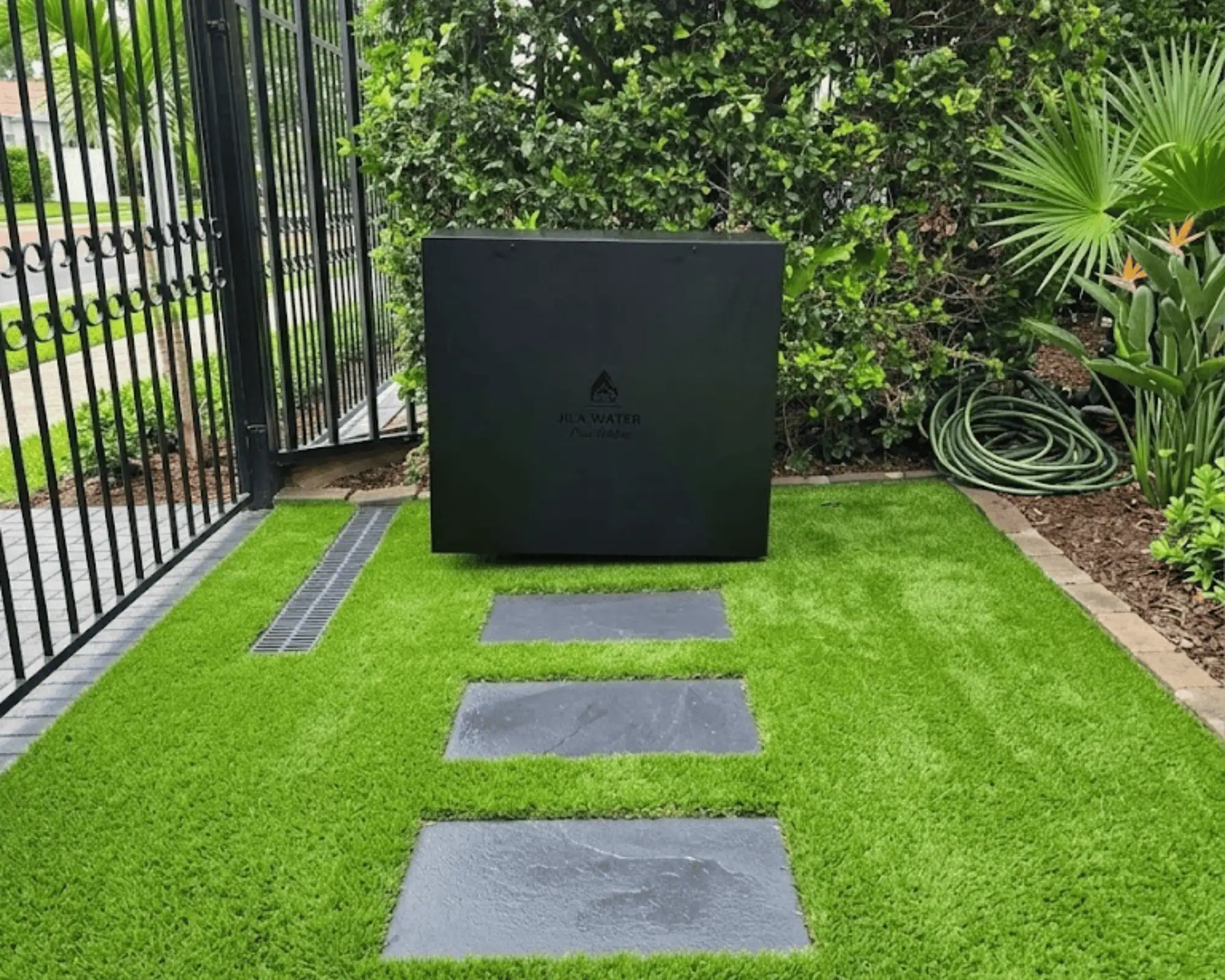
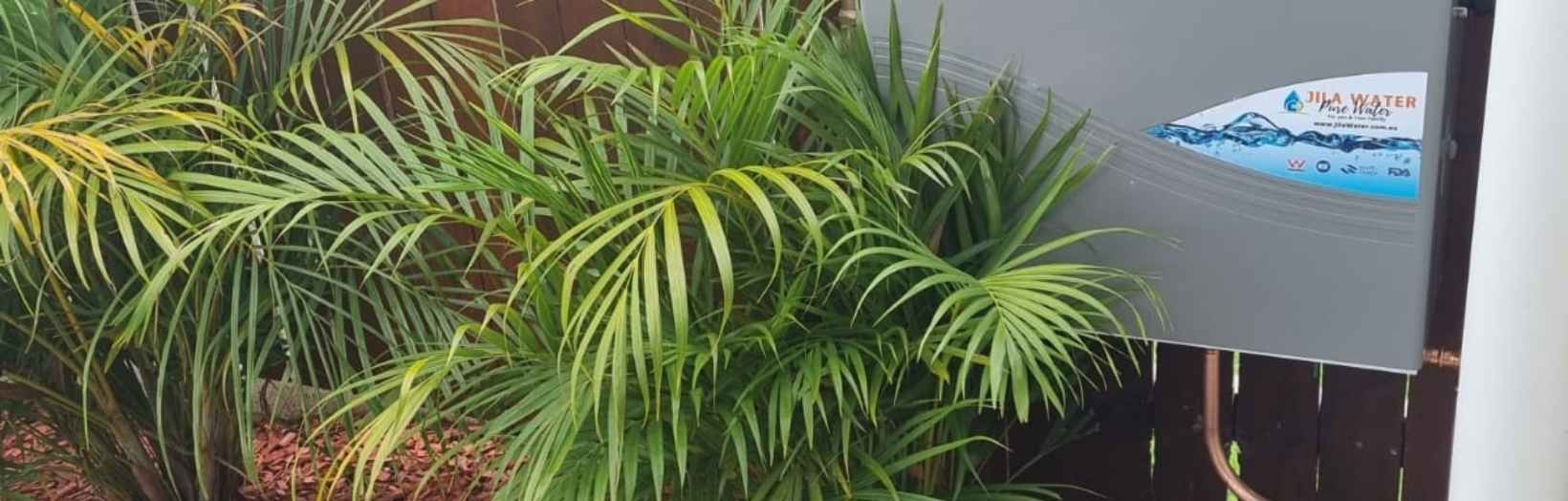
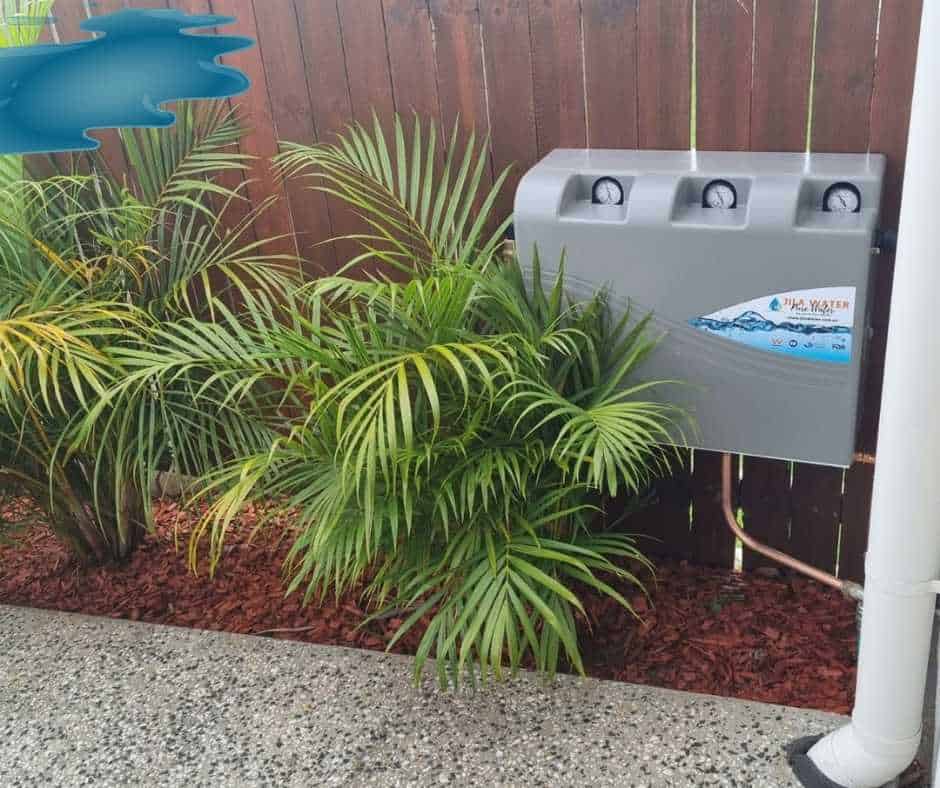
Premium Jila Water whole home filtration system installed for a Brisbane homeowner.
Whole Home Water Filtration, Explained Simply
Jila Water helps Brisbane and South East Queensland homeowners understand what is really
coming through their taps and how a professionally installed whole home water filtration system can improve water throughout the kitchen, bathrooms, showers, laundry, and outdoor taps.
This category brings together practical guides on water filtration systems, filter replacement,
chlorine reduction, sediment protection, water quality testing, system sizing and what to look
for when choosing a complete home water filtration system in Queensland.
Water is a crucial part of our health. Aside from keeping us alive, water contributes to the well-being of our digestive system. Keep on reading to learn more about how water affects your gut.
How Does Water Aid With Digestion?
You might not know just how vital water is for digestion. It helps to break up the food in your stomach and for the food to transport more quickly through your intestines.
When your body is dehydrated, the digestive process can become sluggish. To meet your daily water intake requirements (around 8 cups a day), drink water throughout the day.
Water also helps you get rid of waste. Unlike food, the water you drink does not become waste. Therefore, it will help move things along your digestive tract and prevent blockages.
After a meal, your body absorbs some nutrients from food and converts them into energy. The remaining waste is then stored in the digestive tract.
The kidneys are responsible for removing waste from the body. A significant part of their job is to help filter urine and excrete it into the bladder. Water keeps the kidneys healthy and functioning correctly.
How Does Water Help With a Healthy Bowel?
Water keeps the bowels hydrated and helps prevent constipation and other digestive disorders. The colon is an integral part of the digestive tract—it is the part of the large intestine responsible for getting rid of waste. Water helps dilute the waste and make it move through the large intestine. When waste doesn’t move through the large intestine, it can cause problems.
Without enough water, waste will sit in the colon. This can lead to constipation. In addition to causing bowel movements to become difficult and painful, they can also cause other health problems.
For example, water helps ease the pain from hemorrhoids. It also relieves the pain of anal fissures, an open sore on the skin around the anus.
What Are the Other Benefits of Water?
Now that we know the role of water in maintaining a healthy gut, it is also essential to recognise the other benefits of water. Water has many benefits, and we literally can’t live without it. The most important benefits are:
If you want every tap covered rather than one outlet, whole house water filtration treats the water where it enters the home.
1. It Helps Your Immune System
You might not know it, but our bodies are leaking water. Even if you are careful about drinking water, you might be losing water through your skin and breathing.
This is not a big problem as our bodies have the physiology of retaining water most of the time. However, when we do not get enough water, the body will not be able to retain enough water, which can affect our immune system. This means that we will end up feeling more tired and stressed, which, in the end, can make us more susceptible to illnesses.
2. It Keeps You Feeling Full For Longer
If you are looking to lose weight or maintain a healthy weight, water can help you be satisfied with smaller portions of food. This is because water fills up your stomach. When you drink water before a meal, you will feel fuller quicker, helping you consume fewer calories.
3. It Helps You Feel Younger
Your skin and body are made up of water. Therefore, when your body lacks water, it can hurt your skin. You will end up with dried and wrinkled skin. Meanwhile, water provides a bright glow.
Conclusion
As you can see, water is extremely important for your body. It helps with digestion, bowel movement and more. Even if you are eating properly and getting enough water in your diet, it is important to ensure you are getting enough of it. If you are struggling to stay hydrated, you can drink more water throughout the day with the help of a water tracker. You can also add a few ice cubes to a glass of water. This can help you feel more refreshed.
Make sure you always have access to clean water at home by getting a clean water filter installed by Jila Water. We work with the homes of Queensland to make clean and filtered water more accessible. Contact us today!
Discover the dangers of drinking tap water with fluoride and why a complete home water filtration system is crucial. Learn how to safeguard your health and remove fluoride from your drinking water
Water testing helps Brisbane and SEQ homeowners understand what may be affecting their tap, tank or bore water before choosing a filtration system. This guide explains common contaminants, water quality warning signs, and when to book a free Jila Water home water assessment.
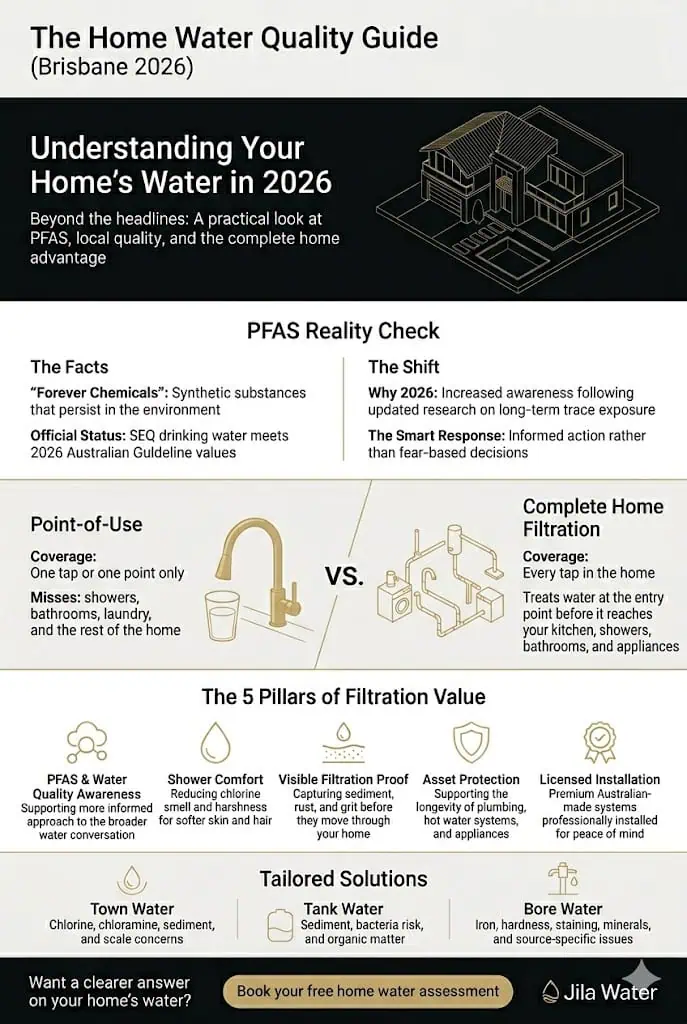
Concerned about PFAS in Brisbane water? This practical 2026 guide explains what homeowners need to know, what current Australian advice means, and where complete home filtration fits.
The Importance of Water Testing & Identifying Contaminants!
Home › Blog › identifying contaminants found in water
There is a growing list of things we cannot take for granted. One of the most important ones is clean water. After all, we cannot survive without water, but we have a limited resource. If we are not careful, water may be contaminated, and you can risk your health and that of your loved ones.
Wherever you may be sourcing your water supply, you must regularly do water testing. Why is water testing important? What are the problems you can identify through water testing? Keep on reading to find out.
What Is Water Testing?
Water testing is the process of identifying contaminants present in a given water supply. Once a contaminant is identified, it can be removed if possible or further tests can be conducted to determine its source.
While you would think that the water that comes out of your faucet should be safe and clean, this is not always the case. Water can contain a number of contaminants, ranging from simple things like silt to more complex contaminants like heavy metals.
Often, heavy metals will come from industrial processes (such as mining) and can be toxic for humans. In order for you to be able to help your body fight these contaminants, it is crucial that you regularly undergo water testing.
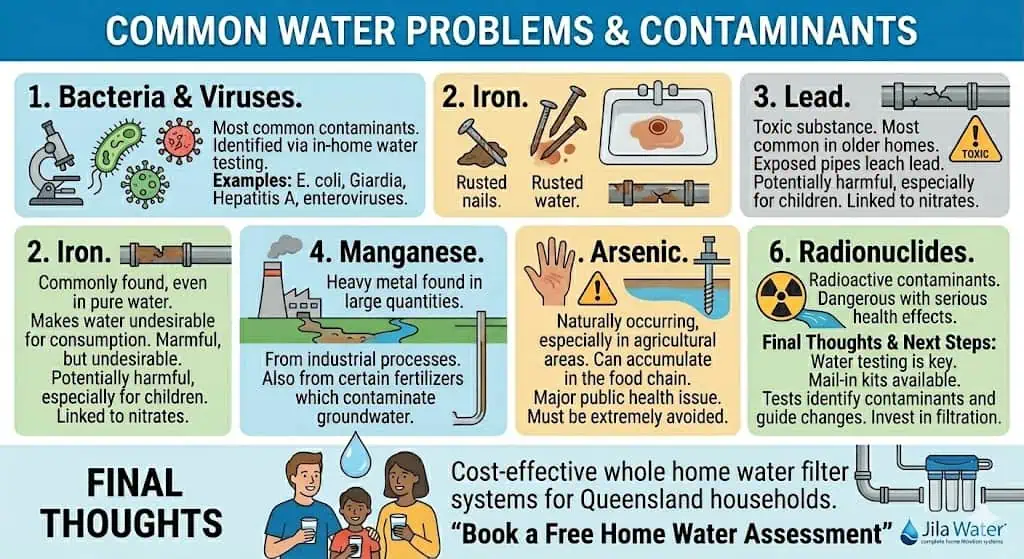
What Are the Common Problems with Water?
There are various things that can happen to water depending on its source, which is water testing. Water can be contaminated with a number of things, including:
1. Bacteria and Viruses
These types of contaminants are often the most common in contaminated water, and they can be easily identified through personal in-home water testing. These contaminants can include bacteria such as E. coli and Giardia, as well as viruses such as hepatitis A and enteroviruses.
2. Iron
Iron is a commonly found contaminant in water supplies. It is also commonly found in water that is pure. Iron is not necessarily harmful, but it can make the water undesirable for consumption and home water treatment may be needed to reduce it.
3. Lead
Lead is a toxic substance that can be found in water, most commonly in older homes. When lead pipes are exposed to certain chemicals, they can leach poisonous lead into the water. Lead can contaminate water with increased levels of nitrates. Lead can be especially harmful to children.
If you want a recommendation for your own property, the free home water assessment is the place to start.
4. Manganese
Manganese is another heavy metal that can be found in water. Manganese can be found in large quantities in water coming from industrial processes. It can also be found in some types of fertilizer, which can end up in groundwater.
5. Arsenic
Arsenic naturally occurs in the earth and then can be found in groundwater, especially in agricultural areas. Arsenic can accumulate in the food chain and can cause cancer. Arsenic poisoning is a major public health issue, which means it must be avoided extremely.
6. Radionuclides
Radionuclides are another type of contaminant that is commonly found in water and can be especially dangerous. Radionuclides are radioactive, and they can have serious health effects on humans.
Final Thoughts
Water testing is extremely important in making sure that your water is safe for you to drink. If you are not able to conduct these tests yourself, you can turn to mail-in water testing kits for help. In addition to identifying water contaminants, a water test will provide you with the information to make the appropriate changes to your water supply.
If you want you and your family to be safe with water you take, you should invest in a water filtration system, like what we offer on Jila Water. We offer cost-effective water filter systems for Queensland households. Get started by messaging us today for a free home water testing kit.
Discover the dangers of drinking tap water with fluoride and why a complete home water filtration system is crucial. Learn how to safeguard your health and remove fluoride from your drinking water
Water testing helps Brisbane and SEQ homeowners understand what may be affecting their tap, tank or bore water before choosing a filtration system. This guide explains common contaminants, water quality warning signs, and when to book a free Jila Water home water assessment.
Concerned about PFAS in Brisbane water? This practical 2026 guide explains what homeowners need to know, what current Australian advice means, and where complete home filtration fits.
How to Choose the Right Water Filter for Your Home in Australia
Choosing a water filter for your home should not feel like guessing between a cheap kitchen gadget, a hard-sell system, and ten different opinions online. This guide breaks down how to choose a water filter for your home, what the different filter types actually do, and when a whole-home solution makes more sense than filtering one tap. If whole house filtration is on your shortlist, the whole home water filter system guide explains the stages, and the complete home filtration cost guide shows what an installed system involves.
Whole-home thinking • Brisbane and SEQ friendly • Mains water and tank water guidance
Choosing a water filter is really about matching the system to the problem
Most people do not start by searching for “point-of-entry water filter” or “mixed-bed ion exchange resin”. They start with a frustration. The water smells like chlorine. The shower leaves skin feeling dry. The glassware spots easily. The tank supply feels uncertain. Or the family simply wants more confidence in what they drink, cook with and bathe in every day.
That is why the best way to think about choosing a whole house water filter or any other home water filter is not to ask, “What is the fanciest unit online?” The better question is: What exactly am I trying to improve?
“I speak to homeowners every week who are close to buying the wrong system because they are comparing products before they are clear on the actual water issue. The right move is to start with the problem, the water source, and the daily experience you want.”
James Grady · Jila Water
For some homes, a simple under-sink drinking-water filter is enough. For others, that only solves one small part of the story. If your concern includes shower water, chlorine smell, sediment, tank-water reliability, scale, appliance protection or the overall feel of water through the house, you are no longer choosing a drinking-water-only solution. You are choosing between point-of-use and whole-home treatment.
That distinction matters. A small filter under the kitchen sink can be a great option for one tap. But it will not do anything for the shower you stand in every morning, the water running through your hot-water system, or the bathroom taps your family uses all day.
If you are comparing filter options online, it helps to group them into categories based on where they treat the water and what they are built to solve. This is where most confusion disappears.
Filter Type
What It Usually Does Best
Best For
What It Does Not Solve Well
Faucet or jug filterSimple, low-cost drinking-water improvement.
Refrigerator filterConvenient cold drinking water through the fridge.
Improves taste for chilled drinking water and ice.
Homes already using a filtered fridge system.
The rest of the house and most water-quality frustrations outside the kitchen.
Shower filterA point-of-use shower add-on.
Can help with selected shower-water issues depending on the media used.
People only focused on one shower outlet.
Kitchen, bathroom taps, hot-water system, laundry and full-home consistency.
Under-sink filterA point-of-use kitchen solution.
Filtered water for drinking and food preparation at one sink.
Homeowners wanting better kitchen water only.
Whole-home filtration, shower comfort, appliance protection and incoming sediment across the property.
Whole house / point-of-entry filterTreats water as it enters the home.
Broad improvement across taps, showers, kitchen, bathrooms and laundry.
Families wanting better water at every tap.
Very specific needs that require extra specialised stages if not designed correctly.
Tank-water filtration with UVBuilt for untreated or variable source water.
Can address sediment, taste, odour and microbial risk reduction where properly specified.
Rainwater and tank-water homes.
Guesswork. Tank water should never be treated like ordinary town-water selection.
The biggest insight here is simple: the more your concern affects the whole home, the more likely a whole-home system is the right category. If the issue is only what you drink at the kitchen sink, an under-sink solution may be enough. If the issue follows you into the shower, laundry, bathrooms or appliances, it is time to think bigger.
Image placement: comparison visual showing the difference between single-point filtration and complete home filtration.
Why source water matters
Brisbane and SEQ homes should choose differently depending on whether the water is mains, tank or both
One of the biggest mistakes people make when comparing water filters is assuming every home needs the same thing. It does not. Your water source changes the selection process immediately.
Mains Water
Queensland’s drinking water is regulated, monitored and disinfected. The Queensland Government notes that chlorine may be detectable because it is added to most drinking water to kill harmful germs, and a small residual remains as water travels through the network. That often means the water is safe, but not necessarily pleasant in taste, smell or everyday feel for every homeowner.
For mains-water homes, the most common drivers are chlorine taste and odour, shower comfort, sediment, plumbing protection, and wanting cleaner water across the property rather than only at one tap.
Tank Water
Tank water is a different conversation entirely. Queensland Health states that the owner is responsible for ensuring tank water is appropriate for its intended use, and its rainwater guidance notes that tanks can be contaminated by animal faeces, microorganisms and chemicals depending on the environment and collection system.
That is why tank water filtration system design should be more deliberate and can include staged sediment treatment, carbon, and often UV sterilisation depending on the setup and intended use.
Trusted guidance behind smart water decisions
Jila Water guides homeowners using real-world installation experience, but it also matters that the advice lines up with credible health guidance. Australia’s Australian Drinking Water Guidelines are maintained by NHMRC and undergo rolling revision, including significant June 2025 updates around PFAS, lead and other chemical guidance. That is why broad claims and generic one-size-fits-all product promises should always be treated carefully.
Signs you may need more than a basic drinking-water filter
Here is where homeowners usually realise a one-tap filter will not fully solve the problem. If several of these sound familiar, you are likely dealing with a broader water-experience issue rather than a simple drinking-water-only concern.
1. The shower tells you something is off
Your skin feels tight, your hair feels dry, or the bathroom smells stronger than you would like when the water is running.
2. The kitchen is not the only frustration
You are thinking about drinking water, but also noticing residue, taste, smell, or a general lack of confidence through the rest of the house.
3. Sediment or visible buildup keeps appearing
That could mean the home needs stronger upstream filtration rather than expecting a small point-of-use filter to carry the whole job.
4. You are on tank water
Tank water can require staged treatment and often deserves a more considered design than a generic online kit.
5. You want plumbing and appliance protection
That is naturally a whole-home conversation because the goal is not only taste at the sink.
6. You are renovating or upgrading the home
If you are already spending on the property, whole-home filtration often feels more like a proper long-term upgrade than an afterthought.
Image placement: whole-home system visual supporting the shift from one-tap thinking to full-home filtration.
Whole house water filter vs under sink filter: which one actually fits your goal?
This is one of the highest-intent decisions homeowners make, and the answer gets much easier once you stop comparing products and start comparing outcomes.
Under Sink Filter
Best for: people who only want filtered drinking and cooking water at one kitchen tap.
Great if your main goal is better-tasting kitchen water.
Usually more affordable than a full-home solution.
Useful when the rest of the home water experience is not a concern.
Limit: it does nothing for the water in your shower, bathrooms, laundry, hot-water system or incoming plumbing.
Whole House / Point-of-Entry Filter
Best for: families who want better water through the entire property.
Filters water as it enters the home.
Supports a cleaner experience across showers, bathrooms, kitchen, laundry and appliances.
Often the better fit for chlorine taste and odour issues, sediment concerns, whole-home comfort and broader daily use.
Limit: it needs the right design, proper installation and a realistic match to the source water and household needs.
The simplest rule: if you only care about one drinking tap, under-sink might be enough. If you care about what comes out of every tap, a point-of-entry water filter is the stronger direction.
That is also why more homeowners who begin by searching for an under-sink unit end up moving toward a premium complete home water filtration system once they realise the real problem is larger than the kitchen.
The practical buying framework
How to choose the right water filter for your home without wasting money
If you want a cleaner decision, use this sequence. It is the same one we use when helping homeowners narrow things down properly.
Step 1
Define the real issue. Is it drinking water only? Shower feel? Chlorine smell? Sediment? Tank-water uncertainty? Multiple issues at once?
Step 2
Identify the water source. Town water, tank water, or a combination changes the treatment path immediately.
Step 3
Match the treatment location. One-tap problem equals point-of-use. Whole-home problem equals point-of-entry.
Step 4
Choose for daily life, not brochure language. Think about showers, laundry, appliances, maintenance access and how the system will actually live with the home.
For mains-water homes
You are normally deciding between a small kitchen-only solution and a broader whole-home setup. If taste and odour at the sink is the only problem, under-sink can be enough. If you want cleaner water throughout the property, whole-home is usually the better fit.
For tank-water homes
Do not buy a generic “whole house” kit and assume it is enough. Tank water often needs a staged approach tailored to sediment load, storage condition, flow requirements and whether UV should be included.
This is also where a premium provider earns their place. A good provider does not just sell a cartridge count. They help you decide what the home actually needs and what it does not.
Image placement: visual illustrating the difference between limited one-point filtration and a complete home solution.
Low-pressure next step
Not sure whether you need under-sink, whole-home, or tank-water treatment?
Start with a free home water assessment. Jila Water helps homeowners work out whether the issue is mostly taste and odour, broader whole-home water quality, hard-water symptoms, tank-water risk, or a mix of all four.
No obligation. Just expert advice, a clearer recommendation, and a more confident next step.
Installation and upkeep
Installation, maintenance and what a premium setup should feel like
A big part of choosing the right water filter is not just filtration media. It is what ownership feels like after installation. The strongest systems feel integrated with the home, not like a cheap bolt-on compromise.
Professional sizing matters
Flow rate, connection size, source water, cartridge sizing and access for filter changes all matter. A premium system should be selected around the home, not just whatever is popular online.
Maintenance should be simple
You want clear replacement schedules, genuine filter kits and an easy path for ongoing service. Maintenance should feel predictable, not confusing.
Design still matters
If the unit is visible on the side of the home, finish quality, enclosure quality and installation neatness all become part of the buying decision.
For tank-water systems, the installation conversation is even more important. Pre-filtration, pump conditions, UV placement, service access and protection from the elements all need to be considered properly.
And if you are comparing offers, ask practical questions: Who installs it? What does replacement look like? What exactly is covered? Is the system designed for Australian homes, or is it just a generic import with nicer wording around it?
Why homeowners upgrade
The benefits of choosing the right filter go well beyond a nicer glass of water
The strongest water-filtering decisions are not based on fear. They are based on lifestyle improvement, comfort and confidence. When the system is matched properly to the home, the value usually shows up in multiple parts of daily life.
Daily comfort
Cleaner-tasting kitchen water
Better-smelling water where chlorine odour is a concern
A more pleasant shower experience
Less “why does the water feel like this?” frustration day to day
Whole-home confidence
Filtration begins before water moves through the property
Support for bathrooms, laundry and appliances, not just one sink
A more complete upgrade for families planning to stay in the home
Better alignment between the system and how water is actually used
That is why terms like whole home water filter benefits or complete home filtration matter so much more than simply asking whether a system “filters water”. The real question is: what part of home life do you want improved?
Image placement: homeowner-focused visual reinforcing that water-filter choice should start with the real problem being solved.
Avoid expensive guesswork
Common myths and mistakes people make when choosing a water filter
Myth: more stages automatically means better
A system is only as good as the job it is designed to do. Extra stages can sound impressive but do not guarantee the right result for your home.
Myth: one filter suits every house
Mains water, tank water, shower concerns, sediment and whole-home comfort are not all the same problem. The right system depends on the context.
Mistake: buying for the kitchen when the real issue is everywhere else
This is why homeowners often buy under-sink first, then later realise the bigger frustration was shower water or the whole-house experience.
Mistake: treating tank water like town water
Tank water should be assessed more carefully and can require a different filtration and sterilisation path.
Mistake: focusing only on product price
Low upfront price can hide poor fit, poor install quality, awkward maintenance and the need to replace the system sooner than expected.
Mistake: skipping expert advice entirely
The strongest buying decision is usually not the fastest one. A short conversation with the right provider can save a lot of money and frustration.
The best-performing systems are not always the most aggressively marketed ones. They are the ones that solve the actual problem cleanly, suit the home, and still feel like the right decision one, two and five years later.
Homeowners usually get the most value from whole-home filtration when they are trying to fix more than one thing at once. If that is you, a small point-of-use filter often feels like only a partial answer.
Families wanting better water at every tap
Not just for drinking, but for cooking, showering, washing and daily comfort throughout the home.
Homes with strong taste, smell or sediment concerns
If the issue is noticeable in more than one room, treating water at entry point usually makes more sense.
Tank-water properties
These homes often need a more serious system design and benefit from a provider familiar with rainwater and UV treatment pathways.
Homeowners upgrading the property properly
For many people, whole-home filtration feels like a considered home improvement rather than a temporary add-on.
People tired of piecemeal fixes
If you have already tried jugs, fridge filters or shower add-ons, whole-home treatment can be the cleaner long-term solution.
Homeowners who want expert guidance
The more variables involved, the more valuable a tailored recommendation becomes.
Frequently asked questions
Frequently asked questions about choosing a water filter for your home
What is the best type of water filter for a home?
The best type depends on the problem you are trying to solve. If you only want filtered drinking water at one kitchen tap, an under-sink system may be enough. If you want better water through showers, bathrooms, laundry and kitchen, a whole-house or point-of-entry system is usually the stronger fit.
How do I know if I need a whole house water filter or an under-sink filter?
Ask whether your concern is limited to one tap or affects the wider home. If the issue includes shower water, smell, sediment, plumbing or whole-home comfort, under-sink usually will not solve enough of the problem.
Is Brisbane mains water safe to drink?
Queensland drinking water is regulated and monitored, and mains water is disinfected. Many homeowners are not reacting to “unsafe water” claims so much as trying to improve taste, smell, shower feel and overall confidence in the water experience at home.
Does tank water need a different filter setup?
Yes. Tank water should not be treated like a basic mains-water selection. Depending on the home and system design, it may require sediment stages, carbon filtration and UV sterilisation to create a safer and more reliable supply.
What does “point-of-entry” mean?
Point-of-entry means the system treats water as it enters the property, before it reaches your taps and showers. It is another way of describing whole-house or whole-home filtration.
Can a whole-home filter help with chlorine taste and smell?
It can, depending on the system design and media used. This is one reason many homeowners move beyond one-tap filters and look at complete home filtration instead.
Do I still need an under-sink filter if I install whole-home filtration?
Not always. Some homeowners are happy with whole-home treatment alone. Others still prefer a dedicated kitchen stage for specific drinking-water preferences. It depends on the result you want.
How often do home water filters need servicing?
That depends on the system size, source water, cartridge type and household use. A good provider should give you a clear service pathway, not vague promises.
What is the best next step before buying?
Start with a proper home water assessment. That is the easiest way to understand whether the home needs an under-sink filter, a whole-home solution, tank-water treatment, or a more tailored combination.
Take the next step
Want help choosing the right water filter for your home?
The best decision starts with clarity, not pressure. Jila Water helps Australian homeowners look at the bigger picture — not just a random product list, but what the water is doing across showers, appliances, fixtures, plumbing and everyday life.
If you want help comparing a whole house water filter vs under sink filter, understanding your tank-water options, or working out whether a premium complete home filtration system is the right fit, start with a free assessment.
Free home water assessment with no obligation
Advice matched to your home, your water source and your priorities
Clear next steps into a premium whole-home solution where it makes sense
Ask about current offers, including installation promotions and bonus filter inclusions where available
No obligation. No pressure. Just a clearer path to better water at every tap.
Keep reading
Related Jila Water reading for homeowners who want better water at every tap
Use these next pages to move from broad research into a more confident whole-home decision.
Complete Home Water Filtration System
See how Jila Water approaches cleaner water at every tap, what the system is designed to solve, and why more Brisbane homeowners are moving beyond sink-only filtration.
If scale, mineral residue or hard-water symptoms are part of the story, this guide helps you understand where softening fits into the bigger whole-home picture.
Discover the dangers of drinking tap water with fluoride and why a complete home water filtration system is crucial. Learn how to safeguard your health and remove fluoride from your drinking water
Water testing helps Brisbane and SEQ homeowners understand what may be affecting their tap, tank or bore water before choosing a filtration system. This guide explains common contaminants, water quality warning signs, and when to book a free Jila Water home water assessment.
Concerned about PFAS in Brisbane water? This practical 2026 guide explains what homeowners need to know, what current Australian advice means, and where complete home filtration fits.
Should You Be Concerned About Fluoride In Tap Water
Of all the questions you commonly hear about tap water, the most common is probably this: Should fluoride be removed from tap water, or should it remain in it? After all, we’re told that all sorts of chemicals, metals, and more exist in the world that can hurt us. One of these things is fluoride, which some may claim to be dangerous. However, many others are supportive of including fluoride in water, such as dentists and the like, stating the health benefits it has to offer.
So, should fluoride be included in tap water? Let’s talk about that:
What Is Fluoride?
Fluoride is a mineral that occurs naturally in the environment, including in groundwater and the ocean, but can also be added to drinking water. It helps prevent tooth decay, and it is also generally recognised as safe (GRAS) by the FDA.
There are a few different forms of fluoride: calcium, sodium, hydroxy or silicofluoride, depending on the source of the fluoride. There are also organic forms of fluoride, and they occur naturally, while the inorganic forms are added to tap water.
What’s So Good and Bad About Fluoride?
Fluoride is generally good for teeth. It helps to protect the enamel and prevent tooth decay, which is why dentists recommend that you regularly use fluoride toothpaste (as long as you don’t have a sensitivity to it). Additionally, research shows that fluoride helps to prevent cavities in kids.
However, there are a few issues that have been found when it comes to fluoride. Studies have shown that fluoride can damage certain types of gut bacteria and decrease fertility. Additionally, some research shows that it can be toxic in high amounts, especially for kids.
However, the biggest con to fluoride is that even though it is effective at preventing cavities, you can easily get fluoride from other sources. For instance, if you use fluoride toothpaste regularly, you’ll be getting it from that, as well as from some foods.
Is Fluoride In Water Safe?
Fluoride is generally considered safe to consume, as it is generally at safe levels. However, it’s important to know that the amount of fluoride you get from tap water varies based on where you live.
This is because the amount of fluoride in tap water is often dictated by the local water company or the state in which you live. For instance, the Centers for Disease Control and Prevention (CDC) notes that the Environmental Protection Agency (EPA) and the Department of Health and Human Services recommend that fluoridation of community water supplies be between 0.7 and 1.2 mg of fluoride per litre, depending on the age group.
Conclusion
So, should you be concerned about the fluoride in your tap water? It’s hard to say. It may have some health benefits, and it can also be toxic in large amounts. Furthermore, there are other sources of fluoride that you may or may not be aware of. If you are truly concerned about fluoride levels in your tap water, be sure to invest in good water-treatment solutions. That way, you can enjoy pure, clean water every time you turn on the tap!
Jila Water offers cost-effective whole-house water filter systems, giving homes access to clean, filtered water. If you are looking for affordable water filter systems in Queensland, check out our products!
Discover the dangers of drinking tap water with fluoride and why a complete home water filtration system is crucial. Learn how to safeguard your health and remove fluoride from your drinking water
Water testing helps Brisbane and SEQ homeowners understand what may be affecting their tap, tank or bore water before choosing a filtration system. This guide explains common contaminants, water quality warning signs, and when to book a free Jila Water home water assessment.
Concerned about PFAS in Brisbane water? This practical 2026 guide explains what homeowners need to know, what current Australian advice means, and where complete home filtration fits.
How Your Body Responds to Filtered versus Tap Water
Home › Blog › how your body responds to filtered versus tap water
By now, it’s almost certain that you’ve heard many claims about the benefits of consuming filtered water. Everybody is jumping on the bandwagon to choose filtered over tap! The question is: what exactly does filtered water do for your body?
How Your Body Processes Filtered Water
Your kidneys are tasked with filtering your blood and eliminating waste products, as well as much of the water that you drink from your body. A lot of the work that your body has to undergo is smoother when the water you consume is already filtered. Although the systems in your body will still naturally do their job as intended, you will essentially have a lighter load.
The body won’t work as hard because there are no contaminants that still need to be filtered out before your body continues to circulate. Any excess water that you consume ends up being eliminated through your urine.
Absorbing Filtered vs Tap Water
The first step in how your body processes filtered water is through osmosis. Osmosis is the process your body uses to separate the different types of molecules it comes in contact with.
Filtered water that has been treated with a charcoal filter, for example, contains a high amount of small, negatively charged particles called “ions.” These ions pass through the membranes of your cells and provide your body with some immediate health benefits.
As your body is bombarded every day with various toxins and chemicals, the type of water you consume can have a big impact on how you eliminate them.
The level of water absorption doesn’t really change whether you drink tap or filtered. The difference is in how effectively your body can use the water that you consume. Tap water is usually untreated, making it a less efficient resource in terms of providing your body with the necessary energy it needs.
Water Quality and pH Levels
When it comes to the quality of water you consume, the pH level is one of the most important factors you need to take into consideration. A pH level of 7.0 is considered to be neutral. The recommended pH for consumption hovers around 6.5 to 8.5.
You don’t want your water to be too acidic, else you risk acidosis, which is your body’s ill response to the acidic water. It can manifest in bloating, constipation, and heartburn. When it comes to consuming filtered water, you basically get the same pH level as tap water for the most part, but it removes the other contaminants and issues in the water.
Certain filters, however, are built to make your water more alkaline.
Chemicals and the Body
Chemicals and traces of heavy metals can be found in both tap and natural water. While it can be a challenge for the human body to eliminate these compounds, it’s possible. The good news is that filtered water removes the chemicals that your body has a hard time getting rid of.
Conclusion
All in all, the human body is an intricate machine. It’s capable of handling filtration and processing water in any way it needs to. What you need to note is how filtered water can simply be a cost-effective way to have clean water that carries more health benefits.
If you’re looking for affordable water filter systems, reach out to Jila Water. We are proud to be the industry leader in providing homes with clean filtered water.
Discover the dangers of drinking tap water with fluoride and why a complete home water filtration system is crucial. Learn how to safeguard your health and remove fluoride from your drinking water
Water testing helps Brisbane and SEQ homeowners understand what may be affecting their tap, tank or bore water before choosing a filtration system. This guide explains common contaminants, water quality warning signs, and when to book a free Jila Water home water assessment.
Concerned about PFAS in Brisbane water? This practical 2026 guide explains what homeowners need to know, what current Australian advice means, and where complete home filtration fits.
The Brain and Water? Why Water Is Needed for a Healthy Brain?
Did you know that 85% of your brain is water? This fact alone tells us a good deal about why water is essential for the brain, and it may seem strange that the brain needs water, given that your body needs it to keep from dehydrating. But your brain is also getting a good share of the water you drink. A dry brain is equal to dry wit. Not enough water in the brain can lead to irritability, concentration difficulties, headaches, cognitive problems, or what is commonly referred to as “brain fog.”
If you have ever suddenly felt tired or had trouble concentrating for no apparent reason, you may have already experienced brain fog and not know it. This blog post will shed light on why water is essential for brain health
The Brain and Water: Why Water Is Needed for a Healthy Brain
Although the brain is a lot like crunchy ol’ bone in some ways, this organ is full of fluid—approximately 80% of its total weight is water. However, unlike other organs, your brain does not have a circulatory system to deliver fresh blood and oxygen. This means that your brain must depend on the blood that circulates in your body to supply it with oxygen, glucose, and essential nutrients. Unfortunately, this means that the brain is vulnerable to the same fluid loss that affects other organs.
Hypothalamus, the water-loving region of the brain
What does this mean? It means that dehydration of your whole body can affect your brain. The hypothalamus, for example, is a specialised region of the brain that has been shown in studies to be particularly vulnerable to dehydration. The hypothalamus is responsible for the regulation of body temperature, hunger, sleep cycles, and alertness. It is also responsible for keeping your body in balance by regulating the release of hormones. When you become dehydrated, your hypothalamus becomes overactive, causing increased urination and thirst in an effort to re-establish stability.
Water Fuels Brain Activity
The brain is not the only organ that is overactive when you become dehydrated. The kidneys, adrenal glands, and pituitary glands all increase their activity. The adrenal glands, which sit atop your kidneys, are involved in the stress response and the regulation of blood pressure. When dehydrated, the adrenal glands release a hormone called cortisol. This stress hormone is essential for survival in the short term, but it can be harmful to long-term health. Overproduction of cortisol can lead to chronic fatigue, weight gain, and muscle aches. In the worst cases, high levels of cortisol can lead to depression, memory loss, and vision problems. These are reasons enough to take water seriously.
Water transports nutrients such as glucose, amino acids, and fatty acids to the brain and carries away waste products such as carbon dioxide and lactic acid. Its function can be compared to that of the arteries, veins, and lymphatic system in the rest of your body. While the rest of your body is focused on supplying nutrients and taking away waste, your brain is focused on supplying nutrients and removing waste, but with a major difference. The brain has a much higher metabolic rate than any other organ in your body.
Conclusion
The brain is responsible for a variety of daily functions—from regulating your body temperature to making you feel hungry or keeping you from feeling exhausted when you need to be alert. Because it is so incredibly active, the brain has a high metabolic rate, which means that it needs a lot of energy. In fact, the brain burns about 25% of the oxygen that you take in. Not only does water supply your brain with the energy it needs to help it function, but it is also necessary for removing toxic waste products. So, don’t skimp on the water!
If you are looking to get the most out of the water you drink, it is ideal to invest in a home water filtration system. JilaWater is proud of its industry-leading Home Water Filter, Whole House Water Filter Systems it installs in homes. Let us help you get clean, filtered water to your home in QLD today!
Discover the dangers of drinking tap water with fluoride and why a complete home water filtration system is crucial. Learn how to safeguard your health and remove fluoride from your drinking water
Water testing helps Brisbane and SEQ homeowners understand what may be affecting their tap, tank or bore water before choosing a filtration system. This guide explains common contaminants, water quality warning signs, and when to book a free Jila Water home water assessment.
Concerned about PFAS in Brisbane water? This practical 2026 guide explains what homeowners need to know, what current Australian advice means, and where complete home filtration fits.