This page answers common questions about whole house water filter (whole home water filtration) systems, installation, servicing, tank water, mains water, pricing factors and how to choose the right setup for your home. If you are new to the topic, start with our whole house water filter systems page, the Brisbane cost guide for 2026 and the guide to what size whole house filter you need; ongoing care is covered under filter replacement and servicing.
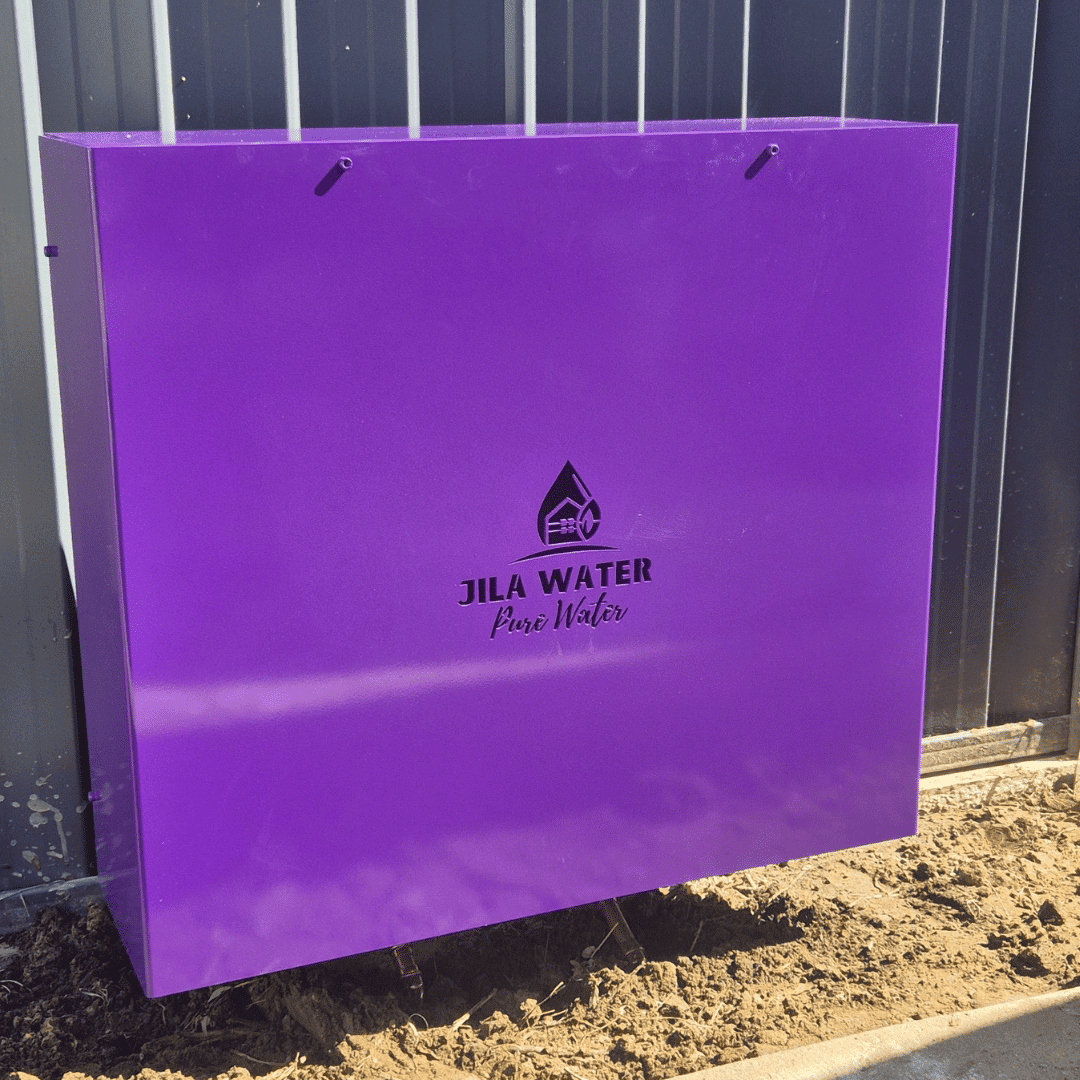
Choosing a whole home water filtration system is different from choosing a small filter for a single outlet. This page is designed to answer the questions people commonly ask before moving forward with a whole home solution.
Information centred on filtration for the full property rather than one tap.
Different water sources and conditions can require different filter stages.
Learn what affects installation, servicing, sizing and ongoing maintenance.
Use the FAQ filters below to jump to the category most relevant to your home.
Whole home filtration is about more than one outlet. It is designed to support water quality where water is used throughout the home.
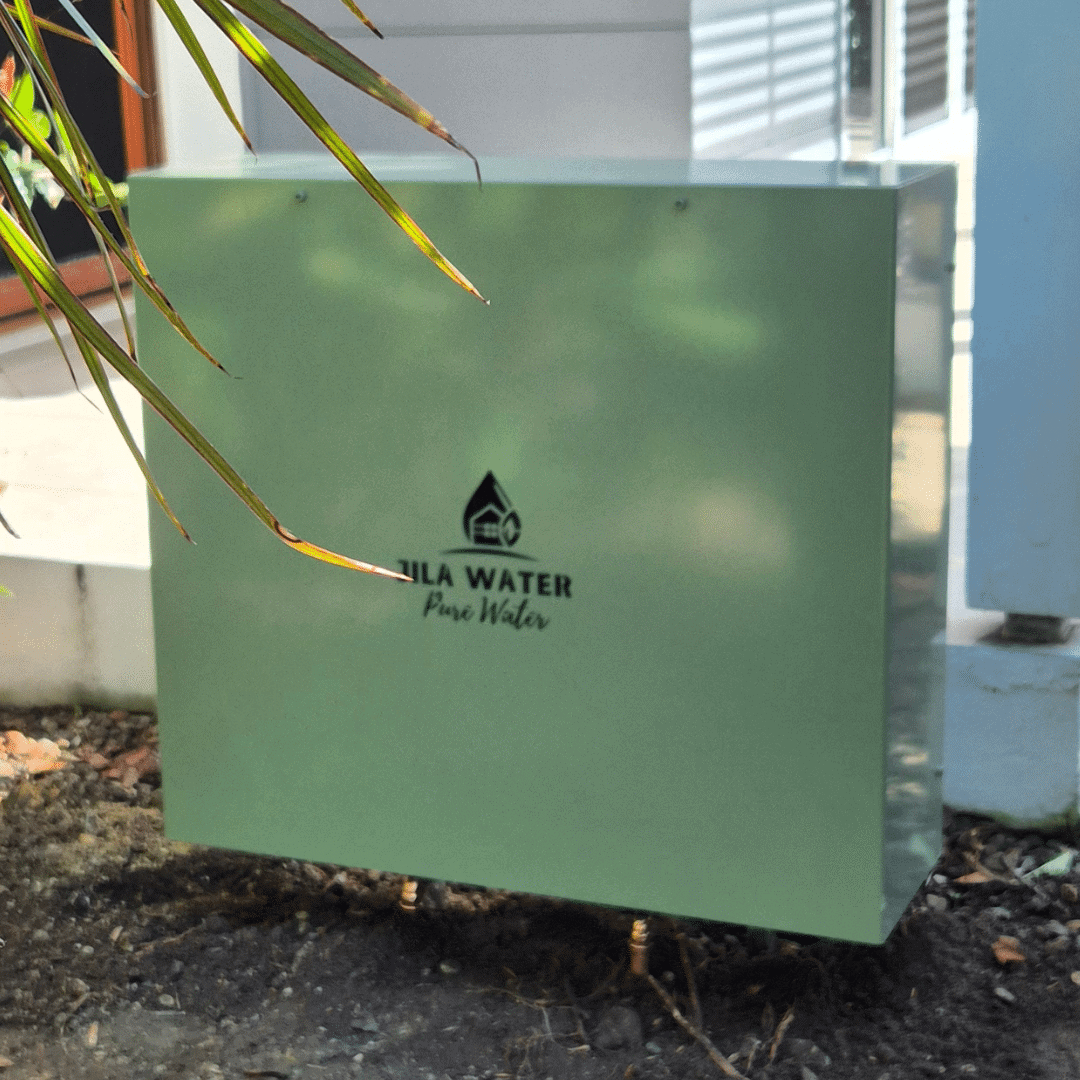
A whole home system is designed to treat water before it reaches key outlets around the property.
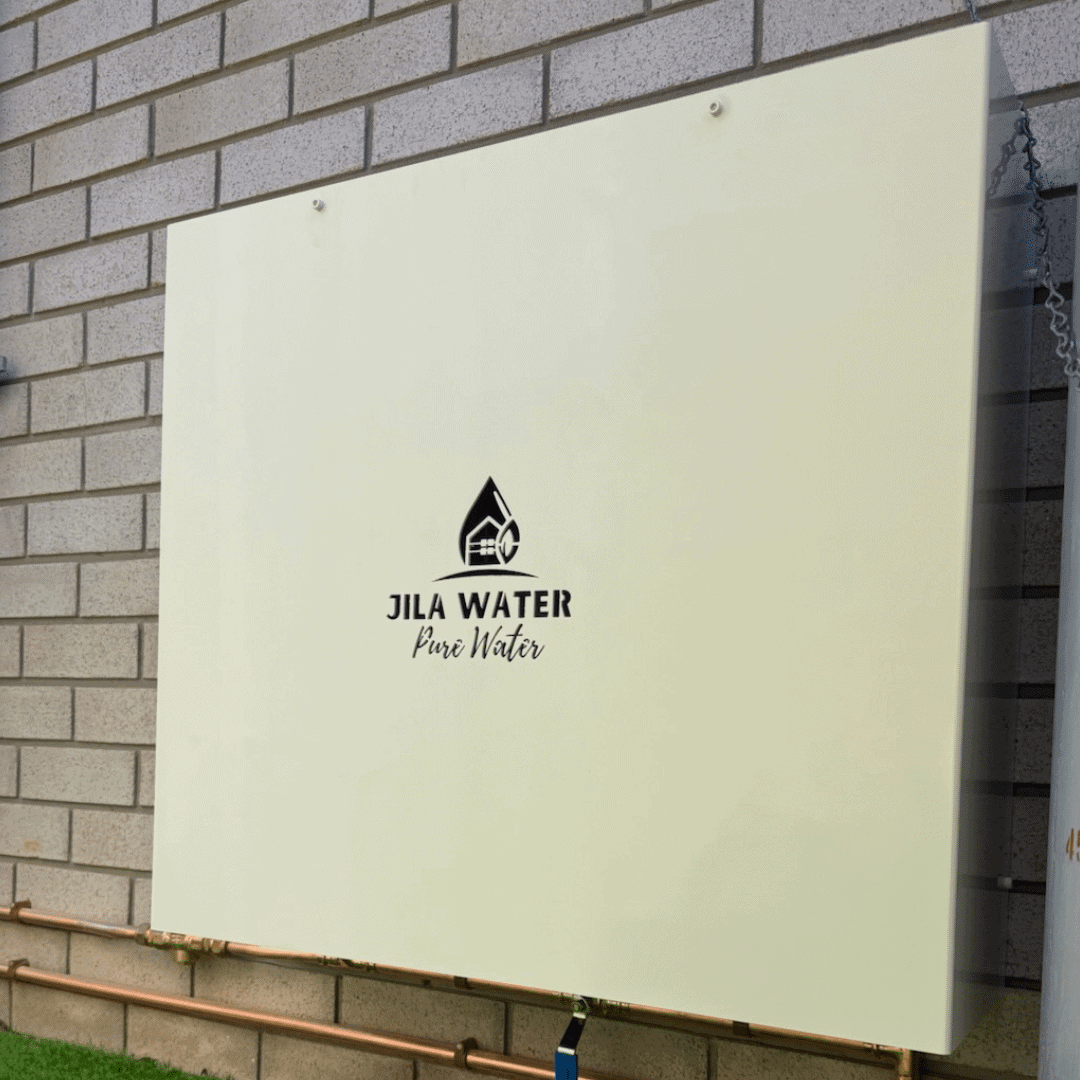
System choice depends on the home, water source, pressure, usage and filtration goals.
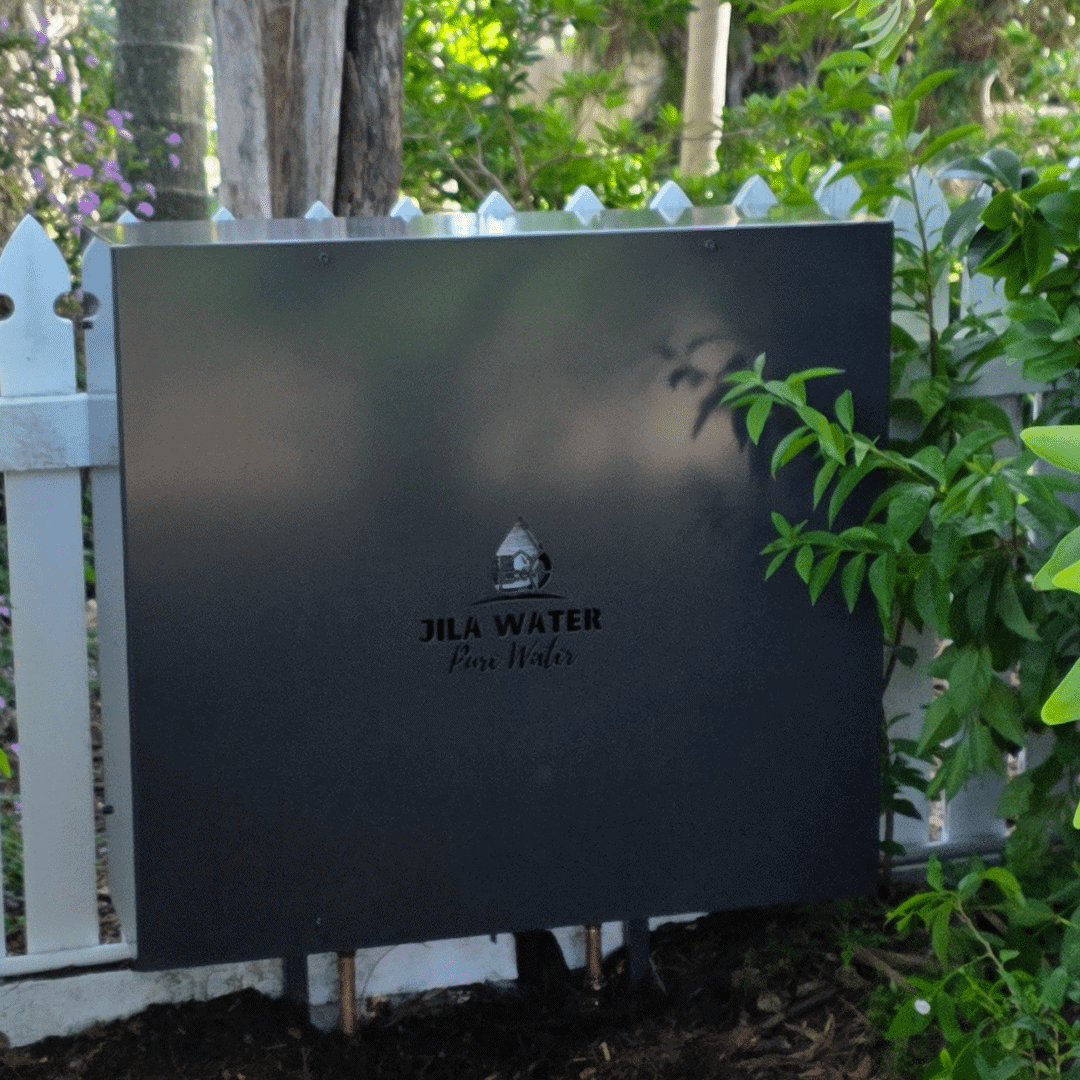
Whole home filtration is generally intended to support showers, bathrooms, kitchen and laundry outlets.
Browse common questions about whole home water filtration systems, installation, servicing, tank water, mains water and pricing factors.
A whole home water filtration system is designed to filter water as it enters your property, before it reaches showers, bathrooms, kitchen taps, laundry connections and other household outlets. It is often also called a complete home water filtration system or whole house filtration system.
That depends on your goal. A single tap filter only improves water at one outlet, while a whole home system is designed to improve water quality across the home, including showers, bathrooms, kitchen and laundry.
Depending on the filter stages selected and your local water conditions, a complete home filtration system may help improve sediment, taste, odour and overall water quality throughout the home.
Yes. A whole home filtration system is installed before water reaches the home's outlets, so filtered water can flow to showers, bathroom taps, kitchen taps and laundry connections.
In most cases, yes. Complete home filtration, whole home filtration and whole house filtration are commonly used to describe systems that filter water for the entire property rather than one tap.
A whole home system is generally installed at or near the main water entry point so water can be filtered before it reaches the rest of the home. The best installation location depends on your plumbing layout, access, wall space and overall site setup.
The right system depends on your household size, water source, daily usage, water pressure and what you want to improve. That is why a home water test and site review can be a useful starting point.
Yes. The goal is to match the filtration setup to your home, water supply and desired outcome, rather than pushing a one-size-fits-all filter configuration.
Yes. System design can be tailored based on whether your home uses mains water, tank water or other water sources. Different water supplies can call for different filtration stages and servicing priorities.
A yearly change interval is a common recommendation for whole home systems, although actual timing can vary depending on water quality, sediment load, usage and the filter media selected for the system.
After installation, customers are typically added to the reminder system so they can be contacted when filter changes and system checks are coming up. If you notice a change in taste, smell or performance earlier, it is worth getting the system reviewed sooner.
Regular servicing helps keep the system performing properly, confirms the filters are still suited to your water conditions, and gives you a chance to check the overall health of the installation and plumbing setup.
If you notice a change in taste, smell or general water quality before your scheduled filter change, the system may need to be checked earlier. Water conditions can change over time, so earlier servicing can sometimes be appropriate.
Yes. Tank water systems can be configured to better suit the water quality coming from your tank, including factors like sediment, organic load and the overall condition of the stored water.
These are exactly the kinds of water concerns that should be assessed before choosing a system. The right filter media and system setup depend on the actual water conditions found at your property.
PFAS stands for per- and poly-fluoroalkyl substances, a group of manufactured chemicals used in products designed to resist heat, oil, stains and water. If PFAS is one of your concerns, the best next step is to discuss your water source and treatment goals as part of a tailored recommendation.
Final pricing depends on the water source, the filter stages required, system size, site access, plumbing layout and installation requirements. A home water test and site inspection is the best way to get an accurate quote for your property.
Because homes differ in water type, pressure, household usage, plumbing access, installation complexity and the type of filtration result the homeowner wants. A tailored quote is more accurate than a generic estimate.
Payment plan options may be available depending on the purchase and approval pathway. If that is important for your project, mention it when requesting your water test and quote so the team can guide you through the options.
The best next step is to request a home water assessment. That gives you a tailored starting point based on your property, water source and what you want from a complete home filtration system.
Water source, sediment load, property layout and what you want to improve can all affect the right recommendation.
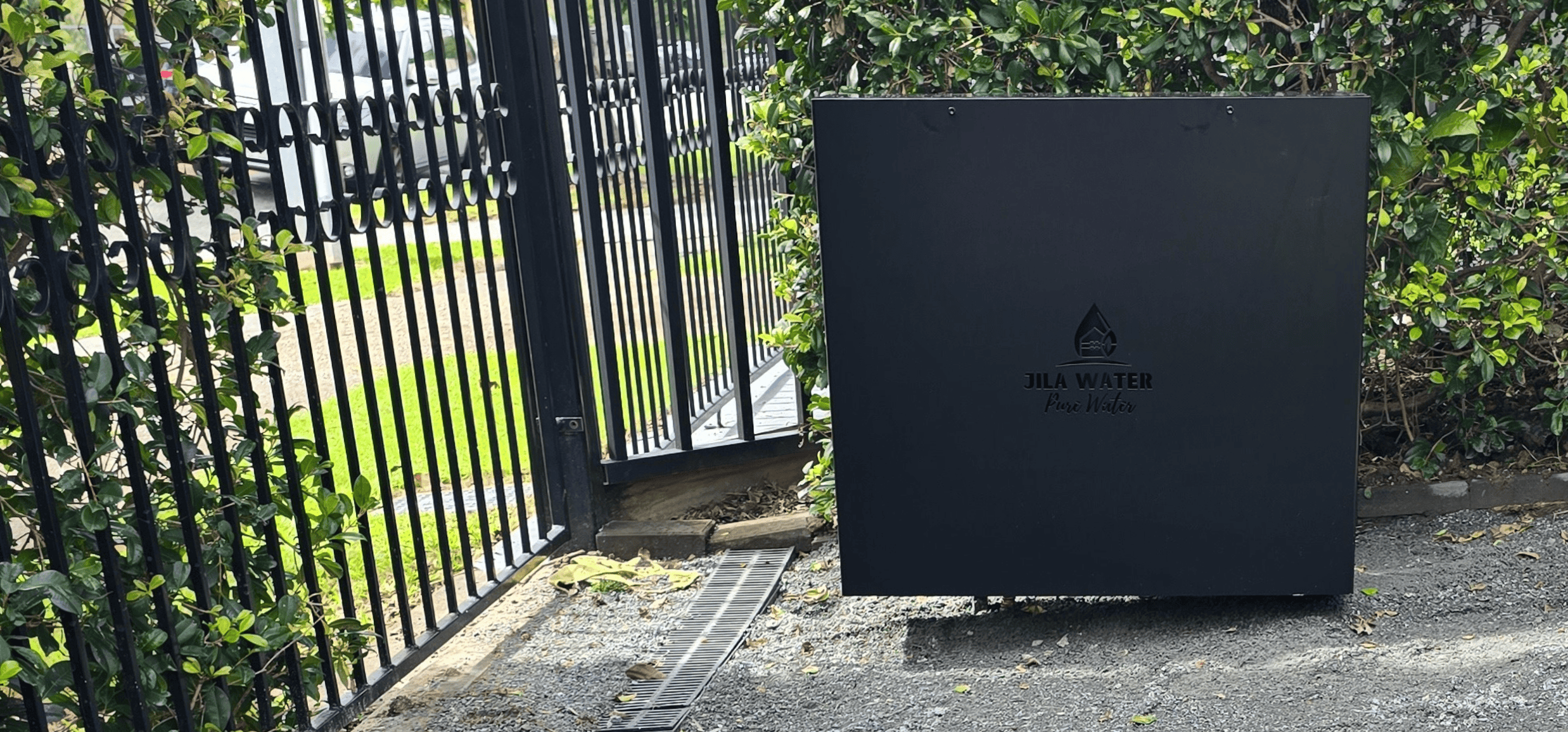
Placement, access and plumbing layout can affect installation planning and system design.
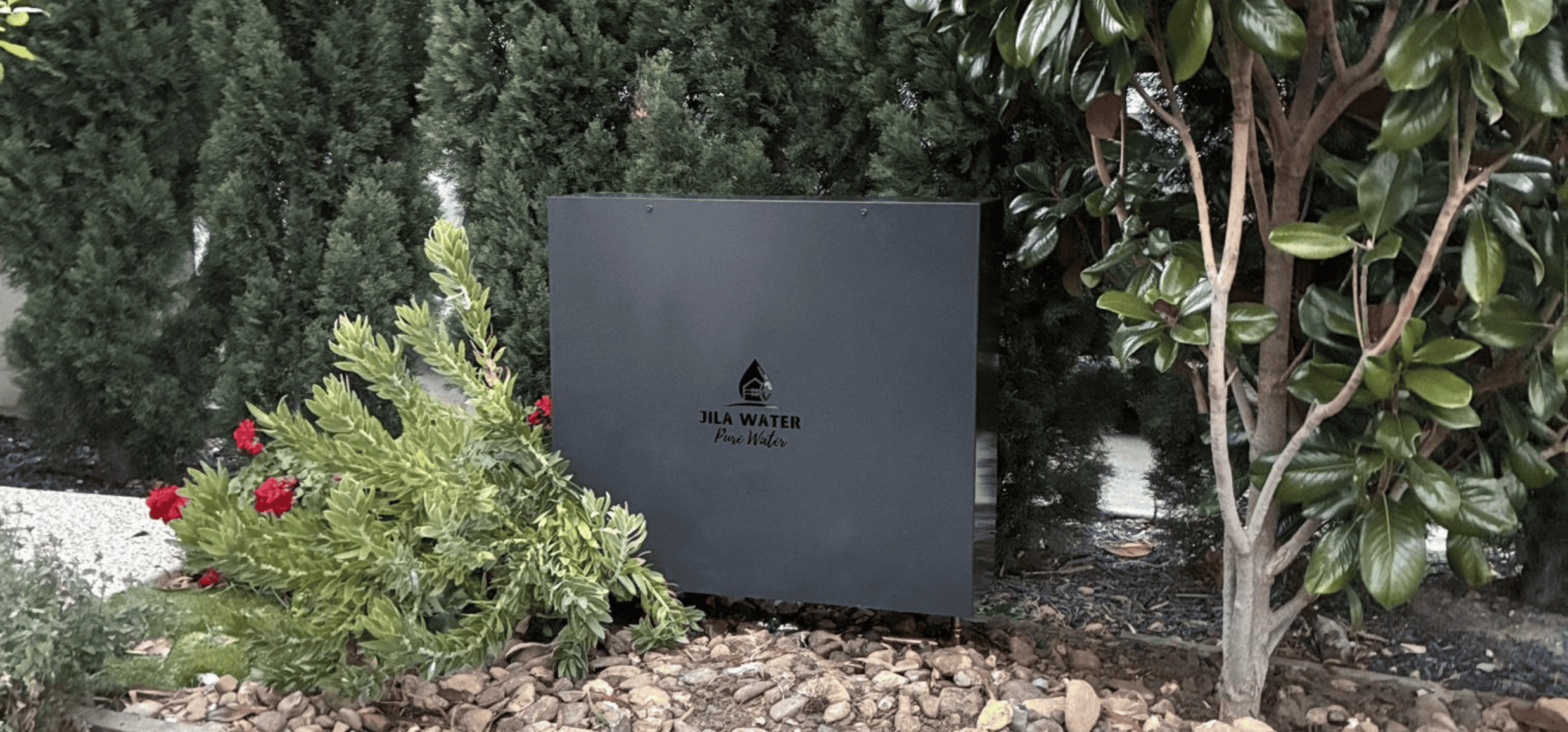
Different water supplies can present different priorities for media selection and servicing.
The most suitable setup depends on the property, usage and the result you want to achieve.
If you would like guidance based on your property and water type, you can request a home water assessment. Jila installs across South East Queensland, including South Brisbane, Bayside Brisbane, Logan, Ipswich and the Redlands, as well as Melbourne.
Request A Home Water Assessment