If your showers smell like chlorine, your taps mark up too fast, your kettle scales up, or your family simply wants more confidence in the water coming through the home, this guide was built for you. It is a premium, people-first breakdown of how to choose a water filter system in Australia in 2026 without getting lost in generic claims, cheap hardware, or one-size-fits-all advice.
The phrase water filter system used to send most people toward small drinking-water products. In 2026, the search intent is broader. Families are comparing whole home water filtration systems, home water filter systems, whole house water filters, under sink water filters, and water softener alternatives because they are trying to solve a more complete household problem.
The trend is being driven by a few overlapping realities. First, the June 2025 NHMRC update lowered and revised the Australian health-based guideline values for several PFAS compounds, pushing “what exactly is in our water?” back into everyday conversation. Second, consumers are becoming more compliance-aware, with WaterMark and lead-free plumbing rules now front-of-mind for anyone installing products connected to drinking water. Third, the modern buyer wants more than technical performance. They want better taste, better shower comfort, less visible buildup, lower bottled-water dependence, and a finished system that does not make the side of the house look cheap.
That is where most pages still fall short. They talk about “clean water from every tap”, but they do not do enough to help a homeowner choose the best water filter system for home use, understand when a whole home water filter is a better move than a single tap solution, or see how Australian compliance and maintenance affect the real decision.
A live review of leading Australian competitors shows strong surface-level messaging, but also a clear opening. PureFlow leans into clean water from every tap, lifestyle benefits, and free consultation. Complete Home Filtration pushes customisation and free in-home quoting. Puretec offers range depth, product variety, and polished merchandising. Those are all useful. But as a category, they still leave room for a page that combines updated PFAS context, system-selection clarity, compliance guidance, premium ownership thinking, and stronger whole-home decision support in one place.
| Brand / page pattern | What they do well | What is still missing | How this Jila guide wins |
|---|---|---|---|
| PureFlow whole-house pages and buyer guide | Strong lifestyle framing, free consultation, talks about WaterMark and systems tailored to Australian conditions. | Less depth on 2025 PFAS guideline changes, limited decision framework for homeowners comparing whole-home vs single-point systems, and lighter premium ownership positioning. | This page adds current guideline context, a clearer buying framework, and stronger “why the right install matters” guidance. |
| Complete Home Filtration whole-home pages | Emphasises customisation and professional installation, with broad national positioning. | Home page education is thinner on compliance detail and practical buying criteria; PFAS messaging is present but not fully integrated into the main decision path. | This page helps readers understand what to ask, what to compare, and how to avoid generic system selection. |
| Puretec category/product grid | Excellent product breadth, polished merchandising, strong colour/finish appeal. | Commerce-first structure is weaker for a homeowner still learning; less advisory depth for family buyers who need guidance before they buy. | This page is built to rank informational-commercial intent and move readers into a tailored assessment, not just product browsing. |
| Most category pages | Promise cleaner water, better taste, and full-home coverage. | Do not fully explain source-water differences, maintenance realities, compliance questions, or premium installation outcomes. | Jila positions the system as a complete home upgrade with testing, recommendation, install quality, aftercare, and clarity. |
Many homeowners start here first. If the water tastes flat, smells chemical, or leaves an aftertaste, a properly selected carbon-based filtration stage is often part of the answer.
Water quality is not just about the glass you drink. It is the water on your skin, your scalp, your kids’ bath water, and the hot shower steam filling the bathroom.
A quality setup can help manage the issues that leave spotting, buildup, and added maintenance pressure on fixtures, appliances, and plumbing pathways.
The best system is the one matched to your source water, household size, home layout, and actual concerns, then installed properly and maintained on time.
A smarter 2026 buying decision starts with context, not panic. Australia’s water supply is regulated, but the conversation has become more nuanced. The updated NHMRC PFAS guidance, new WaterMark resources, and continued reporting on local contamination stories have all reminded homeowners that “regulated” does not mean “never question what is in your water or how you want to treat it at home”.
That is also why water filtration systems for Australian homes are now crossing over with broader home-improvement intent. Families are not only asking “Is my tap water safe?” They are asking whether there is a better daily standard they want to live with. Better water for cooking. Better-smelling showers. Less dependence on bottled water. Cleaner fixtures. Better long-term system quality. Those are home-upgrade decisions as much as health and taste decisions.
Start with clarity. Jila Water can assess your water source, household usage, and what you actually want to improve before recommending the right path.
Town water, tank water, bore water, and mixed supply situations should not be treated as the same problem. The correct media, pre-filtration, and optional add-ons can change significantly depending on the source.
If your real issues are shower smell, bathroom comfort, appliance buildup, or wanting cleaner water from every outlet, a single drinking-water tap system will not solve the whole-home experience.
Taste and odour, sediment, scale management, tank-water sanitisation, and PFAS concerns are not the same. Ask what each stage is actually doing and why it belongs in your system.
If products connected to your plumbing require WaterMark certification, your installer needs to work within those rules. In 2026, lead-free requirements are becoming even more important for products in contact with drinking water.
A family home needs the right cartridge size, service interval, and flow design. This is where 10-inch versus 20-inch systems and other layout choices start to matter.
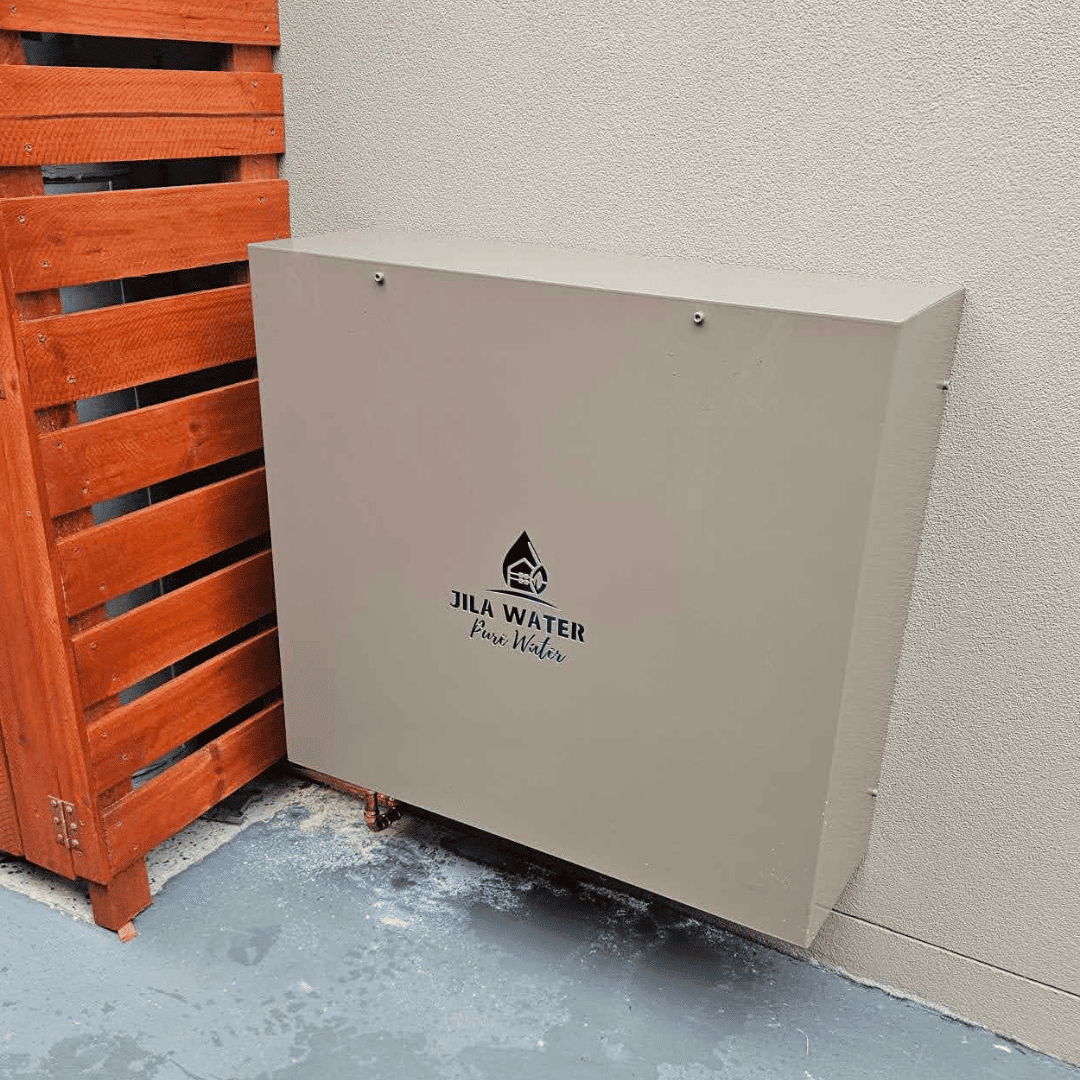
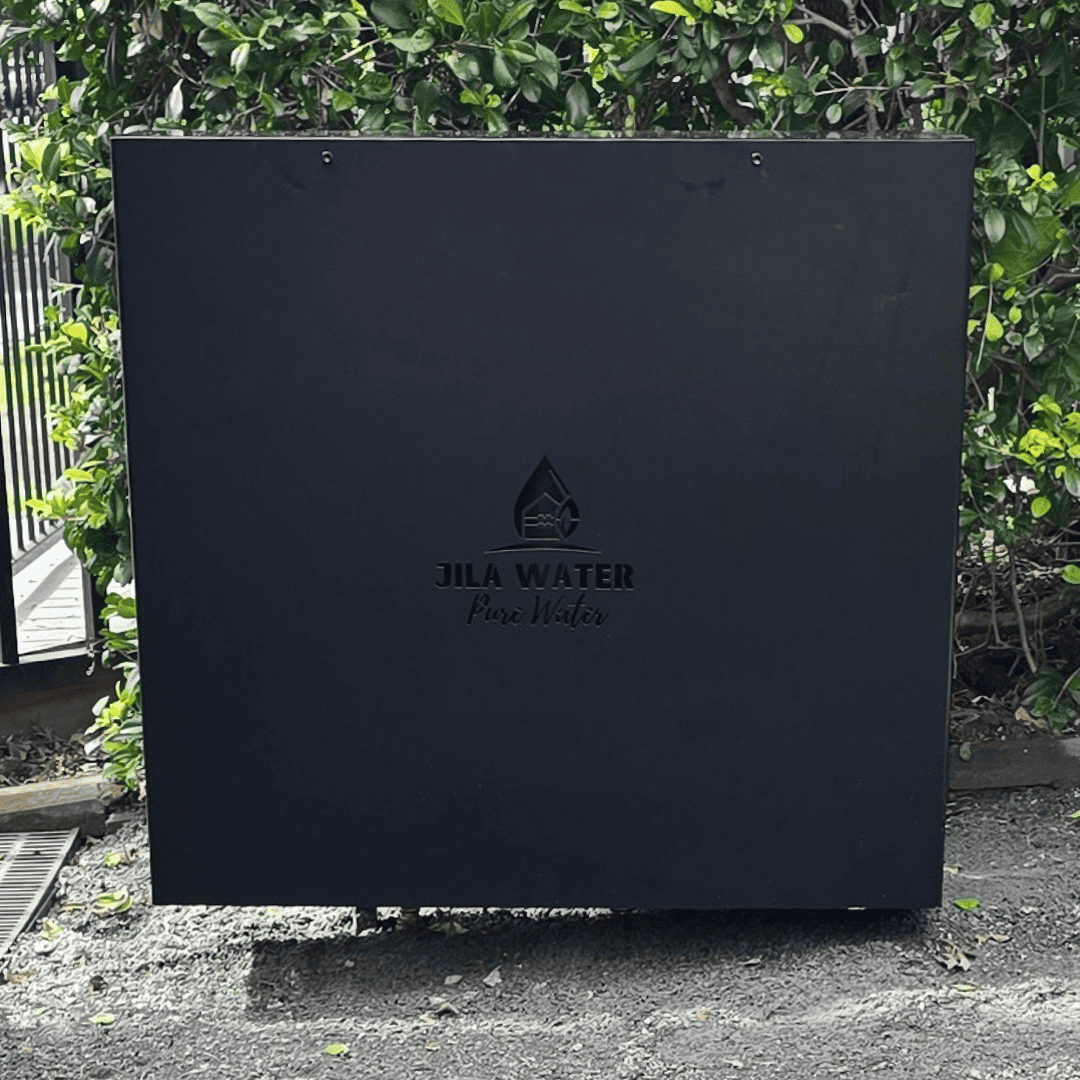
A premium system should not look like a cheap plastic afterthought. If it is being installed on your home, finish quality, enclosure quality, and neat pipework matter.
Service reminders, genuine replacement filters, aftercare, warranty clarity, and access to local support are all part of the real value equation, not just the day-one price.
Jila Water is built around a different idea: the right water filtration system for home should not feel like a random box sold off a shelf. It should be assessed, tailored, installed properly, and finished in a way that suits the property. That is why Jila starts with a free home water assessment, not a blind product push.
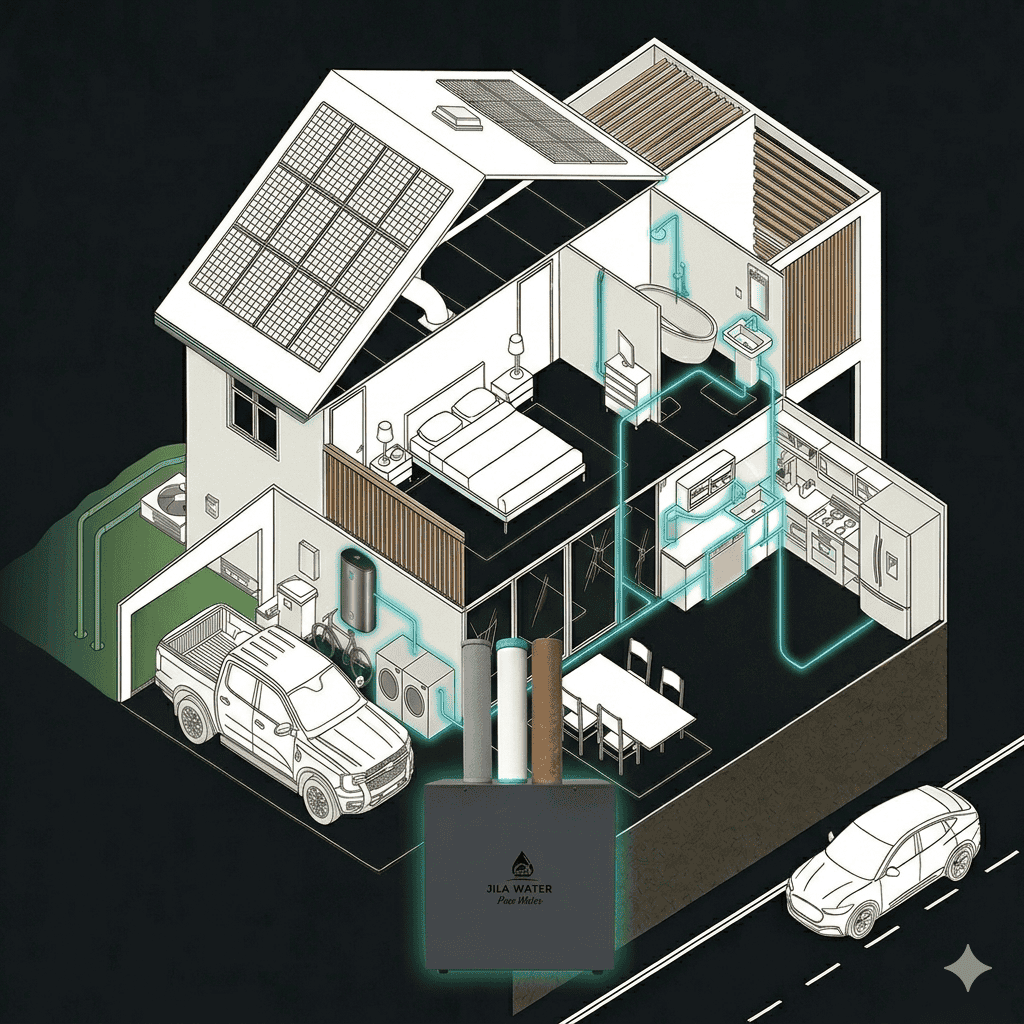
Depending on your water and goals, a Jila whole-home setup may combine staged sediment protection, carbon-based filtration for chlorine, smell and taste improvement, and conditioning logic to better manage harsh-feeling water and scale-related frustrations. For tank-water properties, other stages such as pre-filtration and UV-based strategies can be part of the conversation where appropriate. The point is not to pretend one filter solves everything. The point is to match the build to the home.
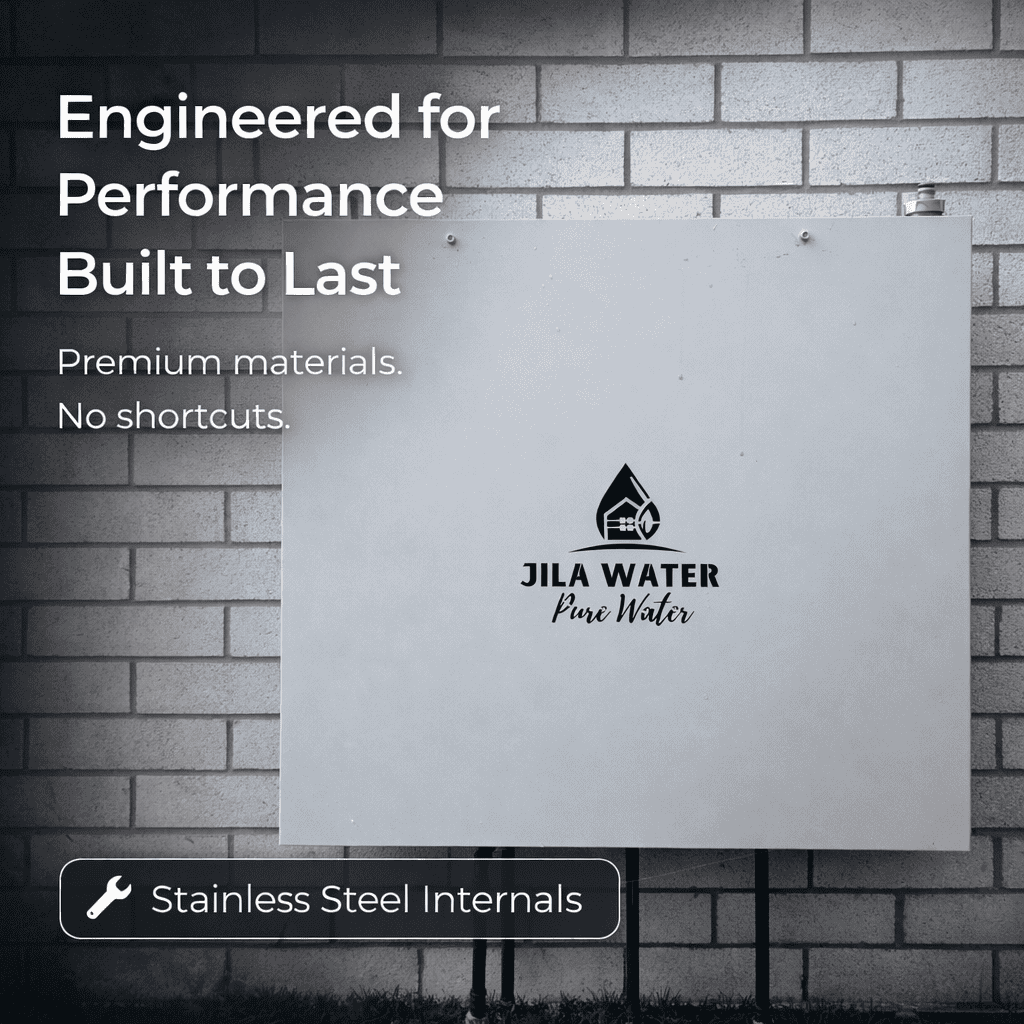
The physical system is also part of the difference. Jila focuses on premium enclosures, stronger materials, stainless steel internals, professional licensed-plumber installation, and colour-conscious presentation that feels worthy of a quality Australian home. That matters because the system is supposed to improve the home, not cheapen it.
A sediment-focused first stage helps capture dirt, rust, and visible particles before they push deeper into the system or travel through the home.
This is where the system starts addressing the things people complain about most often: chlorine smell, unpleasant water feel, and broader whole-home quality concerns.
The final stage refines the water experience where most families notice it fast: better-tasting water, better-smelling showers, and a cleaner daily feel from every tap.
Some homes need more than this. Some need less. That is exactly why serious system selection starts with testing and context rather than guesswork.
A great water filter system page should not rely on abstract promises. It should show you what the installation looks like, what the filter media may catch over time, and how the finished system feels as part of the home. That is where Jila Water has a real advantage.
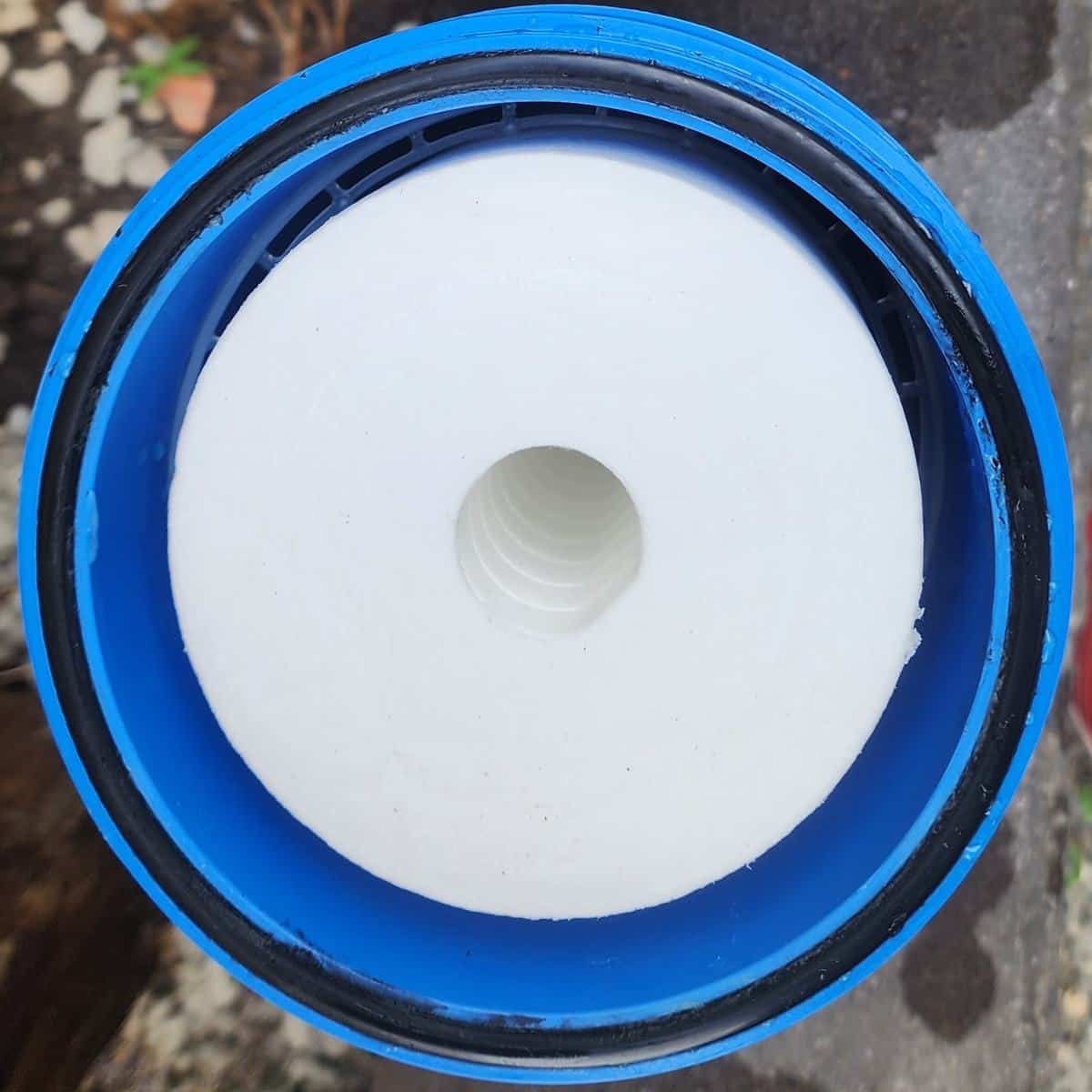
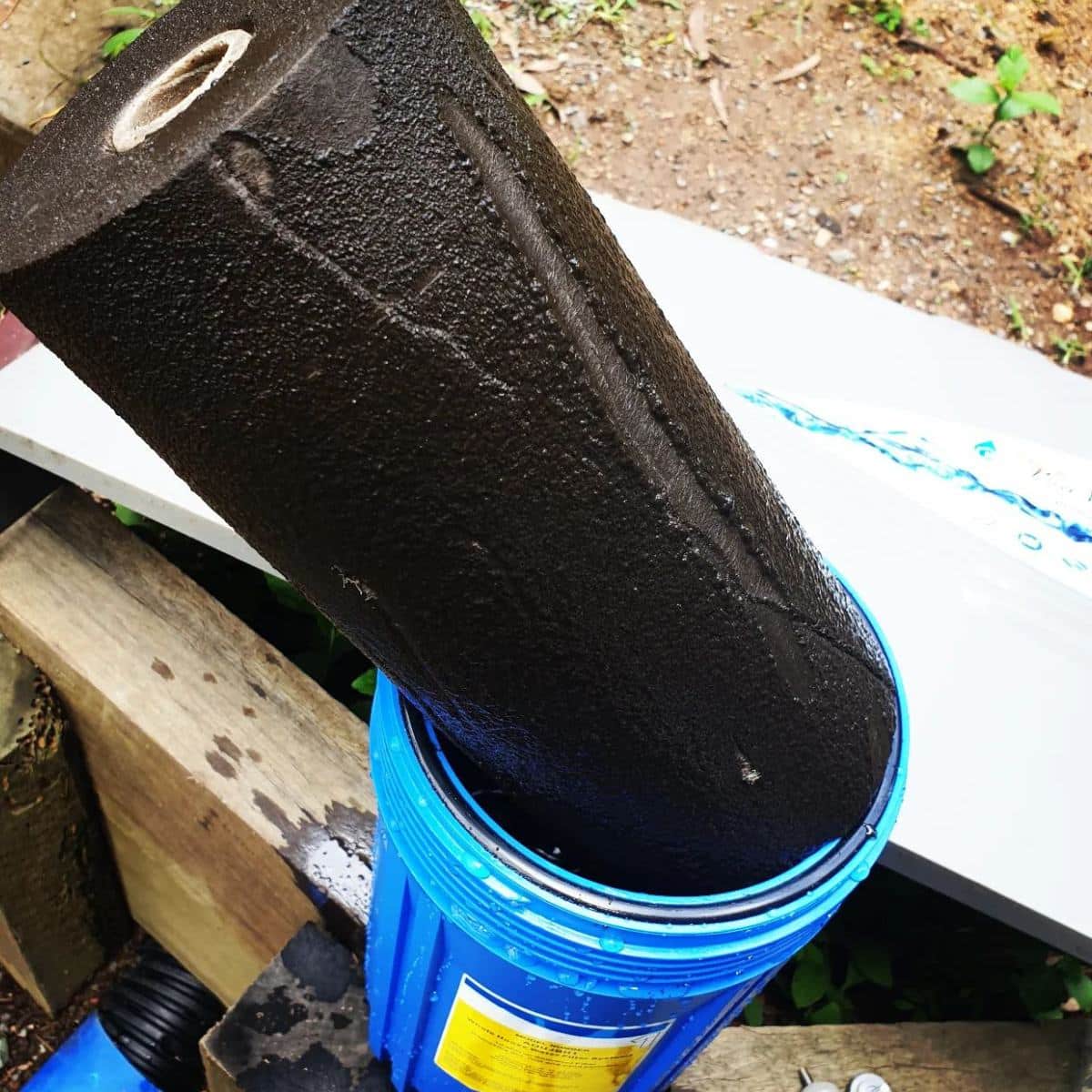
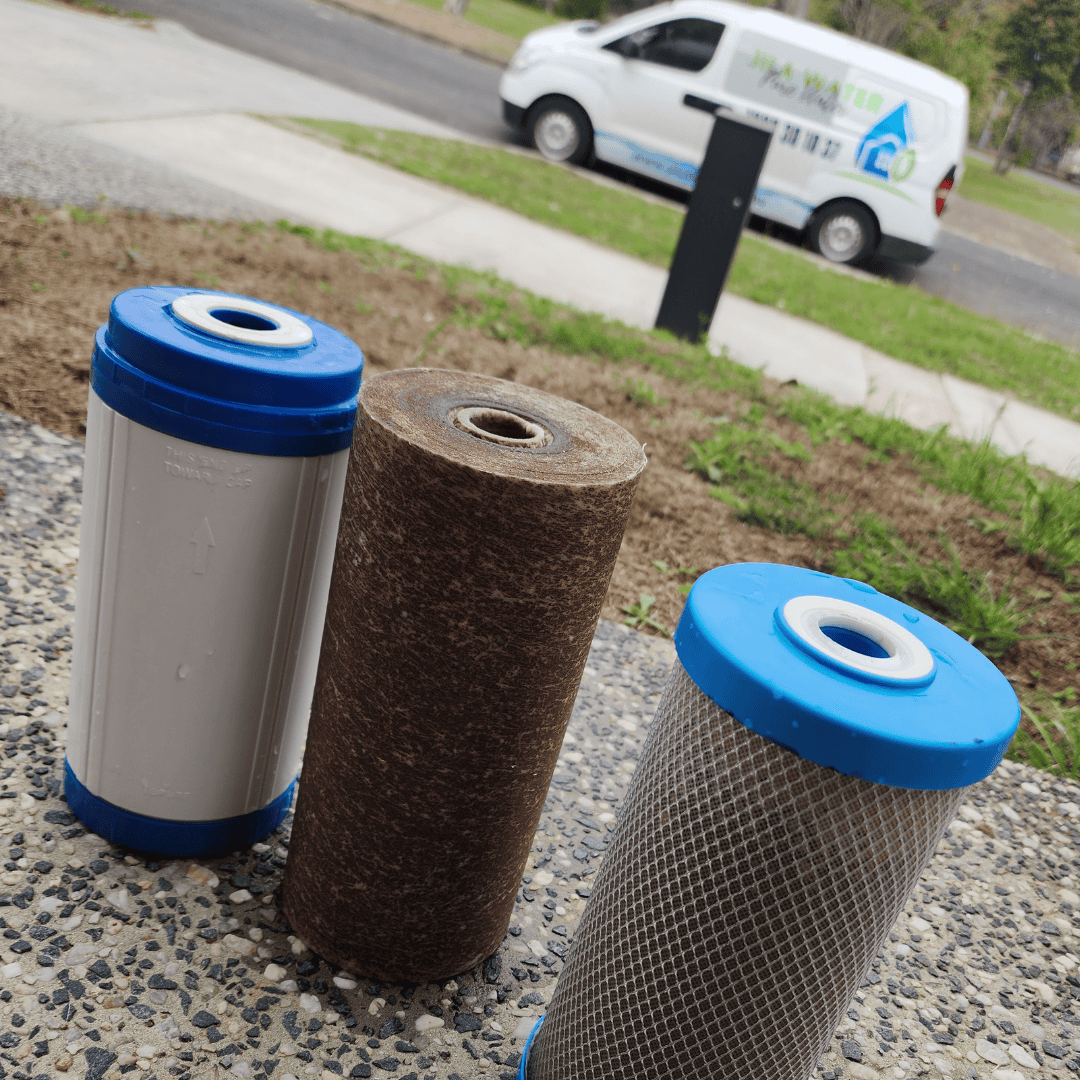
Book the assessment, show us the property, tell us what bothers you about your water, and let Jila guide the right system path for your home.
Explore Jila Water’s whole-home filtration approach, ownership details, and family-sized options.
View whole-home systems →See how cleaner, better-tasting water supports healthy hydration habits at home.
See the family hydration page →Read practical answers about installation, servicing, tank water, mains water, and sizing.
Read the FAQ →Dive deeper into better water, system choice, home comfort, and filtration education.
Browse the blog →See how Jila thinks about ownership, records, support, and long-term system confidence.
Review warranty info →Prefer to ask a few questions before you book? Speak with the team directly.
Contact Jila Water →Book the assessment. Get clear answers. Find out whether your home needs a whole-home system, a single-point solution, or a tailored combination.
This guide was written around live Australian guidance, compliance updates, and market review rather than recycled old blog content. That includes NHMRC’s June 2025 PFAS guideline update, Seqwater’s PFAS guidance summary, WaterMark resources from the Australian Building Codes Board, current competitor positioning from PureFlow, Complete Home Filtration, and Puretec, and recent coverage showing why PFAS and whole-home water quality remain active consumer topics in 2026.