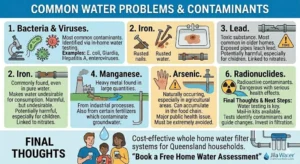
The Importance of Water Testing & Identifying Contaminants
Water testing helps Brisbane and SEQ homeowners understand what may…
Read More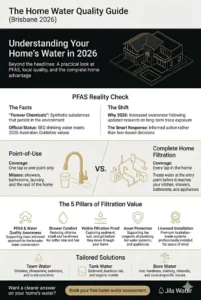
PFAS In Brisbane Water: What Homeowners Need to Know in 2026
Concerned about PFAS in Brisbane water? This practical 2026 guide…
Read More
Home Filtration System Brisbane: Costs, Options & What To Buy 2026 | Jila Water
Home Filtration System Brisbane: Costs, Options & What To Buy…
Read More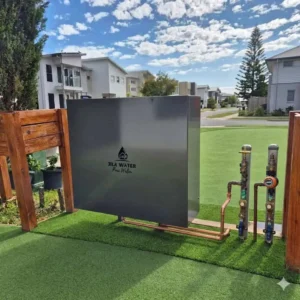
Complete home filtration Brisbane | Better Water at Every Tap
complete home Water filtration Brisbane Premium complete home filtration for…
Read More
An Easy Guide to Choosing a Water Filter For Your Home
How to Choose the Right Water Filter for Your Home in Australia
Choosing a water filter for your home should not feel like guessing between a cheap kitchen gadget, a hard-sell system, and ten different opinions online. This guide breaks down how to choose a water filter for your home, what the different filter types actually do, and when a whole-home solution makes more sense than filtering one tap.
Whole-home thinking • Brisbane and SEQ friendly • Mains water and tank water guidance
No pressure. No guesswork. Just clearer advice on what suits your home, your water, and the result you actually want.

Choosing a water filter is really about matching the system to the problem
Most people do not start by searching for “point-of-entry water filter” or “mixed-bed ion exchange resin”. They start with a frustration. The water smells like chlorine. The shower leaves skin feeling dry. The glassware spots easily. The tank supply feels uncertain. Or the family simply wants more confidence in what they drink, cook with and bathe in every day.
That is why the best way to think about choosing a whole house water filter or any other home water filter is not to ask, “What is the fanciest unit online?” The better question is: What exactly am I trying to improve?
“I speak to homeowners every week who are close to buying the wrong system because they are comparing products before they are clear on the actual water issue. The right move is to start with the problem, the water source, and the daily experience you want.”
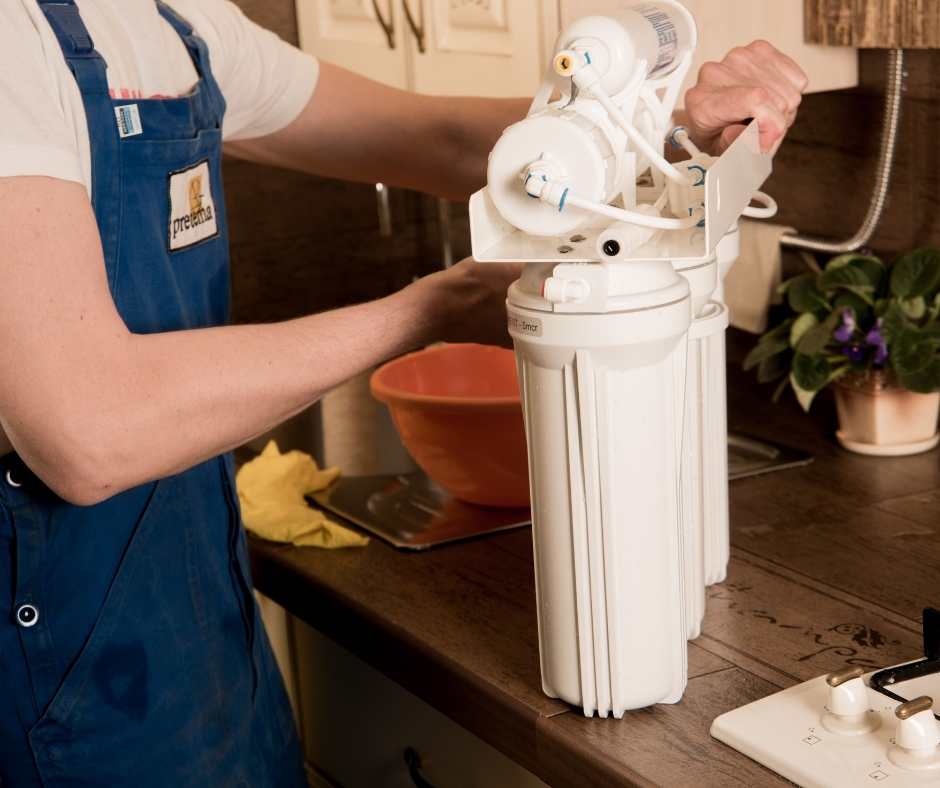
James Grady · Jila WaterFor some homes, a simple under-sink drinking-water filter is enough. For others, that only solves one small part of the story. If your concern includes shower water, chlorine smell, sediment, tank-water reliability, scale, appliance protection or the overall feel of water through the house, you are no longer choosing a drinking-water-only solution. You are choosing between point-of-use and whole-home treatment.
That distinction matters. A small filter under the kitchen sink can be a great option for one tap. But it will not do anything for the shower you stand in every morning, the water running through your hot-water system, or the bathroom taps your family uses all day.
How the main types of home water filters work
If you are comparing filter options online, it helps to group them into categories based on where they treat the water and what they are built to solve. This is where most confusion disappears.
| Filter Type | What It Usually Does Best | Best For | What It Does Not Solve Well |
|---|---|---|---|
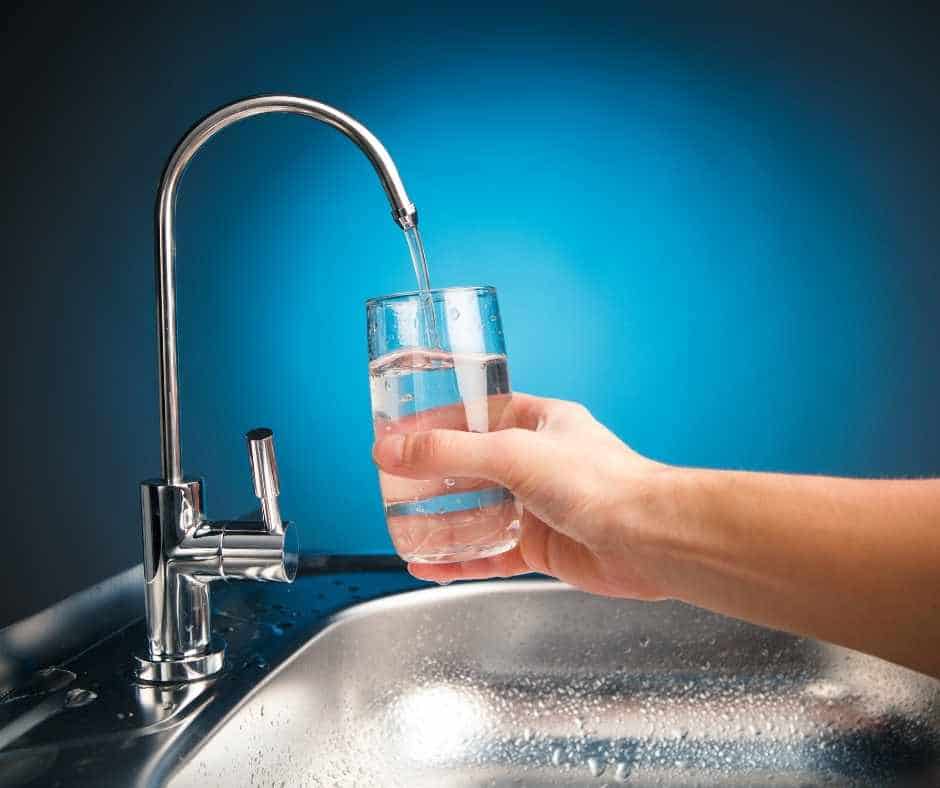
| Faucet or jug filterSimple, low-cost drinking-water improvement. | Taste and odour improvement at one point of use. | Renters, low commitment, one-tap drinking water. | Showers, bathrooms, laundry, plumbing, tank-water risks, broader whole-home treatment. |
| Refrigerator filterConvenient cold drinking water through the fridge. | Improves taste for chilled drinking water and ice. | Homes already using a filtered fridge system. | The rest of the house and most water-quality frustrations outside the kitchen. |
| Shower filterA point-of-use shower add-on. | Can help with selected shower-water issues depending on the media used. | People only focused on one shower outlet. | Kitchen, bathroom taps, hot-water system, laundry and full-home consistency. |
| Under-sink filterA point-of-use kitchen solution. | Filtered water for drinking and food preparation at one sink. | Homeowners wanting better kitchen water only. | Whole-home filtration, shower comfort, appliance protection and incoming sediment across the property. |
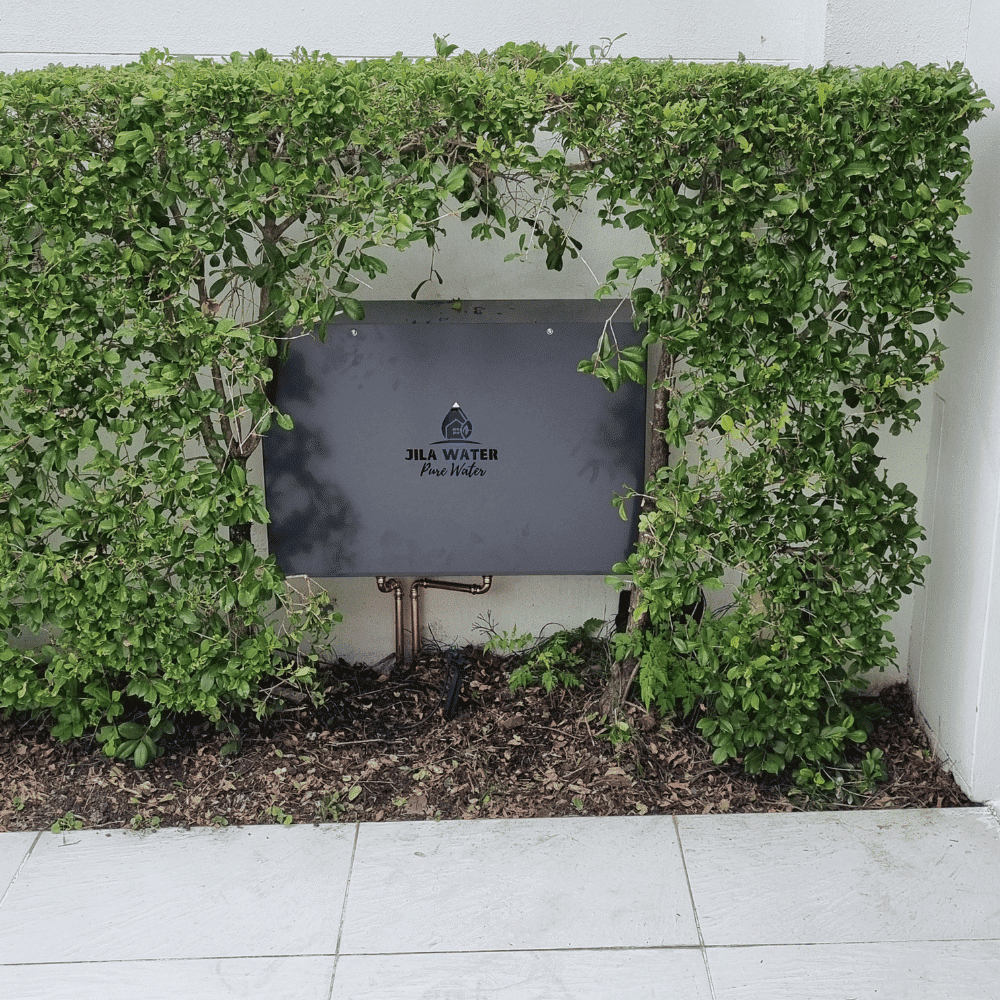
| Whole house / point-of-entry filterTreats water as it enters the home. | Broad improvement across taps, showers, kitchen, bathrooms and laundry. | Families wanting better water at every tap. | Very specific needs that require extra specialised stages if not designed correctly. |
| Tank-water filtration with UVBuilt for untreated or variable source water. | Can address sediment, taste, odour and microbial risk reduction where properly specified. | Rainwater and tank-water homes. | Guesswork. Tank water should never be treated like ordinary town-water selection. |
The biggest insight here is simple: the more your concern affects the whole home, the more likely a whole-home system is the right category. If the issue is only what you drink at the kitchen sink, an under-sink solution may be enough. If the issue follows you into the shower, laundry, bathrooms or appliances, it is time to think bigger.
Brisbane and SEQ homes should choose differently depending on whether the water is mains, tank or both
One of the biggest mistakes people make when comparing water filters is assuming every home needs the same thing. It does not. Your water source changes the selection process immediately.
Queensland’s drinking water is regulated, monitored and disinfected. The Queensland Government notes that chlorine may be detectable because it is added to most drinking water to kill harmful germs, and a small residual remains as water travels through the network. That often means the water is safe, but not necessarily pleasant in taste, smell or everyday feel for every homeowner.
For mains-water homes, the most common drivers are chlorine taste and odour, shower comfort, sediment, plumbing protection, and wanting cleaner water across the property rather than only at one tap.
Tank water is a different conversation entirely. Queensland Health states that the owner is responsible for ensuring tank water is appropriate for its intended use, and its rainwater guidance notes that tanks can be contaminated by animal faeces, microorganisms and chemicals depending on the environment and collection system.
That is why tank water filtration system design should be more deliberate and can include staged sediment treatment, carbon, and often UV sterilisation depending on the setup and intended use.
Signs you may need more than a basic drinking-water filter
Here is where homeowners usually realise a one-tap filter will not fully solve the problem. If several of these sound familiar, you are likely dealing with a broader water-experience issue rather than a simple drinking-water-only concern.
1. The shower tells you something is off
Your skin feels tight, your hair feels dry, or the bathroom smells stronger than you would like when the water is running.
2. The kitchen is not the only frustration
You are thinking about drinking water, but also noticing residue, taste, smell, or a general lack of confidence through the rest of the house.
3. Sediment or visible buildup keeps appearing
That could mean the home needs stronger upstream filtration rather than expecting a small point-of-use filter to carry the whole job.
4. You are on tank water
Tank water can require staged treatment and often deserves a more considered design than a generic online kit.
5. You want plumbing and appliance protection
That is naturally a whole-home conversation because the goal is not only taste at the sink.
6. You are renovating or upgrading the home
If you are already spending on the property, whole-home filtration often feels more like a proper long-term upgrade than an afterthought.
Whole house water filter vs under sink filter: which one actually fits your goal?
This is one of the highest-intent decisions homeowners make, and the answer gets much easier once you stop comparing products and start comparing outcomes.
Best for: people who only want filtered drinking and cooking water at one kitchen tap.
- Great if your main goal is better-tasting kitchen water.
- Usually more affordable than a full-home solution.
- Useful when the rest of the home water experience is not a concern.
Limit: it does nothing for the water in your shower, bathrooms, laundry, hot-water system or incoming plumbing.
Best for: families who want better water through the entire property.
- Filters water as it enters the home.
- Supports a cleaner experience across showers, bathrooms, kitchen, laundry and appliances.
- Often the better fit for chlorine taste and odour issues, sediment concerns, whole-home comfort and broader daily use.
Limit: it needs the right design, proper installation and a realistic match to the source water and household needs.
The simplest rule: if you only care about one drinking tap, under-sink might be enough. If you care about what comes out of every tap, a point-of-entry water filter is the stronger direction.
That is also why more homeowners who begin by searching for an under-sink unit end up moving toward a premium complete home water filtration system once they realise the real problem is larger than the kitchen.
How to choose the right water filter for your home without wasting money
If you want a cleaner decision, use this sequence. It is the same one we use when helping homeowners narrow things down properly.
Step 1
Define the real issue. Is it drinking water only? Shower feel? Chlorine smell? Sediment? Tank-water uncertainty? Multiple issues at once?
Step 2
Identify the water source. Town water, tank water, or a combination changes the treatment path immediately.
Step 3
Match the treatment location. One-tap problem equals point-of-use. Whole-home problem equals point-of-entry.
Step 4
Choose for daily life, not brochure language. Think about showers, laundry, appliances, maintenance access and how the system will actually live with the home.
For mains-water homes
You are normally deciding between a small kitchen-only solution and a broader whole-home setup. If taste and odour at the sink is the only problem, under-sink can be enough. If you want cleaner water throughout the property, whole-home is usually the better fit.
For tank-water homes
Do not buy a generic “whole house” kit and assume it is enough. Tank water often needs a staged approach tailored to sediment load, storage condition, flow requirements and whether UV should be included.
This is also where a premium provider earns their place. A good provider does not just sell a cartridge count. They help you decide what the home actually needs and what it does not.
Not sure whether you need under-sink, whole-home, or tank-water treatment?
Start with a free home water assessment. Jila Water helps homeowners work out whether the issue is mostly taste and odour, broader whole-home water quality, hard-water symptoms, tank-water risk, or a mix of all four.
No obligation. Just expert advice, a clearer recommendation, and a more confident next step.
Installation, maintenance and what a premium setup should feel like
A big part of choosing the right water filter is not just filtration media. It is what ownership feels like after installation. The strongest systems feel integrated with the home, not like a cheap bolt-on compromise.
Professional sizing matters
Flow rate, connection size, source water, cartridge sizing and access for filter changes all matter. A premium system should be selected around the home, not just whatever is popular online.
Maintenance should be simple
You want clear replacement schedules, genuine filter kits and an easy path for ongoing service. Maintenance should feel predictable, not confusing.
Design still matters
If the unit is visible on the side of the home, finish quality, enclosure quality and installation neatness all become part of the buying decision.
For tank-water systems, the installation conversation is even more important. Pre-filtration, pump conditions, UV placement, service access and protection from the elements all need to be considered properly.
And if you are comparing offers, ask practical questions: Who installs it? What does replacement look like? What exactly is covered? Is the system designed for Australian homes, or is it just a generic import with nicer wording around it?
The benefits of choosing the right filter go well beyond a nicer glass of water
The strongest water-filtering decisions are not based on fear. They are based on lifestyle improvement, comfort and confidence. When the system is matched properly to the home, the value usually shows up in multiple parts of daily life.
Daily comfort
- Cleaner-tasting kitchen water
- Better-smelling water where chlorine odour is a concern
- A more pleasant shower experience
- Less “why does the water feel like this?” frustration day to day
Whole-home confidence
- Filtration begins before water moves through the property
- Support for bathrooms, laundry and appliances, not just one sink
- A more complete upgrade for families planning to stay in the home
- Better alignment between the system and how water is actually used
That is why terms like whole home water filter benefits or complete home filtration matter so much more than simply asking whether a system “filters water”. The real question is: what part of home life do you want improved?

Common myths and mistakes people make when choosing a water filter
Myth: more stages automatically means better
A system is only as good as the job it is designed to do. Extra stages can sound impressive but do not guarantee the right result for your home.
Myth: one filter suits every house
Mains water, tank water, shower concerns, sediment and whole-home comfort are not all the same problem. The right system depends on the context.
Mistake: buying for the kitchen when the real issue is everywhere else
This is why homeowners often buy under-sink first, then later realise the bigger frustration was shower water or the whole-house experience.
Mistake: treating tank water like town water
Tank water should be assessed more carefully and can require a different filtration and sterilisation path.
Mistake: focusing only on product price
Low upfront price can hide poor fit, poor install quality, awkward maintenance and the need to replace the system sooner than expected.
Mistake: skipping expert advice entirely
The strongest buying decision is usually not the fastest one. A short conversation with the right provider can save a lot of money and frustration.
The best-performing systems are not always the most aggressively marketed ones. They are the ones that solve the actual problem cleanly, suit the home, and still feel like the right decision one, two and five years later.
Who benefits most from a whole-home water filter?
Homeowners usually get the most value from whole-home filtration when they are trying to fix more than one thing at once. If that is you, a small point-of-use filter often feels like only a partial answer.
Families wanting better water at every tap
Not just for drinking, but for cooking, showering, washing and daily comfort throughout the home.
Homes with strong taste, smell or sediment concerns
If the issue is noticeable in more than one room, treating water at entry point usually makes more sense.
Tank-water properties
These homes often need a more serious system design and benefit from a provider familiar with rainwater and UV treatment pathways.
Homeowners upgrading the property properly
For many people, whole-home filtration feels like a considered home improvement rather than a temporary add-on.
People tired of piecemeal fixes
If you have already tried jugs, fridge filters or shower add-ons, whole-home treatment can be the cleaner long-term solution.
Homeowners who want expert guidance
The more variables involved, the more valuable a tailored recommendation becomes.
Frequently asked questions about choosing a water filter for your home
What is the best type of water filter for a home?
The best type depends on the problem you are trying to solve. If you only want filtered drinking water at one kitchen tap, an under-sink system may be enough. If you want better water through showers, bathrooms, laundry and kitchen, a whole-house or point-of-entry system is usually the stronger fit.
How do I know if I need a whole house water filter or an under-sink filter?
Ask whether your concern is limited to one tap or affects the wider home. If the issue includes shower water, smell, sediment, plumbing or whole-home comfort, under-sink usually will not solve enough of the problem.
Is Brisbane mains water safe to drink?
Queensland drinking water is regulated and monitored, and mains water is disinfected. Many homeowners are not reacting to “unsafe water” claims so much as trying to improve taste, smell, shower feel and overall confidence in the water experience at home.
Does tank water need a different filter setup?
Yes. Tank water should not be treated like a basic mains-water selection. Depending on the home and system design, it may require sediment stages, carbon filtration and UV sterilisation to create a safer and more reliable supply.
What does “point-of-entry” mean?
Point-of-entry means the system treats water as it enters the property, before it reaches your taps and showers. It is another way of describing whole-house or whole-home filtration.
Can a whole-home filter help with chlorine taste and smell?
It can, depending on the system design and media used. This is one reason many homeowners move beyond one-tap filters and look at complete home filtration instead.
Do I still need an under-sink filter if I install whole-home filtration?
Not always. Some homeowners are happy with whole-home treatment alone. Others still prefer a dedicated kitchen stage for specific drinking-water preferences. It depends on the result you want.
How often do home water filters need servicing?
That depends on the system size, source water, cartridge type and household use. A good provider should give you a clear service pathway, not vague promises.
What is the best next step before buying?
Start with a proper home water assessment. That is the easiest way to understand whether the home needs an under-sink filter, a whole-home solution, tank-water treatment, or a more tailored combination.
Want help choosing the right water filter for your home?
The best decision starts with clarity, not pressure. Jila Water helps Australian homeowners look at the bigger picture — not just a random product list, but what the water is doing across showers, appliances, fixtures, plumbing and everyday life.
If you want help comparing a whole house water filter vs under sink filter, understanding your tank-water options, or working out whether a premium complete home filtration system is the right fit, start with a free assessment.
- Free home water assessment with no obligation
- Advice matched to your home, your water source and your priorities
- Clear next steps into a premium whole-home solution where it makes sense
- Ask about current offers, including installation promotions and bonus filter inclusions where available
No obligation. No pressure. Just a clearer path to better water at every tap.
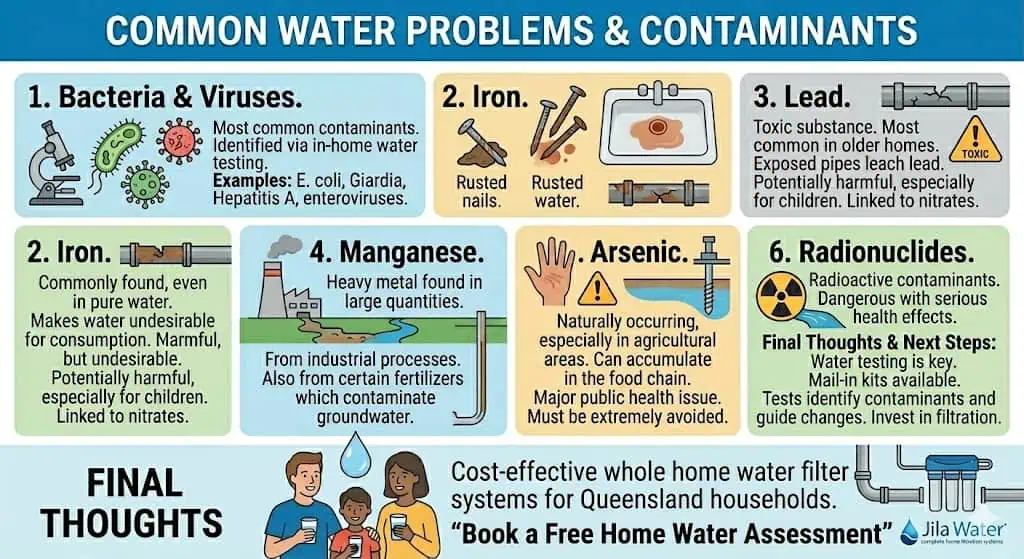
The Importance of Water Testing & Identifying Contaminants
Water testing helps Brisbane and SEQ homeowners understand what may be affecting their tap, tank or bore water before choosing a filtration system. This guide explains common contaminants, water quality warning signs, and when to book a free Jila Water home water assessment.
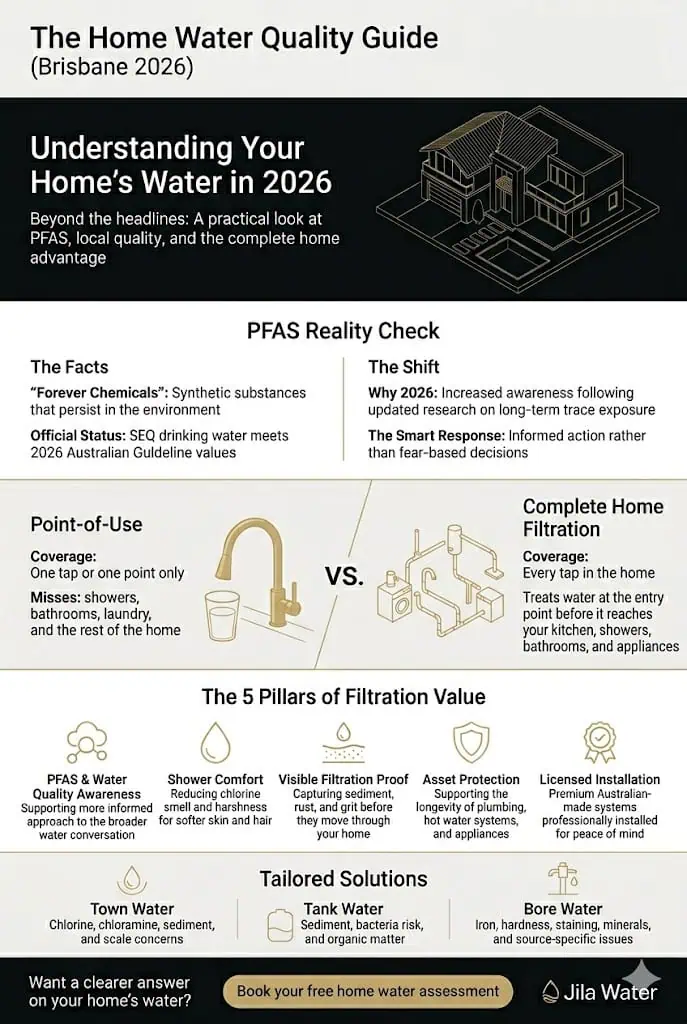
PFAS In Brisbane Water: What Homeowners Need to Know in 2026
Concerned about PFAS in Brisbane water? This practical 2026 guide explains what homeowners need to know, what current Australian advice means, and where complete home filtration fits.
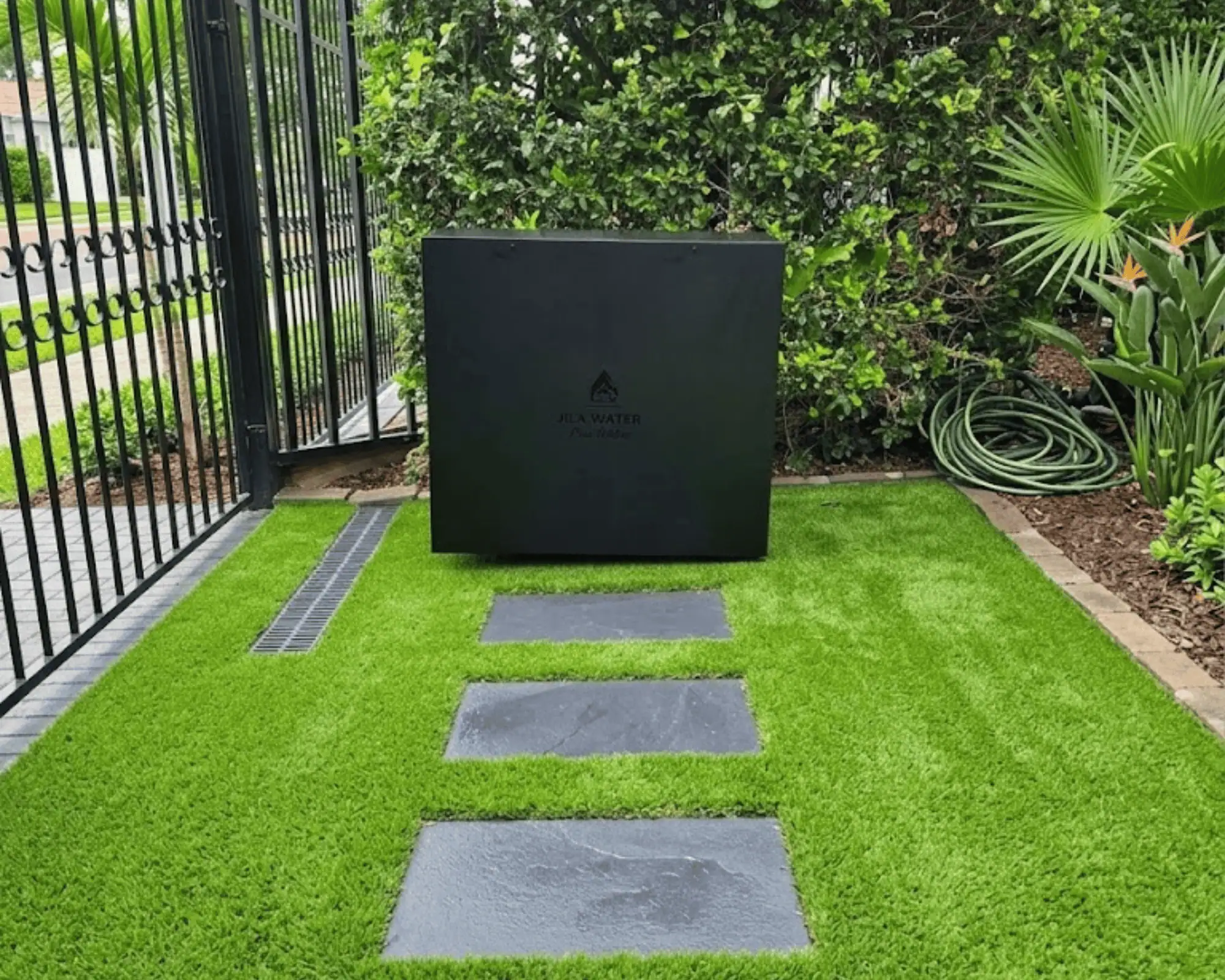
Home Filtration System Brisbane: Costs, Options & What To Buy 2026 | Jila Water
Home Filtration System Brisbane: Costs, Options & What To Buy | Jila Water BRISBANE & SEQ HOME FILTRATION GUIDE Home Filtration System Brisbane: what it
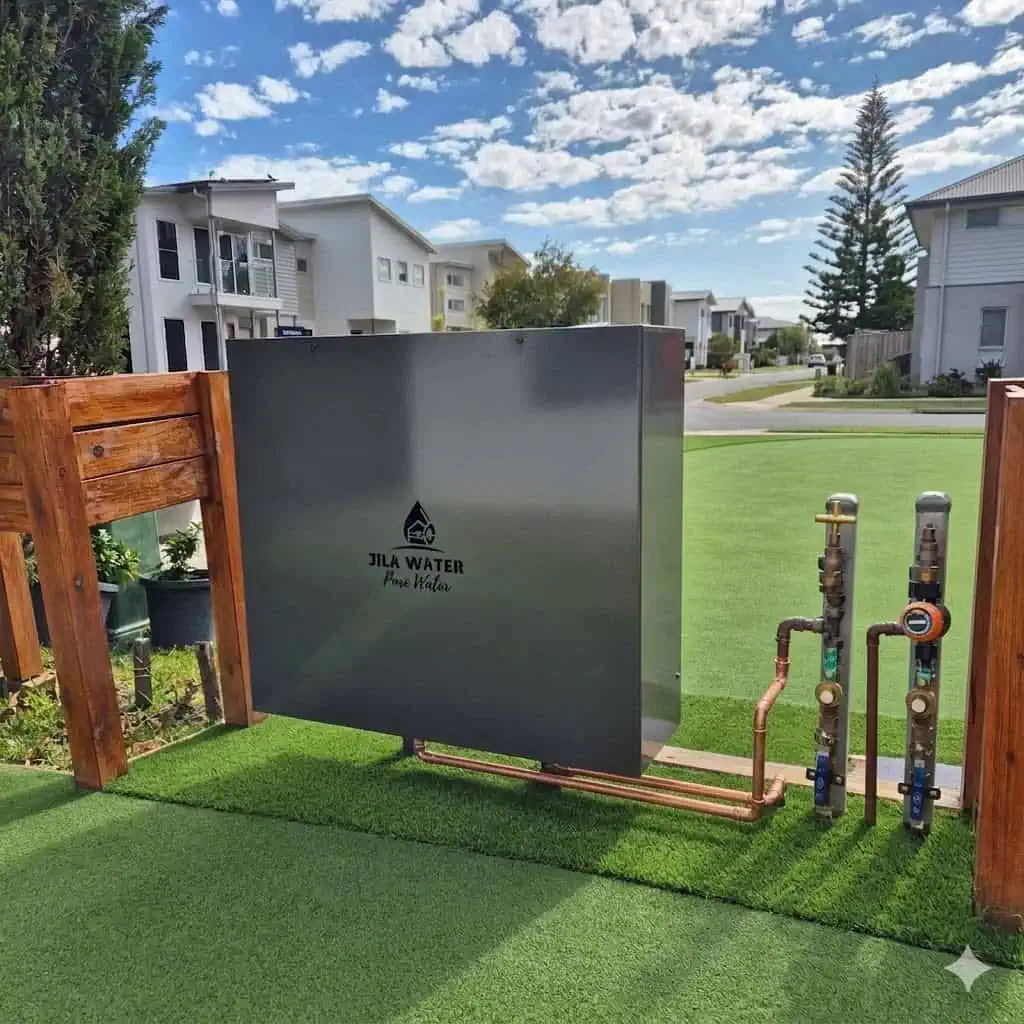
Complete home filtration Brisbane | Better Water at Every Tap
complete home Water filtration Brisbane Premium complete home filtration for better water at every tap. If you are researching whole home water filtration or complete
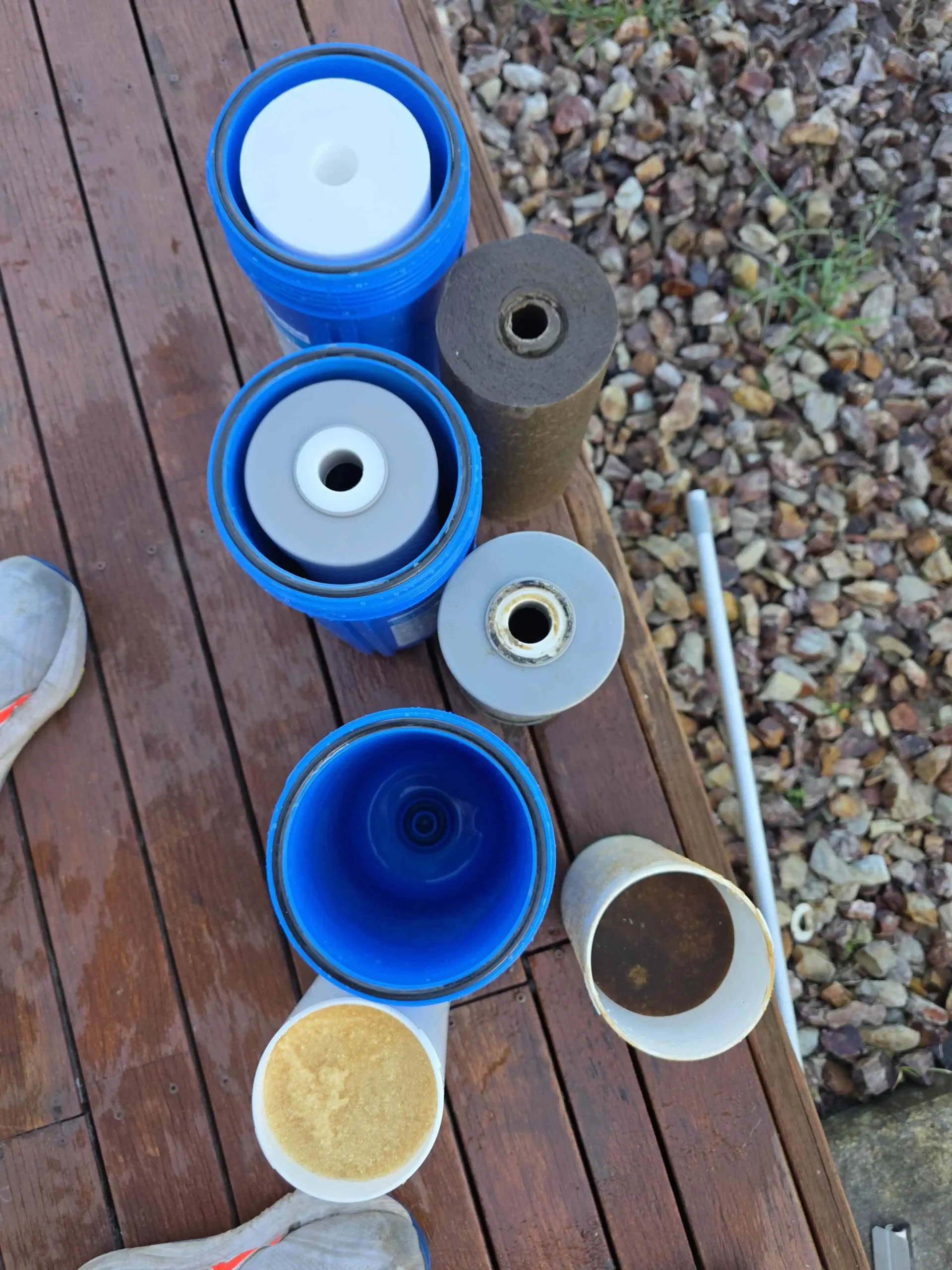
Whole House Water Filter Installation Guide for Australian Homes: Small Filters, Servicing, and What to Know Before You Buy
Whole House Water Filter Installation Guide Australia | Jila Water Whole House Water Filter Installation Guide Whole House Water Filter Installation Guide for Australian Homes: