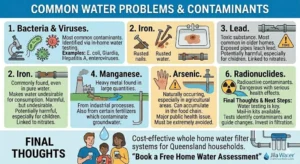
The Importance of Water Testing & Identifying Contaminants
Water testing helps Brisbane and SEQ homeowners understand what may…
Read More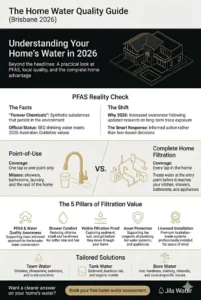
PFAS In Brisbane Water: What Homeowners Need to Know in 2026
Concerned about PFAS in Brisbane water? This practical 2026 guide…
Read More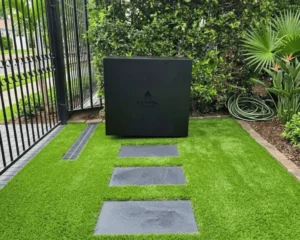
Home Filtration System Brisbane: Costs, Options & What To Buy 2026 | Jila Water
Home Filtration System Brisbane: Costs, Options & What To Buy…
Read More
Complete home filtration Brisbane | Better Water at Every Tap
complete home Water filtration Brisbane Premium complete home filtration for…
Read More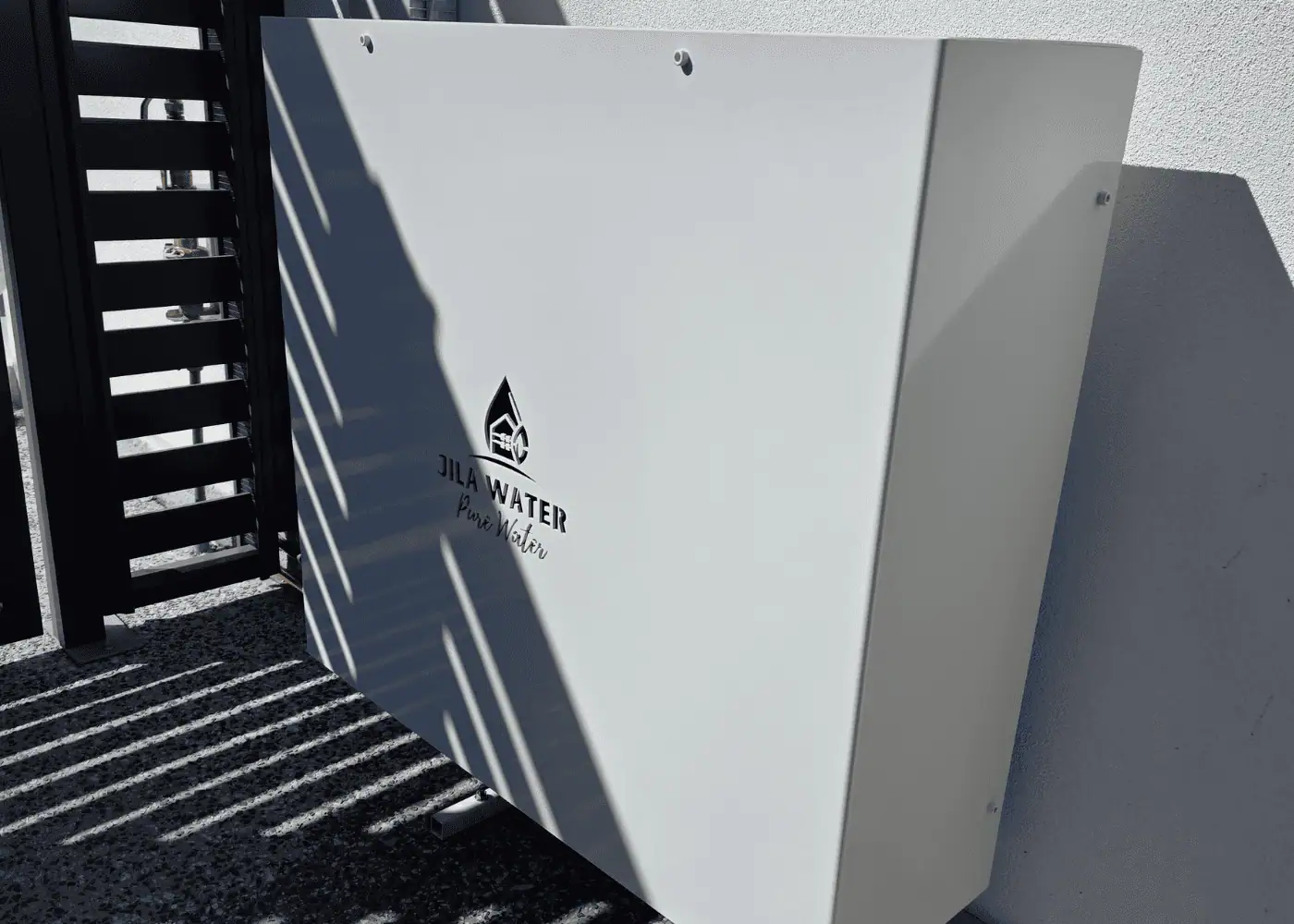
The right water filter system can change more than your drinking water.
The right water filter system can change more than your drinking water.
If your showers smell like chlorine, your taps mark up too fast, your kettle scales up, or your family simply wants more confidence in the water coming through the home, this guide was built for you. It is a premium, people-first breakdown of how to choose a water filter system in Australia in 2026 without getting lost in generic claims, cheap hardware, or one-size-fits-all advice.
Why more Australians are searching for a water filter system in 2026
The phrase water filter system used to send most people toward small drinking-water products. In 2026, the search intent is broader. Families are comparing whole home water filtration systems, home water filter systems, whole house water filters, under sink water filters, and water softener alternatives because they are trying to solve a more complete household problem.
The trend is being driven by a few overlapping realities. First, the June 2025 NHMRC update lowered and revised the Australian health-based guideline values for several PFAS compounds, pushing “what exactly is in our water?” back into everyday conversation. Second, consumers are becoming more compliance-aware, with WaterMark and lead-free plumbing rules now front-of-mind for anyone installing products connected to drinking water. Third, the modern buyer wants more than technical performance. They want better taste, better shower comfort, less visible buildup, lower bottled-water dependence, and a finished system that does not make the side of the house look cheap.
That is where most pages still fall short. They talk about “clean water from every tap”, but they do not do enough to help a homeowner choose the best water filter system for home use, understand when a whole home water filter is a better move than a single tap solution, or see how Australian compliance and maintenance affect the real decision.
What families are really trying to fix
- Chlorine smell or chemical taste from mains water
- Dryer-feeling showers, rough hair, or harsher bathroom water
- Scale marks on glass, taps, kettles, and appliances
- Worry about PFAS, heavy metals, sediment, or treatment by-products
- Too many “patch” fixes like bottled water, fridge filters, and shower heads
- A desire for one premium solution instead of multiple small compromises
What the top-ranking water filter system pages still leave out
A live review of leading Australian competitors shows strong surface-level messaging, but also a clear opening. PureFlow leans into clean water from every tap, lifestyle benefits, and free consultation. Complete Home Filtration pushes customisation and free in-home quoting. Puretec offers range depth, product variety, and polished merchandising. Those are all useful. But as a category, they still leave room for a page that combines updated PFAS context, system-selection clarity, compliance guidance, premium ownership thinking, and stronger whole-home decision support in one place.
| Brand / page pattern | What they do well | What is still missing | How this Jila guide wins |
|---|---|---|---|
| PureFlow whole-house pages and buyer guide | Strong lifestyle framing, free consultation, talks about WaterMark and systems tailored to Australian conditions. | Less depth on 2025 PFAS guideline changes, limited decision framework for homeowners comparing whole-home vs single-point systems, and lighter premium ownership positioning. | This page adds current guideline context, a clearer buying framework, and stronger “why the right install matters” guidance. |
| Complete Home Filtration whole-home pages | Emphasises customisation and professional installation, with broad national positioning. | Home page education is thinner on compliance detail and practical buying criteria; PFAS messaging is present but not fully integrated into the main decision path. | This page helps readers understand what to ask, what to compare, and how to avoid generic system selection. |
| Puretec category/product grid | Excellent product breadth, polished merchandising, strong colour/finish appeal. | Commerce-first structure is weaker for a homeowner still learning; less advisory depth for family buyers who need guidance before they buy. | This page is built to rank informational-commercial intent and move readers into a tailored assessment, not just product browsing. |
| Most category pages | Promise cleaner water, better taste, and full-home coverage. | Do not fully explain source-water differences, maintenance realities, compliance questions, or premium installation outcomes. | Jila positions the system as a complete home upgrade with testing, recommendation, install quality, aftercare, and clarity. |
What a water filter system should help you improve
Many homeowners start here first. If the water tastes flat, smells chemical, or leaves an aftertaste, a properly selected carbon-based filtration stage is often part of the answer.
Water quality is not just about the glass you drink. It is the water on your skin, your scalp, your kids’ bath water, and the hot shower steam filling the bathroom.
A quality setup can help manage the issues that leave spotting, buildup, and added maintenance pressure on fixtures, appliances, and plumbing pathways.
The best system is the one matched to your source water, household size, home layout, and actual concerns, then installed properly and maintained on time.
What the latest research means for homeowners
A smarter 2026 buying decision starts with context, not panic. Australia’s water supply is regulated, but the conversation has become more nuanced. The updated NHMRC PFAS guidance, new WaterMark resources, and continued reporting on local contamination stories have all reminded homeowners that “regulated” does not mean “never question what is in your water or how you want to treat it at home”.
That is also why water filtration systems for Australian homes are now crossing over with broader home-improvement intent. Families are not only asking “Is my tap water safe?” They are asking whether there is a better daily standard they want to live with. Better water for cooking. Better-smelling showers. Less dependence on bottled water. Cleaner fixtures. Better long-term system quality. Those are home-upgrade decisions as much as health and taste decisions.
What a great page should tell you honestly
- No single filter media solves every water issue.
- Mains water and tank water usually need different filtration logic.
- PFAS discussions need to be specific, not thrown around as vague fear marketing.
- “Soft water feel” and actual hardness removal are not always the same thing.
- Compliance, flow rate, serviceability, and install quality matter just as much as marketing claims.
- The best starting point is usually a proper water assessment, not guessing from a brochure.
Not sure whether you need a whole-home water filter, an under-sink solution, or both?
Start with clarity. Jila Water can assess your water source, household usage, and what you actually want to improve before recommending the right path.
The 7-point checklist for choosing the best water filter system for your home
Know your water source
Town water, tank water, bore water, and mixed supply situations should not be treated as the same problem. The correct media, pre-filtration, and optional add-ons can change significantly depending on the source.
Decide whether one tap is enough
If your real issues are shower smell, bathroom comfort, appliance buildup, or wanting cleaner water from every outlet, a single drinking-water tap system will not solve the whole-home experience.
Match the system to the concern
Taste and odour, sediment, scale management, tank-water sanitisation, and PFAS concerns are not the same. Ask what each stage is actually doing and why it belongs in your system.
Check compliance properly
If products connected to your plumbing require WaterMark certification, your installer needs to work within those rules. In 2026, lead-free requirements are becoming even more important for products in contact with drinking water.
Think about flow and family usage
A family home needs the right cartridge size, service interval, and flow design. This is where 10-inch versus 20-inch systems and other layout choices start to matter.
Do not ignore presentation
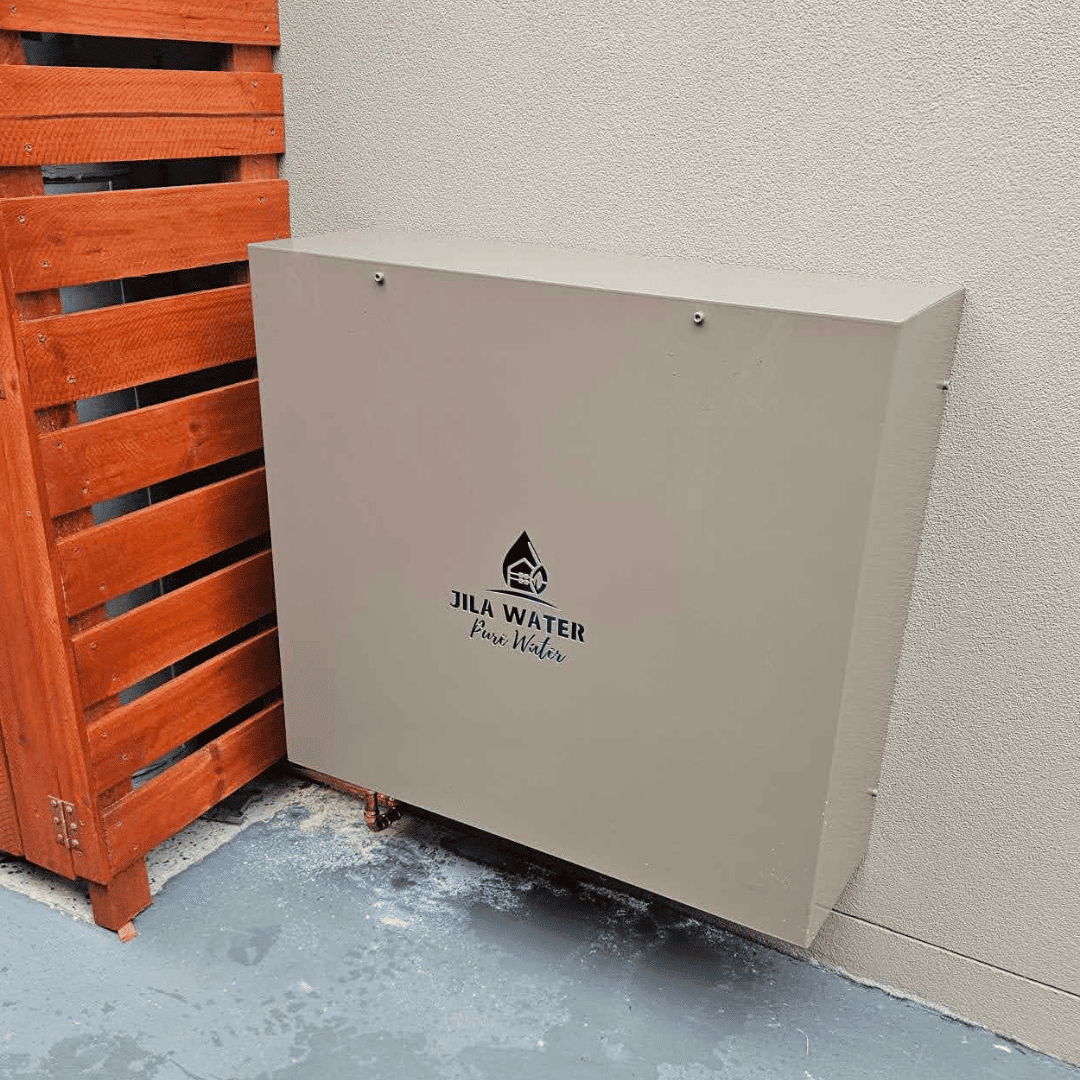
A premium system should not look like a cheap plastic afterthought. If it is being installed on your home, finish quality, enclosure quality, and neat pipework matter.
Ask about ownership after install
Service reminders, genuine replacement filters, aftercare, warranty clarity, and access to local support are all part of the real value equation, not just the day-one price.
Jila Water treats a water filter system like a complete home upgrade
Jila Water is built around a different idea: the right water filtration system for home should not feel like a random box sold off a shelf. It should be assessed, tailored, installed properly, and finished in a way that suits the property. That is why Jila starts with a free home water assessment, not a blind product push.
Depending on your water and goals, a Jila whole-home setup may combine staged sediment protection, carbon-based filtration for chlorine, smell and taste improvement, and conditioning logic to better manage harsh-feeling water and scale-related frustrations. For tank-water properties, other stages such as pre-filtration and UV-based strategies can be part of the conversation where appropriate. The point is not to pretend one filter solves everything. The point is to match the build to the home.
The physical system is also part of the difference. Jila focuses on premium enclosures, stronger materials, stainless steel internals, professional licensed-plumber installation, and colour-conscious presentation that feels worthy of a quality Australian home. That matters because the system is supposed to improve the home, not cheapen it.
- Whole-home protection across kitchen, bathrooms, showers, laundry and daily household use
- 10-inch and 20-inch family-sized configurations depending on flow and usage needs
- Tailored advice for mains water and tank water rather than generic bundles
- Professional installation with premium finish options and stronger visual presentation
- Aftercare pathways including filter replacement support and warranty visibility
How a premium whole-home water filter system is usually built
Stage 1: protect downstream performance
A sediment-focused first stage helps capture dirt, rust, and visible particles before they push deeper into the system or travel through the home.
Stage 2: improve the daily water feel
This is where the system starts addressing the things people complain about most often: chlorine smell, unpleasant water feel, and broader whole-home quality concerns.
Stage 3: finish for taste, smell and everyday confidence
The final stage refines the water experience where most families notice it fast: better-tasting water, better-smelling showers, and a cleaner daily feel from every tap.
Some homes need more than this. Some need less. That is exactly why serious system selection starts with testing and context rather than guesswork.
See the difference between a basic filter pitch and a premium whole-home result
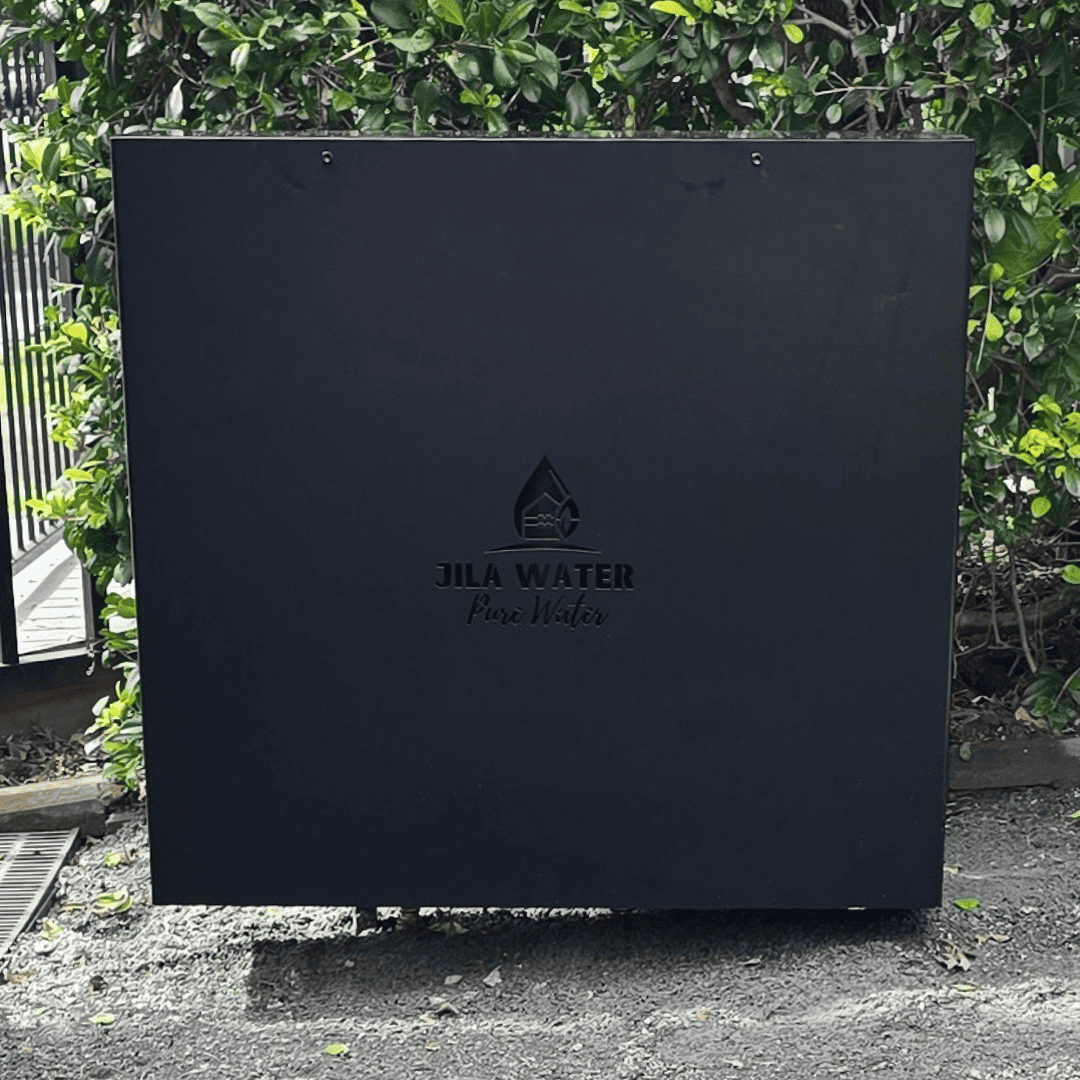
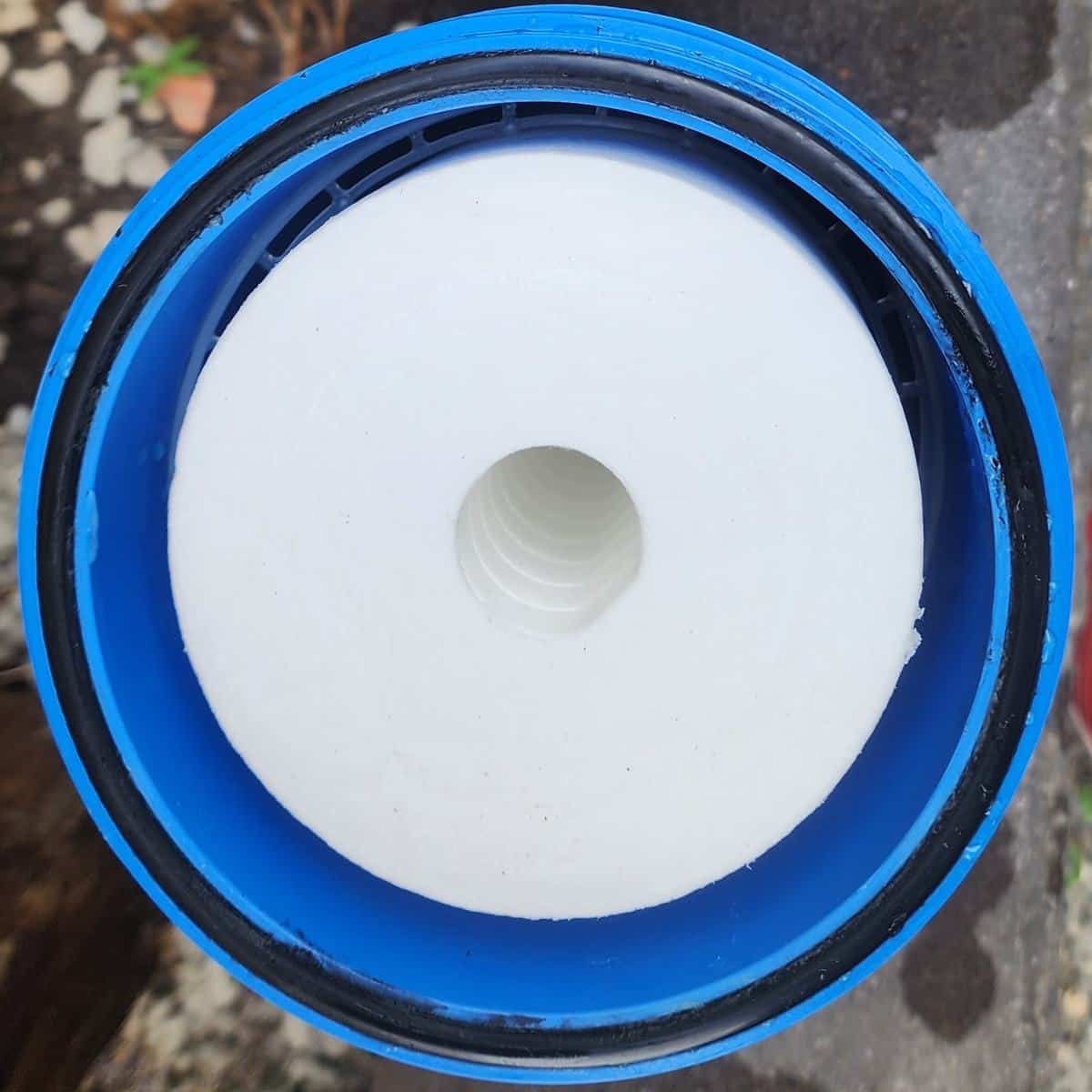
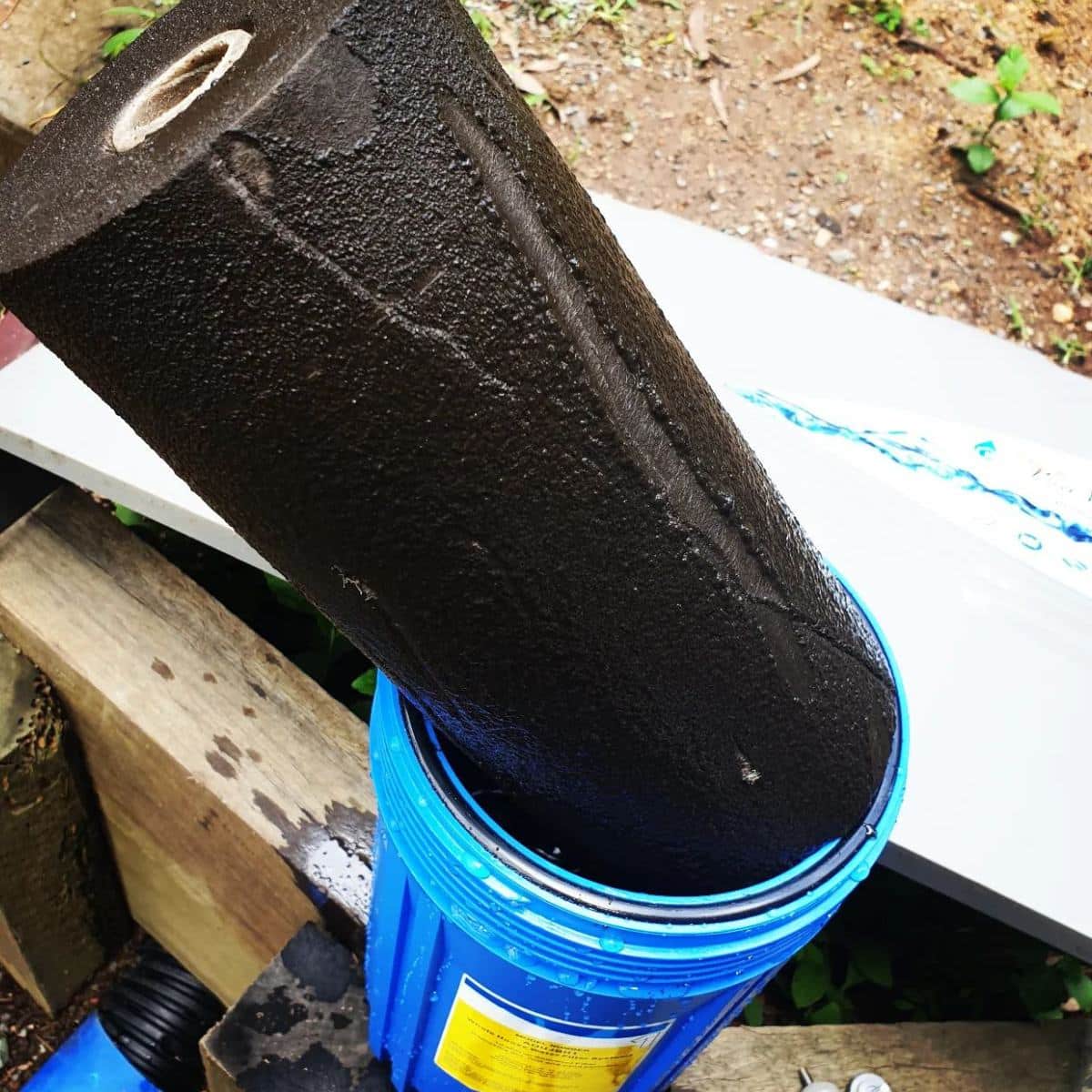
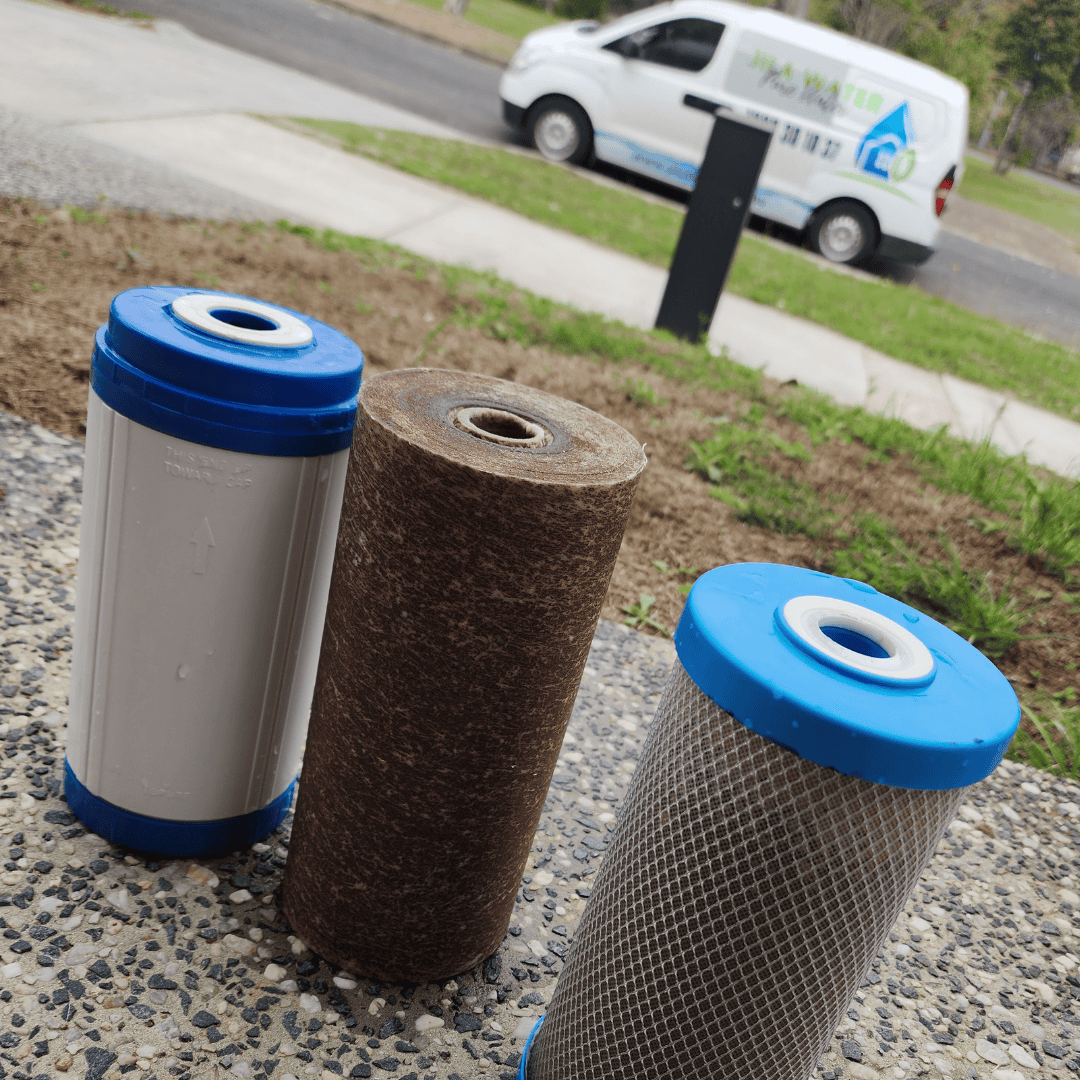
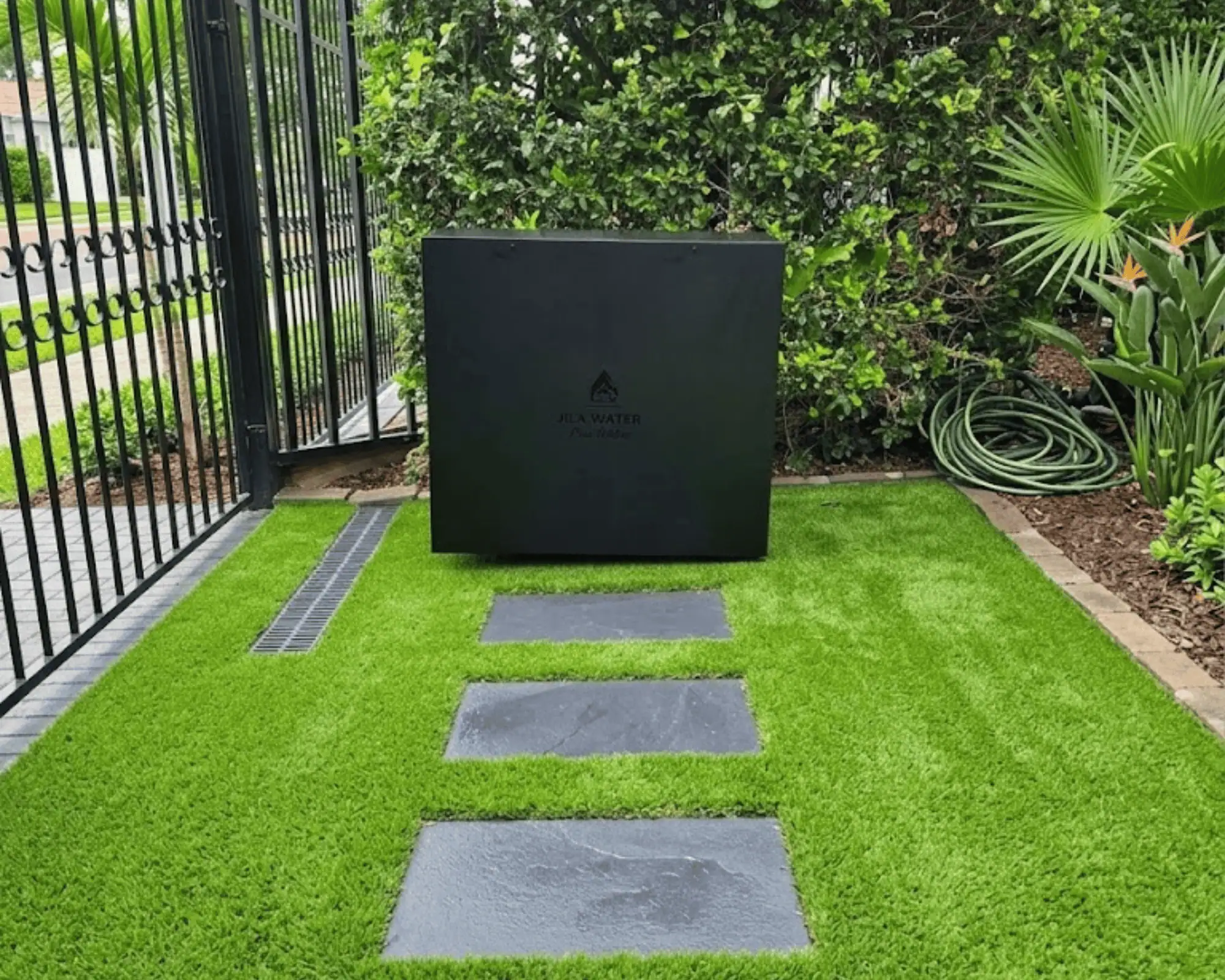
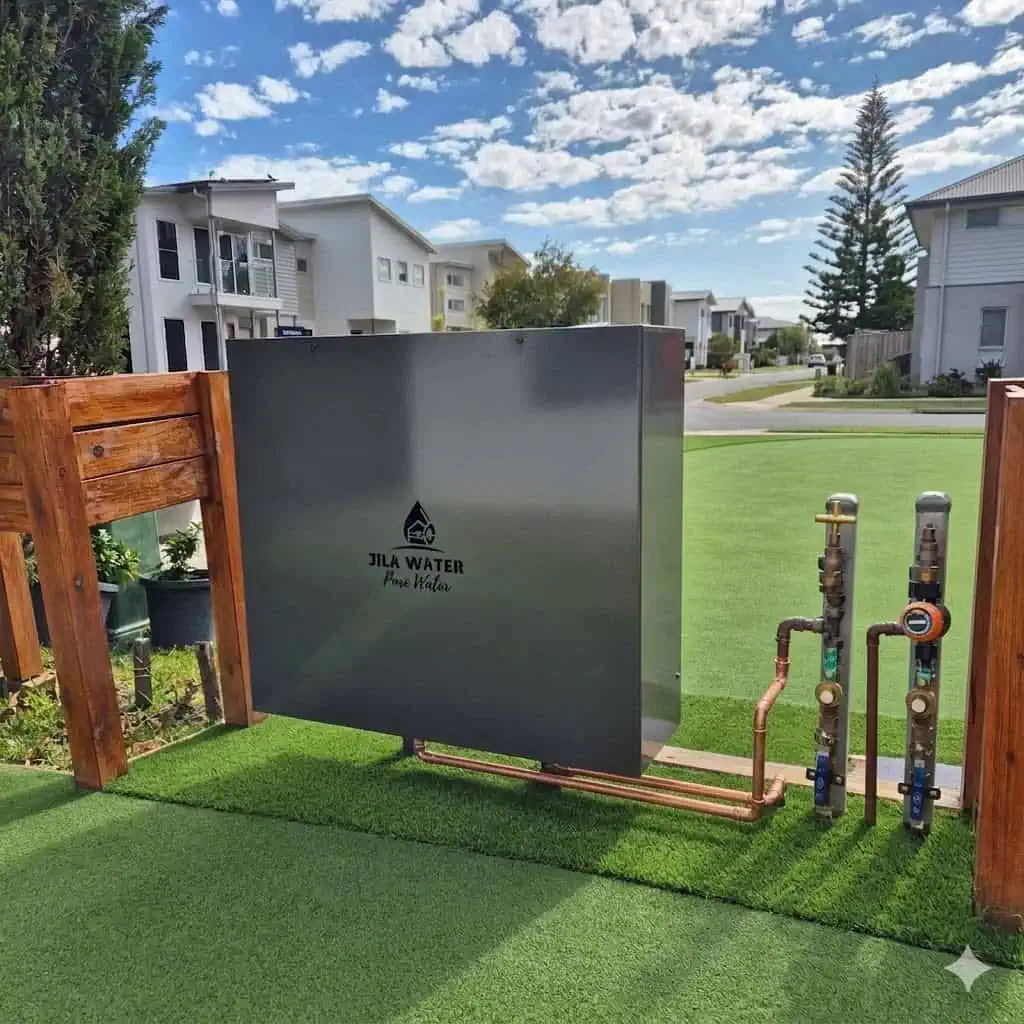
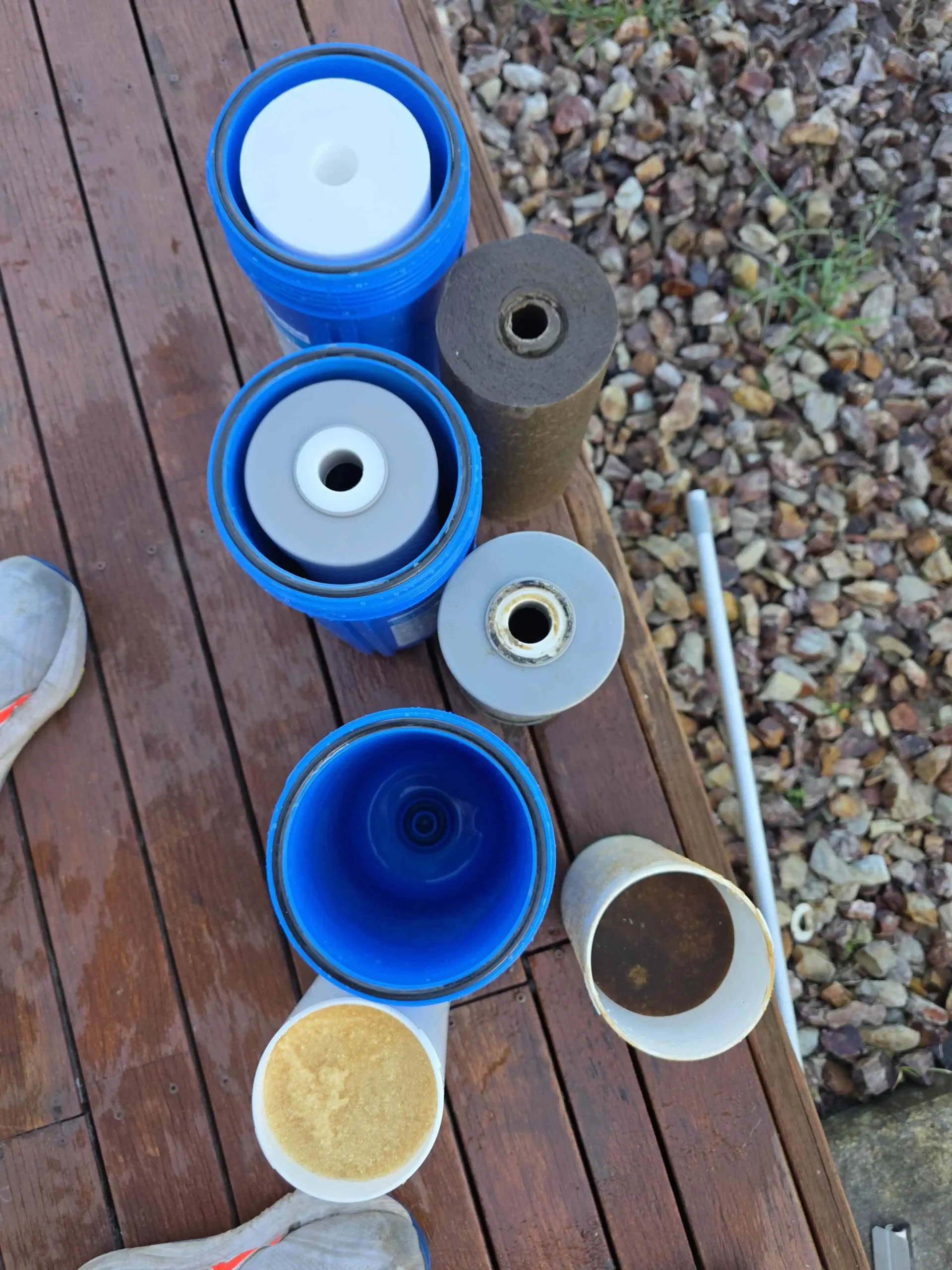
A great water filter system page should not rely on abstract promises. It should show you what the installation looks like, what the filter media may catch over time, and how the finished system feels as part of the home. That is where Jila Water has a real advantage.
Most homeowners do not need more information. They need the right next step.
Book the assessment, show us the property, tell us what bothers you about your water, and let Jila guide the right system path for your home.
Keep exploring the right path for your home
Whole Home Systems
Explore Jila Water’s whole-home filtration approach, ownership details, and family-sized options.
View whole-home systems →Kids Healthy Habits
See how cleaner, better-tasting water supports healthy hydration habits at home.
See the family hydration page →Water Filtration FAQ
Read practical answers about installation, servicing, tank water, mains water, and sizing.
Read the FAQ →Jila Water Blog
Dive deeper into better water, system choice, home comfort, and filtration education.
Browse the blog →Warranty & Aftercare
See how Jila thinks about ownership, records, support, and long-term system confidence.
Review warranty info →Contact Jila Water
Prefer to ask a few questions before you book? Speak with the team directly.
Contact Jila Water →Water filter system FAQs for Australian homeowners
What is a water filter system?
Is a whole-home water filter system better than a single-tap filter?
Do water filter systems remove PFAS?
Can a water filter system help with chlorine smell and taste?
Will a water filter system soften hard water?
How often do water filter systems need replacement filters?
Do I need WaterMark-certified plumbing products?
How much does a whole-home water filter system cost in Australia?
Can Jila Water help with mains water and tank water?
The smartest next move is not guessing.
Book the assessment. Get clear answers. Find out whether your home needs a whole-home system, a single-point solution, or a tailored combination.
Key 2025–2026 references used to shape this page
This guide was written around live Australian guidance, compliance updates, and market review rather than recycled old blog content. That includes NHMRC’s June 2025 PFAS guideline update, Seqwater’s PFAS guidance summary, WaterMark resources from the Australian Building Codes Board, current competitor positioning from PureFlow, Complete Home Filtration, and Puretec, and recent coverage showing why PFAS and whole-home water quality remain active consumer topics in 2026.
- NHMRC – Updated Australian Drinking Water Guidelines (June 2025)
- NHMRC – PFAS review in Australian drinking water
- Seqwater – PFAS and drinking water
- ABCB WaterMark – What is WaterMark?
- ABCB – Lead-free plumbing products
- PureFlow – Whole House Water Filters
- PureFlow – Whole house buyer guide
- Complete Home Filtration – Whole home water filters
- Puretec – Whole house water filter systems
- ABC News – PFAS contamination reporting (February 2026)
Whole Home Filtration Australia | Premium Water Filtration | Jila Water
Whole home filtration for modern Australian homes that want better water from every tap.
If you are searching for the best whole home filtration system in Australia, the smartest place to start is not a generic product list. It is a tailored recommendation based on your home, your water, your household use and what you actually want to improve.
Jila Water helps Brisbane, Queensland and Australian homeowners move beyond single-tap filters and upgrade the water they drink, cook with, shower in and run through the home every day.
Homeowners are not just looking for a filter. They are looking for a better water experience.
Search intent around whole home filtration, whole home water filtration Australia, whole house water filter cost and complete home filtration usually sits in the middle of commercial and informational intent.
- ✓They want to know whether a whole-home system is worth it compared with a tap filter or undersink setup.
- ✓They want to understand what the system may target, how it affects showers, taste, smell and household comfort, and whether it can help with nuisance issues like sediment or scale.
- ✓They want to compare brands, installation quality, warranty, maintenance, system capacity and whether the company feels trustworthy enough to let into their home.
- ✓They want a premium recommendation without being pushed into a generic one-size-fits-all sale.
Built to rank, reassure and convert.
- ✓Clear heading structure for semantic SEO and featured-snippet relevance.
- ✓Commercial intent supported by education, not fear-first copy.
- ✓Premium visual presentation to match a high-ticket home upgrade.
- ✓Multiple conversion paths back to the free home water assessment.
- ✓Internal links that strengthen the wider Jila content cluster.
This page is written to compete for whole home filtration searches while keeping the positioning credible, premium and compliance-aware.
Why Jila has the stronger opportunity to win “whole home filtration” in Australia
The current organic market leaders each do something well. The gap is that none of them combine premium design, a tailored assessment-led sales path, Australian-context education and a high-conviction local ownership story in one page.
| Comparison Area | PureFlow | Complete Home Filtration | Puretec | Jila Water |
|---|---|---|---|---|
| Overall angle | Strong local sales page with lifestyle benefits and reviews | Award-led national trust positioning with broad benefits messaging | Deep product range and strong product architecture | Premium home-upgrade positioning with a tailored free assessment path |
| Best strength | Persuasive local trust and installer framing | Authority signals, logos, consultation-first lead capture | Catalogue depth, specs, range breadth and buyer options | Premium presentation, high-conversion CTA flow, real install proof and a clearer premium outcome |
| Weakness homeowners feel | Sales-forward and region-specific, with lighter educational depth | Broad and text-heavy, less premium in reading flow | Feels more like product browsing than guided premium decision-making | Assessment-first approach helps reduce confusion and lift lead quality |
| Luxury / premium feel | Moderate | Moderate | Functional, product-led | High — built to feel intentional, modern and premium |
| Conversion path | Free consultation CTA | Free in-home consultation CTA | Enquiry / browse range | Free Home Water Assessment repeated throughout the page |
| Best for | Buyers already sold on filtration | Buyers comparing installer brands | Buyers comparing product families | Buyers who want a premium recommendation, cleaner visuals and more confidence before they commit |
Why whole home filtration still makes sense even when mains water is regulated
This is the smarter 2026 position: public water can meet guidelines and homeowners can still want a better experience from the water moving through their home.
Updated Australian guidance matters
Homeowners are more aware of PFAS and broader drinking water conversations than they were a few years ago. The premium brand win is to educate cleanly and then recommend the right pathway for the property.
Taste, odour and shower feel still matter
Many households are not driven by panic. They are driven by what they notice: chlorine smell when hot water runs, less enjoyable drinking water, or a rougher-feeling experience through the home.
Hardness and household nuisance issues are real
Even when the supply is considered acceptable, homeowners can still want help with scale, soap performance, glass spots, appliance presentation and a more refined whole-home result.
The Jila position
Whole home filtration is not about pretending every home has the same problem. It is about using a proper home water assessment to understand whether your main concern is chlorine smell, taste, odour, sediment, hardness-related nuisance issues, household comfort, plumbing presentation or simply wanting a more complete premium setup than a single-point filter can ever provide.
Why more families are upgrading to whole home filtration instead of just filtering one tap
Better-tasting water from the taps you already use
You should not need to keep bouncing between bottled water, jug filters and one isolated kitchen solution when the whole property can be treated more intelligently.
More enjoyable showers and bathroom water
Many homeowners first notice the difference in the shower. Less chemical smell and a cleaner-feeling routine can be one of the biggest quality-of-life upgrades in the home.
Protection beyond drinking water
Kitchen water is only one part of the picture. Showers, bathrooms, laundry, fixtures and the broader household water path matter too.
A cleaner premium ownership experience
Assessment, installation, warranty clarity and aftercare matter just as much as filtration media when you are investing in a serious home upgrade.
Less dependence on multiple stop-gap products
A properly configured point-of-entry system reduces the need to patch together different filters across different rooms and routines.
A better fit for serious homes
When the presentation, finish and installation quality matter, a premium whole-home system feels far more aligned with the rest of the property.
A true whole-home system treats the water before it spreads through the property.
That is the real difference between a whole house water filter and a simple point-of-use setup. Instead of improving one outlet, the system is installed near where water enters the home so the benefits can reach showers, kitchen water, bathrooms, the laundry, fixtures, plumbing and appliances.
Capture sediment first
A 1 micron sediment pre-filter helps reduce dirt, rust and visible particulate matter before water moves deeper into the filter train or further into the home.
Improve feel, comfort and household performance
The middle stage is configured to better support the property’s needs and can help manage hardness-related nuisance issues where that is part of the home’s profile.
Finish with high-performance carbon filtration
This is where the system is designed to target the things homeowners most often notice: chlorine, chloramine, taste, odour and broader water-quality goals based on source water and media selection.
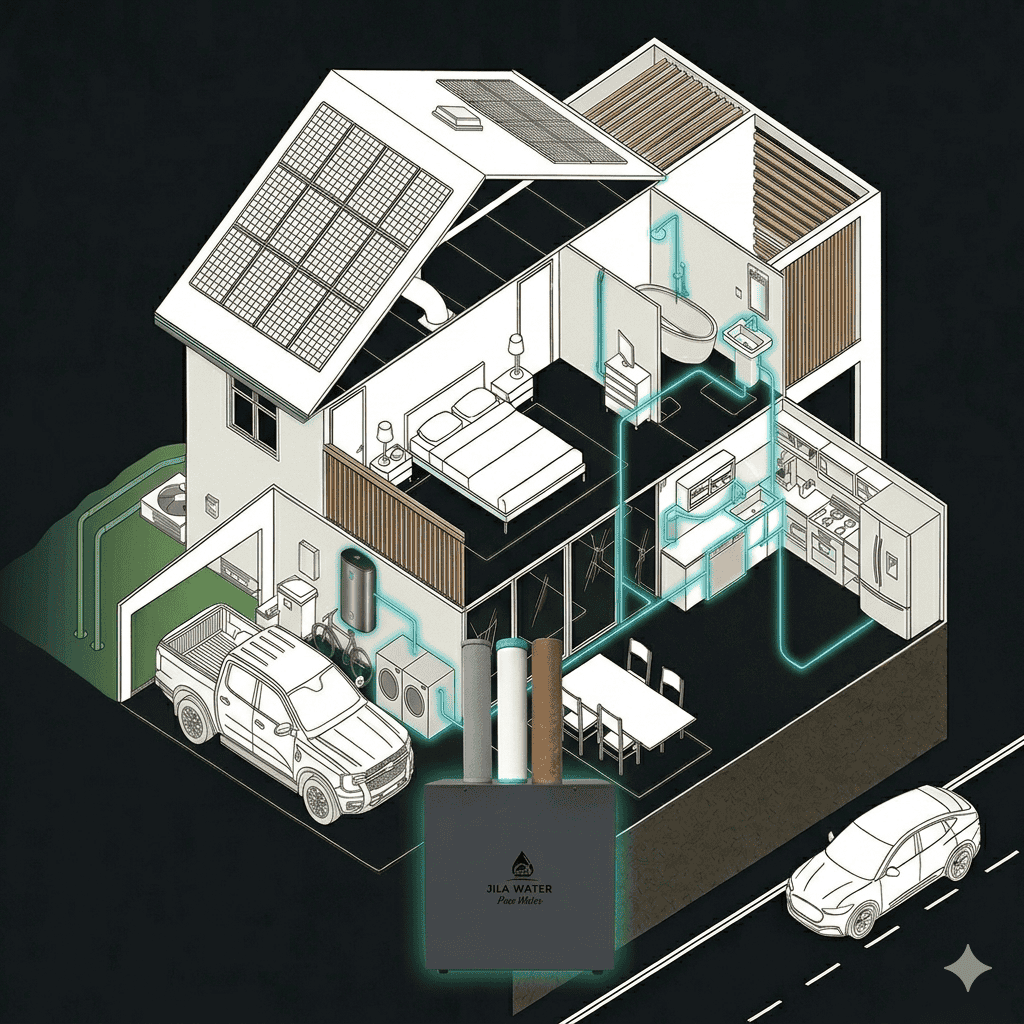
More than a drinking water filter
A whole home water filtration system is designed to improve the water you live in every day — not just the water you pour from one dedicated tap.
- ✓Kitchen water
- ✓Showers and bathrooms
- ✓Laundry and household use
- ✓Fixtures, plumbing and appliance pathways
Choose the right whole home filtration system for your family, flow demand and property.
The right system is not just about price. It is about household size, water source, usage patterns, site access, preferred service life and whether you want the more compact premium option or the higher-capacity premium option.
10" x 4.5" premium whole-home system
Ideal for homeowners who want a premium entry into true whole-home filtration with a cleaner installation footprint and every-tap coverage across the property.
- Filter size10" x 4.5"
- Stage 11 micron sediment pre-filter
- Stage 2CrystalSoft Fusion softener resin
- Stage 30.5 micron SilverGuard Ultra carbon block
- Best forPremium whole-home upgrade with smaller footprint
- PathwayTailored media selection based on your home and goals
20" x 4.5" high-capacity premium system
Designed for families who want the bigger premium setup with larger cartridges, stronger service life potential and a more robust whole-home solution for higher-demand households.
- Filter size20" x 4.5"
- Stage 11 micron sediment pre-filter
- Stage 2Premium CrystalSoft Fusion resin
- Stage 30.5 micron SilverGuard Ultra carbon block
- Upgrade optionsTargeted media requests and technical finish upgrades
- Best forHigher-demand homes wanting premium capacity
Inside every premium Jila build
- ✓Tailored whole-home filtration built around your water source and household goals
- ✓Targeted goals around chlorine, chloramine, sediment, odour and broader nuisance contaminants depending on setup
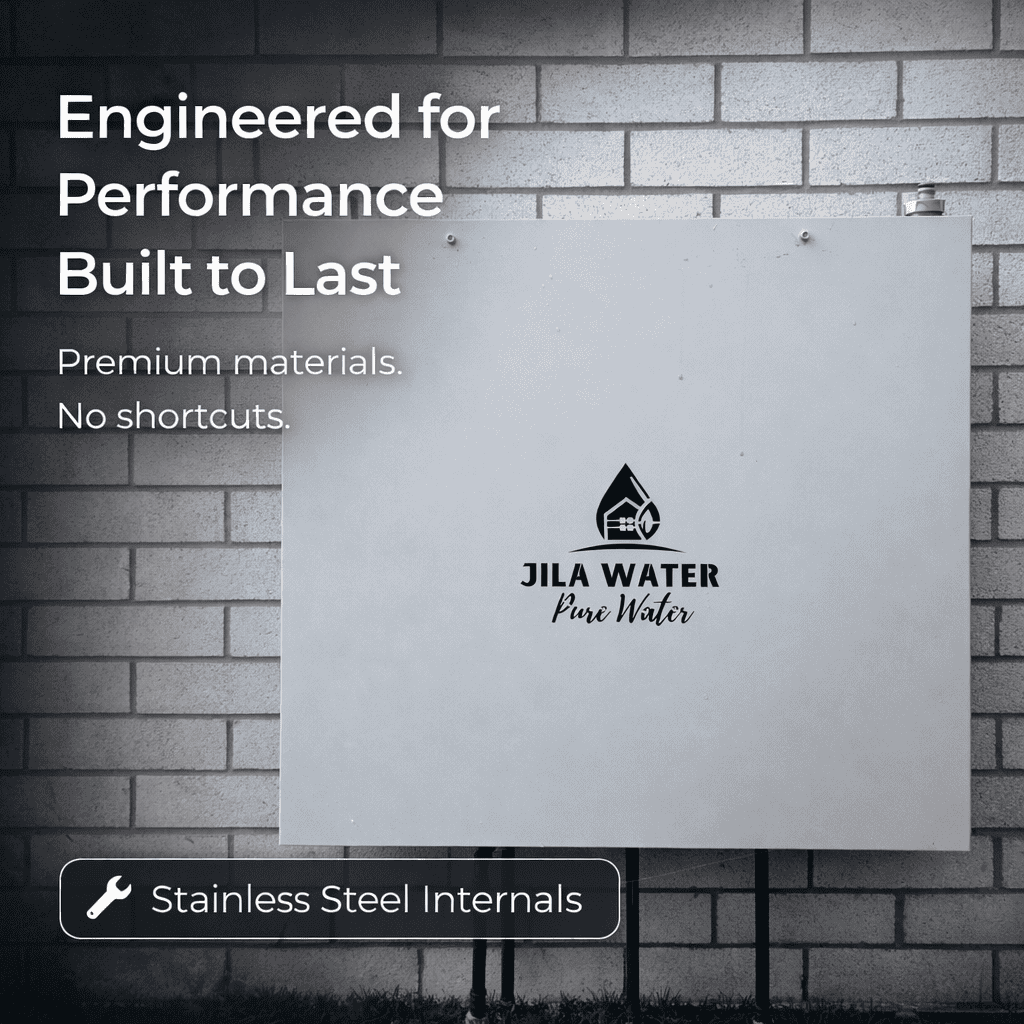
- ✓Stainless steel inserts used throughout published core system builds
- ✓Colour and finish options that better suit premium homes
- ✓Standard warranty with cleaner service and aftercare pathway
- ✓Assessment-first recommendation instead of a pushy generic bundle
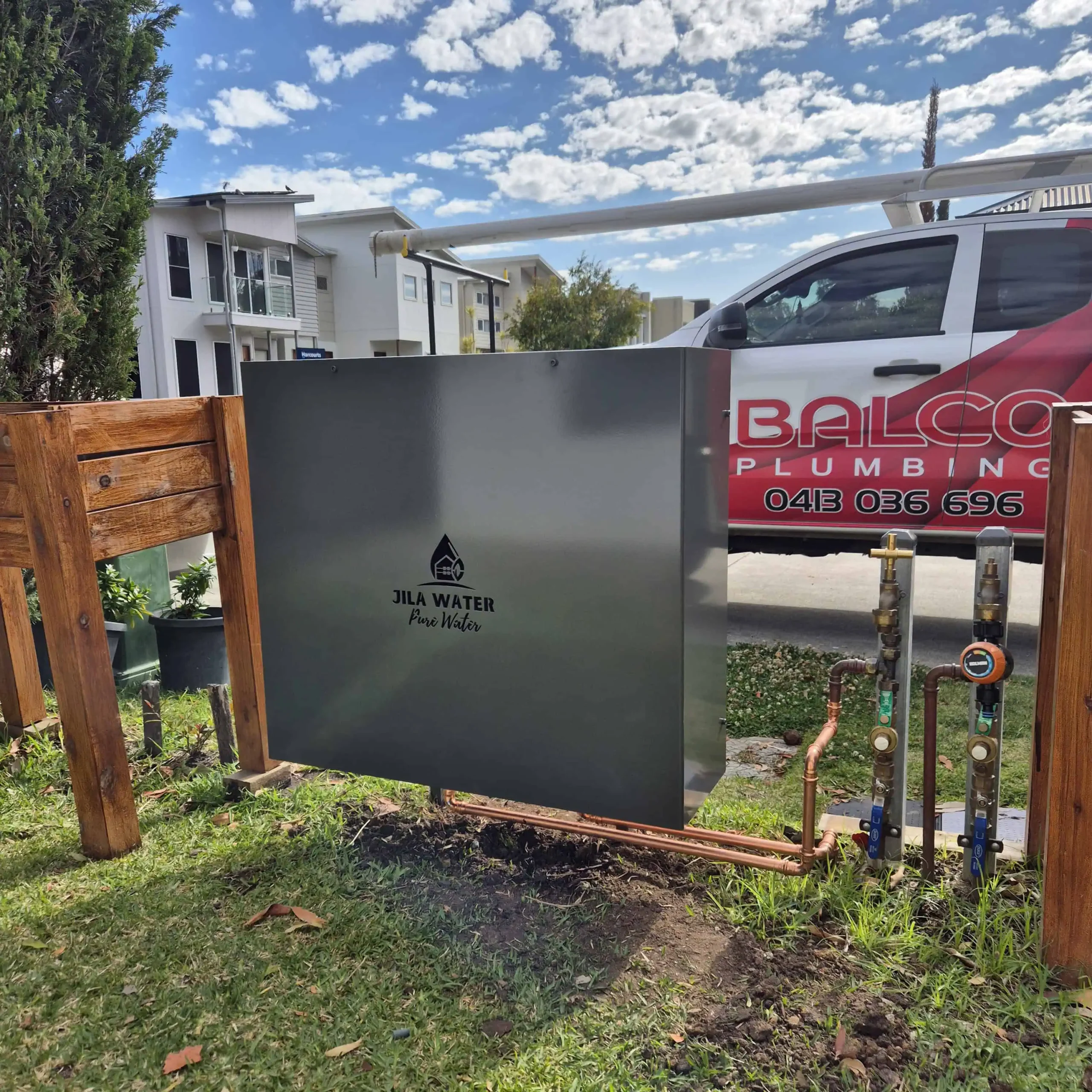
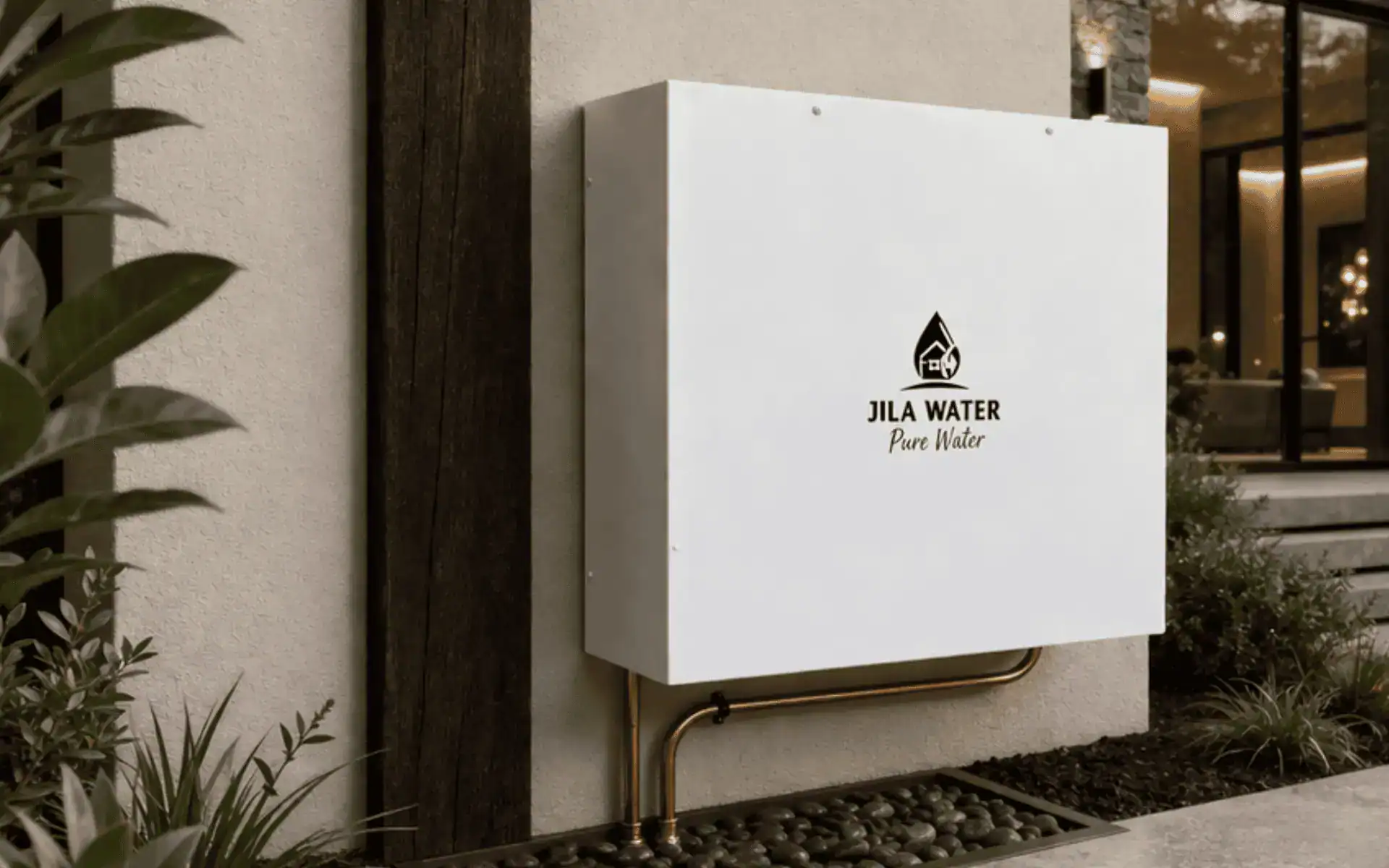
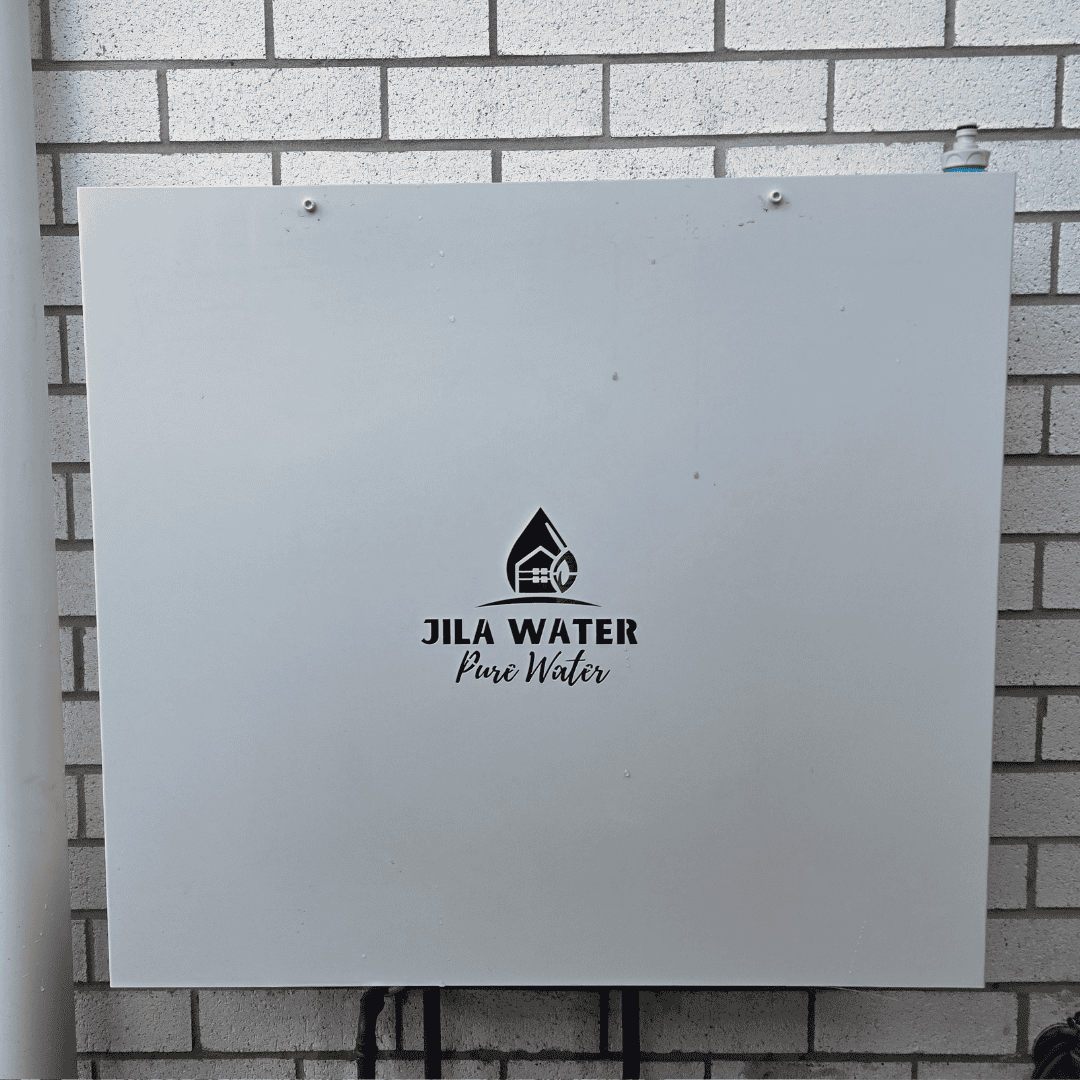
Built to look as good as they perform.
Premium buyers do not just want to hear that the system works. They want to see real install quality, a cleaner finish and visible proof that the filtration is doing something meaningful.
How much does whole home filtration cost in Australia?
Serious homeowners usually ask this early, and that is fair. But the better question is: what are you actually comparing?
- ✓One isolated drinking water solution vs treating the whole home
- ✓Compact vs higher-capacity system platform
- ✓Generic imported presentation vs premium build quality and finish
- ✓DIY / transactional installation vs licensed plumber installation and aftercare
- ✓Water-source-specific tailoring vs one-size-fits-all bundles
- ✓Short-term sticker price vs long-term ownership experience
- ✓Whether the system also solves the shower, bathroom and laundry side of the problem
- ✓How well the install will actually suit the home visually
The fastest way to get a sensible answer is the free home water assessment, where Jila can recommend the right system size and setup for your property rather than pushing a generic quote.
Answers homeowners ask before upgrading to whole home filtration
Do I really need whole home filtration instead of just a tap filter?
What does Jila Water target in a whole house water filter setup?
What is the difference between the 10" and 20" systems?
Can whole home filtration help with chlorine smell in the shower?
How often do filters need replacing?
Is whole home filtration worth it in Queensland?
What makes Jila different from generic whole house filter systems?
What should I do next if I am still comparing options?
Explore the wider Jila Water ecosystem while keeping this page commercially focused.
These internal links help support semantic relevance around whole home water filtration, family health, aftercare, FAQs and conversion intent.
Want the right whole home filtration setup without the generic sales pitch?
Book your free home water assessment and get a recommendation built around your home, your water and the result you actually want — whether that is better-tasting water, cleaner showers, less chlorine smell, stronger household confidence or a more premium long-term filtration solution.
No obligation. No pressure. Just clearer advice about your water, your home and the best next step.

Water Fluoridation & Better Water At Home | Jila Water
Jila Water Knowledge Hub
Water Fluoridation In Tap Water: What Brisbane Homeowners Should Know Before Choosing Complete Home Filtration
Most homeowners are not looking for a debate. They are trying to work out one simple thing: what is actually in their water, what matters for their family, and what is the smartest way to filter it properly?
I’m James from Jila Water, and this is a conversation I have all the time across Brisbane and South East Queensland. Some families ask about fluoride in tap water. Others are more frustrated by chlorine smell, harsh shower water, poor taste, or the feeling that they want more control over what comes into their home every day.
Ask about free installation or 20% off your system. No obligation. Just clearer advice on the right next step.
In this article
- What is water fluoridation?
- Why some homeowners still want to filter fluoride
- Brisbane mains water vs tank water
- How fluoride removal actually works
- Whole-home vs under-sink filtration
- Signs you need more than a basic filter
- Installation and system design
- Common myths and mistakes
- Who benefits most
- Frequently asked questions
What is water fluoridation?
Water fluoridation is one of those topics that gets emotional quickly, but for most homeowners the real issue is much more practical. They want to know whether their water is worth filtering, what matters most in their own home, and whether a whole-home system makes more sense than another small filter under the sink.
That is the reason this article matters. It is not here to create panic. It is here to help you think more clearly about your water, your home, and the smartest path to better everyday water quality.
For many homes, the water conversation is not just about one single concern. It is usually a mix of things:
- better drinking water for the family
- less chlorine smell and chemical taste
- better shower water
- less reliance on bottled water
- better confidence in the water running through the entire home
That is why complete home filtration often becomes the stronger long-term move. It solves the broader whole-home experience first, then lets you design more specifically for any dedicated drinking-water priorities where needed.
Not sure whether fluoride is the real issue in your home?
Start with the smarter first step. We assess the home, the water source, and what you actually want fixed before recommending anything.
Why some homeowners still want to filter fluoride
Most families are not asking about fluoride because they want a technical argument. They are asking because they want more control over what comes into their home every day.
They want water that tastes cleaner. Water that feels better in the shower. Water they feel more confident drinking, cooking with, and giving to the kids. That is a very normal homeowner mindset, and it is exactly why more people look beyond the bare minimum and into proper filtration.
“We just want better water at home.” “The shower smells like a pool.” “We are sick of buying bottled water.” “We want to know the right solution before we spend the money.”
That is the language I hear constantly. And it is why I always prefer an assessment-first approach. If fluoride reduction is one of your goals, it should be designed for intentionally. But it should also sit inside the bigger whole-home conversation, not distract from it.

Brisbane mains water vs tank water: why the water source changes everything
One of the biggest filtration mistakes homeowners make is assuming every property should be treated the same way. It should not. Your water source changes the whole conversation.
Mains water homes
If you are on Brisbane or SEQ town water, fluoride may be part of the discussion. But for most mains-water homes, it is still only one part of the overall picture. Many families are just as focused on chlorine smell, taste, odour, sediment, shower feel, and wanting better water throughout the entire house.
Tank water homes
Tank-water properties are different again. In many of those homes, the bigger issues can be sediment, organic matter, roof catchment debris, storage quality, and whether staged filtration or UV should be part of the design.
That is why I never recommend copying a town-water setup onto a tank-water property without thinking. The water source should drive the system design.
If you want the broader overview first, visit our home filtration system guide or read the Jila Water FAQ.

Better water at every tap starts with one easy next step
Book your free assessment and we will show you what matters in your water, what suits your home, and which premium filtration path makes the most sense.
How fluoride removal actually works
This is where homeowners deserve a straight answer: not every water filter removes fluoride.
A lot of generic filter marketing makes it sound like one cartridge solves everything. It does not. Fluoride reduction usually needs the right technology and should be chosen intentionally based on the result you want.
- Basic sediment filters are good for particles but are not a fluoride strategy.
- Standard carbon filtration can be excellent for taste, odour, and chlorine-related issues, but fluoride reduction should never be assumed.
- Dedicated drinking-water systems can make sense where the kitchen tap is the main priority.
- Whole-home systems dramatically improve the overall water experience, but any fluoride target should be designed properly, not guessed.
In practical terms, many homes end up with the best outcome from a combination approach: premium complete home filtration for the broader every-tap experience, plus a more targeted drinking-water solution where that makes sense.
How whole-home filtration differs from under-sink filters
This is one of the most important distinctions for a homeowner, because a lot of people try to solve a whole-house issue with a single small filter.
| Option | Best for | What it handles well | What it misses |
|---|---|---|---|
| Basic under-sink filter | Single tap improvement | Taste, odour, some sediment depending on cartridge | Does nothing for showers, bathrooms, laundry, plumbing, or the rest of the home |
| Dedicated drinking-water system | Kitchen tap water quality | Targeted drinking and cooking water improvement | Still only treats one point of use |
| Complete home filtration | Whole-home water experience | Better shower water, reduced chlorine smell, sediment protection, cleaner every-tap water | Specific fluoride reduction should be planned intentionally |
| Whole-home + drinking-water stage | Families wanting the strongest overall outcome | Better water throughout the house plus targeted drinking-water treatment | Needs a tailored design rather than guesswork |
Signs you need more than a basic filter
1. You care about shower water, not just drinking water
If the bathroom smells chemical, the shower feels harsh, or the water simply does not feel premium, that is not just a kitchen-tap issue.
2. You want better water at every tap
Many homeowners are not chasing a little improvement. They want a better standard of water across the entire home.
3. You are tired of buying bottled water
Better filtration at home can reduce the ongoing cost and hassle while giving you more confidence in what your family drinks.
4. You are trying to solve several water frustrations at once
If the concern list includes fluoride, chlorine, taste, odour, sediment, and shower comfort, a generic one-size-fits-all filter is rarely the strongest answer.
5. You want clarity before you buy
The best homeowners I work with are not looking for the fastest purchase. They are looking for the right one.
Find out what is actually happening in your water before you buy anything
Free home water assessment. No pressure. No obligation. Just a clearer path to better water.
Installation and system design: what a premium setup should look like
A premium water system should feel like a real upgrade to the home, not a cheap afterthought bolted onto the wall. That means the design process matters just as much as the filter media itself.
- whether the property is on mains or tank water
- household size and flow demand
- the specific issues being solved
- whether fluoride reduction is needed at point-of-use, whole-home, or both
- serviceability, installation finish, and long-term ownership experience
That is why I always prefer an assessment-first approach. The recommendation should come from the home, the water source, and the result you actually want, not from a generic product guess.
Common myths and mistakes homeowners make
Myth 1: Every filter removes fluoride
False. That should never be assumed.
Myth 2: If water is already treated, filtration has no value
Also false. Many families filter for taste, odour, chlorine smell, shower comfort, convenience, and greater confidence in the water throughout the home.
Myth 3: An under-sink filter solves the whole problem
It may improve one tap. It will not upgrade bathrooms, shower water, laundry water, or the overall feel of the home.
Myth 4: Tank water and mains water need the same setup
They do not. The water source changes the design.
Myth 5: The best move is to buy first and work it out later
That is how people end up with the wrong system. Assess first, then buy with confidence.
Who benefits most from complete home filtration?
In my experience, homeowners get the most value when they are trying to improve more than one part of the water experience at once.
Families wanting better water at every tap
If the goal is not only better drinking water but a better daily experience across the house, whole-home filtration is the stronger move.
Homeowners concerned about fluoride in drinking water
If fluoride reduction matters to you specifically, the smartest path is to design for it intentionally instead of assuming every filter already does the job.
Homes frustrated by chlorine smell and harsh-feeling shower water
This is one of the most common reasons families upgrade, and one of the biggest differences they notice after installation.
Tank-water properties needing a proper treatment strategy
Where the source water brings its own variables, the right design matters even more.
Homeowners wanting a premium long-term solution
The strongest systems do more than filter water. They improve comfort, presentation, confidence, and the ownership experience over time.
Ready for clearer advice and better water at every tap?
Get a personalised recommendation based on your water concerns, household size, and property setup. No pressure. Just a smarter next step.
Frequently asked questions
What is water fluoridation?
For most homeowners, the practical issue is not the label itself. It is whether they want more control over the water entering the home and whether a proper filtration strategy makes sense for their family.
Does every water filter remove fluoride?
No. This is one of the biggest misconceptions in the market. Fluoride reduction should be verified, not assumed.
Is an under-sink filter enough?
It can be enough if your only priority is one drinking-water tap. It will not improve your showers, bathrooms, laundry, plumbing, or overall whole-home water experience.
Can a whole-home system improve more than drinking water?
Yes. That is one of the main reasons homeowners choose complete home filtration. It improves the water running through the home, not just what comes from one kitchen outlet.
Do tank-water homes need a different setup?
Usually yes. Tank-water homes often need a different treatment path depending on sediment, storage, organic matter, and whether UV or staged filtration should be included.
What is the best next step if I am unsure?
Start with a free home water assessment. That gives you a clearer answer based on your water source, your household, and the outcome you want.
Can I buy Jila Water systems online direct?
Yes. If you want to buy online direct, visit BestWaterFilter.com.au.
The Importance of Water Testing & Identifying Contaminants
Water testing helps Brisbane and SEQ homeowners understand what may…
Read More
PFAS In Brisbane Water: What Homeowners Need to Know in 2026
Concerned about PFAS in Brisbane water? This practical 2026 guide…
Read More
Home Filtration System Brisbane: Costs, Options & What To Buy 2026 | Jila Water
Home Filtration System Brisbane: Costs, Options & What To Buy…
Read More
Complete home filtration Brisbane | Better Water at Every Tap
complete home Water filtration Brisbane Premium complete home filtration for…
Read More
The Hidden Dangers of Fluoride and Chlorine in Brisbane’s Tap Water: Why Complete Home Filtration is Essential


The Importance of Water Testing & Identifying Contaminants
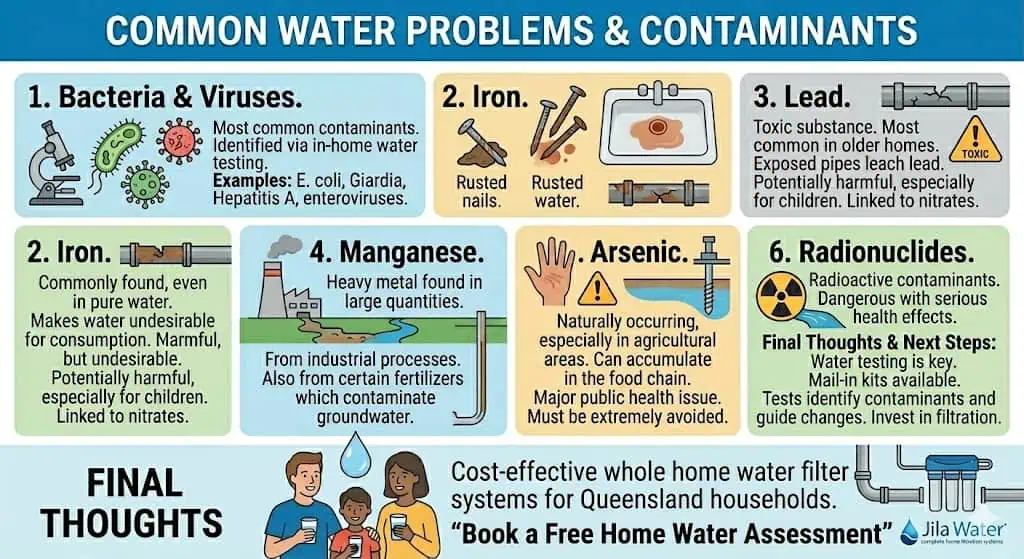
Water testing helps Brisbane and SEQ homeowners understand what may be affecting their tap, tank or bore water before choosing a filtration system. This guide explains common contaminants, water quality warning signs, and when to book a free Jila Water home water assessment.
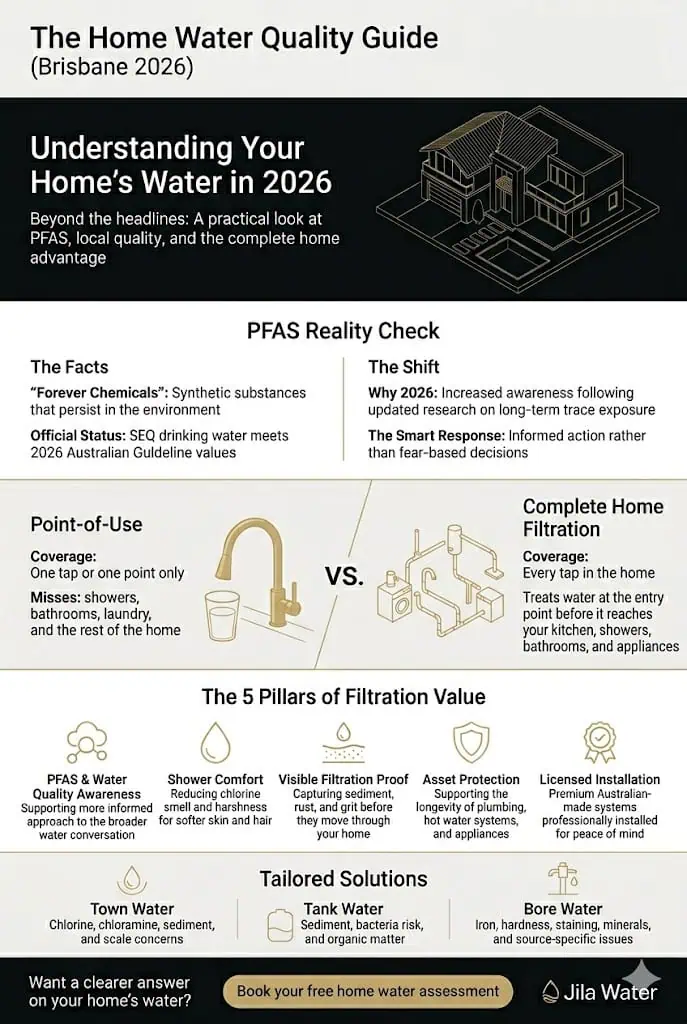
PFAS In Brisbane Water: What Homeowners Need to Know in 2026
Concerned about PFAS in Brisbane water? This practical 2026 guide explains what homeowners need to know, what current Australian advice means, and where complete home filtration fits.
Home Filtration System Brisbane: Costs, Options & What To Buy 2026 | Jila Water
Home Filtration System Brisbane: Costs, Options & What To Buy | Jila Water BRISBANE & SEQ HOME FILTRATION GUIDE Home Filtration System Brisbane: what it
Complete home filtration Brisbane | Better Water at Every Tap
complete home Water filtration Brisbane Premium complete home filtration for better water at every tap. If you are researching whole home water filtration or complete
Whole House Water Filter Installation Guide for Australian Homes: Small Filters, Servicing, and What to Know Before You Buy
Whole House Water Filter Installation Guide Australia | Jila Water Whole House Water Filter Installation Guide Whole House Water Filter Installation Guide for Australian Homes:
The Importance of Water Testing & Identifying Contaminants
Water testing helps Brisbane and SEQ homeowners understand what may be affecting their tap, tank or bore water before choosing a filtration system. This guide explains common contaminants, water quality warning signs, and when to book a free Jila Water home water assessment.
PFAS In Brisbane Water: What Homeowners Need to Know in 2026
Concerned about PFAS in Brisbane water? This practical 2026 guide explains what homeowners need to know, what current Australian advice means, and where complete home filtration fits.
Home Filtration System Brisbane: Costs, Options & What To Buy 2026 | Jila Water
Home Filtration System Brisbane: Costs, Options & What To Buy | Jila Water BRISBANE & SEQ HOME FILTRATION GUIDE Home Filtration System Brisbane: what it
Complete home filtration Brisbane | Better Water at Every Tap
complete home Water filtration Brisbane Premium complete home filtration for better water at every tap. If you are researching whole home water filtration or complete
Whole House Water Filter Installation Guide for Australian Homes: Small Filters, Servicing, and What to Know Before You Buy
Whole House Water Filter Installation Guide Australia | Jila Water Whole House Water Filter Installation Guide Whole House Water Filter Installation Guide for Australian Homes: