Is It Possible for COVID-19 to Be Transmitted through Water
COVID-19 is a potentially fatal disease caused by a virus. Since we are still in the middle of a pandemic, it is understandable that many people are concerned about their well-being. After all, the virus can spread easily without proper precautions. It is of utmost importance to keep yourself and your family safe from potential infection and transmission by observing the best hygiene practices.
Since COVID-19 is spread virally, some people are concerned about getting infected through publicly-available methods of obtaining water. In this article, we will discuss the possibilities of the coronavirus spreading through different sources of water in Queensland and Brisbane.
Lakes, Rivers, or Seas
Currently, no studies have been conducted regarding the coronavirus’s ability to infect people through lakes, oceans, seas, rivers, and other bodies of water. Pools and hot tubs are regularly checked and maintained. With their existing regulated pH levels and chlorine levels, it is improbable for the virus to survive there.
Natural bodies of water are not treated, unlike public pools and hot tubs. However, their vastness can make it very difficult for the virus to spread. So if there is possible contamination, the effect of the virus will be reduced significantly and make it unlikely for anyone to be infected.
If you ever decide to swim in a public pool, lake, or beach, make sure to follow health protocols. This includes sanitising your hands and maintaining a safe distance from the people around you, even in the water.
Bottled Water
Australian households often prefer bottled water to tap water because it is safer to drink and it tastes better. It is also easier for them to source it too. It is highly unlikely that the coronavirus can be present in bottled water because the water itself comes from an approved source.
A manufacturer can only be a water supplier after they meet the applicable central and state quality standards. The water is also placed and sealed in sanitary containers, so the chances of contamination are improbable.
Tap Water
If you prefer drinking tap water but are afraid of catching the coronavirus, don’t fret. There is no evidence that suggests the virus can survive in tap water. The water treatment plants responsible for filtering and disinfecting consumable water do their jobs well, so it is improbable for the virus to survive throughout the process. At present, one of the only confirmed methods of transmission is close contact with an infected person.
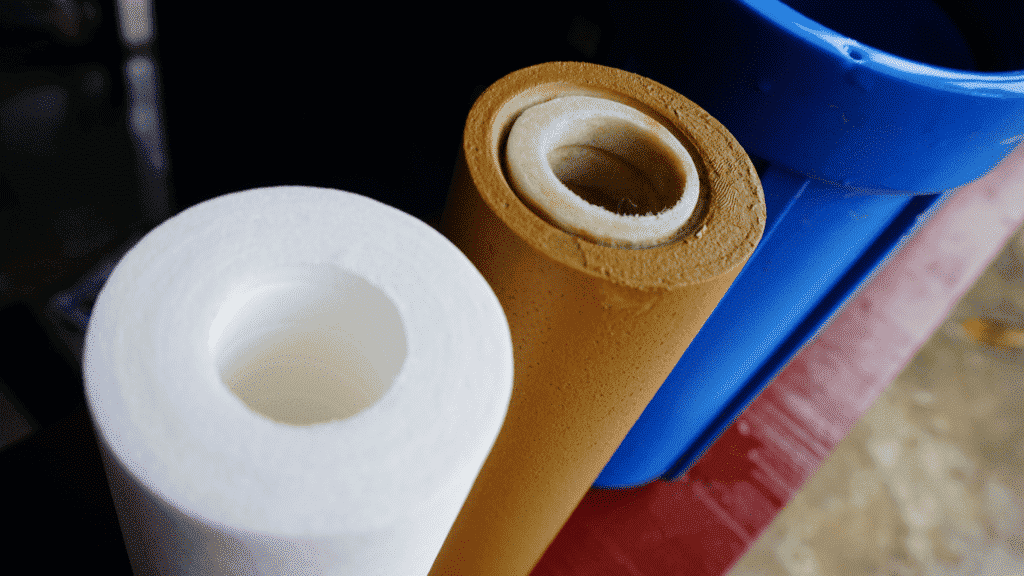
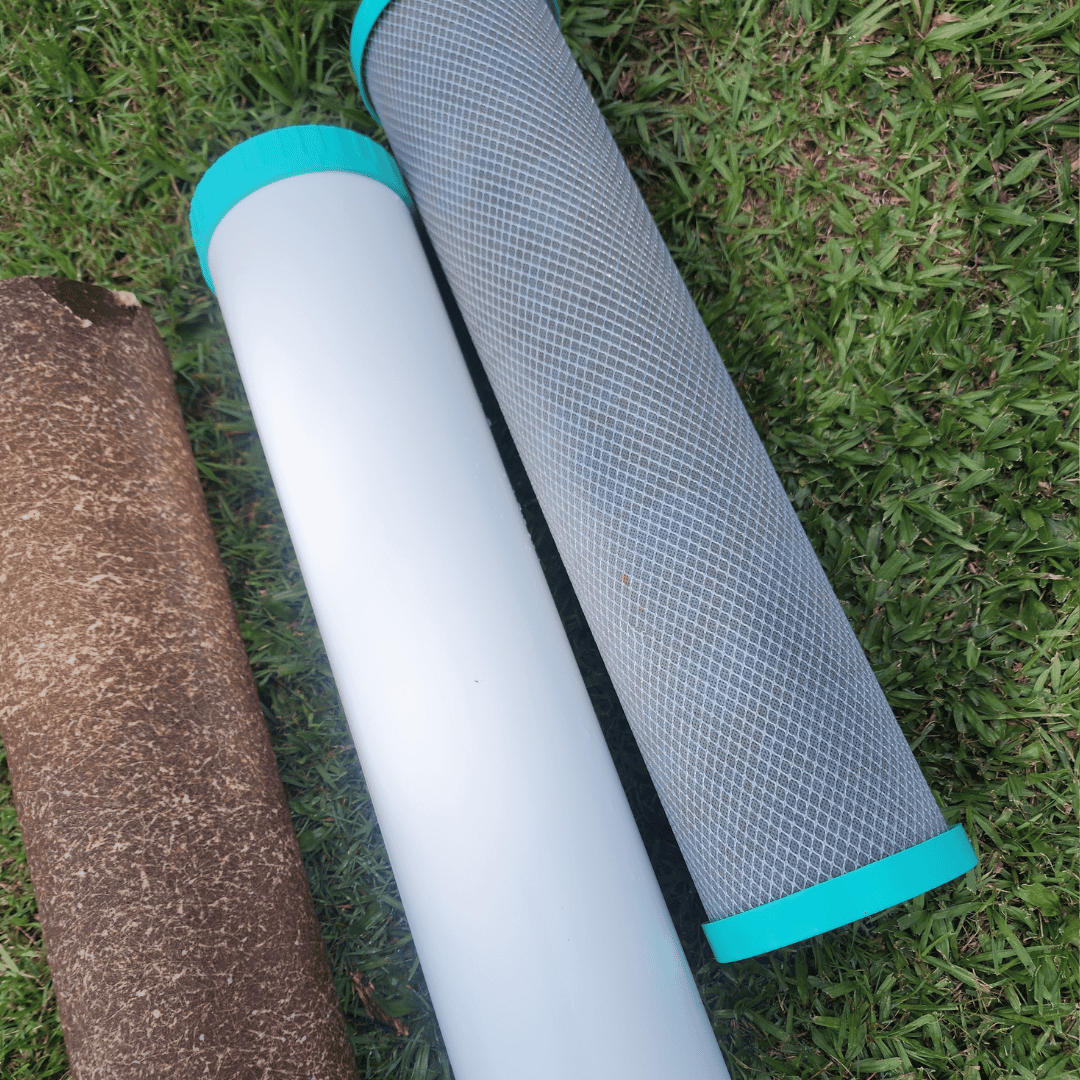
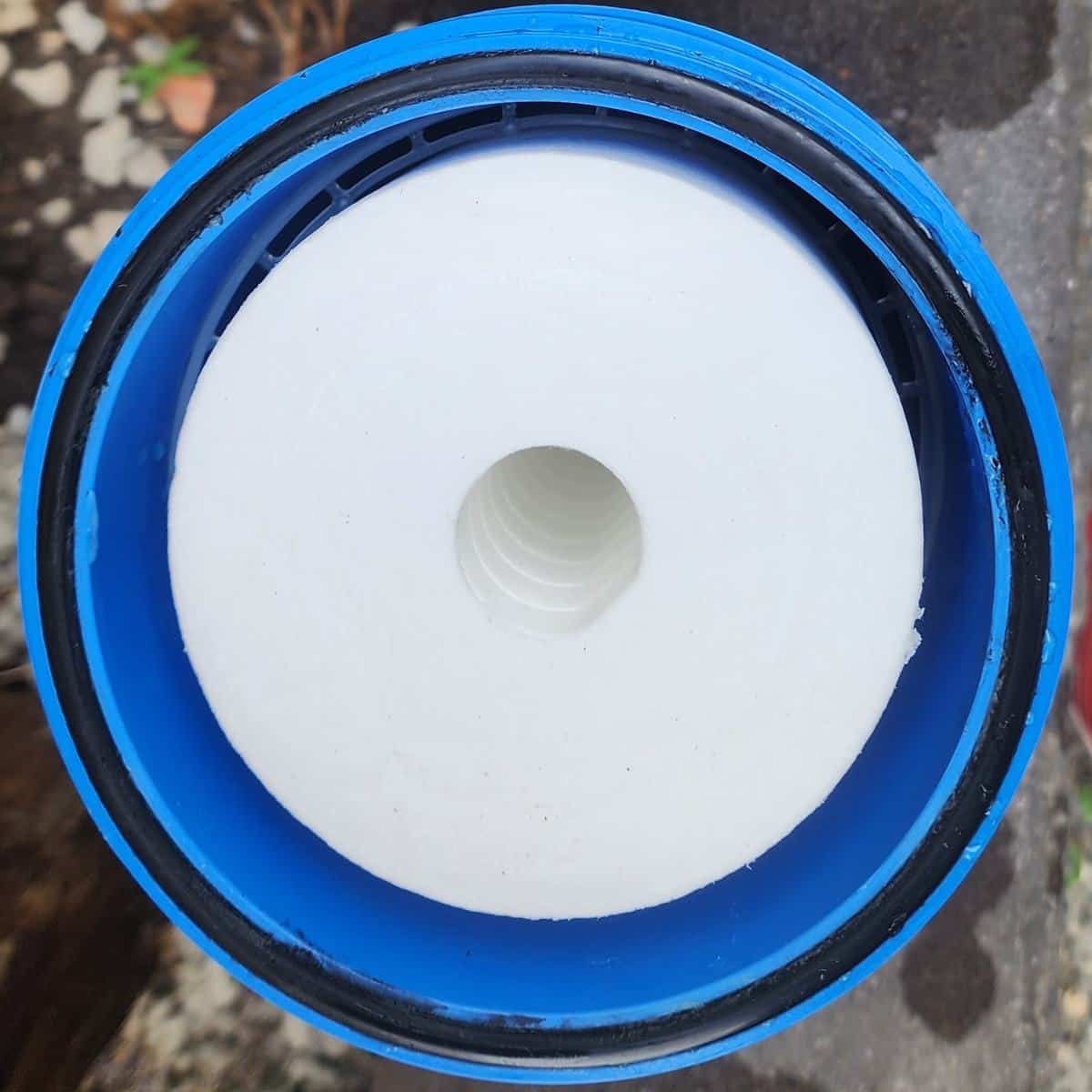
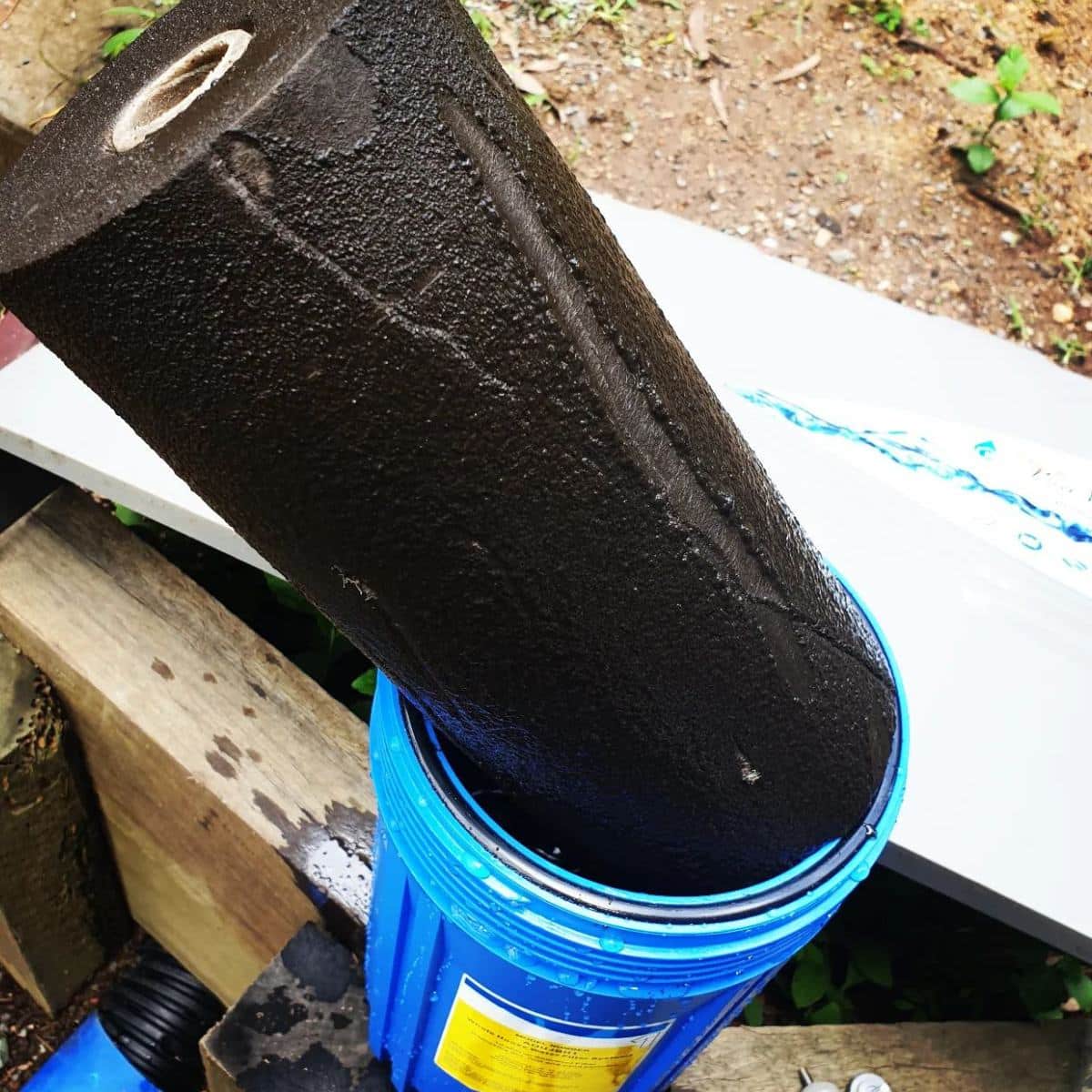
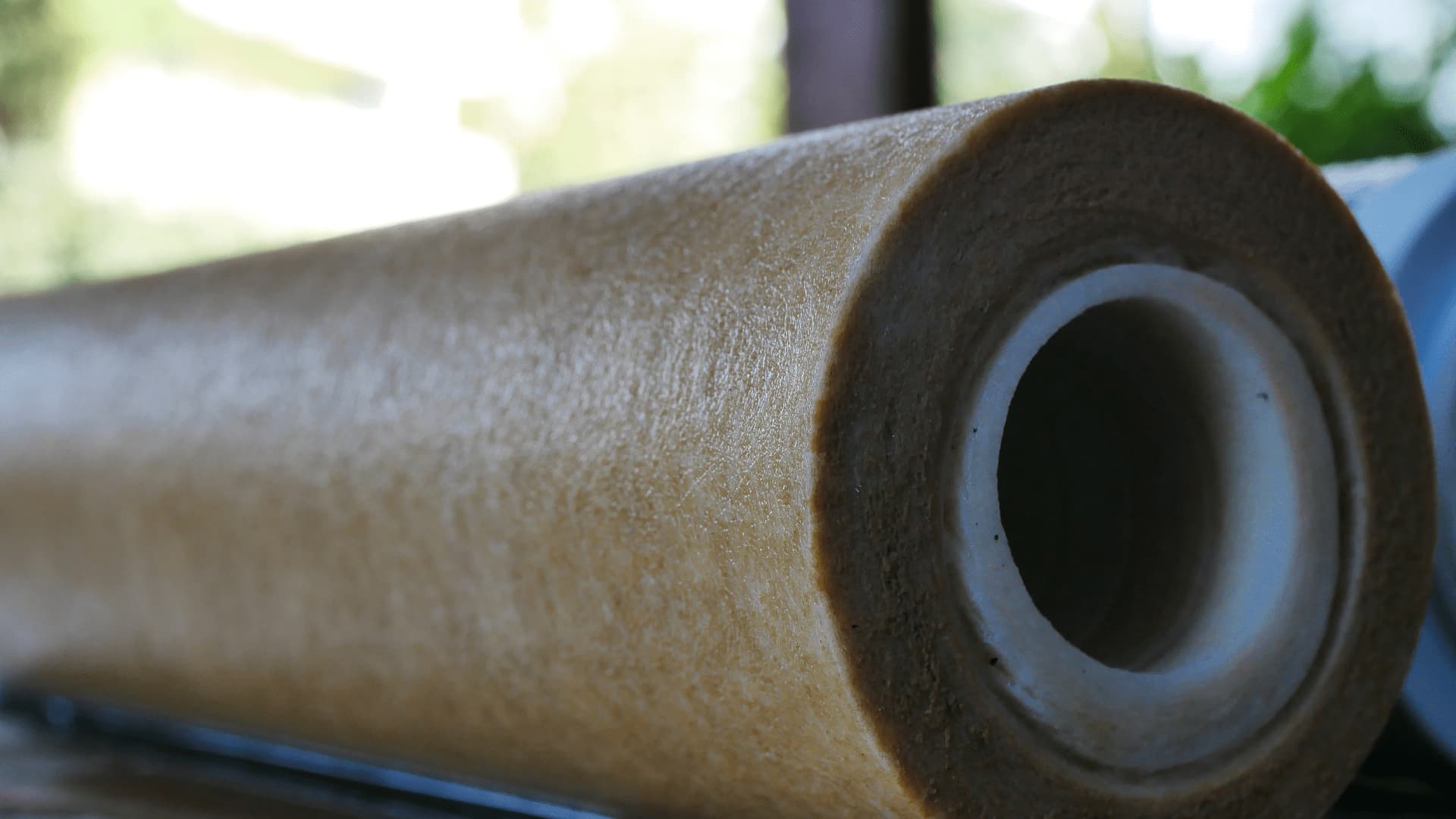
If you want assurance that the tap water you are consuming is clean and safe during this pandemic, you should consider installing affordable water filter systems. By drinking filtered water, you can put any uneasiness at rest.
Conclusion
Recent studies show that the coronavirus has not been found in treated drinking water supplies, but the chances of it being transmitted through these are also low. But if you still want to be sure that what you are consuming is safe to drink, you should consider drinking filtered water that has gone through a trusted filtration system.
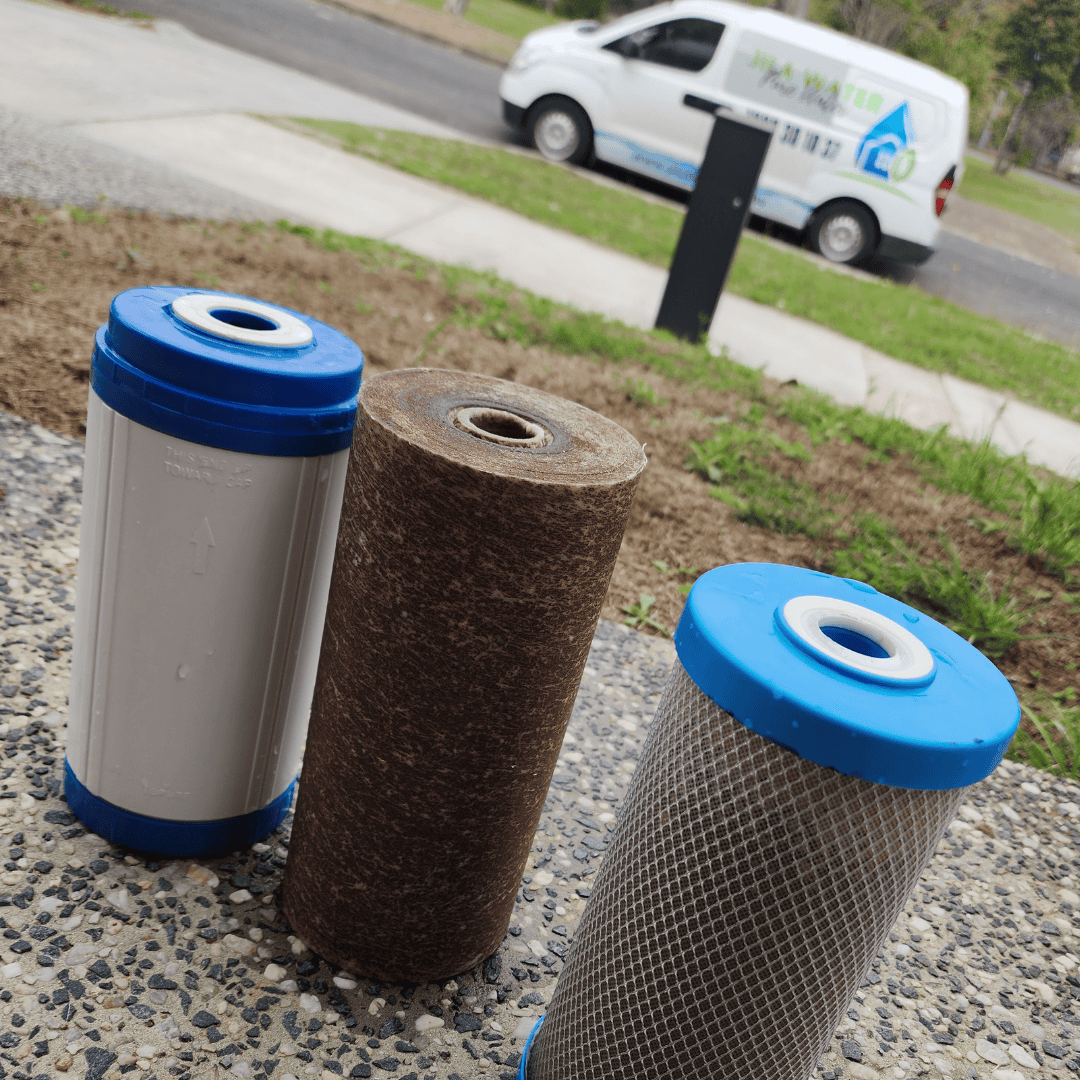
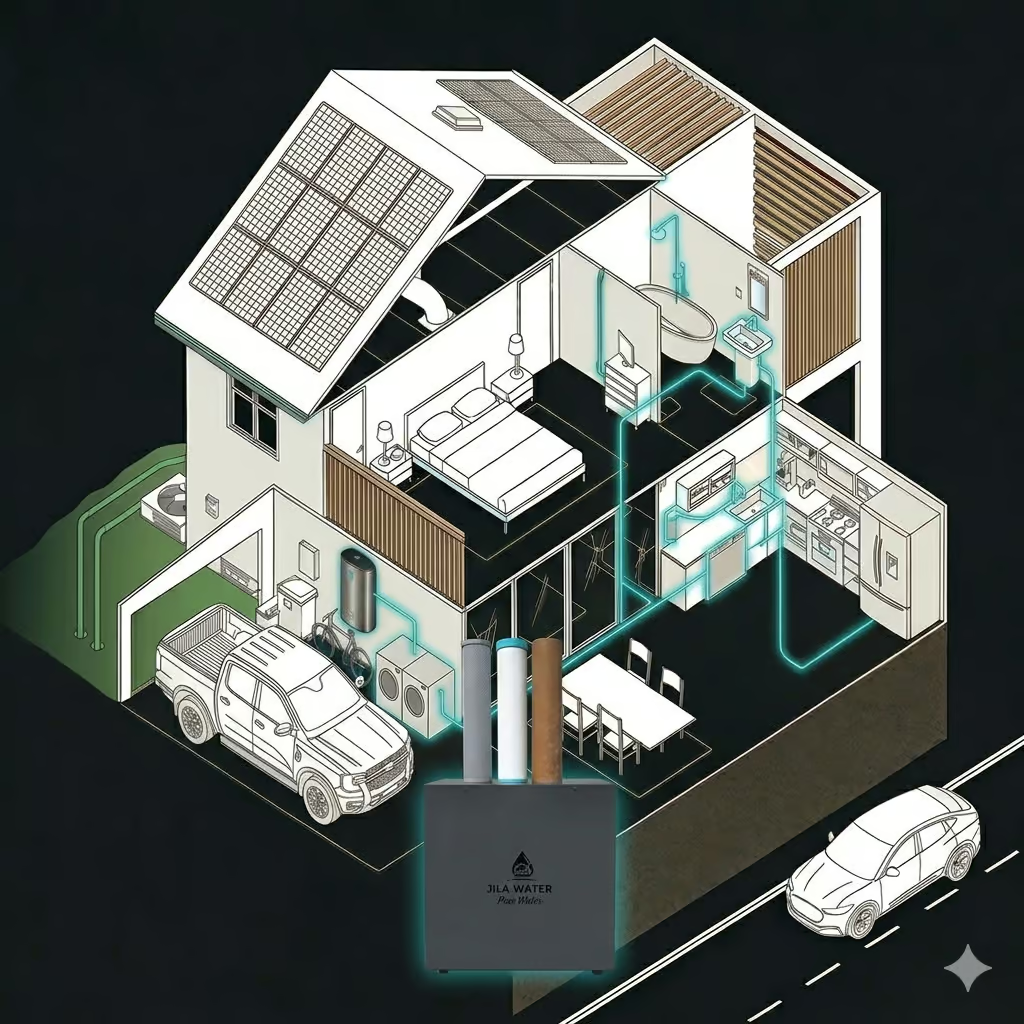
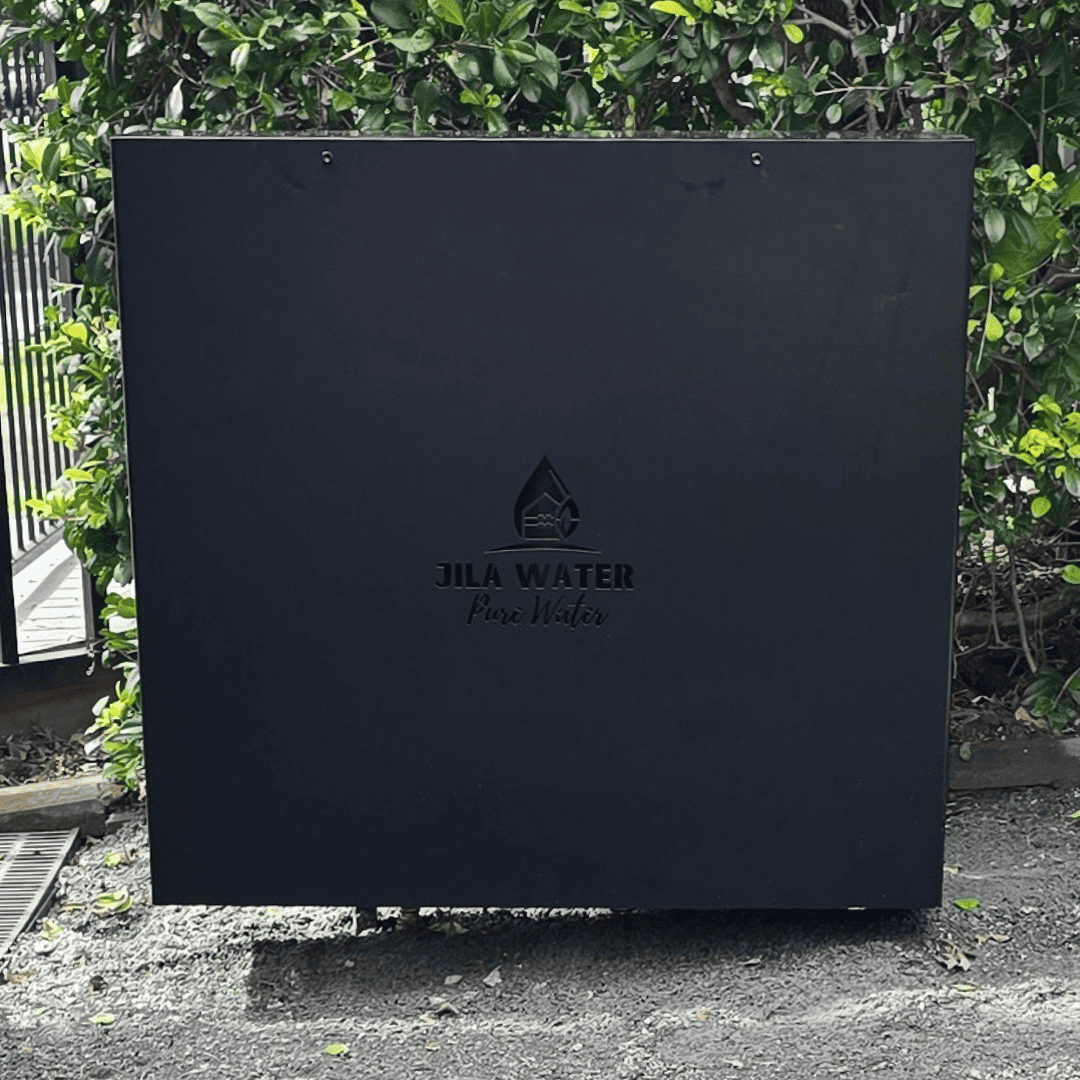
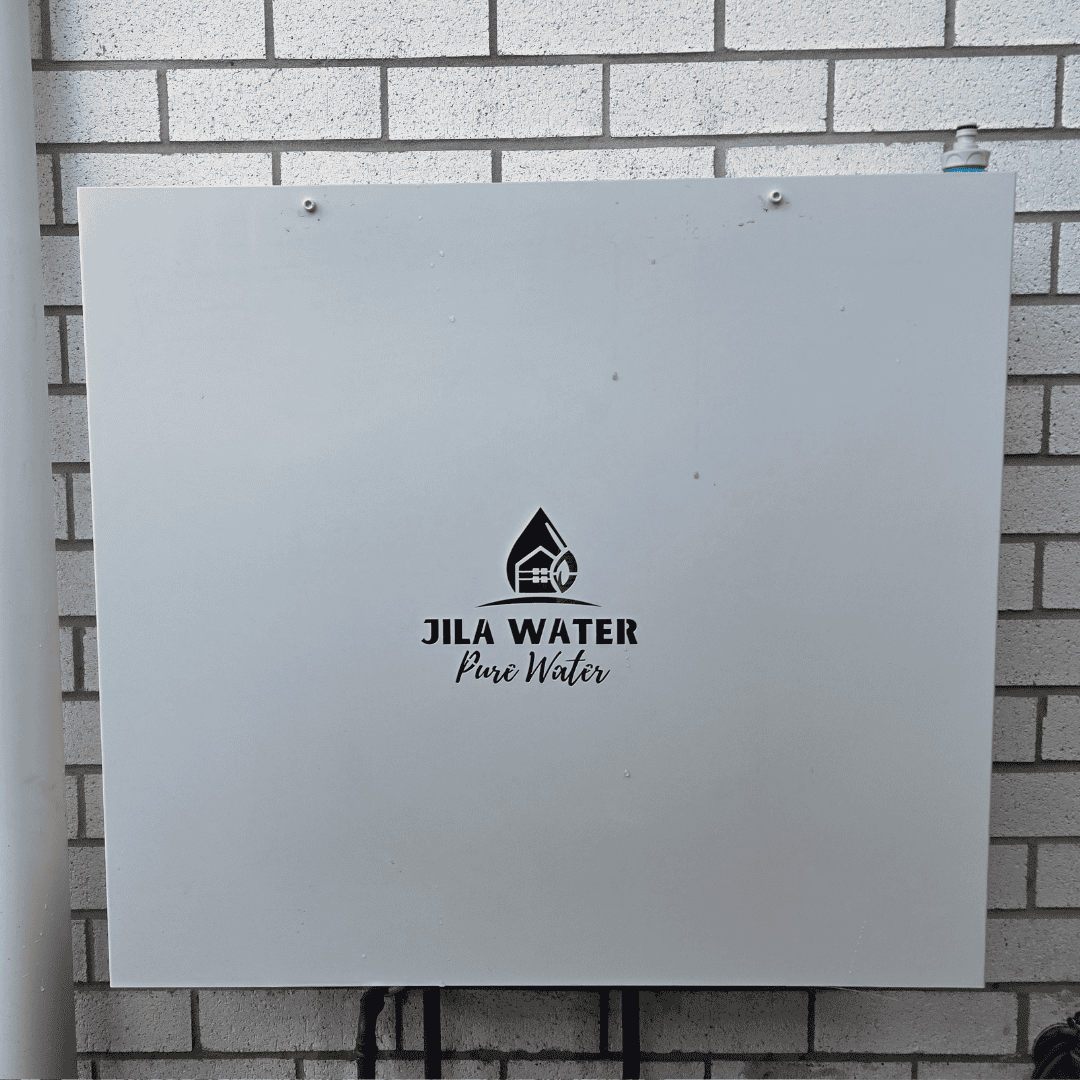
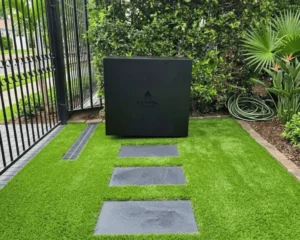
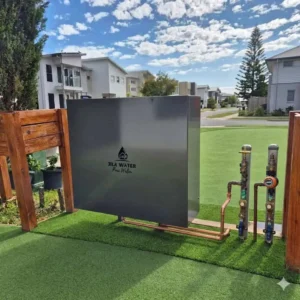
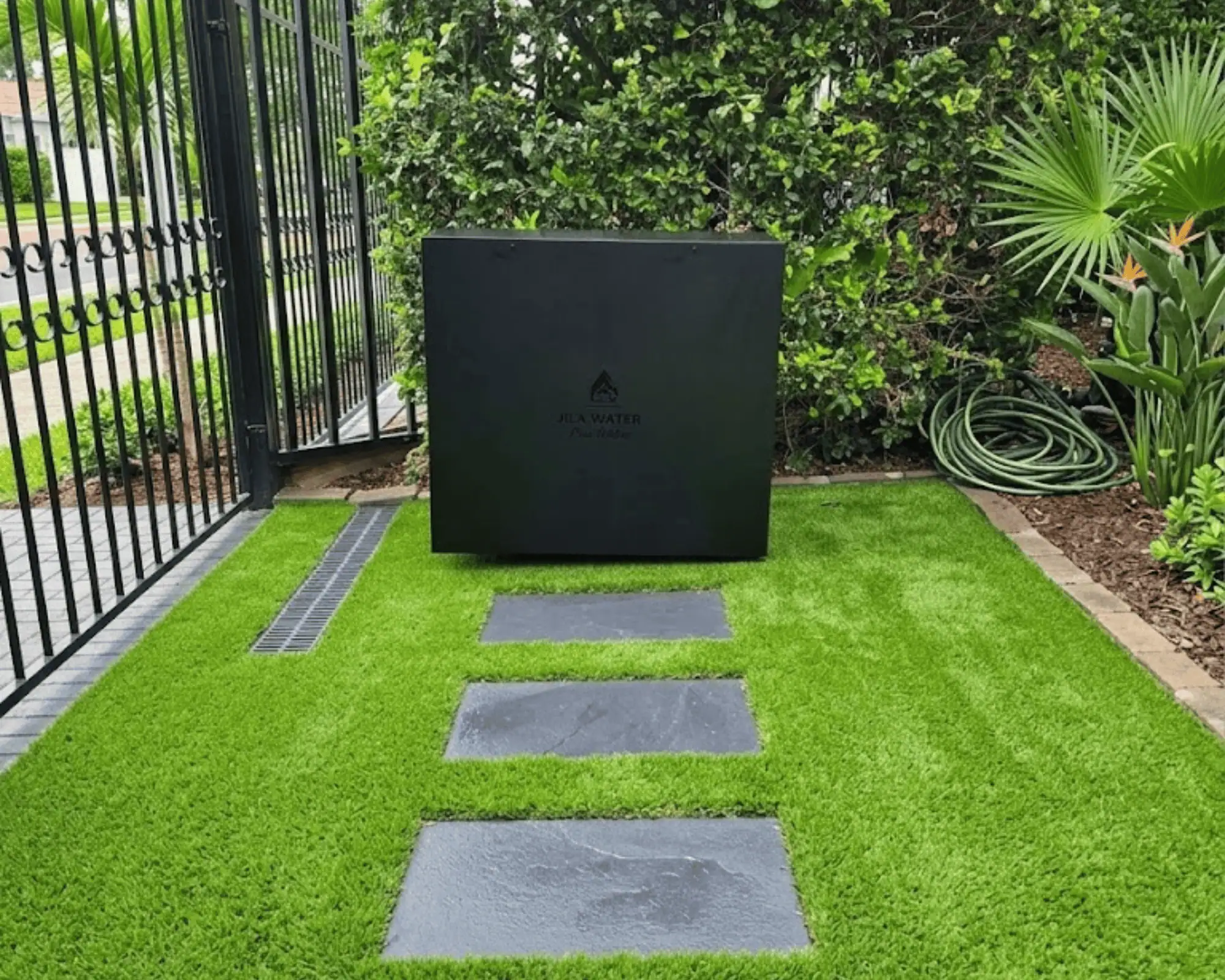
The Jila Water System is an all-in-one whole house filtration system specifically designed for Queensland and Brisbane residences. Our affordable water filter systems can meet the unique water needs of all locals. Our current technology helps get rid of chlorine-rich hard water that could potentially cause you any trouble along the way. For inquiries about our products, contact us today.
Is It Possible for COVID-19 to Be Transmitted through Water
COVID-19 is a potentially fatal disease caused by a virus. Since we are still in the middle of a pandemic, it is understandable that many people are concerned about their well-being. After all, the virus can spread easily without proper precautions. It is of utmost importance to keep yourself and your family safe from potential infection and transmission by observing the best hygiene practices.
Since COVID-19 is spread virally, some people are concerned about getting infected through publicly-available methods of obtaining water. In this article, we will discuss the possibilities of the coronavirus spreading through different sources of water in Queensland and Brisbane.
Lakes, Rivers, or Seas
Currently, no studies have been conducted regarding the coronavirus’s ability to infect people through lakes, oceans, seas, rivers, and other bodies of water. Pools and hot tubs are regularly checked and maintained. With their existing regulated pH levels and chlorine levels, it is improbable for the virus to survive there.
Natural bodies of water are not treated, unlike public pools and hot tubs. However, their vastness can make it very difficult for the virus to spread. So if there is possible contamination, the effect of the virus will be reduced significantly and make it unlikely for anyone to be infected.
If you ever decide to swim in a public pool, lake, or beach, make sure to follow health protocols. This includes sanitising your hands and maintaining a safe distance from the people around you, even in the water.
Bottled Water
Australian households often prefer bottled water to tap water because it is safer to drink and it tastes better. It is also easier for them to source it too. It is highly unlikely that the coronavirus can be present in bottled water because the water itself comes from an approved source.
A manufacturer can only be a water supplier after they meet the applicable central and state quality standards. The water is also placed and sealed in sanitary containers, so the chances of contamination are improbable.
Tap Water
If you prefer drinking tap water but are afraid of catching the coronavirus, don’t fret. There is no evidence that suggests the virus can survive in tap water. The water treatment plants responsible for filtering and disinfecting consumable water do their jobs well, so it is improbable for the virus to survive throughout the process. At present, one of the only confirmed methods of transmission is close contact with an infected person.
If you want assurance that the tap water you are consuming is clean and safe during this pandemic, you should consider installing affordable water filter systems. By drinking filtered water, you can put any uneasiness at rest.
Conclusion
Recent studies show that the coronavirus has not been found in treated drinking water supplies, but the chances of it being transmitted through these are also low. But if you still want to be sure that what you are consuming is safe to drink, you should consider drinking filtered water that has gone through a trusted filtration system.
The Jila Water System is an all-in-one whole house filtration system specifically designed for Queensland and Brisbane residences. Our affordable water filter systems can meet the unique water needs of all locals. Our current technology helps get rid of chlorine-rich hard water that could potentially cause you any trouble along the way. For inquiries about our products, contact us today.
More to explorer
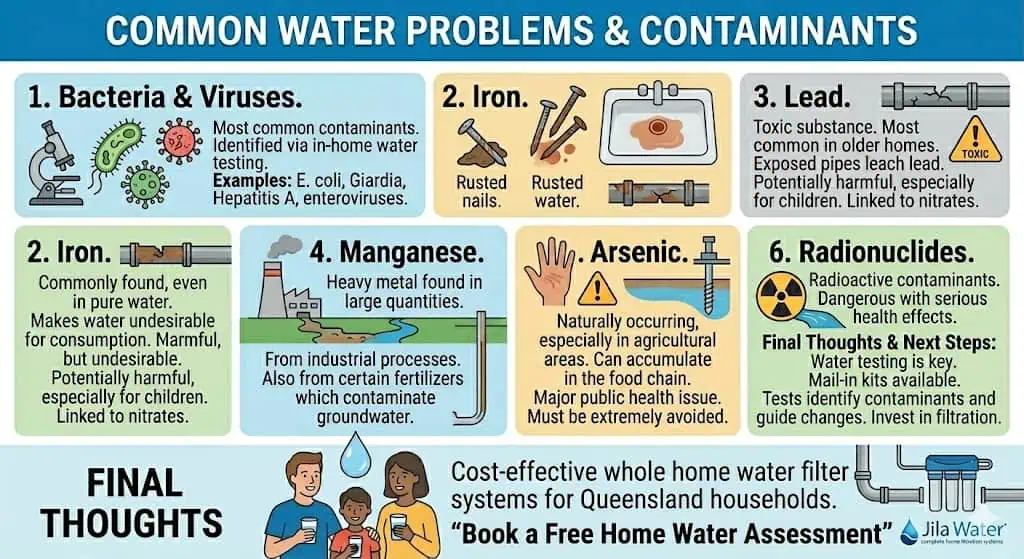
The Importance of Water Testing & Identifying Contaminants
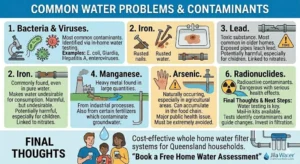
Water testing helps Brisbane and SEQ homeowners understand what may be affecting their tap, tank or bore water before choosing a filtration system. This guide explains common contaminants, water quality warning signs, and when to book a free Jila Water home water assessment.
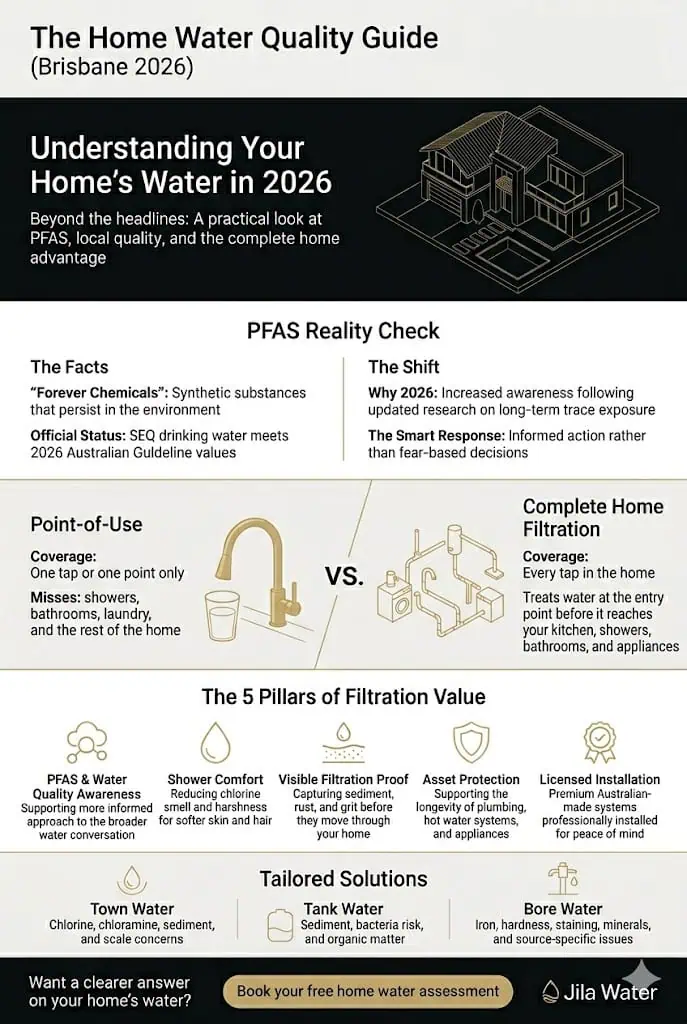
PFAS In Brisbane Water: What Homeowners Need to Know in 2026
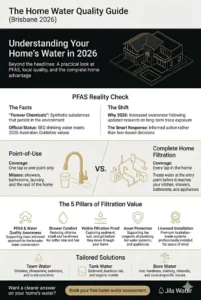
Concerned about PFAS in Brisbane water? This practical 2026 guide explains what homeowners need to know, what current Australian advice means, and where complete home filtration fits.
Home Filtration System Brisbane: Costs, Options & What To Buy 2026 | Jila Water
Home Filtration System Brisbane: Costs, Options & What To Buy | Jila Water BRISBANE & SEQ HOME FILTRATION GUIDE Home Filtration System
More to explorer
The Importance of Water Testing & Identifying Contaminants
Water testing helps Brisbane and SEQ homeowners understand what may be affecting their tap, tank or bore water before choosing a filtration system. This guide explains common contaminants, water quality warning signs, and when to book a free Jila Water home water assessment.
PFAS In Brisbane Water: What Homeowners Need to Know in 2026
Concerned about PFAS in Brisbane water? This practical 2026 guide explains what homeowners need to know, what current Australian advice means, and where complete home filtration fits.
Home Filtration System Brisbane: Costs, Options & What To Buy 2026 | Jila Water
Home Filtration System Brisbane: Costs, Options & What To Buy | Jila Water BRISBANE & SEQ HOME FILTRATION GUIDE Home Filtration System