


Category: Uncategorised

  • How Your Body Responds to Filtered versus Tap Water

    How Your Body Responds to Filtered versus Tap Water

    How Your Body Responds to Filtered versus Tap Water

    How Your Body Responds to Filtered versus Tap Water

    By now, it’s almost certain that you’ve heard many claims about the benefits of consuming filtered water. Everybody is jumping on the bandwagon to choose filtered over tap! The question is: what exactly does filtered water do for your body?

    How Your Body Processes Filtered Water

    Your kidneys are tasked with filtering your blood and eliminating waste products, as well as much of the water that you drink from your body. A lot of the work that your body has to undergo is smoother when the water you consume is already filtered. Although the systems in your body will still naturally do their job as intended, you will essentially have a lighter load.

    The body won’t work as hard because there are no contaminants that still need to be filtered out before your body continues to circulate. Any excess water that you consume ends up being eliminated through your urine.

    How Your Body Processes Filtered Water
    Your body when drinking & showering in filtered water

    Absorbing Filtered vs Tap Water

    The first step in how your body processes filtered water is through osmosis. Osmosis is the process your body uses to separate the different types of molecules it comes in contact with.

    Filtered water that has been treated with a charcoal filter, for example, contains a high amount of small, negatively charged particles called “ions.” These ions pass through the membranes of your cells and provide your body with some immediate health benefits.

    As your body is bombarded every day with various toxins and chemicals, the type of water you consume can have a big impact on how you eliminate them.

    The level of water absorption doesn’t really change whether you drink tap or filtered. The difference is in how effectively your body can use the water that you consume. Tap water is usually untreated, making it a less efficient resource in terms of providing your body with the necessary energy it needs.


    Water Quality and pH Levels

    When it comes to the quality of water you consume, the pH level is one of the most important factors you need to take into consideration. A pH level of 7.0 is considered to be neutral. The recommended pH for consumption hovers around 6.5 to 8.5.

    You don’t want your water to be too acidic, else you risk acidosis, which is your body’s ill response to the acidic water. It can manifest in bloating, constipation, and heartburn. When it comes to consuming filtered water, you basically get the same pH level as tap water for the most part, but it removes the other contaminants and issues in the water.

    Certain filters, however, are built to make your water more alkaline.

    Chemicals and the Body

    Chemicals and traces of heavy metals can be found in both tap and natural water. While it can be a challenge for the human body to eliminate these compounds, it’s possible. The good news is that filtered water removes the chemicals that your body has a hard time getting rid of.

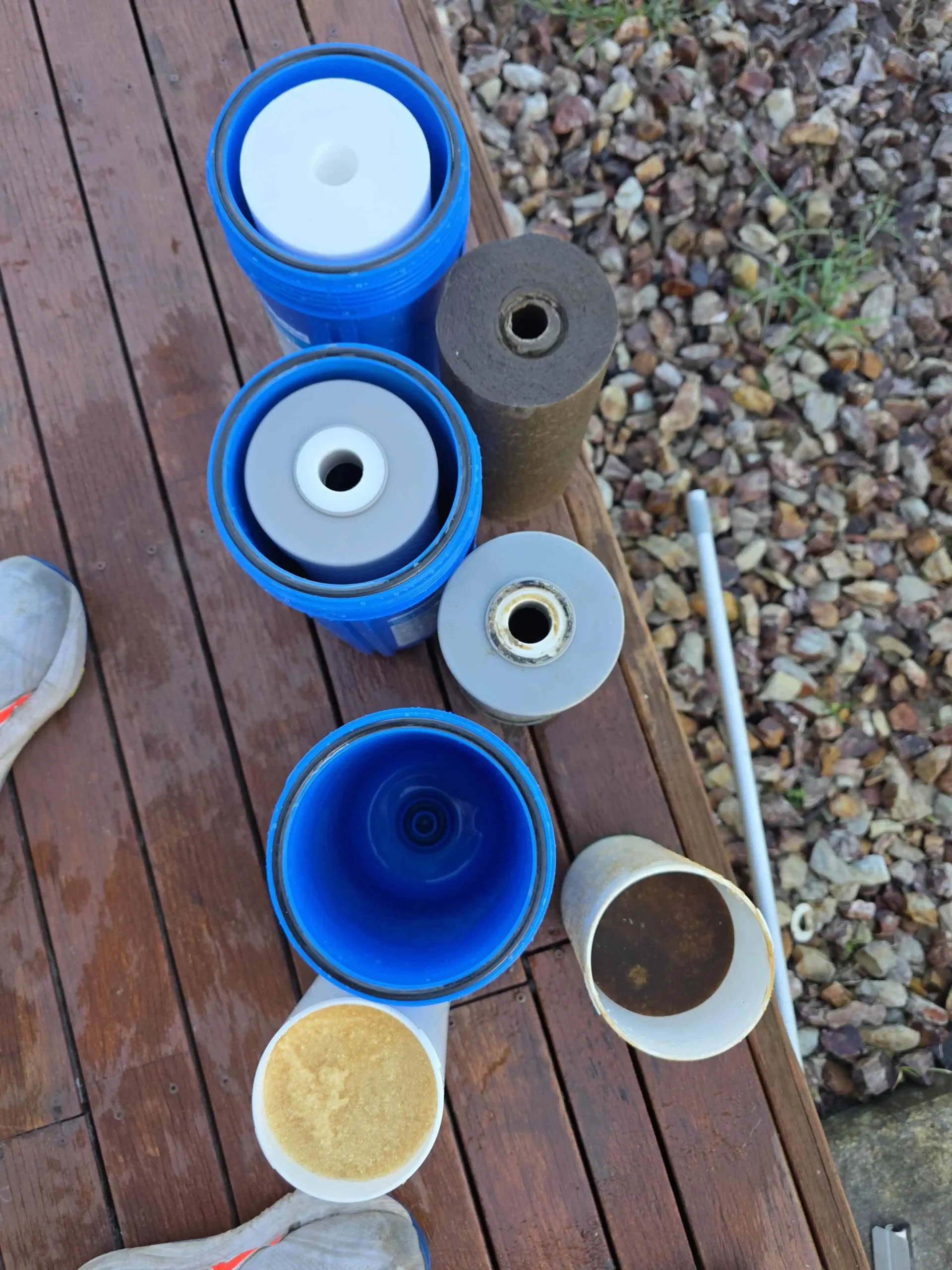
    Chemicals that can find their way into your body by drinking unfiltered water
    Why filtered water if better for you, your body and your skin.

    Conclusion

    All in all, the human body is an intricate machine. It’s capable of handling filtration and processing water in any way it needs to. What you need to note is how filtered water can simply be a cost-effective way to have clean water that carries more health benefits.

    If you’re looking for affordable water filter systems, reach out to Jila Water. We are proud to be the industry leader in providing homes with clean filtered water.


    Share:

    Facebook
    Twitter
    Pinterest
    LinkedIn
    On Key

    Related Posts

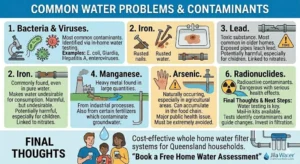
    The Importance of Water Testing & Identifying Contaminants

    Water testing helps Brisbane and SEQ homeowners understand what may be affecting their tap, tank or bore water before choosing a filtration system. This guide explains common contaminants, water quality warning signs, and when to book a free Jila Water home water assessment.
  • Why you get dry hair

    MANY PEOPLE ASK WHY YOU HAVE DRY HAIR & DRY SKIN AFTER WASHING IT IN WATER

    So I hear you ask why you have dry hair and why you have dry skin The main issue is that the local Brisbane water supply adds a truckload of chlorine to our drinking water. And it’s the chlorine in the water that’s causing the issues with your hair, skin, and nails.

    Firstly your skin contains something called sebaceous glands, which are found all over the skin, but also on it. Follicles and some follicles even have more than one gland. These glands secrete an oily substance known as sebum. And the purpose of that substance is to make our skin and hair resilient to water. It also keeps our hair moist and can distribute antioxidants as well.

    It’s also fun to say, sebum and sebum are mostly triglycerides, but it also contains some fatty acids. And you probably know that chlorine is a chemical element, but there are different types of chlorine that can go into your drinking water and what they add to the swimming pool.

    Water treatment companies and people use it because it helps keep the water clean by preventing bacteria and algae from thriving. The most common type is liquid chlorine.

    You’re probably thinking, come on. I know what chlorine is. My local water at home smells like chlorine, but interestingly, your water doesn’t smell like chlorine. Instead, it smells like chloramine, which forms when chlorine reacts with organic substances and other elements found in your drinking water supply.

    And actually, the water smell is typically an indication that the water could use more chlorine if you’re the waterworks company. Which to us, is crazy and why we recommend our water testing service and then treating your water at home by fitting a whole house water filtration system. Which will help answer why you have dry hair and why you have dry skin once you see whats in your homes water.

    Woman with shiny, healthy hair, demonstrating hair care tips for dry hair.

    A simple fix to dry, and damaged hair.

    But anyway, when chlorine comes into contact with the hair and skin, they chemically bond. So, in other words, what happens when you wash your hair with chlorinated water? Is that the chlorine bonds your hair, and it breaks down that sebum? As you can imagine, since sebum keeps hair moisturized, it dries it out your hair..

    It even cracks the cuticle of your hair over time. If you are consistently washing your hair in chlorinated water, your hair might dry, fizz or even break. So answering your question again why you have dry hair and why you have dry skin.

    Sometimes you hear people talking about chlorine, turning hair green, but that isn’t technically the chlorine thats’ at fault.

    Also, it happens when chlorine comes into contact with metal. Like your home’s copper pipe, then the chlorine that bonds with hair brings some metal along with it. And that can temporarily turn light-colored hair green. An excellent way to protect your hair every time you shower is the filter the water and remove the chlorine before it even enters your home.

    Contact us today to see what options we have to help protect your hair and health by fitting a whole house water filtration system to your home.

    Find out More

    If you suffer from dry skin, hair, or nails and would like us to come and test your water please get in contact with us here at Jila Water.

    We are all too happy to come and help give you some advice and answers.

  • Kids healthy habits

    Kids Healthy Hydration Australia | Pure Water for Kids | Jila Water
    Kids Healthy Hydration Australia

    Help your kids choose water first and build healthy habits that last.

    When water tastes clean, feels better, and is available from every tap, healthy choices become easier. This page is built for Australian parents who want better hydration habits, less reliance on sugary drinks, and more confidence in the water their family uses every day. For Brisbane and Queensland families in particular, it is designed to speak directly to healthier habits for children at home.

    Live social proof
    ⭐ 4.9 rated
    Families served
    3167+ homes supported
    Verified reviews
    187 review signals
    Built for
    Australian homes & families
    Australian family helping children build healthy hydration habits with clean filtered water at home
    Healthy habits start at home

    Great-tasting water from every tap makes it easier to encourage kids to drink more water, cut back on sugary options, and make hydration feel normal, not forced.

    The current page had the right idea. This version turns it into a premium, parent-led conversion page.

    The original page spoke about babies, kids and teenagers, better mood, memory and attention, healthy weight support, dehydration symptoms, and the importance of great-tasting water. This rebuild keeps those ideas, upgrades the clarity, adds stronger SEO structure, improves trust and CTA flow, and connects the message directly to what families care about most: peace of mind, easier habits, and healthier daily choices.

    What parents are really buying

    • Less friction when encouraging children to drink more water.
    • Cleaner, better-tasting water that competes with juice, cordial and soft drink habits.
    • More confidence in the water used for drinking, cooking, showering and everyday family life.

    What makes this page stronger

    • A clear H1 and semantic content built around kids healthy hydration Australia and pure water for kids.
    • More emotionally compelling copy for parents of babies, school-aged children and teens.
    • More reasons to act now, without scare tactics or cheap sales language.

    What makes Jila Water relevant here

    • Whole-home filtration means the family uses better water from every tap, not just one benchtop point.
    • Premium presentation means the system feels like a serious home upgrade, not a plastic afterthought.
    • Free water assessment gives families a lower-pressure next step before making any decision.
    Want to see what is really in your home’s water before deciding anything? Start with the free Jila Water family assessment and water test pathway.
    Start Healthy Habits Today – Free Installation Offer

    Hydration looks different at every age. The habit still starts in the same place.

    Parents do not just want more water intake. They want less resistance, fewer daily battles, and a home setup that makes water feel like the easiest choice. That is where taste, accessibility and trust in the water supply matter.

    Babies & toddlers

    Support the earliest healthy habits without making it complicated

    For babies under 12 months, breastmilk or formula remains the main source of fluid. From around 6 months, small amounts of boiled, cooled water can also be offered. As toddlers grow, keeping water familiar and normal at home helps set the tone for years ahead.

    • Children aged 1–3 years generally need about 4 cups of fluid a day.
    • Water supports the body, circulation, joints, bones and teeth.
    • Starting with water early makes later sugary drink habits easier to avoid.
    School-aged kids

    Make school-day hydration easier, not something you have to nag about

    Once children discover sweeter drinks, plain water can feel like a harder sell. Better-tasting water at home changes that. When the default drink tastes fresh, kids are more likely to reach for it voluntarily and keep coming back to it.

    • Children aged 4–8 years generally need about 5 cups a day.
    • Mild dehydration can show up as tiredness, headaches, darker urine, lower mood and grumpiness.
    • Good hydration supports attention, memory and better daily energy.
    Teens

    Help teenagers protect performance, recovery and better everyday choices

    Teenagers are often the most exposed to sports drinks, energy drinks, convenience choices and inconsistent hydration. Great-tasting water at home gives them a better base habit, especially around sport, school and busy schedules.

    • Kids aged 9–13 generally need about 5–6 cups a day, increasing to around 6–8 cups for ages 14–18.
    • Teens who are active, training or living through hot Queensland weather may need more.
    • Choosing water first helps reduce reliance on heavily sweetened drinks and supports a healthier long-term pattern.
    Not sure what would suit your family, your suburb or your water type? We tailor the free assessment around your home, your concerns and the outcome you want.
    Book a Free Family Water Assessment

    Why great-tasting water matters more than most families realise

    Hydration is not only about having water available. It is about whether your child will actually drink it. If water tastes harsh, smells like chlorine, or feels unpleasant, many families unintentionally drift toward juice, cordial or flavoured alternatives. That is a habit problem born from a water-experience problem.

    Hydration affects how kids feel and function

    Even mild dehydration can affect mood, mental performance, focus and energy. That matters at school, during sport and in the afternoon slump when families often reach for convenience drinks instead of water.

    Water-first habits help reduce sugary drink dependence

    If water tastes clean and refreshing, it becomes easier to normalise water at meals, in lunchboxes, after school and after sport. That supports a healthier pattern without turning every drink into a negotiation.

    Parents are also thinking more about water quality

    Australian drinking water is regulated, but many families still want cleaner taste, more confidence and help reducing the household reliance on bottled water, benchtop jugs and patchwork filter fixes.

    A more premium way to say it:

    Your family should not have to “try harder” to drink more water when the water itself is the obstacle. Improve the water experience and the habit becomes far easier to build.

    What Australian parents are hearing in 2025–2026, and how to talk about it responsibly

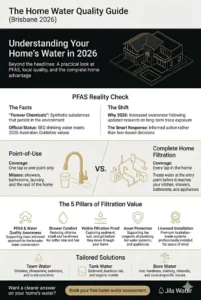
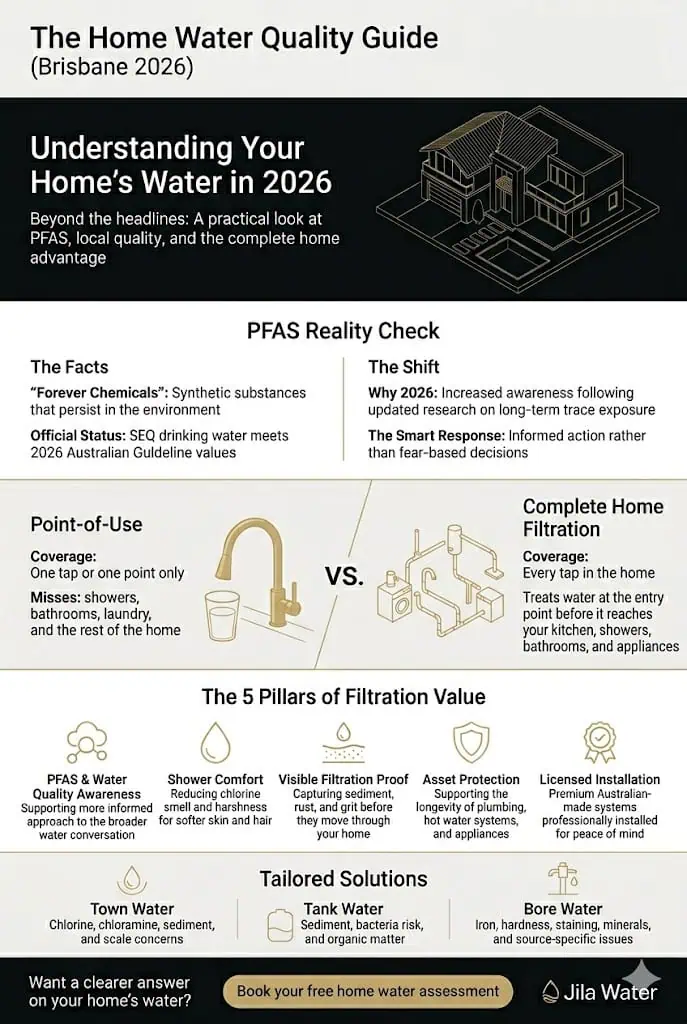
    Families across Australia are hearing more about contaminants such as PFAS, treatment by-products and the long-term effect of what we drink and use at home. The right response is not panic. It is informed action.

    What changed

    • Australia updated the Australian Drinking Water Guidelines in June 2025 and tightened PFAS health-based guideline values.
    • Parents are paying closer attention to what “safe enough” means over a lifetime of daily exposure.
    • That does mean more families want a clearer picture of their own water, especially families searching for PFAS-free water for family peace of mind.

    How Jila Water should position this

    • Do not assume every home has a contamination problem.
    • Do give families a better way to understand their water, improve taste, and choose a higher-quality whole-home solution where it makes sense.
    • Do frame the free test as a premium diagnostic step, not a hard-sell scare tactic.
    Balanced trust signal

    For most Australians, the health risk from PFAS in drinking water is considered low, and NHMRC says most supplies are already below the new guideline values. Even so, many families still want a cleaner-tasting, more confidence-inspiring water experience throughout the home.

    Concerned about PFAS, chlorine smell, taste or general water quality? Let the assessment guide the conversation instead of guessing.
    Check Your Family’s Water Pathway

    How Jila Water helps build healthier hydration habits at home

    This is where the page moves from education to conversion. You are not just selling filtration hardware. You are selling a home environment that makes better hydration more likely, more pleasant and more sustainable.

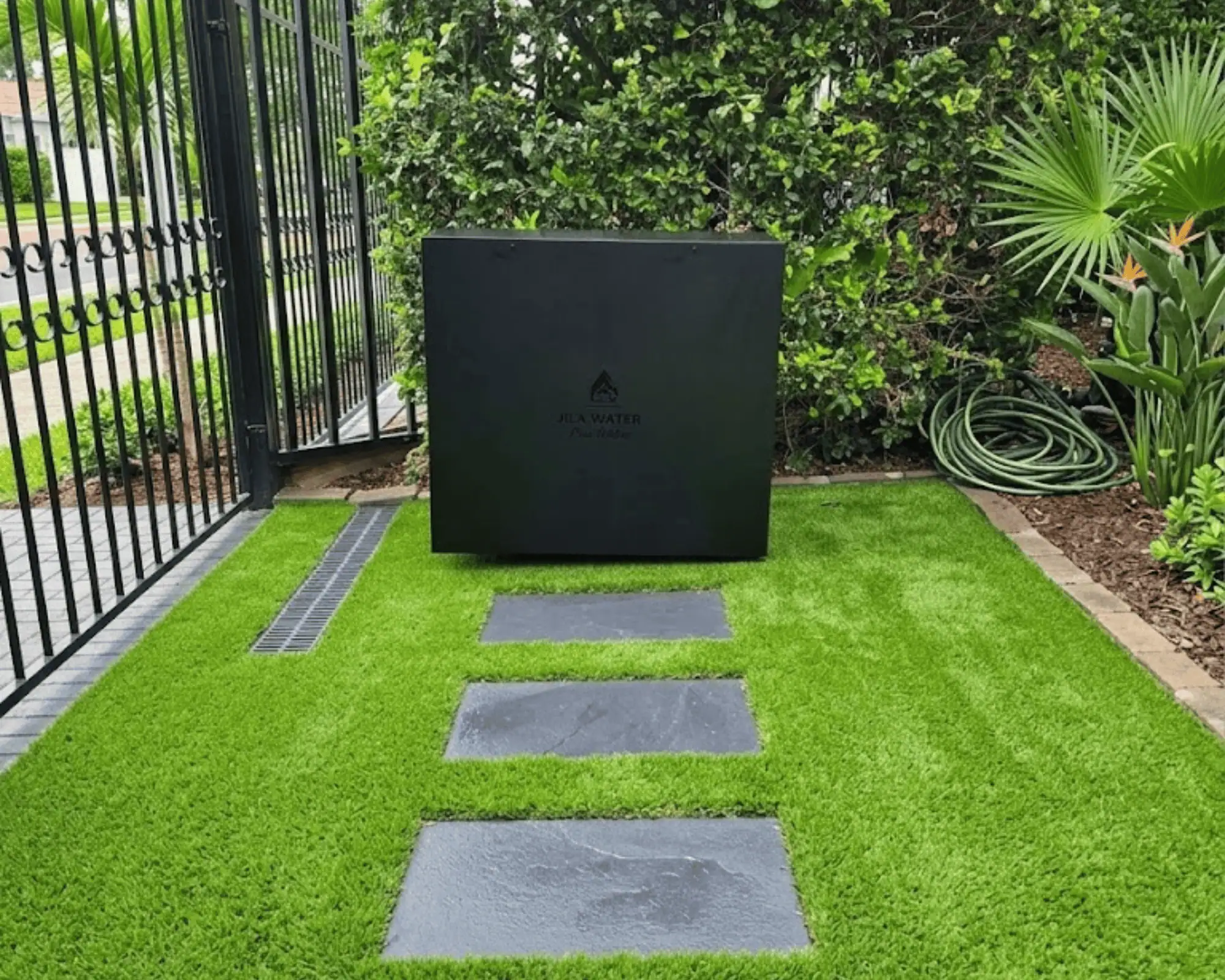
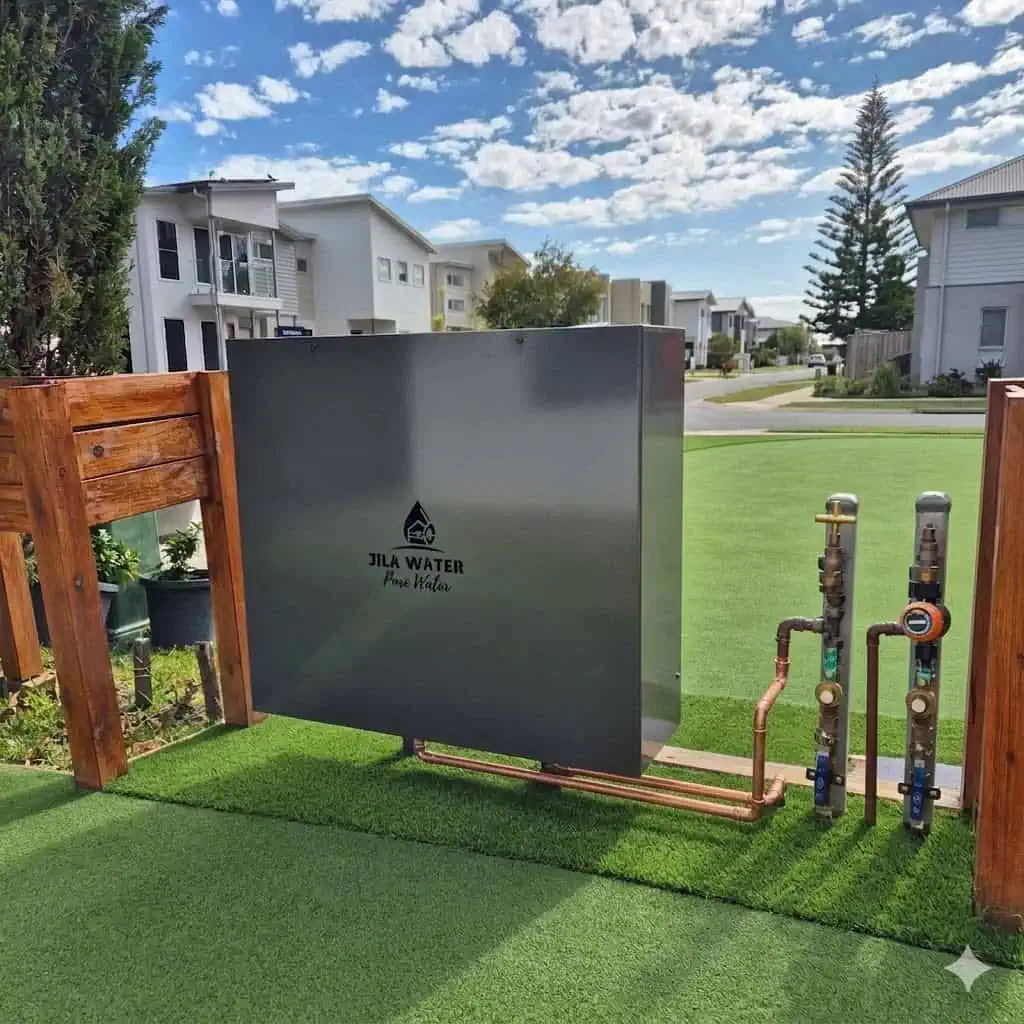
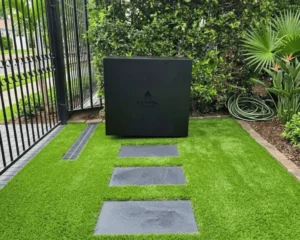
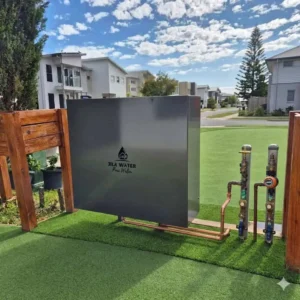
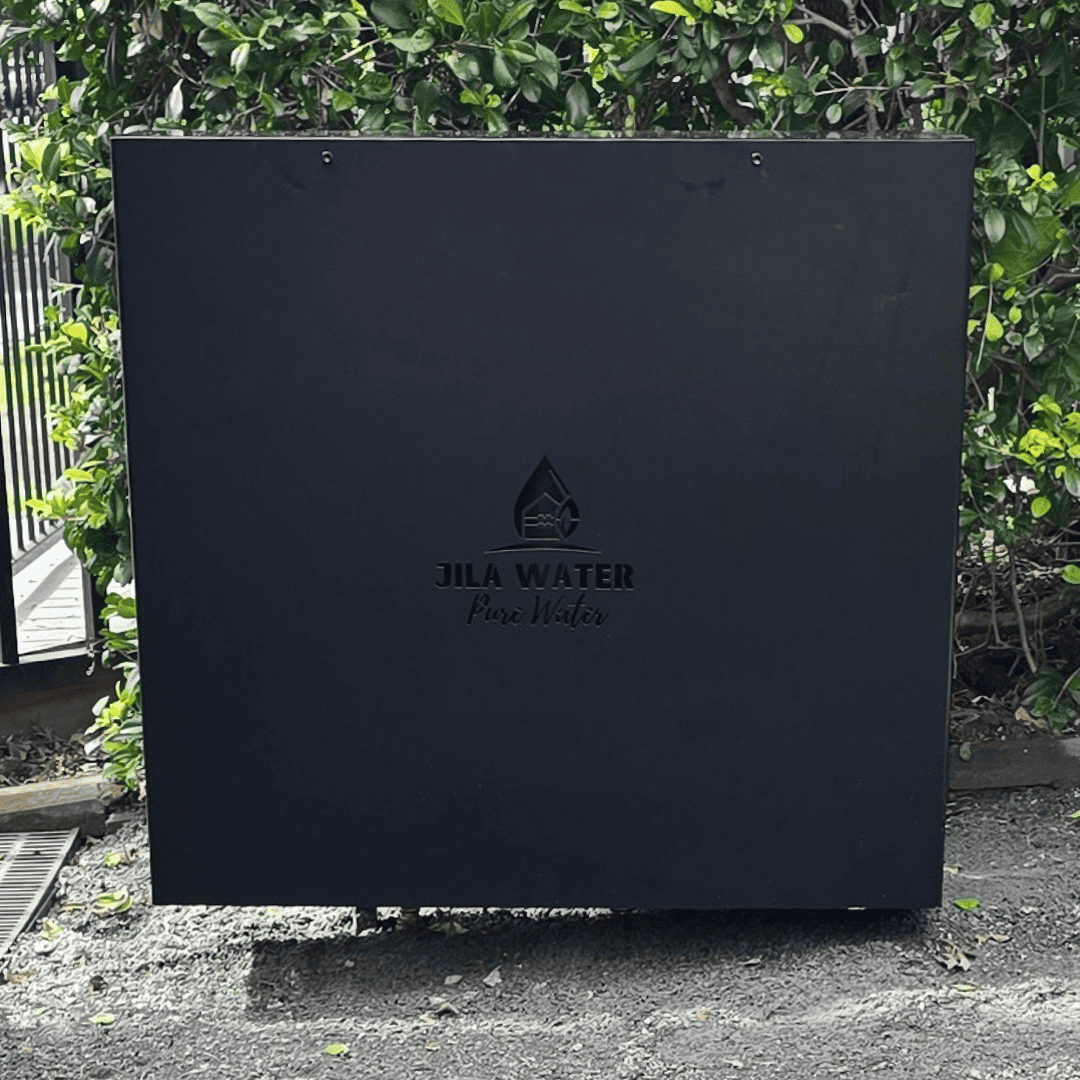
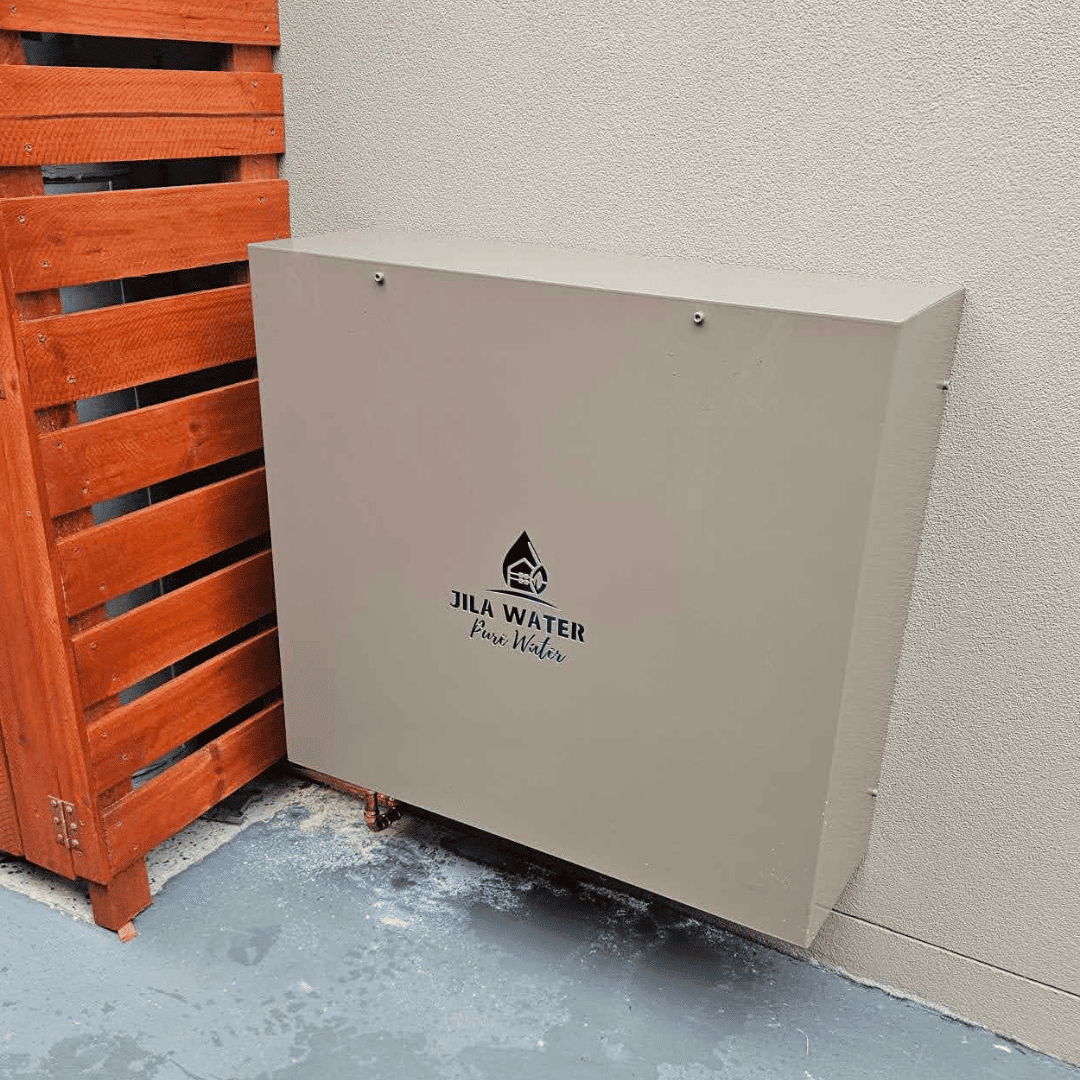
    Black Jila Water whole-home filtration system installed outside a modern Australian family home
    Premium presentation that feels worthy of a quality home.
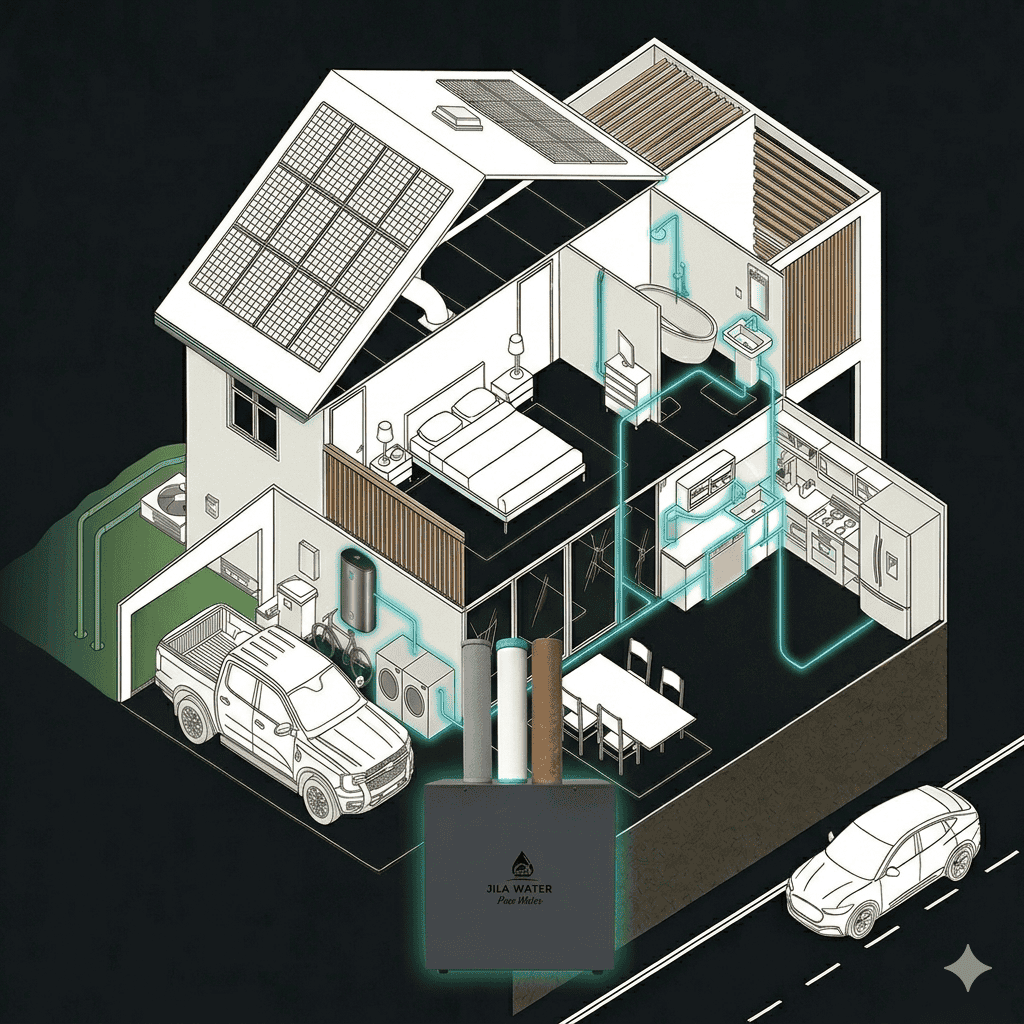
    Diagram showing how Jila Water whole-home filtration protects showers, kitchen water, plumbing and daily family water use
    Whole-home protection for drinking, cooking, showering and daily family life.

    Better taste from the taps you already use

    When the water tastes cleaner and smells fresher, encouraging kids to drink more water becomes much easier.

    One system. Every tap.

    Kitchen, bathroom, shower, laundry and the daily household water your family uses morning to night.

    Less patchwork. More peace of mind.

    Instead of juggling bottled water, jugs, benchtop filters and shower filters, families can move to a cleaner whole-home setup.

    Built for Australian homes

    Jila Water’s premium whole-home approach is designed around local homes, local use patterns and a premium installed finish.

    The conversion angle that matters

    When your water tastes better from every tap, your family does not need more reminders to drink water. They simply need fewer reasons not to.

    Real proof, real homes, real family relevance

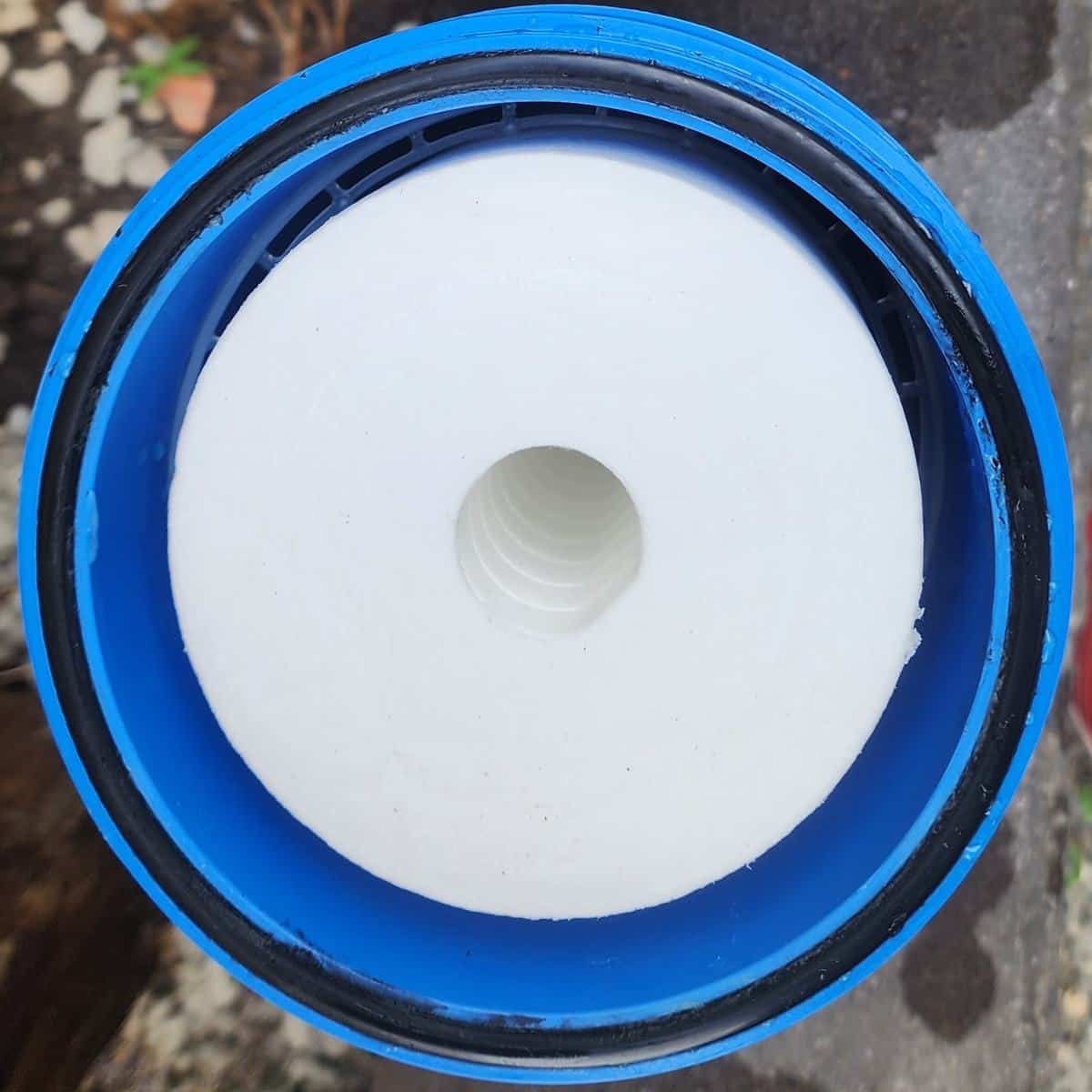
    The strongest pages do not just make claims. They show the system, the finish quality and the real-world proof that something meaningful is being caught before it keeps travelling through the home.

    See whether a whole-home setup makes sense for your family and your water No obligation. No pressure. Just clearer answers.
    Book Free Water Test for Your Family

    Tap water + sugary drinks vs a better water-first home setup

    This section is designed to make the decision clearer fast. It is not anti-tap-water fear marketing. It is pro-family clarity, better taste and stronger habits.

    What families are comparing Ordinary tap water experience Sugary or flavoured drink fallback Jila Water pure-water-first setup
    Taste & smell Can vary by area, season and treatment profile. Often wins on sweetness, not on long-term health value. Cleaner, fresher tasting water that is easier for kids to accept.
    Parent effort More reminders, more resistance, more negotiation. Easy in the moment, harder as a long-term habit. Water becomes the easy default from every tap.
    Whole-home benefit No added improvement to the shower, kitchen or household experience. Only addresses the drink itself, not the wider home water experience. Supports drinking, cooking, showers and everyday family water use.
    Cost pattern Often leads families toward bottled water, jugs or extra point fixes. Ongoing repeat spend that can become normalised. Premium upgrade with a clearer long-term ownership path.
    Habit outcome Water can remain the drink kids tolerate rather than enjoy. Can reinforce preference for sweeter drinks. Supports a better lifelong water-first routine.

    Helpful parent guidance you can keep on the page without sounding clinical

    This keeps the educational value from the original page while upgrading the tone and trustworthiness.

    Common signs your child may need more water

    • Dry lips, mouth or throat
    • Darker urine or fewer toilet trips
    • Tiredness, headaches or dizziness
    • Lower mood, grumpiness or reduced focus

    Simple ways to encourage kids to drink more water

    • Keep cold water visible and easy to access.
    • Offer water first at meals and after school.
    • Use a favourite bottle or cup, especially for younger children.
    • Make home water taste good enough that kids want it again.

    What premium families often want most

    • Less chlorine smell in showers and kitchen water.
    • Better-tasting water without constantly buying bottled water.
    • A premium system that looks neat and intentional outside the home.
    • A simple service path for keeping the system performing properly.
    Important family note

    If your baby or child is unwell, vomiting, has diarrhoea or seems significantly dehydrated, seek medical advice promptly. This page supports healthy habits at home. It does not replace medical care.

    Frequently asked questions

    Built to help with SEO, buyer confidence and better parent education.

    How much water should children drink each day in Australia?

    As a simple guide, children aged 1–3 years generally need around 4 cups a day, ages 4–8 around 5 cups, ages 9–13 around 5–6 cups, and ages 14–18 around 6–8 cups. Needs can increase with heat, sport and activity levels.

    Can babies have filtered water?

    Babies under 12 months get their main fluid from breastmilk or formula. From around 6 months, small amounts of boiled, cooled water can be offered. Parents with feeding or medical questions should speak with their healthcare professional.

    Why does better-tasting water help kids drink more water?

    Because habit is heavily influenced by experience. If water tastes harsh or smells unpleasant, children are more likely to ask for sweeter alternatives. Cleaner-tasting water lowers that resistance and makes water the easier default choice.

    Does whole home water filtration for children only affect drinking water?

    No. A true whole-home setup also influences the water your family showers in, cooks with, rinses produce in, uses in baby baths, and runs through plumbing and household fixtures every day.

    Are Australian families right to ask about PFAS and water quality now?

    It is reasonable for families to want more information. Australia updated PFAS guidance in 2025, and many parents want to understand what is in their water and whether extra treatment is worthwhile for their home. The right next step is assessment, not assumption.

    Will a Jila Water system help us stop buying bottled water?

    Many families move toward that goal because better-tasting water from the taps they already use can reduce the need for bottled water and other patchwork solutions. The exact outcome depends on your family’s habits and your chosen system configuration.

    Whole home water filtration for children

    Give your family water that makes healthier habits easier to keep.

    You do not need more lectures, more bottles, more jugs or more workarounds. You need a better everyday water experience — one that helps your kids drink more water, supports a cleaner-feeling home, and gives you more confidence in what your family uses from every tap.

    • Great-tasting water that helps encourage kids to drink more water
    • Premium whole-home protection for the taps your family already uses
    • A free water assessment pathway with no obligation and no pressure
    Book Free Water Test for Your Family Speak With Jila Water
    Primary CTA destination: free family water assessment. Ideal for parents wanting better-tasting water, fewer drink battles, and more clarity around what is flowing through their home in Brisbane, Queensland and beyond.
    General information only. Any filtration recommendation should be based on your home, your local supply and your water concerns.

    WHAT TO GET GREAT TASTING WATER FOR YOU AND YOUR FAMILY?