Explore Jila Water articles, guides and insights covering whole home water filtration,
complete home water filtration systems, water filter installation, replacement filters,
Brisbane water quality, chlorine, sediment, scale, taste, odour and healthier water from every tap.
✓ Brisbane-based specialists
✓ Installed by licensed plumbers
✓ Premium whole-home systems
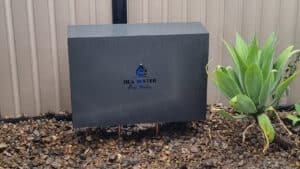
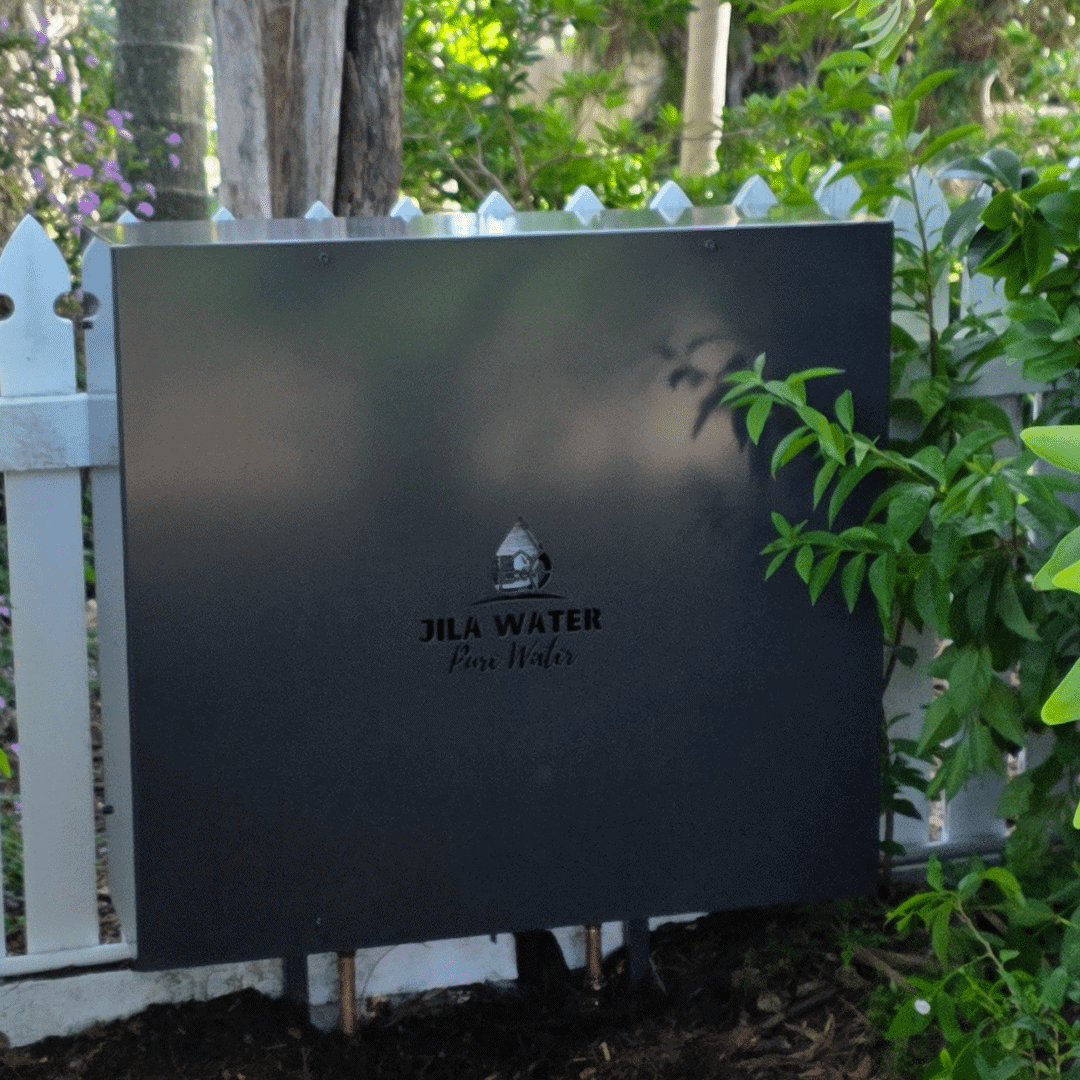
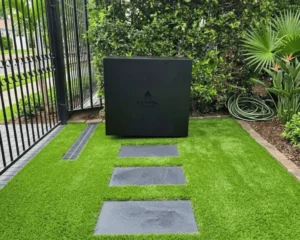
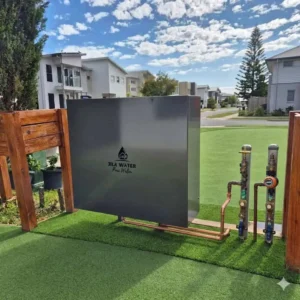
Premium Jila Water whole home filtration system installed for a Brisbane homeowner.
Whole Home Water Filtration, Explained Simply
Jila Water helps Brisbane and South East Queensland homeowners understand what is really
coming through their taps and how a professionally installed whole home water filtration system can improve water throughout the kitchen, bathrooms, showers, laundry, and outdoor taps.
This category brings together practical guides on water filtration systems, filter replacement,
chlorine reduction, sediment protection, water quality testing, system sizing and what to look
for when choosing a complete home water filtration system in Queensland.
The ongoing debate about which is safer to drink between filtered and tap water has been going on for quite some time. While the discussion hasn’t been laid to rest, a new contender entered in the form of bottled water, which only made the debate reach a new level of entanglement. For this article, however, we’ll focus only on where it all started. Here’s everything you should know about filtered water and tap water.
Tap Water Explained
For many decades, tap water has been the preferred option for drinking water by many people. It’s one of the most important basic necessities every household needs. However, the fact that it can potentially contain a lot of impurities is where the debate all started. Some of these contaminants may be harmless, while others can give you an immediate infection or slowly damage your health over a long period of time.
To counter those contaminants, water treatment plants started to put in chemicals like chlorine and fluoride. Water authorities use settling, coagulation, filtering and disinfecting to ensure the safety of drinking water for every household. While these methods have been proven effective, a new concern arose: the potential health risks of consuming those chemicals used for water treatment.
There is also that lingering taste and smell of the disinfectants being used to treat tap water. Due to these concerns, water filtration systems installed at home and commercial establishments have started to rise in popularity in the following years as an added measure to ensure there are no contaminants or leftover disinfectants in the water.
How Do Water Filters Work?
Filtered water is exactly what it sounds like, which is tap water that has gone through an extra process of filtration to clear out many of the safety concerns like bacteria, contaminants, heavy metals, and other chemicals. Technically speaking, tap water is already filtered and treated, but homeowners started to demand to have their own filtration systems installed at home as an added layer of protection.
Water filters come in various shapes and sizes, from jug filters to tap mounted ones and those filters located below your sink. All of these water filter types have their own different ways of filtering out the contaminants from tap water.
What’s the Benefit of Filtered Water?
Drinking filtered water has many benefits with no disadvantages at all except for the cost. Some of the benefits of water filtration include:
Health – Filters are capable of removing whatever health contaminants remain in tap water. Those traces of lead, copper, or even some leftover bacteria can be easily removed by your water filtration system.
Taste – As mentioned before, the taste of tap water is altered because of the treatment of tap water, which isn’t exactly pleasant for everyone who consumes it. Many filtration systems are capable of getting rid of chlorine and zinc, which can make the water bitter.
Sustainability – Instead of resorting to the use of bottled water, it’s still cheaper and more sustainable to use a quality water filtration system. It reduces the amount of plastic waste while still enjoying safe and drinkable water.
Conclusion
Generally speaking, tap water is safe enough to consume as long as it undergoes the proper initial filtration and treatment. However, as a homeowner, how can you be sure that that’s the case with the water you’re drinking? That’s why water filters are important to every household. If you want to ensure your family’s safety, drinking filtered water is the way to do it.
Jila Water’s mission is to provide safe drinking water through our affordable filtration systems designed for whole-house or industrial and commercial applications. If you want to stay healthy and make sure your water is safe for drinking and free from contamination, our water filtration systems are your best choice. Contact us today to book your free home water test!
Can Your Dental Health Be Affected by the Type of Water You Use?
Oral health is a complex thing. You need a strict dental care routine to ensure your teeth and gums stay strong. You need to eat the right food because what you eat can also impact your oral health. But did you know that it’s not just sugary drinks like soda or juice that could be harmful to your teeth? Yes, even the type of water that you drink matters because for all you know, it’s the unnoticed culprit behind the problem you’re having with your dental health.
If you want to know more about how different types of water affect your oral health, then you’re in the right place as Jila Water, your provider of the best home water filter systems, share all the basic information on the topic that you should know:
Different Types of Water and How They Affect Your Teeth
Tap Water
You’d be surprised to learn that dentists do recommend drinking tap water due to the essential minerals like calcium and magnesium that come with it. Additionally, the authorities for local water supply in a lot of cities add some vitamins and minerals to their tap water to boost the health benefits of drinking straight from the tap.
The biggest benefit that comes from drinking tap water is that you get fluoride from it. It may be a controversial topic but fluoride has always been associated with cavity prevention. The problem is that tap water in some cities may also come with impurities so it’s absolutely necessary to run the water through a purifier first before drinking it. Even if there’s fluoride and other minerals in tap water and it might be good for your dental health, unfiltered tap water can still do more harm to your health than good.
Filtered Water
As mentioned above, tap water in many areas still contains contaminants and chemicals which can be harmful to your health. It is for this reason many homeowners choose to use a reliable filter system to remove these impurities from tap water on their own and make it suitable and safe for drinking.
The problem is that there are filter systems that get rid of all the impurities and all the minerals like fluoride, too. So you should be careful in choosing the filter you use and opt for the ones that are designed to filter only traces of fluoride while still doing a thorough job of removing harmful contaminants.
Bottled Water
Despite the constant advisories to avoid bottled water, a lot of Aussies still prefer bottled water because of the convenience it offers. While this type of water is not particularly bad for your oral health, the fact is you will be missing out on the health benefits that come from fluoridated water coming from your tap.
Distilled Water
Considered to be the purest type of drinking water, distilled water doesn’t contain any contaminant or mineral. While it’s not harmful to your body or your dental health, the distillation process also removes all the essential minerals including fluoride so if you are concerned about the health of your teeth, this might not be the right choice for you as it does nothing to protect your teeth.
Conclusion
As you can see, the dental health benefits you get from your drinking water depend on what type it is – tap, filtered, bottled, or distilled. Because the one with the most beneficial minerals for the teeth (tap water) also happens to be the one that poses danger to your overall health. If you have the best home water filter system, your best bet is filtered water because you can be sure of the safety of the water you drink while still keeping some of the fluorides from tap water that you need for your teeth.
Jila Water offers high quality yet affordable water filter systems for homes in QLD. Contact us today and learn more about our house water filter system options for you!
Removing problematic Fluoride from residential water? Good Or Bad
Welcome to a check into removing problematic Fluoride from residential homes and water supplies. The time you invest in it could protect your drinking water quality and your health.
Naturally, occurring Fluoride is present in the environment. Water dissolves fluoride compounds when it passes over or through soil and rocks, resulting in small amounts in virtually all water sources,
Humans use Fluoride in the structure of their bones and teeth. And it reduces the formation of cavities in children. Excessive ingestion of Fluoride can cause what’s called fluorosis. The discoloration of teeth and surface irregularities or, in severe cases, bone disease. The US EPA has set a maximum contaminant level of four milligrams per liter.
Some people who drink water with Fluoride in excess of four milligrams per liter over many years could get dental and skeletal fluorosis. As per the WHO website.
The USC PA has set a non-enforceable secondary standard of two milligrams per liter to protect against dental fluorosis in children. Under nine years of age should not drink water that has more than two milligrams leader of Fluoride; where are natural fluoride concentrations? The grade. In different parts of the country, elevated concentrations of Fluoride greater than 0.5 milligrams per liter occur naturally in a nationwide sampling. The Geological survey found that 85% of residential Wells tested below the CPA’s maximum contaminant level of four milligrams per day.
How do I test for Fluoride in my water? First, use a certified drinking water testing laboratory for accurate results. Essential in getting appropriate water treatment technology. If necessary, your county health department can help you find a list of testing labs. Another way to obtain a list is to contact your state lab, or certification officer.
The question of ingesting too much fluoride can cause fluorosis and adults and children resulting in discoloration and surface irregularities, and teeth.
Children under the age of nine should not consume too much Fluoride in order to prevent fluorosis. The US EPA has set a standard of not more than two milligrams per liter of drinking water for children under the age of nine. However, It is important to note that some people, including adults who drink water with Fluoride in excess of four milligrams per liter over many years, could get a bone disease.
Now Fluoride is in virtually all water sources. So everyone faces the same potential risk, true or false?
The answer is false. Well, Fluoride is in virtually all water sources. Its concentration in groundwater can vary depending on the composition of local soil and geology. That means some homeowners may have a greater potential risk of health problems from Fluoride than others.
How can I reduce Fluoride in my water to acceptable levels? Two possible options involve the well itself. Having a Jila Water Whole House Water Filtration system installed may be able to filter out the Fluoride within the water coming into your Brisbane Home.
Other solutions involve water treatment, including reverse osmosis, ion exchange, and reverse distillation osmosis. Remove dissolved ions from water by forcing water through a semipermeable membrane retaining most ions while transmitting the water. Our road units typically are installed at the point of view, such as the kitchen sink, but can be installed where water entered your Brisbane home.
Ion exchange typically involves a physical-chemical process in which water passes through a specialized resin-inducing, an exchange of ions to achieve. Ion exchange treatment systems usually treat all the water coming into the house.
Installing a home water treatment system or a whole House Water Filtration System is the only way to ensure that drinking water from Wells is safe from excessive Fluoride, true or false.
The answer is false. In some cases, a water filter system can be retrofitted to bypass zones, producing water with massively reduced levels of Fluoride.
Our reverse osmosis, ion exchange, and distillation, which technology is best for you, can depend on the level of treatment. Cost or both use certified water treatment products, independent product testing labs certification, verifies that our product works to check the national sanitation foundation or the water quality, associates.
For more information about fluoride removal and what a whole house water filter system can do for you and your home, visit jilawater.com.au to find out more, or book an in-home water test today to see what solutions we could have for you and your family.
Water is necessary to our daily lives, especially since the human body is 70% water. While a person may last a month or more without food, a week without water can be deadly.
Water is more than just molecules of two parts hydrogen to one part oxygen or H2O. Because virtually all water includes minerals, pollutants, toxins, and microbes, the phrase “pure water” is a relative term. These chemicals may be present at microscopic levels, and they do not always have severe health consequences.
Let’s take a look at some common drinking myths—and why people should stop believing in them:
Myth #1: Drink Eight Glasses of Water Every Day
The eight glass of water statistic is maybe the most widespread misunderstanding. You may have heard as a child that you should drink eight glasses heights of water every day. Until recently, you could have read on health sites that it was still the best practice.
In reality, the number eight cups is arbitrary. In addition, we all have various weights, heights, and physical characteristics. We don’t require precisely eight glasses of water. Aside from our physical disparities, we also have different interests and ages. The amount of water we need each day will also vary.
It does not provide an excuse for skipping that glass of water. When choosing between a glass of filtered water and a cup of coffee, go for the water. Drink filtered water as a better option to make sure you’re drinking water is safe.
Myth #2: Bottled Water Is Your Safest Option
It’s safe to drink bottled water since it’s sealed and filtered by sophisticated procedures. It is also the most convenient, especially when we’re driving or away from home. However, there are certain risks in drinking from plastic bottles. Some contaminants may leak into your water supply, and the sealants or the plastic bottle itself might contain chemicals.
Buying bottled water exposes you to additional enticing drinks (sugary or alcoholic). These beverages are displayed openly. So, instead of water, you could grab sugary drinks, and this alternative can become a habit. Your health and attractiveness suffer as a result.
For these reasons, many homeowners and companies choose a greener, healthier choice. Many of them use whole-house water filter systems that usually come with routine free home water testing. These water filter systems provide pure water so you can eliminate drinking water from plastic bottles.
Myth #3: Only Excessive Sweating Causes Dehydration
People sweat a lot in Brisbane, especially on hot summer days. We may be exercising, working, or just at home. High heat and exercise lead to sweat, which may dehydrate us. However, we lose water in other ways besides sweating. By just inhaling, we “exhale” 400mL of water every day. This number can rise if we exercise or if the weather is scorching.
We lose water even on chilly days, even when the air conditioner is high or max settings. We need to keep hydrated, so never wait for thirst. You should still consume water to replenish your body’s fluids. Our bodies require water to operate correctly, even when we are just sitting at work.
Myth #4: Sports Drinks Better Than Water
Sports beverages are more effectively promoted than water, especially since we see athletes and celebrities with bottles of these beverages daily. We then believe that it is such beverages that drive their performance. As a result, many other athletes and fitness enthusiasts choose sports drinks over plain water as a substitute.
Sports drinks include electrolytes that replenish those lost during vigorous physical exercise. These beverages may also contain sugar to offer energy to the body. These beverages may be an excellent option, especially if you’ve been working out a lot (e.g. after marathons or playing basketball).
When they sweat a lot, though, some people rely exclusively on sports drinks. Drinking a sports drink is not always required, as our bodies can withstand heat and electrolyte loss. If you’re in good health, you simply need a glass of cool, pleasant water to replenish your fluids. You can obtain electrolytes through fruits, vegetables, and common foods.
Conclusion
The importance of clean and filtered drinking water cannot be overstated enough. Our homes should be equipped with proper water filter technology for our protection, going beyond the need for bottled water and sports drinks. Jila Water provides a cost-effective whole-house water system to ensure you wouldn’t have to worry about your basic filtered drinking water needs.
At Jila Water, we provide affordable whole-house water filter systems with free water tests in Brisbane. We pride ourselves on being the best home water filter systems company, providing pure water to many Brisbane and Australian homes and families. Call us now on 1300 30 10 37 or just jump on our website to find out more today at www.jilawater.com.au
What Is a Whole Home Water Filter System, How Does It Work, and Is It Right for Your Home?
Better water at every tap starts with the right whole-home design
Most homeowners do not start by searching technical filter terms. They start by feeling the problem. The shower smells like chlorine. The water tastes a bit off. White marks keep showing up on the glass. Tank water needs more confidence. Or they are simply tired of fixing the kitchen tap while the rest of the home still runs on untreated water.
I’m James from Jila Water, and that is exactly why I wanted to rebuild this guide properly. A whole home water filter system is not just about drinking water. It is about the water you shower in, wash clothes with, run through your appliances, brush your teeth with, and use every single day across the property.
For Brisbane and SEQ homeowners, the best setup depends on one simple truth: your water source, your frustrations, and your home all matter. Mains water, rainwater tank supply, visible sediment, chlorine smell, scale, or shower comfort can all point to very different treatment needs. That is why the strongest next step is not guessing. It is understanding what is actually happening in your water first.
No pressure. No guesswork. Just clearer advice on what suits your home, your water, and the right whole-home result for the outcome you actually want.
Whole-home focusBuilt for Australian homesBrisbane-based adviceAssessment-first approach
What is a whole home water filter system?
A whole home water filter system, sometimes called a whole house water filter system or point of entry water filter, is installed where water enters the property. Instead of treating one kitchen tap only, it is designed to improve the water moving through the entire home.
That means the system can affect water used in the:
kitchen
showers and baths
bathroom taps
laundry
dishwasher
hot water service
general household plumbing
At Jila Water, we usually explain it this way: an under-sink filter improves one tap, while a whole home water filter system treats the home itself. It is a bigger decision, but it also solves a bigger problem.
That matters because many homeowners are not only worried about what they drink. They are thinking about chlorine smell in showers, sediment reaching fixtures, the feel of their water on skin and hair, scale across appliances, or wanting a more premium day-to-day water experience everywhere rather than at one outlet.
System type
Where it treats water
Best for
Main limitation
Under-sink filter
One drinking water tap
Cooking and drinking water only
Does not improve showers, laundry, bathrooms or plumbing
Shower filter
One shower outlet
Single-shower comfort improvement
Leaves the rest of the home untreated
Whole home water filter system
Water at the entry point to the property
Homeowners wanting cleaner water from every tap
Needs proper system design based on the home and water source
If you are trying to fix more than one symptom, or you want to improve water across the property rather than patch one tap at a time, this is usually where the conversation starts.
Want to know what setup suits your home? Start with a proper look at your water source, your symptoms, and how the home uses water.
A whole home water filter system works by treating water before it spreads through the property. The exact media and treatment stages depend on the home, but the logic is always the same: identify what is causing the problem, then place the right treatment in the right order.
For example, a mains water home in Brisbane may focus on sediment, chlorine, chloramine-related taste and odour, and a better whole-home shower and tap experience. A tank water filtration system might need a very different approach, including sediment control and, in some cases, UV disinfection depending on the water source and risk profile.
Water enters the property. The system is installed as close as practical to the point where water comes into the home.
Stage one catches the larger load. This may include sediment, dirt, rust, or visible particles before they continue through the plumbing.
Stage two and beyond target the real issue. Depending on the design, this could address chlorine taste and smell, general nuisance contaminants, hardness-related issues, or tank-water treatment requirements.
Treated water moves through the home. That includes showers, taps, laundry, bathrooms, and connected appliances.
The important part is this: not every whole home water filter system should look the same. The right solution depends on whether you are on town water or tank water, what you want to improve, household flow demand, and whether you are solving one issue or several. A properly matched whole home water filter system should feel specific to the property, not generic.
That is one reason I do not like one-size-fits-all marketing in this category. A premium whole house water filtration system Australia homeowners can trust should be matched to the property, not sold as a generic box with generic promises.
A premium whole-home install should feel like a considered home upgrade, not a generic add-on.
Why homeowners install them
Most people do not wake up one day and say, “I think I need a point of entry water filter.” They say things like:
“The shower smells like a pool.”
“Our water tastes flat or chemical.”
“The tapware never stays clean.”
“We are on tank water and want more confidence.”
“We want better water across the whole house, not just one sink.”
In Australia, treated town water is managed under the Australian Drinking Water Guidelines, and chlorine is commonly used in treatment and disinfection. The guideline framework is there for safety, but many homeowners still choose filtration to improve the way water tastes, smells, and feels in daily use.
For tank water, the conversation changes again. Queensland Health advises that where reticulated town water is available, that is the safest and most reliable source for drinking, and tank water systems need proper design, maintenance, and risk awareness. That is why a tank water filtration system should never be treated like a copy-and-paste version of a mains water setup.
From my side, the strongest reason people install complete home filtration is simple: they want the water experience of the home to improve everywhere, not just in one glass.
Every tap matters
Whole-home thinking goes beyond the kitchen sink. It looks at bathrooms, showers, laundry, appliances, plumbing, and the overall daily comfort of living with your water.
Mains water vs tank water: why the right system depends on the source
One of the biggest mistakes in this market is talking about water filtration as if every home has the same water. It does not.
Mains water homes
For many Brisbane and SEQ homes on town water, the conversation often centres on:
chlorine smell or stronger chemical feel
taste and odour concerns
sediment or nuisance particles
daily shower comfort
wanting a premium whole home water filter benefits upgrade across the property
Town water can still be compliant and safe while not being the most enjoyable water to live with. That is where a mains water filtration system or complete home filtration setup can make sense.
Tank water homes
Tank water is different. The risk profile can depend on roof catchment, maintenance, debris load, animal access, environmental conditions, and how the tank system has been set up. Queensland Health publishes guidance on rainwater tanks, tank hygiene, mosquito-proofing, and risk management for households using stored water.
That means a tank water filtration system may need more than one simple cartridge. Depending on the property, it could involve staged sediment removal, specialised media, and UV disinfection to support a safer and more practical household supply.
This is exactly why the best system is never chosen by keyword alone. It is chosen by matching treatment to the real source water and the real problems in the home.
Signs you may need a whole home water filter system
Most households start here. Not with the technical side. With the symptoms.
Bathroom signs
Strong chlorine smell when the shower heats up
Dry-feeling skin or rougher-feeling hair after showering
Marks on shower screens, taps, or tiles that keep coming back
Kitchen and drinking water signs
Water that tastes flat, stale, metallic, or chemical
Tea, coffee, and cooking water that never feels quite right
Ongoing dependence on bottled water because the tap is not enjoyable
Appliance and plumbing signs
Sediment buildup, dirty cartridges, or visible particles
Scale or residue on fixtures and connected appliances
Wanting better support for hot water systems, dishwashers, and laundry use
Tank-water confidence signs
You use rainwater and want better treatment confidence
You are unsure whether your current setup is actually appropriate
You want a cleaner, more professionally designed treatment path for the whole property
If two or three of those sound familiar, it is usually worth looking at a home water filtration system that solves the issue at the entry point rather than continuing to patch symptoms around the house.
Not sure whether your issue is chlorine, sediment, tank water risk, or something broader?
Whole home water filter system vs under-sink filters
This is one of the most important comparisons on the page because it matches the actual decision people are making.
An under-sink filter can be a good fit when the goal is limited to one tap for drinking and cooking. But if your frustration lives in the shower, on the tapware, across the bathrooms, in the laundry, or in the overall feel of the home’s water, an under-sink unit will never fully solve that problem.
Question
Under-sink filter
Whole home water filter system
Improves drinking water?
Yes
Yes, as part of broader whole-home improvement
Improves shower water?
No
Yes
Helps water used in laundry and bathrooms?
No
Yes
Protects the whole-home water experience?
No
Yes
Best for
Single tap treatment
Homeowners wanting a complete solution
That is why many people start with one filter and later realise they still have the same shower problem, the same cleaning frustration, and the same “rest of house” issue. A whole house water filter system answers a bigger question: what is the water like everywhere?
Installation matters more than most pages on the internet admit.
A premium system is not only about filter media. It is also about correct location, correct flow handling, correct treatment order, serviceability, protection from the elements, and whether the final result feels like a serious home upgrade rather than an exposed afterthought.
As a rule, a whole home water filter system is installed at, or immediately after, the point where water enters the property so it can treat the supply before it spreads through the home.
Good design also looks at:
water source: mains, tank, rural, or mixed use
flow demand and household size
contaminants or nuisance issues you are trying to address
service access and ongoing maintenance practicality
whether you need broader complete home filtration, a water softener stage, UV, or a simpler setup
This is why I push assessment-first advice so hard. A point of entry water filter should be matched to how the home actually lives, not guessed from a generic online comparison table. The right whole home water filter system is the one built around your real water and your real home.
For many homeowners, the biggest win is not only drinking water. It is how the water feels in everyday showers and bathrooms.
Benefits of a whole home water filter system
The benefits depend on the source water and the problem you are solving, but these are the main reasons homeowners choose a premium whole-home setup.
1. Better water at every tap
You are not relying on one isolated outlet. The whole property can benefit from a cleaner water experience.
2. Better shower and bathing experience
For many households, this is the real win. The shower is where poor-feeling water becomes impossible to ignore day after day.
3. Improved taste and odour confidence
Where chlorine smell, stale taste, or general water unpleasantness are part of the issue, a properly designed system can improve the overall day-to-day experience.
4. Support for plumbing, fixtures, and appliances
Managing sediment and broader nuisance issues earlier in the line can be part of a smarter whole-home approach.
5. A premium, long-term home upgrade
The right system should feel intentional. It should look right, be installed properly, and match the quality of the home it protects. A premium whole home water filter system should feel like a genuine home upgrade, not an add-on compromise.
6. One clearer path instead of multiple add-ons
Rather than adding a shower filter here, a jug there, and an under-sink system later, many homeowners prefer a more complete answer from the start.
The best next step
A real recommendation comes from understanding the property, the household, and the actual water issues rather than guessing from one symptom alone.
Myth 1: “If town water is treated, there is no reason to filter it.”
Treated water can still leave homeowners wanting a better taste, better smell, better shower feel, and a better overall home water experience. Safety and preference are not the same conversation.
Myth 2: “Any whole home water filter system will do the same thing.”
Not true. The right system depends on the water source, the treatment objective, the flow rate, and whether you are solving one issue or several.
Myth 3: “An under-sink unit is basically the same thing.”
It is not. One treats a tap. The other treats the home.
Myth 4: “Tank water can be treated like mains water.”
This is a major mistake. Tank water can require a different treatment path and stronger attention to risk, maintenance, and source quality.
Myth 5: “Buying online is the same as getting the right design.”
Product shopping and proper system design are not the same task. The stronger move is to work backwards from the water problem and the home, then choose the equipment that actually matches it.
Who benefits most from a whole home water filter system?
This type of system often makes the most sense for:
Homeowners frustrated by chlorine smell or harsh-feeling shower water
Families wanting better water from every tap, not just one sink
Tank water households wanting a more considered treatment path
People tired of sediment, staining, residue, or poor day-to-day water feel
Homeowners wanting a premium-looking, professionally installed home improvement
Anyone comparing piecemeal filters versus a complete home filtration upgrade
If that sounds like your situation, the goal should not be buying the fastest advertised product. It should be getting clarity on what your home actually needs. Once you know that, choosing the right whole home water filter system becomes much easier.
No pressure. Just a clearer path to better water at every tap with the right whole home water filter system.
Frequently asked questions
What is a whole home water filter system?
A whole home water filter system is installed where water enters the property so it can treat water before it moves through the house. It is designed to improve water used across showers, bathrooms, kitchen taps, laundry, and more.
What does a whole house water filter system do?
It helps address water issues at the entry point to the home. Depending on the design, that can include sediment control, chlorine and odour reduction, nuisance water issues, and treatment matched to the source water.
Is a whole home water filter system better than an under-sink filter?
They solve different problems. An under-sink filter is for one outlet. A whole home water filter system is for homeowners wanting improvement across the entire property.
Can a whole home water filter system improve shower water?
Yes. Because the system treats water before it moves through the property, it can improve the water feeding showers, bathrooms, and other outlets throughout the home.
Do Brisbane homes need whole-home filtration?
Not every home needs the same setup, but many Brisbane homeowners choose complete home filtration because they want better taste, smell, shower comfort, or broader protection across the home rather than at one tap only.
Is a tank water filtration system different from a mains water system?
Yes. Tank water can require a different treatment path, including stronger sediment management and, in some homes, UV disinfection or other specialised treatment depending on risk and source conditions.
Where is a whole home water filter system installed?
It is generally installed at or near the point where water enters the property so it can treat the supply before it reaches showers, taps, laundry, and appliances.
What are the main benefits of whole-home filtration?
The biggest benefits are cleaner water at every tap, better shower comfort, improved taste and odour confidence, support for a better overall home water experience, and a more complete solution than piecing together small filters.
How do I know what system is right for my home?
The strongest place to start is a proper home water assessment. That helps match the treatment approach to your water source, your concerns, and how the property actually uses water.
What is the next step with Jila Water?
Book a free home water assessment. We can look at your water source, your symptoms, and the best complete home filtration path for your property with no pressure and no obligation.
Take the next step
Find out what is actually happening in your water before you buy anything.
If you are comparing a whole home water filter system, a whole house water filter system, under-sink filters, or tank water treatment options, the smartest first move is to stop guessing and start with a proper look at the home.
Jila Water helps Brisbane and SEQ homeowners understand whether the real issue is chlorine, sediment, broader water quality, tank-water confidence, or a combination of all four.
Free home water assessment with no pressure
Tailored advice based on your home and water source
Clear pathway into a premium whole-home solution if it makes sense
Discover the dangers of drinking tap water with fluoride and why a complete home water filtration system is crucial. Learn how to safeguard your health and remove fluoride from your drinking water
Whole Home Water Filter Comparison · Brisbane & SEQ Puretec vs Complete Home Filtration vs Jila Water: Which Whole Home Water Filtration Option May Suit
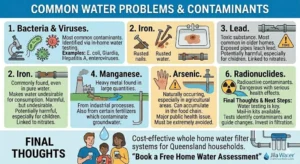
Water testing helps Brisbane and SEQ homeowners understand what may be affecting their tap, tank or bore water before choosing a filtration system. This guide explains common contaminants, water quality warning signs, and when to book a free Jila Water home water assessment.
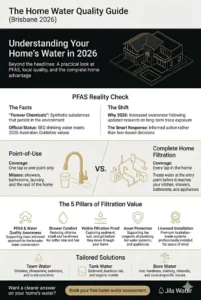
Concerned about PFAS in Brisbane water? This practical 2026 guide explains what homeowners need to know, what current Australian advice means, and where complete home filtration fits.
complete home Water filtration Brisbane Premium complete home filtration for better water at every tap. If you are researching whole home water filtration or complete
What Showering In Filtered Water Can Do For You & Your Skin
Most Brisbane and Australian homeowners already know the importance of drinking clean, fresh filtered water. The quality of the water you’re showering and bathing in can also harm your health as there are several things in your water you don’t know about. Unfiltered water can carry several contaminants, including Chlorine, chloramines, trihalomethanes, pesticides, chloramines, heavy metals, bacteria, minerals, and bacteria. Substances found in the water can make showering a less pleasant experience as your water will smell and taste terrible.
With the water quality in Brisbane being hard and of relatively ok quality, you may even be exposed to contaminants that have a severe impact on your increased risk of chronic health disorders and your health.
The solution is to remove all the contaminants by fitting a whole-house water filtration system to your Brisbane home from us here at Jila Water. Showering in water filtered through a Whole House Water Filtration System can dramatically remove the number of contaminants commonly found in your water, making showering a safe and more enjoyable experience.
There are many Reasons Why You and ofter Brisbane residence need a whole-house water filtration solution in Brisbane and throughout Australia. When choosing whole-house water filtration, the most popular solution is our Jila Water whole-house water filtration system.
Although Brisbane has high-quality water by international standards, it can still contain many natural and artificial contaminants, most commonly found being Chlorine. Most Australian water treatment companies in towns and cities add Chlorine to their water supply to kill bacteria, viruses, and protozoa. What is then found is that by adding Chlorine to the water, other elements can be formed like Chloramine, Chloramines and Trihalomethanes.
Chloramines and Chloramine is a chemical compounds formed when Chlorine combines with ammonia which is also found in the water supply.
Trihalomethanes are chemicals formulated when Chlorine interacts with rotting organic matter.
Researchers and scientists believe these elements can increase the risk of things like bladder cancer, colorectal cancer, and even miscarriage in pregnant women. Cyst Parasites (Cryptosporidium and Giardia) and Bacteria can also be found in your home if using unchlorinated water from a tank, bore, tank, river, stream, or dam, it may contain parasitic cysts like cryptosporidium and giardia.
This untreated water may also carry things like bacteria like Coliform. and Escherichia coli (e-coli).
Heavy Metals Heavy metals like arsenic, lead, arsenic, copper, and cadmium can be transported into your water supply via many different natural factors (natural mineral deposits and erosion, ) or manmade circumstances (pollution, corroding pipes).
The process of ingesting these heavy metals has been found to be very hazardous.
Rust Although rust isn’t especially dangerous to consume in low doses, it can stain your clothing and then will discolour your drinking water. So let’s face it, it is better to have it removed rather than consumed.
Scale-Producing Minerals Some parts of Brisbane and Australia have water that is called HARD and is also high in scale-forming minerals like magnesium and calcium.
Do you find your showerhead to clog up, and there is staining throughout the shower, well this is commonly caused by these minerals found in unfiltered water.
Chemical and pesticides the Brisbane water supply may contain and be contaminated by potentially dangerous chemical contaminants, including Perfluoroalkyl Substances (PFAs), Poly, nitrate/nitrites, and, Volatile Organic Compounds (VOCs) as well.
Just another reason why showering in water that’s been through a Jila Water Whole House Water Filtration System will remove 99.9% of the contaminants listed above.
The Jila Water Whole House Water Filtration system works using the following approach: Mechanical Filtration means The media or filter operates like a strainer, blocking more significant contaminants than the pours in the Water Whole House Water Filtration system media.
This is a powerful and very effective way to remove the sediment, metal particles, algae, and dirt that are found in the local water supply. sponge
Water Whole House Water Filtration filters can be made from a variety of materials, including food-grade metal mesh and polypropylene.
The absorption Filtration This type of media can intercept and then absorbs elements and different contaminants as if it was a sponge.
The most common material used in our Water Whole House Water Filtration during the absorption filtration part of the system is Granular Activated Carbon (GAC).
These different methods are capable of first filtering and then absorbing other chemicals found in the water and removing them like the Chlorine we spoke of earlier.
The Carbon part of the filtration system needs time in contact with the elements in the water to absorb and remove them from the water.
Our system removes a wide range of contaminants from your home’s water at the point of entry, so the hot water still comes out as fast and flows with fresh filtered hot water, so you still have perfect shower pressure even after the system is installed.
The whole house water filtration system also uses a KDF 55 filter element to dissolve the chlorine gas found in the water by changing it into water-soluble chloride ions (which are harmless to humans).
It can also reduce the build-up of scale, heavy metals, algae, bacteria, and fungi.
There are many additional benefits of using KDF55 as it has a bacteriostatic function, which means it can inhibit bacterial growth.
It can convert free Chlorine and certainly combined Chlorine (including sodium hypochlorite most commonly found in swimming pools), into the harmless element chloride.
By reducing, your Exposure To Chlorine, Brisbane and most towns and cities in Australia will treat their water with Chlorine to kill viruses, bacteria, and protozoa.
Now, there are several downsides to showering in chlorinated water, including Dry, brittle, or discoloured hair. However, we also know that Chlorinated water can strip out your hair’s natural oils, which keeps your hair looking great.
If you find you have dry skin, showering in water that has Chlorine will also strip advantageous bacteria and protective oils from your skin.
If you spend any length of time in the shower, it will also cause extreme redness and a burning sensation if your body doesn’t react well to Chlorine.
The harsh drying effects of Chlorine can also cause eczema or rosacea or flare-ups which can dramatically impact the condition of your skin.
By adding a whole-house water filtration system, you will reduce your Exposure to Chloroform. When it comes to trihalomethanes are produced, this happens when chlorine contacts decaying organic matter in waterways.
It is recommended you avoid Exposure to Heavy metals like mercury, lead, and arsenic that can enter the water supply from a number of, sources be they artificial or natural.
It’s been found that in high doses, these elements and different metals can greatly increase the risk of many different health conditions, including congenital disabilities, cancer, cardiovascular disease, skin lesions, poor cognitive development, and diabetes.
The combination of filters used in the Jila Water 4-stage Whole House Water filter system like the KDF filters can reduce the levels of water-soluble elements and the different heavy metals found in different water supplies throughout Brisbane and the rest of Australia, potentially helping you avoid some hazardous health problems.
Enjoy Cleaner Water to shower in after you and your family fit a Jila Water 4-stage Whole House Water filter system and it’s removing those contaminants that cause health issues along with the staining and other problems already mentioned.
The Jila Water 4-stage Whole House Water filter system works by changing magnesium particles and calcium by structure, reducing the number of particles that harden on your taps, bath, and shower screens.
You will find the unit will also reduce the rotten egg smell that occurs when the water has high levels of hydrogen sulphide. suspect
Our combination of filters fitted to your system will reduce Chlorine, chloramines, trihalomethanes, hydrogen sulphide (rotten egg smell), iron oxides, dirt, sediment, and odors from all the water that you drink, shower, wash and bathe in.
It is a complete water filtration system that we fit as the water enters your home, thereby you have peace of mind knowing that your whole home’s water is freshly filtered.
The recommended maximum service life of the cartridge is 12 months, depending on the water quality but our water techs will come out and inspect them every 12 months and give you recommendations when they service your unit.
So after reading this far you can see there are many different reasons to have a whole house water filtration system fitted for removing contaminants from the shower and bath water entering your home.
If you have any more you would like to know or just questions about Jila Water and what a Whole House Water Filtration system can do for you, contact us via the website, drop us an email, or call 1300 30 10 37.