





Category: Complete Home Water Filtration

Jila Water Brisbane & South East Queensland

Complete Water Filtration for the Whole Home

Explore Jila Water articles, guides and insights covering whole home water filtration,
complete home water filtration systems, water filter installation, replacement filters,
Brisbane water quality, chlorine, sediment, scale, taste, odour and healthier water from every tap.

✓ Brisbane-based specialists
✓ Installed by licensed plumbers
✓ Premium whole-home systems

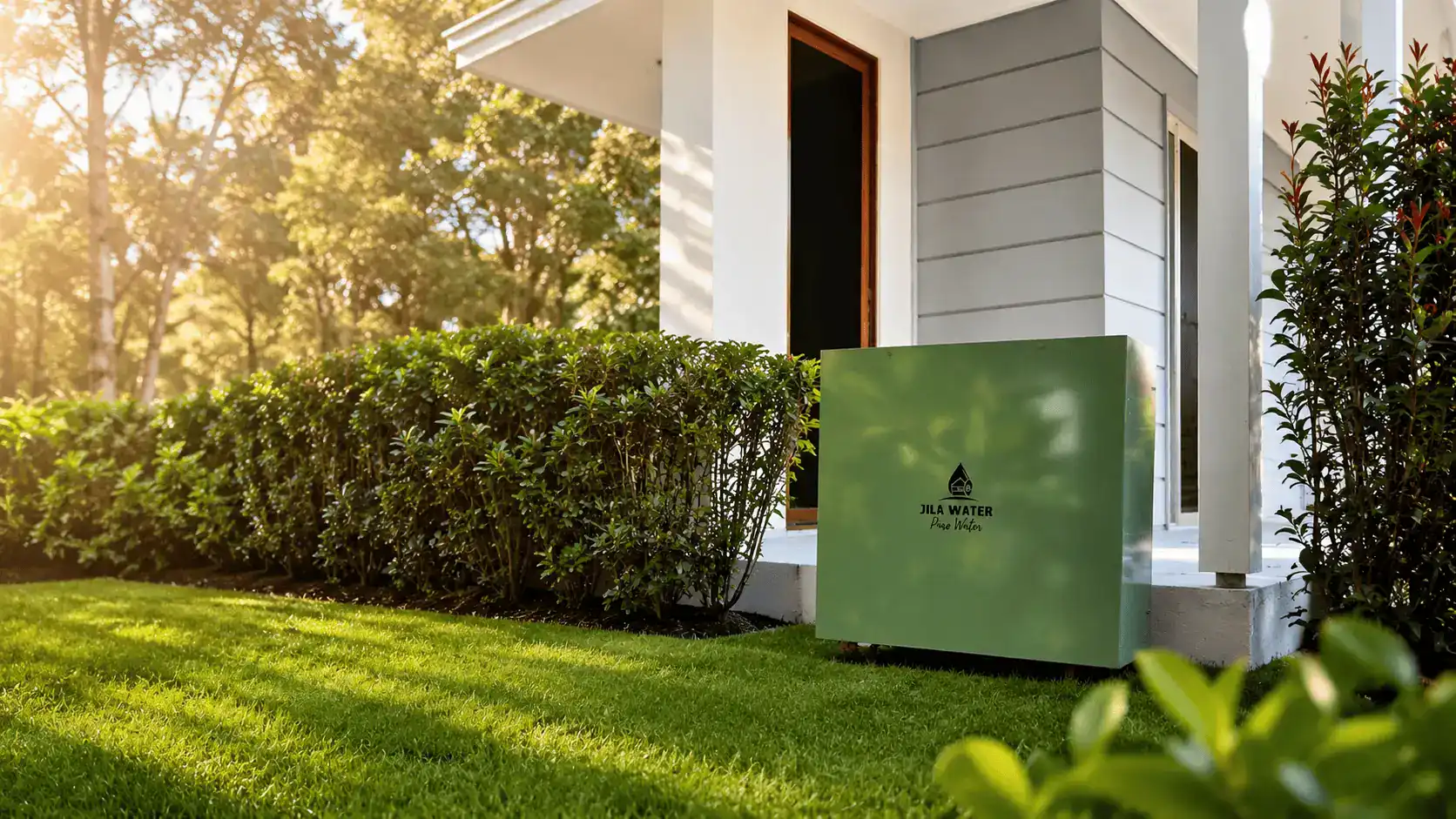
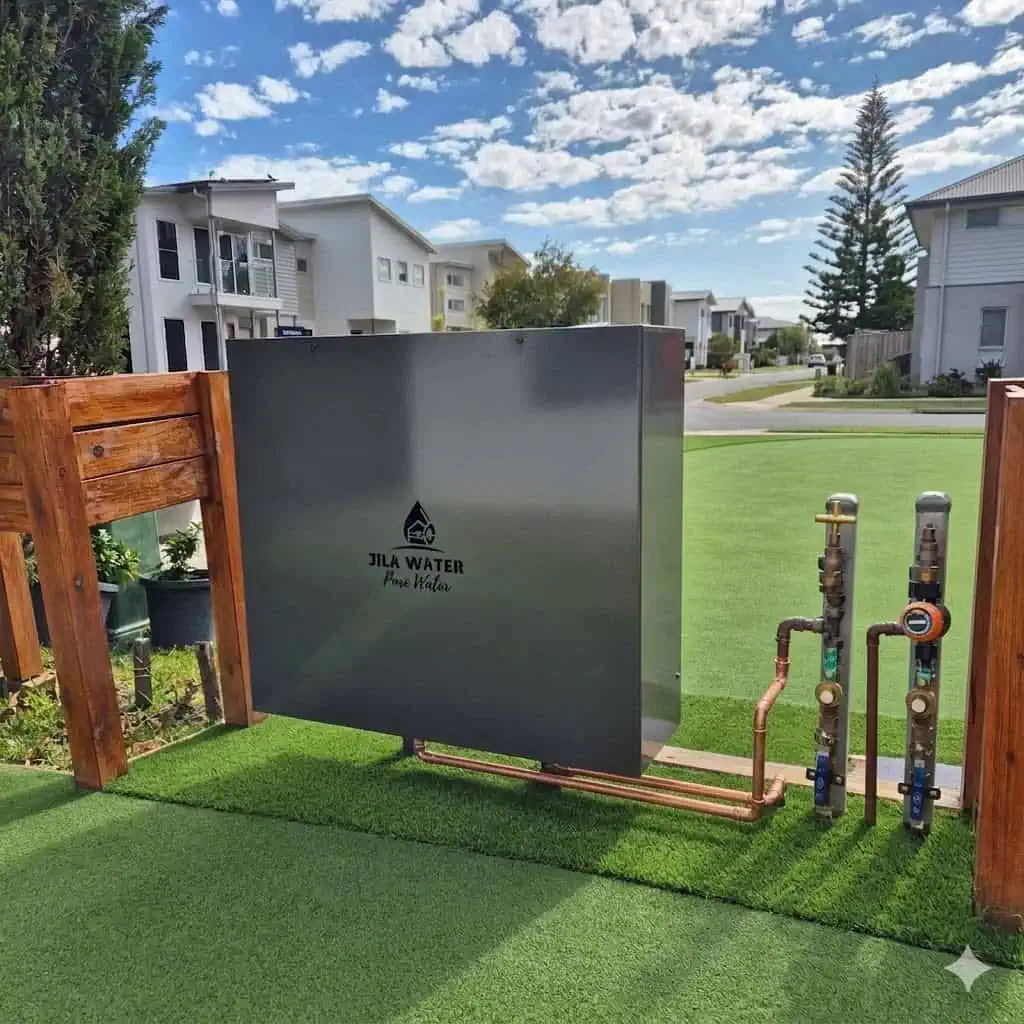
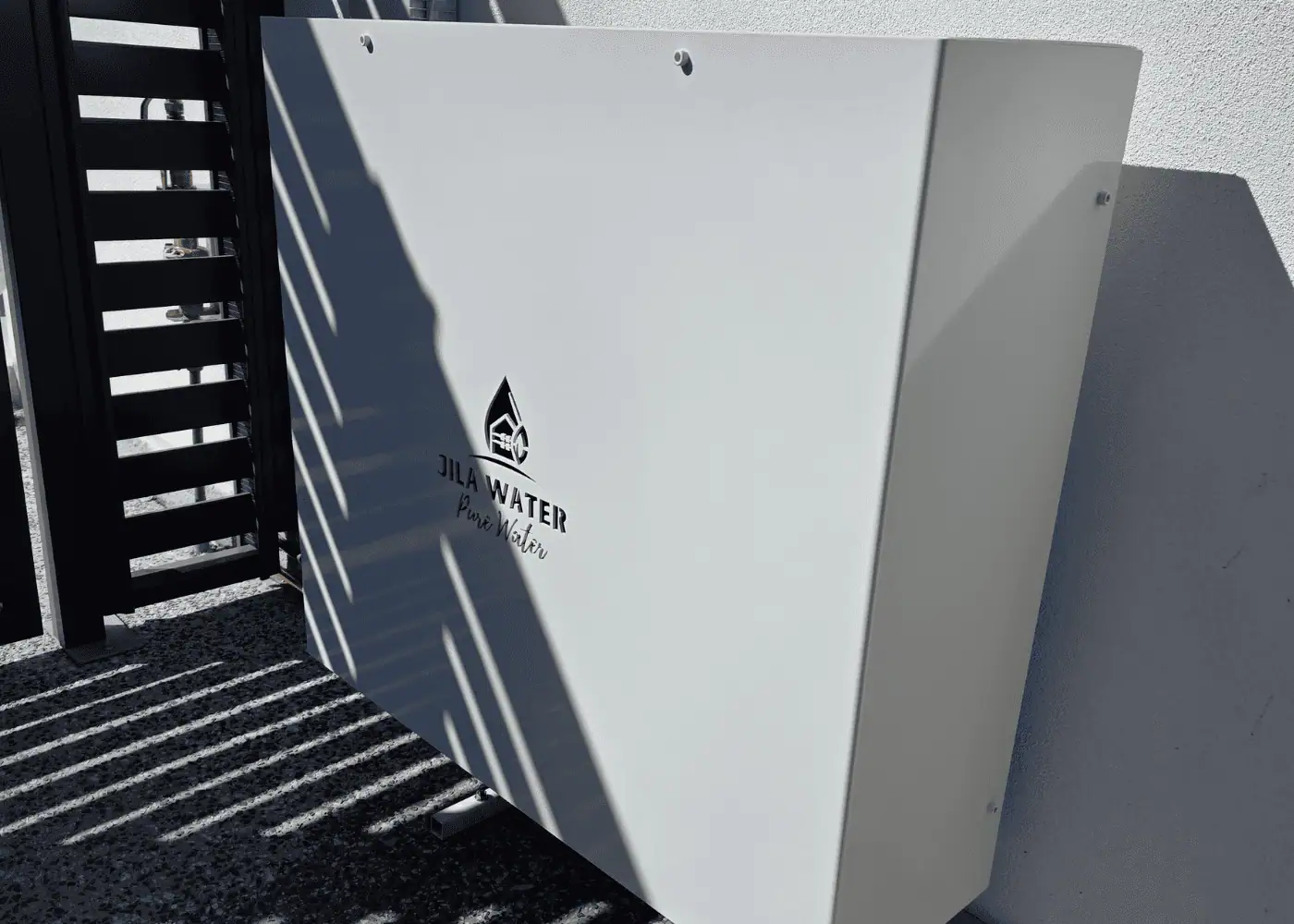
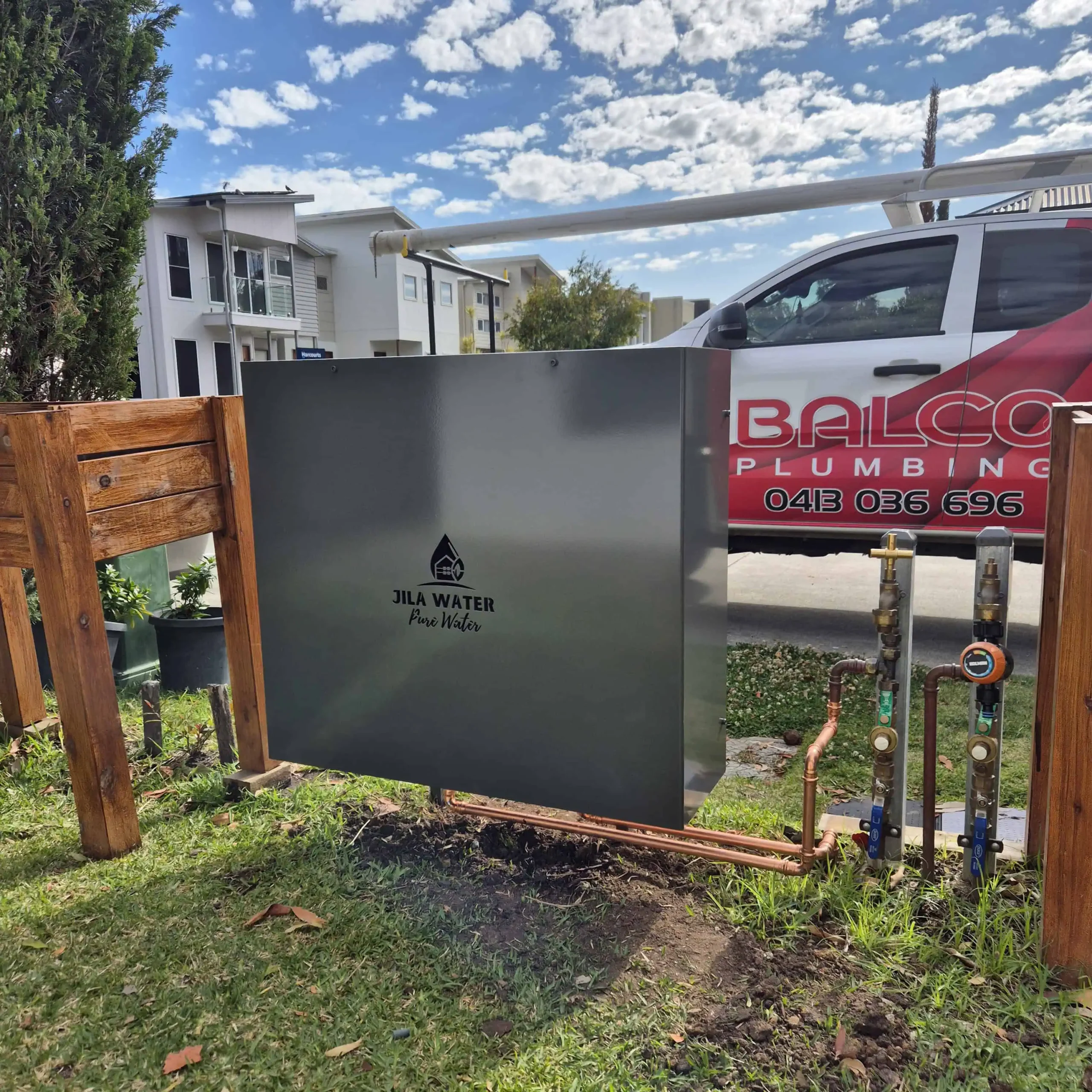
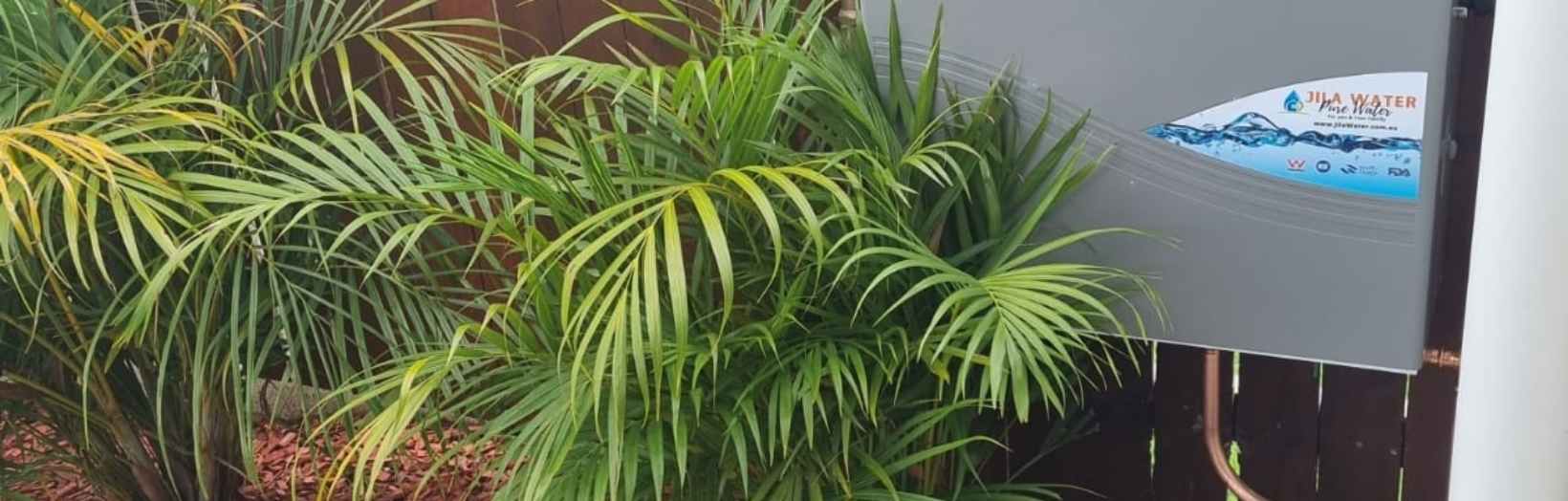
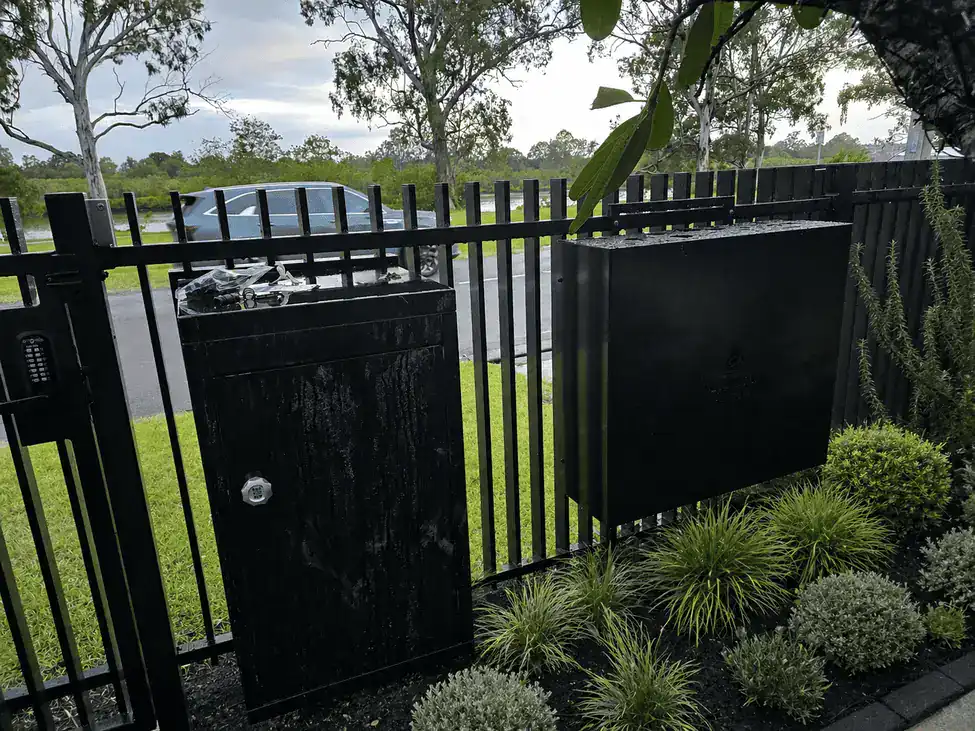
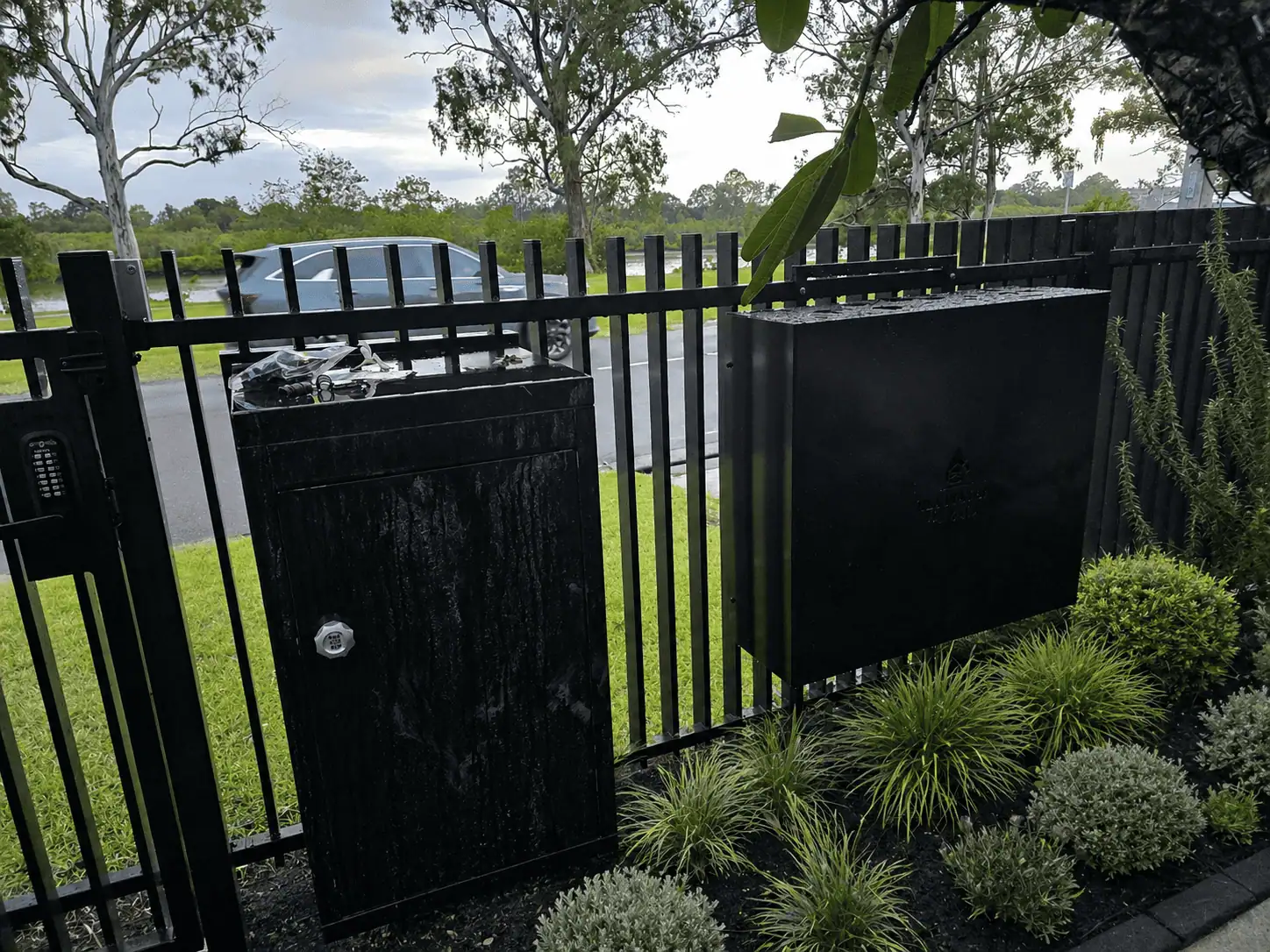
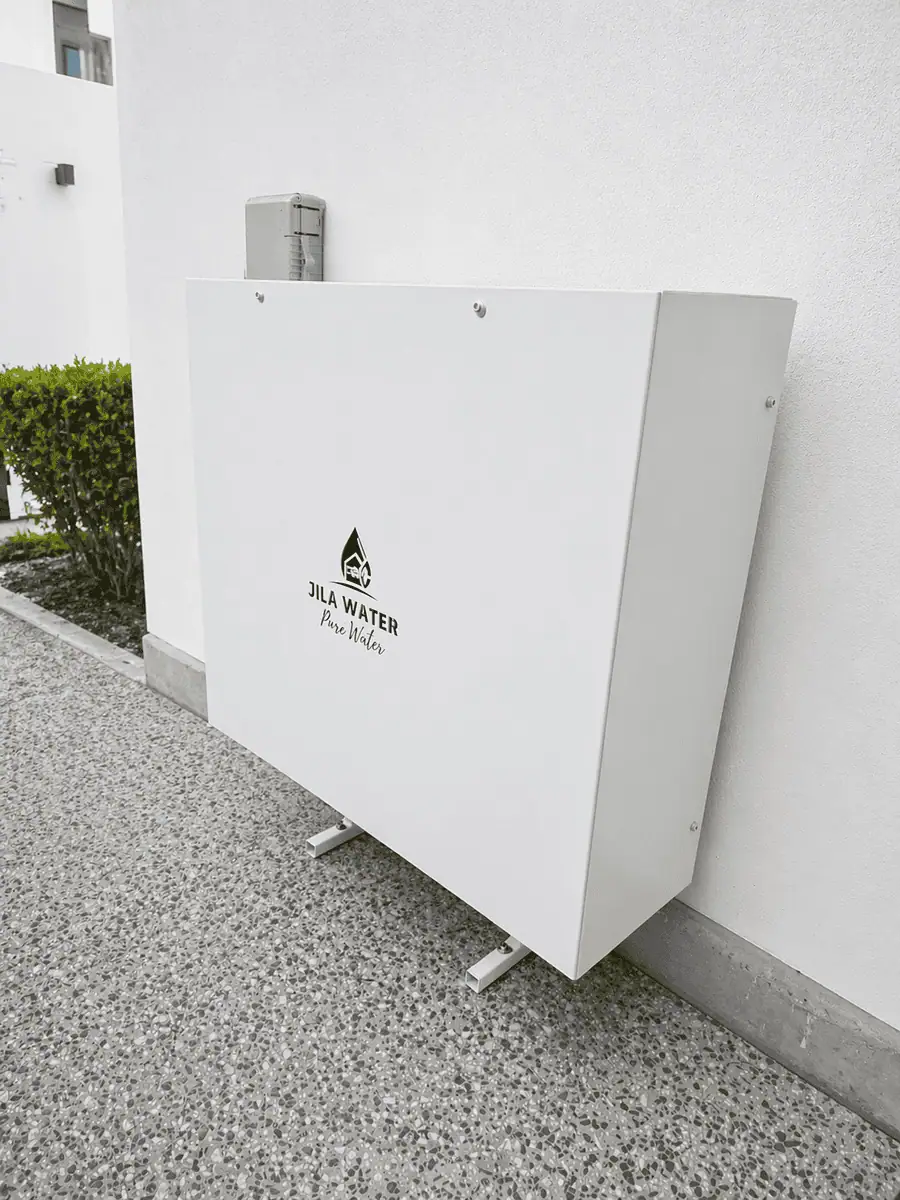
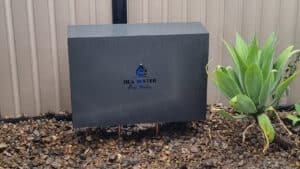
Jila Water premium whole home water filtration system installed at a Brisbane home

Premium Jila Water complete home filtration system installed for a Brisbane homeowner.

Complete Home Water Filtration, Explained Simply

Jila Water helps Brisbane and South East Queensland homeowners understand what is really
coming through their taps and how a professionally installed whole home water filtration system can improve water throughout the kitchen, bathrooms, showers, laundry, and outdoor taps.

This category brings together practical guides on water filtration systems, filter replacement,
chlorine reduction, sediment protection, water quality testing, system sizing and what to look
for when choosing a complete home water filtration system in Queensland.

  • A Guide to Hard Water and Drinking Water In Your Home

    A Guide to Hard Water and Drinking Water In Your Home

    A Guide to Hard Water and Drinking Water In Your Home

    A Guide to Hard Water and Drinking Water In Your Home

    A Guide to Hard Water and Drinking Water In Your Home

    We’re always reminded to drink eight glasses of water a day, but there are a couple of specifics that you need to know about before you get hydrated. Every household may receive a mix of hard water and soft water, and it can be hard to determine which is which.

    Tap water may be hard or soft or even a mix of both. The hardness of water is quite important to learn about and determine, as you may want to find a way of getting filtered drinking water for a cleaner taste and better health. To dive more into this, continue reading.

    Is Hard Water Safe For Drinking?

    Generally, both hard water and soft water are safe to drink. However, any type of water with a higher hardness level than others typically contains more minerals like calcium and magnesium. It also appears to be much cloudier, linked to several health reactions and concerns.

    Research has shown that drinking hard water can result in a higher risk of cardiovascular diseases, certain cancers, and more. People may also experience aftereffects of drinking the hard water for a prolonged period of time on their reproductive and overall health condition.

    What are the signs of hard water

    What Are the Signs of Hard Water?

    Many people would rather avoid hard water, but it can be a little tough to spot it without proper testing. If you look closely at a couple of telltale signs with the water flow and water pressure though, you may just get an inkling that there is hard water in your home’s plumbing system.

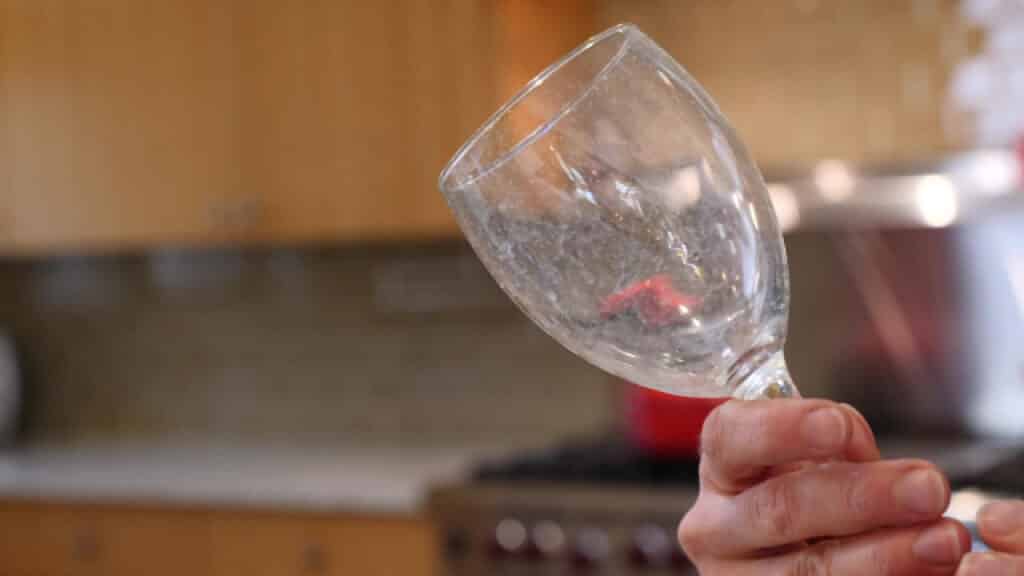
    Other indicators of hard water are usually lingering spots and stains on dishes, clothes and your home’s surfaces. Hard water isn’t very good at reacting to soap either due to its calcium content, resulting in soap scum that’s tough to rinse off.


    How to Test for Hard Water?

    Whether you’ve seen visible signs of hard water or not, it is possible to request a proper water quality report from your provider. Residents should get an overview of the total mineral and contaminants found in the water supply dedicated to your area.

    It’s not a totally black and white situation, though. As mentioned earlier, some water may be a mix of both hard water and soft water. Try to see everything within a spectrum instead and realise that hardness levels can vary depending on the content of minerals in it.


    How do I test for hard water in my Brisbane home

    How to Get Safe Drinking Water?


    When you want to ensure that your drinking water is safe, the best way to do so is to have an at-home filtration system. You may have limited to zero control over the mineral content of your water supply, but you can soften whatever you receive so you can drink easily via the tap.


    With proper filtration, any anomalies or pollutants within the water from surrounding industrial plants or general piping of your home’s plumbing system should be cleansed. Just remember to provide your system with the proper maintenance it needs. 


    Conclusion


    In summary, hard water can be dangerous if the content of harmful minerals in it is too much. Try to seek out a filtration system that can be installed in your home to ensure that whatever water you pour into a class will be clean and soft.


    Looking for the best home water filter systems? Jila Water offers cost-effective whole house water filter systems to homes in Queensland. Get in touch with us today!

    Share:

    Facebook
    Twitter
    Pinterest
    LinkedIn
    On Key

    Related Posts

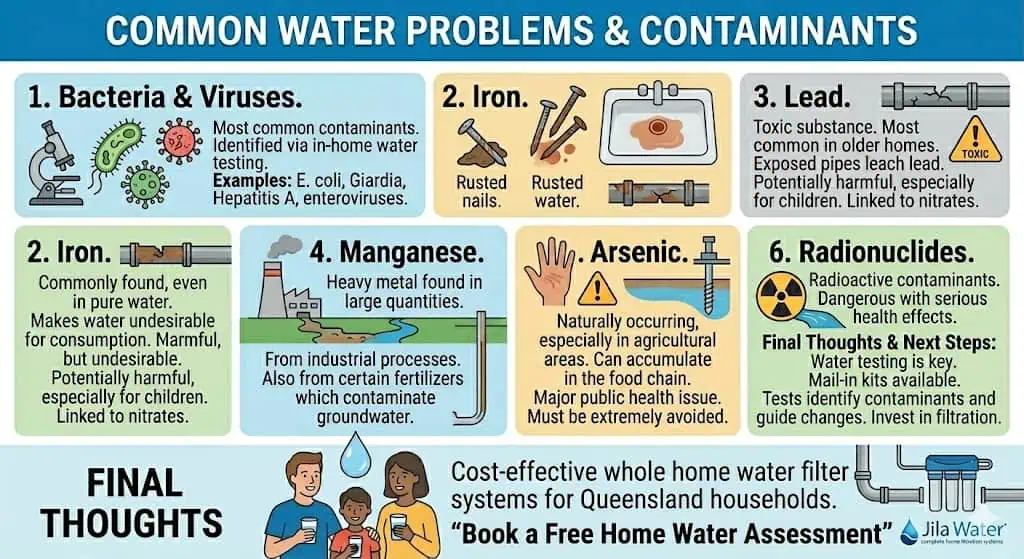
    The Importance of Water Testing & Identifying Contaminants

    Water testing helps Brisbane and SEQ homeowners understand what may be affecting their tap, tank or bore water before choosing a filtration system. This guide explains common contaminants, water quality warning signs, and when to book a free Jila Water home water assessment.
  • 7 Signs of Dehydration That You Should Observe in Yourself

    7 Signs of Dehydration That You Should Observe in Yourself

    All Water Is Safe to Drink or is it?

    7 Signs of Dehydration That You Should Observe in Yourself

    Dehydration, what is it and why you should drink more water

    Proper hydration is vital to maintaining the body’s health. If a person doesn’t get enough water in a day, it can cause dehydration. Dehydration is a condition that happens when the body loses more fluid than it takes in, often caused by extreme heat, increased urination, and vomiting or diarrhea.

    Dehydration may seem like something that’s not concerning on the surface level, but that’s not the case. If left unattended, dehydration can have life-threatening consequences. For this reason, you have to keep an eye out for signs of dehydration that might be going on in the body.

    In this article, we list down some of the most important signs of dehydration. Read on below to learn more.

    Dehydration Symptoms

    Some dehydration symptoms may be pretty mild, while others are more severe. It’s essential to know the signs if a problem exists and you suspect that you or your child is not consuming enough water.

    #1 – Fatigue


    Dehydration may first start to show itself in the form of feeling tired. The body becomes sluggish, especially during the middle of the day, and has difficulty performing its regular functions. The more time that passes, the more noticeable the symptoms get.


    #2 – Headaches


    Dehydration headaches are one of the most common headaches that people deal with. Dehydration headaches are characterised by a dull, persistent pain that can be rather uncomfortable to deal with. These headaches are more common among children, especially when they have a fever.


    #3 – Dry Mouth


    You can tell that a person is dehydrated by simply looking at how dry their mouth is. A dry mouth is a common symptom of dehydration and can also be brought about by smoking, dehydration, and taking certain medications.


    #4 – Skin Issues


    Dehydration can also make the skin look and feel rough and dry. The skin may also appear less elastic, and the skin colour may appear paler than usual. If a child’s skin is dehydrated, it will be harder to absorb the nutrients it needs.


    #5 – Urine Issues


    Dehydration can cause urine to take on a darker, clearer colour. In some cases, it may even become thick and sticky. If the urine appears to be more crystal coloured, less water is being excreted from the body, and dehydration is happening.


    #6 – Constipation


    Another symptom of dehydration is constipation, a lack of bowel movements. The body isn’t producing enough waste due to dehydration, and as a result, the body cannot eliminate it. This causes the intestines to stop working, one of the leading causes of constipation.


    #7 – Vomiting


    Dehydration can be one of the leading causes of vomiting, especially among infants and children. Ambient temperature is one of the factors that can cause a person to feel nauseous and vomit. Dehydration can sometimes cause the body to hallucinate, leading to the feeling that one needs to vomit.

    Headaches & Fatigue along with dry mouth are all signs of Dehydration
    How much is enough water to be drinking each day

    How Much Water Is Enough?


    You may be surprised to learn that it’s not always easy to know whether you’re getting enough water or not. The Institute of Medicine (IOM) considers adequate hydration for healthy adults to be about 91 ounces of water throughout the day.


    However, this number varies based on your size, exercise level, and other factors. For active kids or those who consume a lot of sugary or caffeinated beverages, the total water intake could be significantly higher.


    Conclusion


    Dehydration can be a problem for anyone, no matter their age. It’s essential to know the signs and take them seriously whenever you suspect something is wrong. With the proper treatment and precautions, managing dehydration can be easy and done in the comfort of your own home.


    Your home’s drinking water must always be clean. If you’re looking for home water filters in Queensland, look no further than Jila Water! Our water filtration solutions are tailored to the needs of every homeowner, meaning you’ll only get fresh, contamination-free water in your home. Contact us today to learn more!

    On Key

    Related Posts

    The Importance of Water Testing & Identifying Contaminants

    Water testing helps Brisbane and SEQ homeowners understand what may be affecting their tap, tank or bore water before choosing a filtration system. This guide explains common contaminants, water quality warning signs, and when to book a free Jila Water home water assessment.

    On Top
    On Trend

    Popular Stories

    The Importance of Water Testing & Identifying Contaminants

    Water testing helps Brisbane and SEQ homeowners understand what may be affecting their tap, tank or bore water before choosing a filtration system. This guide explains common contaminants, water quality warning signs, and when to book a free Jila Water home water assessment.

    On Flight

    Travel & Explore the world

    The Importance of Water Testing & Identifying Contaminants

    Water testing helps Brisbane and SEQ homeowners understand what may be affecting their tap, tank or bore water before choosing a filtration system. This guide explains common contaminants, water quality warning signs, and when to book a free Jila Water home water assessment.

    On Brand

    Beauty Tips and Tricks

    The Importance of Water Testing & Identifying Contaminants

    Water testing helps Brisbane and SEQ homeowners understand what may be affecting their tap, tank or bore water before choosing a filtration system. This guide explains common contaminants, water quality warning signs, and when to book a free Jila Water home water assessment.

    On Style

    Glorious Fashion

  • Debunking 6 of the Most Common Drinking Water Myths

    Debunking 6 of the Most Common Drinking Water Myths

    Why Use a whole home water filter system

    Debunking 6 of the Most Common Drinking Water Myths

    Myth #1: Distilled Water Is Pure

    Some may wonder, “how much water should I drink?” or “how many litres of water should you drink a day?”. But really, the more important question is, “Is the drinking water available in your home safe?”. How can you drink more water if the one readily available is unhealthy?

    Let’s go back to the basics and break down the truth about your drinking water.

    Water is the key to human survival. Humans can live for a month or two without food. But without water, a human’s lifespan dwindles to three days.

    Since water is essential, different types of water and at-home water filtration systems have sprouted in the market. As the number of these products rises, the water myths also increase are some filtered water myths you probably believed at some point.

    Myth #1: Distilled Water Is Pure

    The Truth: Yes, distilled water is pure water. But it’s also water without any minerals.

    Drinking water that is distilled has loads of benefits. Distilling involves boiling the water, which separates the water from the contaminants. The water vapour passes through a cooling coil, condensing into liquid form. This process occurs multiple times until most of the impurities are removed.

    The science behind the distillation process is outstanding. But what it’s left with is only water, no minerals.

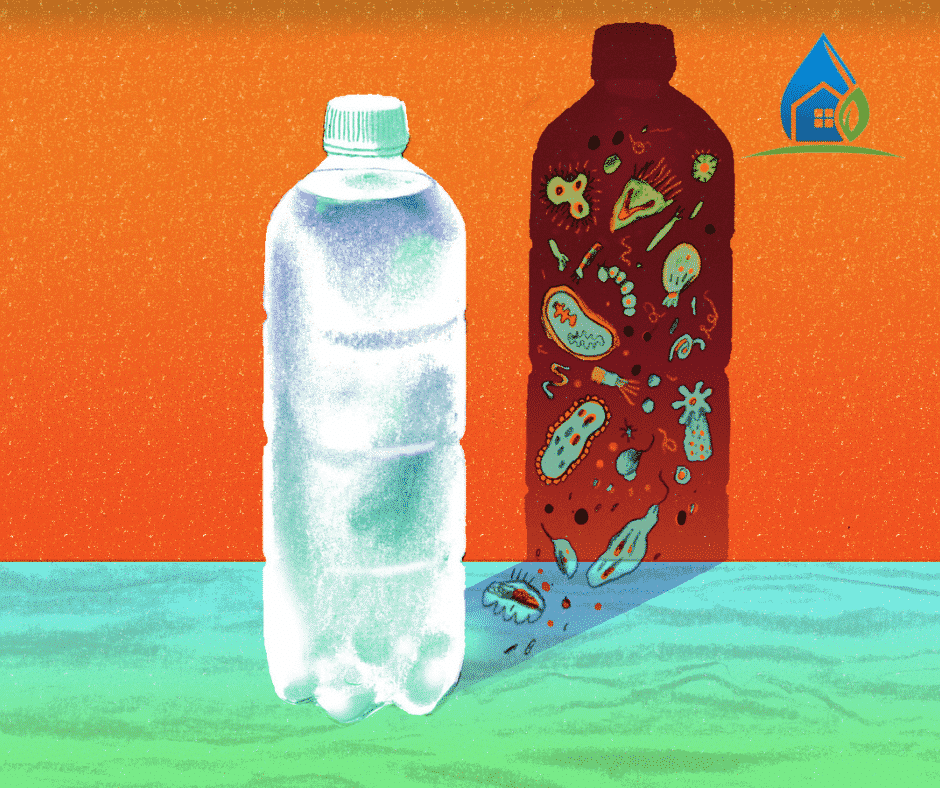
    Myth #2: Bottled Water Is Cleaner, Healthier, and Safer Than Tap Water

    The Truth: Bottled water companies proudly display their water’s purity, stating that they are free of chemicals, pesticides, viruses, and bacteria. But it has been proven that bottled water and tap water are comparable

    The Department of Health monitors Australia’s tap water quality. On the other hand, the Australian Beverage Council oversees bottled water quality and distribution. Both agencies use a similar water quality standard. Therefore, you may not be better off with the cap than the tap.

    Why Filtered Water is Better than bottled water
    All Water Is Safe to Drink or is it?

    Myth #3: Reverse Osmosis Water Is as Healthy as Distilled Water.

    The Truth: Reverse osmosis is a type of water filtration process. It involves putting water through a semipermeable membrane that selectively stops large and small molecules. The bigger molecules stay on one side, while the smaller ones pass on to the other.

    It has been proven to remove most contaminants from your drinking water, but the water loses essential minerals. However, the minerals can be added back to the water.

    Myth #4: All Water Is Safe to Drink

    The Truth: According to the World Health Organisation, most water sources are polluted. That is why the water that goes into people’s taps is treated and heavily regulated to ensure that it’s safe to drink.

    Freshwater treatment, for example, is a four-step process. It involves water screening, the chemical removal of fine particles (flocculation), the mechanical removal of larger particles (filtration), and disinfection with chlorine. It’s important to note that tap water also goes through fluoridation to help improve Australians’ dental health. However, too much fluoride also has health consequences.

    To ensure your drinking water is safe, your home needs to install water filters that effectively remove contaminants.

    Myth #5: Pitcher Filters Remove the Fluoride from Tap Water.

    The Truth: It’s possible to reduce fluoride in tap water significantly. However, you need to have the right filter for the job.

    Some of the most prominent pitcher filters use activated carbon to absorb contaminants in the water. It can remove trace metals, chlorine, pesticides, and other organic compounds. But to remove fluoride, it must undergo a reverse osmosis system—something that pitcher filters don’t have.

    Myth #6: Home Water Filter Systems Are Not Important.

    The Truth: You can live without a water filter at home, but having a filter system can significantly improve your quality of life. Aside from its many health benefits, a water filter system can give you peace of mind knowing that you are drinking perfectly safe water.

    Yes, you can use a pitcher filter to filter your water. But only a home filtration system can remove the fluoride from the water. Drinking out of a tap that supplies filtered water is more convenient.

    There are many myths surrounding water types, treatments, and filtration systems. You should equip yourself with the proper knowledge to steer clear of misinformation. Drinking clean and safe water is essential to life, and knowing how to discern truth from fiction can help you do that.

    Jila Water is a company that supplies some of the best home water filter systems in Brisbane. Our multi-stage filtration system removes contaminants and fluoride to give you and your family pure drinking water every time. Call us today to learn more!

    Need a simple solution to your home’s water needs? Book your free water test today.

    Share:

    Facebook
    Twitter
    Pinterest
    LinkedIn
    On Key

    Related Posts

    The Importance of Water Testing & Identifying Contaminants

    Water testing helps Brisbane and SEQ homeowners understand what may be affecting their tap, tank or bore water before choosing a filtration system. This guide explains common contaminants, water quality warning signs, and when to book a free Jila Water home water assessment.

  • What Are the 5 Common Contaminants in Unfiltered Brisbane Water?

    What Are the 5 Common Contaminants in Unfiltered Brisbane Water?

    Brisbane & SEQ Water Filtration Guide

    What Are the 5 Common Contaminants in Unfiltered Brisbane Water?

    Brisbane and South East Queensland tap water is treated and monitored, but many homeowners still want to reduce the things that can affect taste, smell, shower comfort, plumbing, appliances and everyday water quality once water travels through the network and into the home.

    The five biggest water concerns Brisbane homeowners ask us about are disinfectant taste and smell, disinfection by-products, sediment and pipe particles, hardness minerals and scale, plus emerging trace contaminants such as PFAS.

    Brisbane BasedLocal SEQ water knowledge
    Licensed InstallProfessional plumbing pathway
    Every TapKitchen, showers, bathrooms & laundry
    Premium FinishBuilt to look worthy of the home
    The Real Problem

    Most homeowners do not start with contaminants. They start with how the water feels.

    Your water might be treated, but it can still taste chemical, smell stronger in the shower, leave residue, or carry sediment from the network and household plumbing.

    Common signs Brisbane homeowners notice

    • Chlorine or chemical smell from taps and showers
    • Water that affects the taste of tea, coffee and cooking
    • Dry-feeling skin or hair after showering
    • Scale or residue around taps, glass and fixtures
    • Cloudy, discoloured or gritty water after pipeworks
    • Concerns about older plumbing and what is travelling through the home

    This is where Complete Home Filtration is different. Instead of treating water at only one outlet, a whole home system is installed before water reaches the key areas of your property.

    Balanced & Evidence-Based

    Is Brisbane tap water treated?

    Yes. Brisbane and South East Queensland water is treated and monitored before it is supplied to homes. Public water treatment is important because it helps protect water as it travels through dams, treatment plants, mains infrastructure and local pipe networks.

    But treated water and filtered water are not the same thing.

    Treated water is designed to meet public health requirements across a large supply network. A home filtration system is designed to improve the water experience inside your own property — including taste, smell, sediment reduction, shower comfort and broader household water use.

    That is why many Brisbane homeowners are now looking beyond basic tap filters and exploring complete home filtration systems that filter the water they actually live in every day.

    Helpful authority sources

    For transparency, Jila Water recommends homeowners look at official water quality resources alongside any home filtration advice.

    The 5 Main Concerns

    5 common contaminants and water quality concerns in unfiltered Brisbane water

    This is not about fear. It is about understanding what can affect the water you drink, shower in, cook with, clean with and run through your home every day.

    1

    Chlorine and chloramine disinfectants

    Disinfectants such as chlorine and chloramine are used in treated water systems to help control microorganisms and maintain water quality through the network. The issue for many homeowners is the remaining taste, smell or chemical feel once that water reaches the home.

    You may notice a chlorine-like smell from showers, a chemical taste in drinking water, or water that affects tea, coffee and cooking. A single tap filter may help at one outlet, but it does not address the water used in bathrooms, laundry or showers.

    TasteSmellShowersEveryday use
    2

    Disinfection by-products

    Disinfection by-products can form when disinfectants interact with natural organic matter in source water. Common examples include trihalomethanes, often called THMs, and haloacetic acids, often called HAAs.

    Disinfection is essential for public water safety. The more practical question for homeowners is whether they want to reduce residual disinfectants and associated by-products at the point where water enters the property.

    THMsHAAsWater chemistryHome entry filtration
    3

    Sediment, rust and pipe particles

    Even treated water can pick up particles as it travels through mains infrastructure, local pipe networks and household plumbing. Sediment may also appear after water main works, plumbing repairs, pressure changes or disturbances in the network.

    Homeowners may notice cloudy water, grit in tap aerators, staining around fixtures, or dirty pre-filters during replacement. Sediment is one of the most visible reasons homeowners choose a whole home water filtration system.

    SedimentRustPipe particlesFilter proof
    4

    Hardness minerals, scale and residue

    Water hardness and dissolved minerals can contribute to scale, residue and build-up around household fixtures and appliances. In Brisbane and SEQ homes, this may show up as white marks on shower glass, build-up around taps, reduced soap lather or residue in kettles and appliances.

    Jila Water systems can include a water conditioning stage designed to support better water feel and reduce scale-related issues throughout the home. This is especially useful for homeowners who want more than just drinking water filtration.

    ScaleResidueAppliancesWater feel
    5

    PFAS and emerging trace contaminants

    PFAS are often called “forever chemicals” because they are persistent in the environment. They have been used in a wide range of industrial and consumer products and are now part of broader public discussion around water quality in Australia.

    Unlike chlorine taste, sediment or scale, PFAS cannot be seen, tasted or smelt. That is why homeowners concerned about PFAS and other emerging contaminants need to look carefully at system design, filtration media, flow rate and testing context.

    PFASEmerging contaminantsMedia selectionAssessment first
    Not Just One Tap

    Why whole home filtration is different from tap, fridge or shower filters

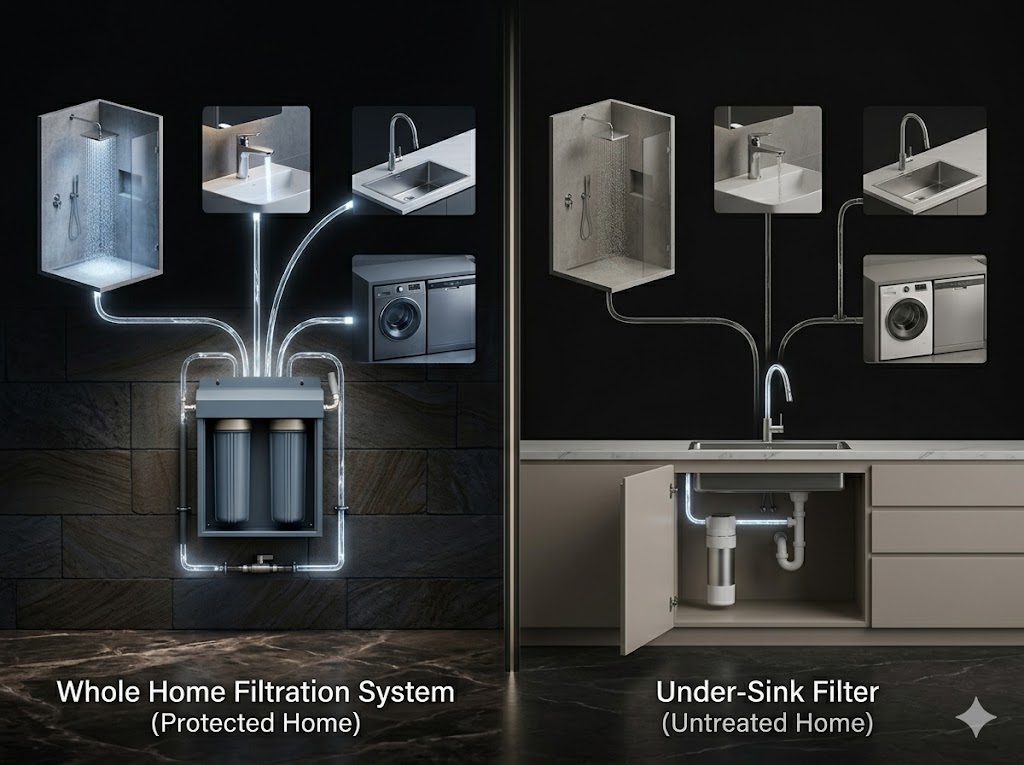
    A small filter can help one outlet. A complete home filtration system is designed to improve water across the property.

    Many homeowners start with a small filter because it feels simple. A benchtop filter, fridge filter or under-sink filter can help with one outlet, but it does not treat the water used throughout the rest of the home.

    That means unfiltered water may still be used in showers, bathroom taps, baths, laundry, cleaning, connected appliances and outdoor taps where applicable.

    Under-sink filter

    Can improve water at one kitchen tap, but does not filter shower water, bathroom water, laundry water or other outlets.

    Shower filter

    Can help one shower, but does not address drinking water, bathroom taps, laundry, kitchen use or whole-home sediment concerns.

    Fridge filter

    Useful for fridge water and ice, but limited to one appliance and usually not designed for whole-home flow rates or broader household use.

    Bottled water

    May help with drinking water convenience, but it does nothing for showers, cooking, laundry, appliances or plumbing — and it adds ongoing cost and plastic waste.

    Real Home Benefits

    Benefits for Brisbane and SEQ homes

    Complete home filtration is about more than drinking water. It is about improving the water experience across the whole property.

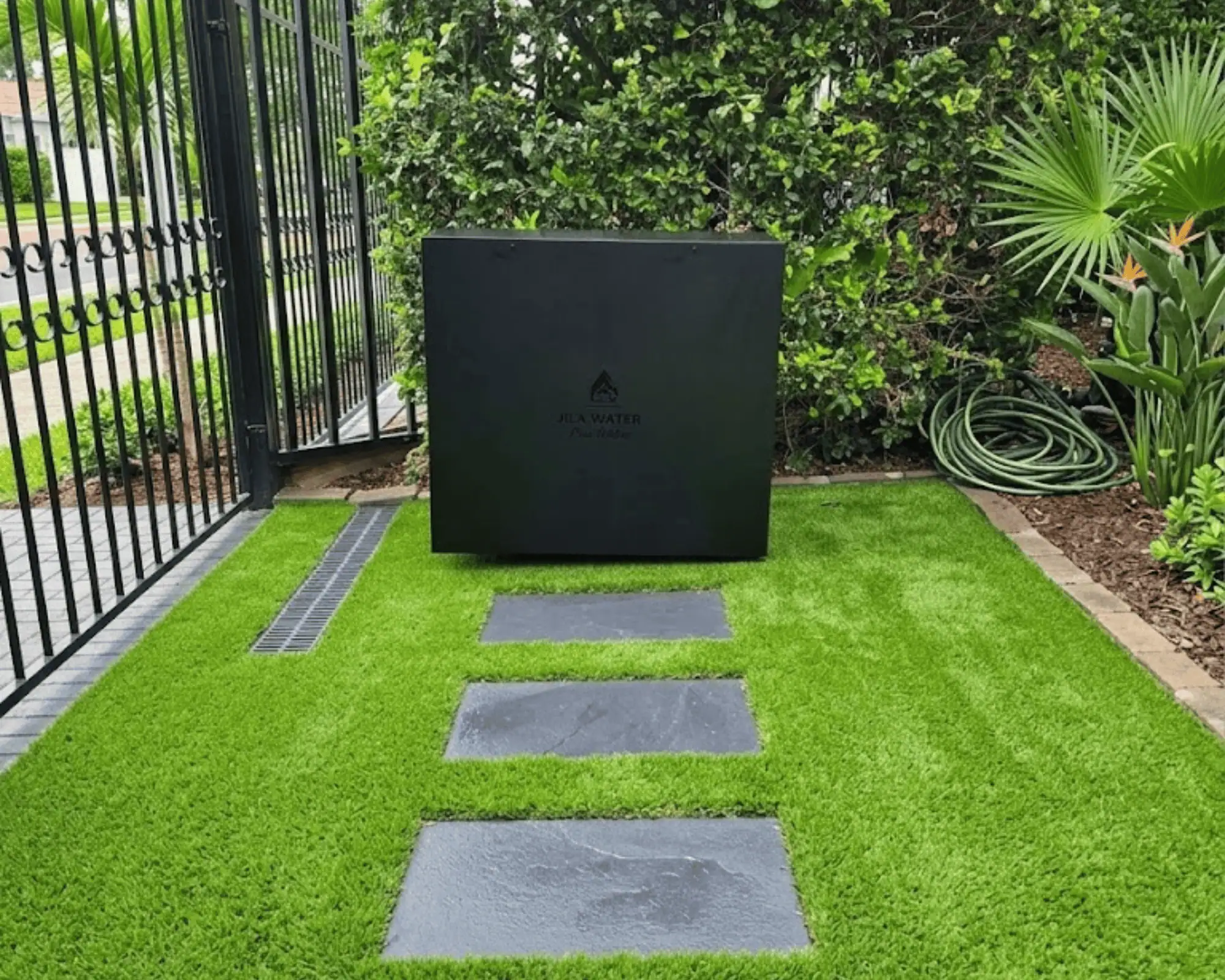
    Black Jila Water complete home filtration system installed for a Brisbane home
    Premium installed finishA complete home system should look intentional, not like an afterthought bolted to the side of the house.
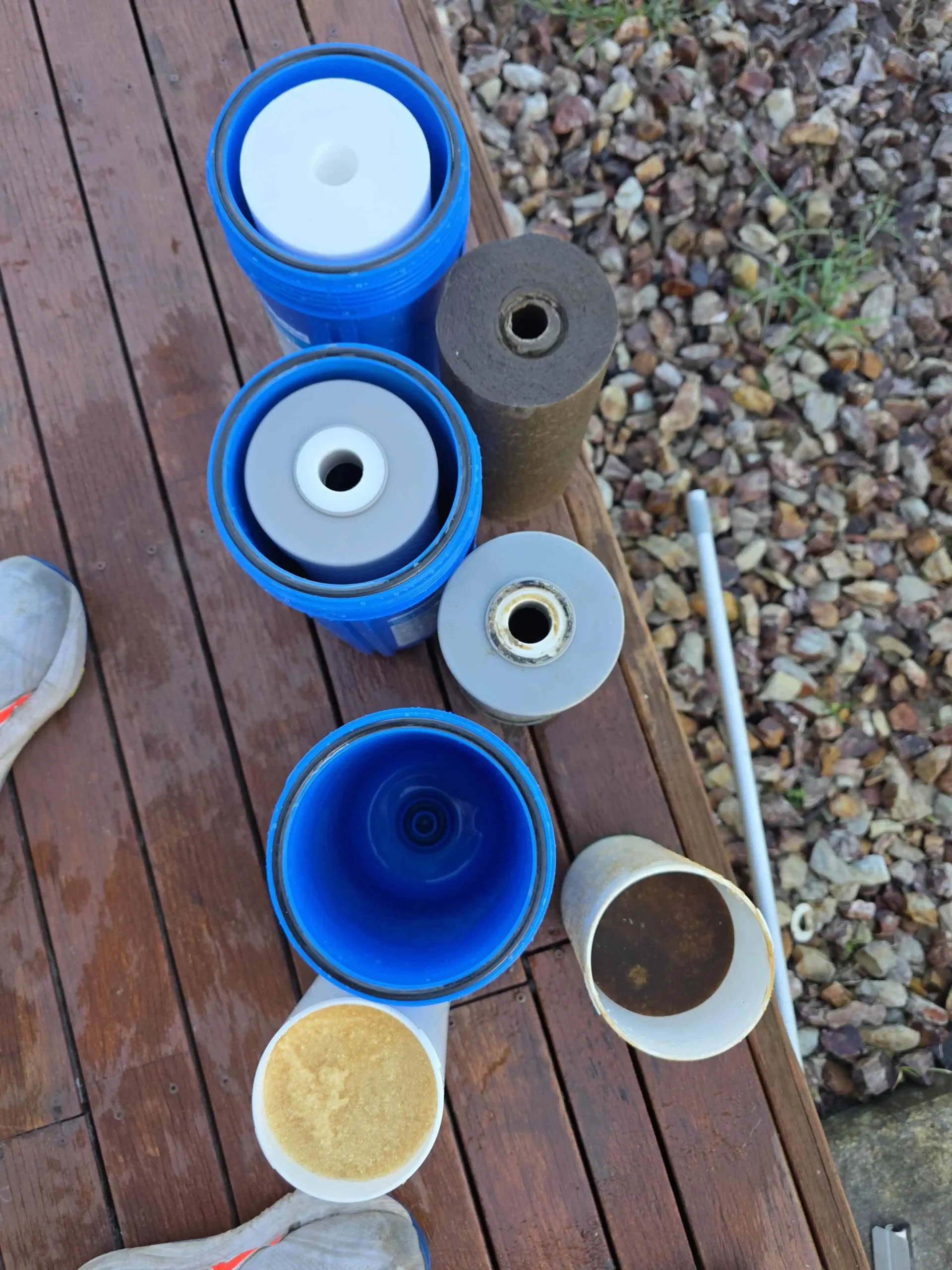
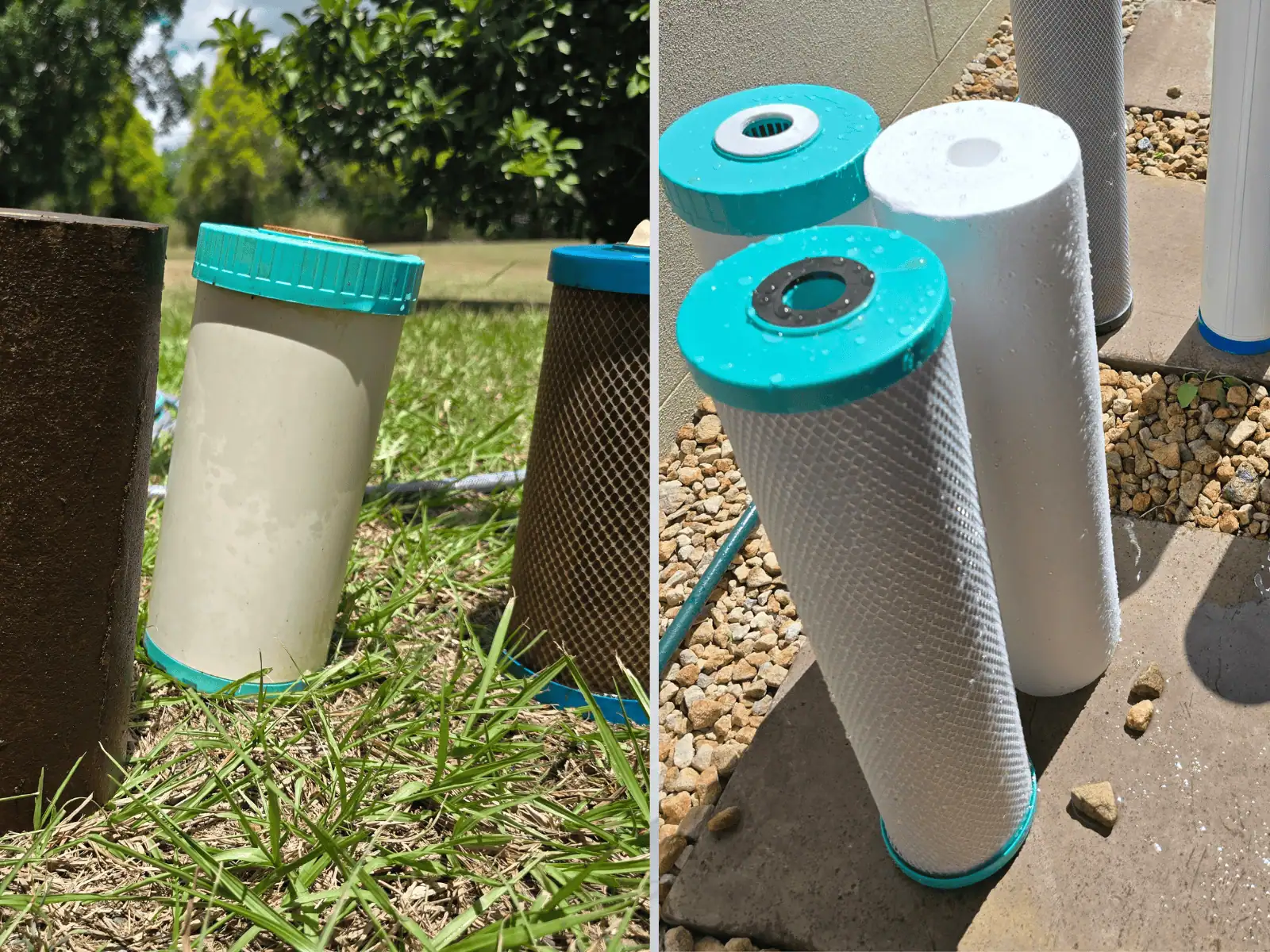
    Used whole home water filter showing sediment captured from Brisbane household water
    Visible filter proofFiltration can help capture particles and build-up before they continue through taps, showers and appliances.
    Jila Water premium colour matched complete home filtration housing for Brisbane homes
    Colour-matched optionsBecause premium filtration should suit the home visually as well as technically.

    What homeowners often want to improve

    • Better tasting water from the taps they already use
    • Reduced chlorine or chemical smell in showers and bathrooms
    • More comfortable showering for skin and hair feel
    • Reduced sediment and particles before water moves through the home
    • Support for plumbing fixtures and connected appliances
    • A cleaner, more premium ownership experience than small add-on filters
    Why Jila Water

    Premium complete home filtration, installed by a local Brisbane specialist.

    Jila Water is not just an online water filter seller. We are a Brisbane-based whole home water filtration specialist supplying and installing complete home filtration systems across Brisbane and South East Queensland.

    We design filtration around real homes, real water concerns and practical installation requirements — not generic online filter kits.

    • Premium whole home filtration system design
    • Local Brisbane and SEQ water knowledge
    • Professional installation by licensed plumbers
    • Filtration before water reaches the whole home
    • Premium system housing and installation finish
    • Free Home Water Assessment
    • Replacement filter support
    • After-sales support from a local team
    Jila Water complete home filtration system for Brisbane homes
    Designed for the way your home actually uses water.Kitchen, bathrooms, showers, laundry and outdoor taps where applicable.
    Simple Next Step

    Our simple 4-step process

    You are not booking a hard sell. You are booking clarity on what is coming through your taps and what system actually suits your home.

    1

    Book your Free Home Water Assessment

    Tell us what you are noticing with your water and what you want to improve.

    2

    We assess your home and concerns

    We look at water use, plumbing layout, access, installation location and priorities.

    3

    We recommend the right system

    You get clear advice matched to your home, not a generic one-size-fits-all pitch.

    4

    Licensed installation and support

    Your system is professionally installed, with filter replacement and ownership support.

    FAQ

    Frequently asked questions about unfiltered Brisbane water

    Is unfiltered Brisbane water unsafe?

    Brisbane and SEQ tap water is treated and monitored. However, many homeowners still choose filtration to improve taste, smell, sediment reduction, shower comfort and overall household water quality.

    What are the most common water concerns in Brisbane homes?

    Common concerns include chlorine taste or smell, sediment, pipe particles, scale, hardness minerals, disinfection by-products and emerging contaminants such as PFAS.

    Does a whole home water filter work for every tap?

    A complete home filtration system is installed at the entry point of the home so it can filter water before it reaches key areas such as the kitchen, bathrooms, showers, laundry and outdoor taps where applicable.

    Is whole home filtration better than an under-sink filter?

    It depends on your goal. An under-sink filter can help one kitchen tap. Whole home filtration is designed to improve water throughout the property, including showers, bathrooms, laundry and other outlets.

    Can whole home filtration help with chlorine smell?

    Yes, the right filtration media can help reduce common chlorine taste and odour concerns. A whole home system addresses water before it reaches showers and taps throughout the home.

    How often do filters need replacing?

    Filter replacement depends on system size, household water use and local water conditions. Jila Water can recommend the right replacement schedule during your Free Home Water Assessment.

    How much does a complete home filtration system cost in Brisbane?

    Cost depends on your home, system size, installation location and water concerns. The best starting point is a Free Home Water Assessment so Jila Water can recommend the right system for your property.

    How do I book a Free Home Water Assessment?

    You can book directly with Jila Water online. We will assess your water concerns, home layout and installation options, then recommend the most suitable complete home filtration system.

    Book Your Free Home Water Assessment

    Find out what is really coming through your taps.

    If you are concerned about unfiltered Brisbane water, chlorine smell, sediment, scale, dry-feeling showers or what may be coming through your plumbing, Jila Water can help you understand your options.

    Local Brisbane specialist. Premium complete home filtration. Licensed installation. Better water from every tap.

    On Key

    Related Posts

    The Importance of Water Testing & Identifying Contaminants

    Water testing helps Brisbane and SEQ homeowners understand what may be affecting their tap, tank or bore water before choosing a filtration system. This guide explains common contaminants, water quality warning signs, and when to book a free Jila Water home water assessment.

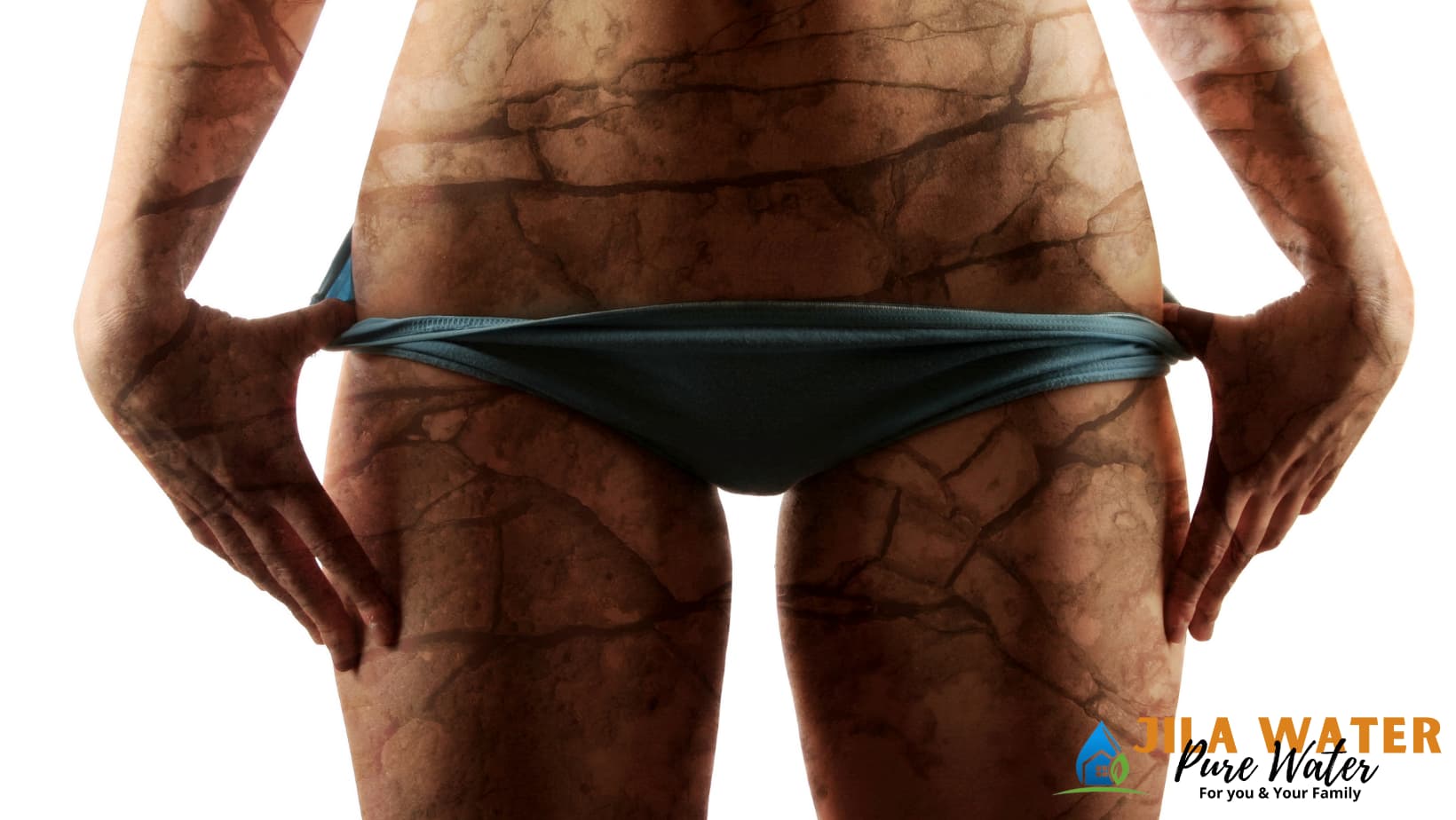
  • How Can Home Water Filters Improve Dry Skin

    How Can Home Water Filters Improve Dry Skin

    How Can Home Water Filters Improve Dry Skin

    While our home has mandatory everyday amenities that tend to all our daily needs, it can also have add-ons installed to improve our quality of life. Yes, you have your furniture, appliances, and security measures designed to make your household a much better place to live in, but some amenities are way more impactful than others because of their functionality and features.


    One of the most significant parts of our home that displays such ingenuity is our home water filters.


    While it may not be as mainstream as our air conditioners or air purifiers, it definitely has a lot to offer when it comes to our skin quality. Of course, you are better off sticking to those amenities if convenience is your top priority at home. However, if you add health and wellness to your essentials, you might as well have a water filter that can at least guarantee your household’s good health.

    If you are still not convinced about its many advantages and benefits towards your skin, we have listed a couple of examples below for your reference:

    1/ It Increases Your Skin’s Hydration

    One way of rejuvenating your skin would be to rehydrate its main surfaces. The thing about skincare techniques is that they are all varied, depending on what you are trying to achieve. If you want to stand out with a fair complexion, you must first work on the outermost layer. Hydrating it will provide that well-needed moisture that will maintain its good health.

    It Increases Your Skin’s Hydration
    It Protects Your Skin from Hard to Scrub Components soap scums and other soils are mostly made of calcium and magnesium ions. These components are basically good when mixed with other ingredients that would further cause them to have positive effects inside and outside our bodies. However, these two substances may also harm us, particularly our skin, if they are applied improperly. Hard water often has a sufficient amount of soap scums, and they are difficult to scrub on our tiles. Imagine if the same thing were to end up on your skin. Filtered water will be able to prevent that from happening.

    2/ It Protects Your Skin from Hard to Scrub Components

    soap scums and other soils are mostly made of calcium and magnesium ions. These components are basically good when mixed with other ingredients that would further cause them to have positive effects inside and outside our bodies. However, these two substances may also harm us, particularly our skin, if they are applied improperly.


    Hard water often has a sufficient amount of soap scums, and they are difficult to scrub on our tiles. Imagine if the same thing were to end up on your skin. Filtered water will be able to prevent that from happening.


    3/ It Decreases the Break Out of Acne

    Acnes are mostly caused by clogged pores, and in order for you to avoid that, you must consistently use water that does not contain any germs or irritants. Thankfully, you do not have to worry about acne ever breaking out on your skin and facial features with a trusty water filter. If you have a home water filter installed,  free radicals and other harmful components will stay off your water supply. This applies to your drinking water as well as your bathing water.


    Decreases the Break Out of Acne

    Conclusion

    People often think about the internal part of their bodies when it comes to clean, consumable water. However, our skin may also greatly benefit from its positive effects. The fact that it can increase our skin’s hydration, protect it from hard-to-scrub substances, and decrease its chance of having acne says so much about its relevance to our health.


    Install a great water filter at home and see all the positive health benefits it may provide in the long run.


    If you are looking for the best home water filter systems in QLD, look no further than our selections here at Jila Water. We offer a wide range of cost-effective whole house water filter systems, all made from the most durable materials and reliable filtration mechanisms. Contact us today and let us work on the installation of your own water filtration system.

    On Key

    Related Posts

    The Importance of Water Testing & Identifying Contaminants

    Water testing helps Brisbane and SEQ homeowners understand what may be affecting their tap, tank or bore water before choosing a filtration system. This guide explains common contaminants, water quality warning signs, and when to book a free Jila Water home water assessment.

  • Filter vs Tap Is Drinking Filtered Water Safe for Children

    Filter vs Tap Is Drinking Filtered Water Safe for Children

    Filter vs Tap Is Drinking Filtered Water Safe for Children

    A regular person cannot live for longer than five days without water. A person cannot maintain body temperature without water, which may result in dehydration. While it may be manageable for adults, children can be prone to more severe consequences.


    Although tap water is safe for children, filtered tap water is much preferable. Part of it is due to the water source’s location. For this reason, where it’s found has a significant impact on the quality of accessible drinking water.

    What’s the Danger with Tap Water?

    You have to be cautious about your water intake since there is a recent discovery that showed tap water contains microplastics. As such, drinking from tap water directly is not recommended for babies less than six months.

    Depending on the environment, many procedures and treatments may be employed to treat water. For example, boiling minimises the likelihood of sickness caused by contaminated water.

    For this reason, it’s necessary to bring the water to a boil when making milk formula. This procedure simply eliminates bacteria from the water. However, boiling doesn’t remove other pollutants in the water. This is why installing water filters is an excellent way to remove impurities, including chemicals, germs, radioactive particles, etc.

    Untitled-design-21-opt

    Why Does Water Need Filtering?

    UV Light Treatment, Reverse Osmosis Filtration, and Filtration Process are standard procedures used in in-house filtration systems. Sedimentation, disinfection, flocculation, and other filtering procedures are used to cleanse water.

    Water purification using filters may eliminate pollutants and impurities that might be dangerous to children. It also alters the flavour of water, which might be unpleasant due to chemicals or organic materials. Various filter systems, such as iron water filters or reverse osmosis systems, may be installed in-house to purify tap water further.

    Don’t take any risks with your kids’ health! They have the potential to be more susceptible than adults. Provide them with safe, filtered drinking water to reduce the chance of infection. However, make sure you obey the requirements and keep the water filtration system in working order.

    Why Should Every Family Use Only Filtered Water?

    Children should consume a diet rich in fruits and vegetables, low-fat meals, and regular exercise to ensure their health. To maintain good health, children must have access to safe drinking water that doesn’t contain any toxins that might hurt them. It’s hard to think of anything more essential than protecting the health of our children and grandchildren.

    Filtered drinking water has several benefits for your family. This includes the following:

    Removal of Lead Content through Filtration

    When taken in large amounts, lead has been shown to have harmful effects on human health. Thankfully, a filtration system gives an additional degree of protection to guarantee the removal of dangerous lead particles from the public water supply.

    Big Improvement in Taste

    An effective water filtration system removes many toxins in your water that treatment facilities may have overlooked. Those who like water that tastes cleaner and purer are more likely to drink it. They will prefer drinking water instead of sugary soda if your kids like its taste.

    Chlorine is also removed from drinking water using water filters. Chlorine is the most common cause of a bad taste in municipal water. The water tastes better, and the kids are more willing to drink it once it has been treated to eliminate the chlorine.

    Children’s Safety and Wellbeing Is Safeguarded

    Babies and young children are susceptible to the infections and disorders that waterborne contaminants may transmit. With a proper water filter, most harmful toxins are eliminated, ensuring the safety of your family’s youngsters.

    Conclusion


    A high-quality water filtration system has probably been independently tested for your tap water. It would reduce danger and improve long-term health. Because removing all risk is impossible, safety is about reducing risk to a tolerable level. With a water filtration system, you get to invest in a simple and cost-effective way to improve your water and your family’s health.


    You can always discover a filtration system that is simple to set up in your house. However, if you are unsure how to accomplish this, you can always locate specialists to assist you in ensuring that you have better water at home.


    Jila Water is one of the home water filter industry leaders. We can help you install the best water filtration system in QLD, so you can have a sense of peace that you and your family are safe from water contamination. Contact us as soon as possible so that we can organize a free home water testing. 

    Facebook
    Twitter
    LinkedIn
    Pinterest

    The Importance of Water Testing & Identifying Contaminants

    Water testing helps Brisbane and SEQ homeowners understand what may be affecting their tap, tank or bore water before choosing a filtration system. This guide explains common contaminants, water quality warning signs, and when to book a free Jila Water home water assessment.

    On Trend

    Most Popular Stories

    The Importance of Water Testing & Identifying Contaminants

    Water testing helps Brisbane and SEQ homeowners understand what may be affecting their tap, tank or bore water before choosing a filtration system. This guide explains common contaminants, water quality warning signs, and when to book a free Jila Water home water assessment.