Tag: Water filters

  • The Brain and Water? Why Water Is Needed for a Healthy Brain?

    The Brain and Water? Why Water Is Needed for a Healthy Brain?

    The Brain and Water: Why Water Is Needed for a Healthy Brain
    Request an on site quote and find out the benefits for you and your family.

    The Brain and Water? Why Water Is Needed for a Healthy Brain?


    Did you know that 85% of your brain is water? This fact alone tells us a good deal about why water is essential for the brain, and it may seem strange that the brain needs water, given that your body needs it to keep from dehydrating. But your brain is also getting a good share of the water you drink. A dry brain is equal to dry wit. Not enough water in the brain can lead to irritability, concentration difficulties, headaches, cognitive problems, or what is commonly referred to as “brain fog.”

    If you have ever suddenly felt tired or had trouble concentrating for no apparent reason, you may have already experienced brain fog and not know it. This blog post will shed light on why water is essential for brain health

    The brain, and why drinking water is important
    The Brain and Water: Why Water Is Needed for a Healthy Brain


    The Brain and Water: Why Water Is Needed for a Healthy Brain

    Although the brain is a lot like crunchy ol’ bone in some ways, this organ is full of fluid—approximately 80% of its total weight is water. However, unlike other organs, your brain does not have a circulatory system to deliver fresh blood and oxygen. This means that your brain must depend on the blood that circulates in your body to supply it with oxygen, glucose, and essential nutrients. Unfortunately, this means that the brain is vulnerable to the same fluid loss that affects other organs.

    Hypothalamus, the water-loving region of the brain

    What does this mean? It means that dehydration of your whole body can affect your brain. The hypothalamus, for example, is a specialised region of the brain that has been shown in studies to be particularly vulnerable to dehydration. The hypothalamus is responsible for the regulation of body temperature, hunger, sleep cycles, and alertness. It is also responsible for keeping your body in balance by regulating the release of hormones. When you become dehydrated, your hypothalamus becomes overactive, causing increased urination and thirst in an effort to re-establish stability.


    Water Fuels Brain Activity

    The brain is not the only organ that is overactive when you become dehydrated. The kidneys, adrenal glands, and pituitary glands all increase their activity. The adrenal glands, which sit atop your kidneys, are involved in the stress response and the regulation of blood pressure. When dehydrated, the adrenal glands release a hormone called cortisol. This stress hormone is essential for survival in the short term, but it can be harmful to long-term health. Overproduction of cortisol can lead to chronic fatigue, weight gain, and muscle aches. In the worst cases, high levels of cortisol can lead to depression, memory loss, and vision problems. These are reasons enough to take water seriously.

    Why Water Is Important for Your Brain

    Water transports nutrients such as glucose, amino acids, and fatty acids to the brain and carries away waste products such as carbon dioxide and lactic acid. Its function can be compared to that of the arteries, veins, and lymphatic system in the rest of your body. While the rest of your body is focused on supplying nutrients and taking away waste, your brain is focused on supplying nutrients and removing waste, but with a major difference. The brain has a much higher metabolic rate than any other organ in your body.

    The Brain and Water: Why Water Is Needed for a Healthy Brain

    Conclusion

    The brain is responsible for a variety of daily functions—from regulating your body temperature to making you feel hungry or keeping you from feeling exhausted when you need to be alert. Because it is so incredibly active, the brain has a high metabolic rate, which means that it needs a lot of energy. In fact, the brain burns about 25% of the oxygen that you take in. Not only does water supply your brain with the energy it needs to help it function, but it is also necessary for removing toxic waste products. So, don’t skimp on the water!

    If you are looking to get the most out of the water you drink, it is ideal to invest in a home water filtration system. JilaWater is proud of its industry-leading Home Water Filter, Whole House Water Filter Systems it installs in homes. Let us help you get clean, filtered water to your home in QLD today!

    Share:

    Facebook
    Twitter
    Pinterest
    LinkedIn
    On Key

    Related Posts

  • 7 Benefits of Making the Switch to Filtered Water Today

    7 Benefits of Making the Switch to Filtered Water Today

    Happy Brisbane Family enjoying fresh filtered water using a Jila Water Whole Home Water Filter System
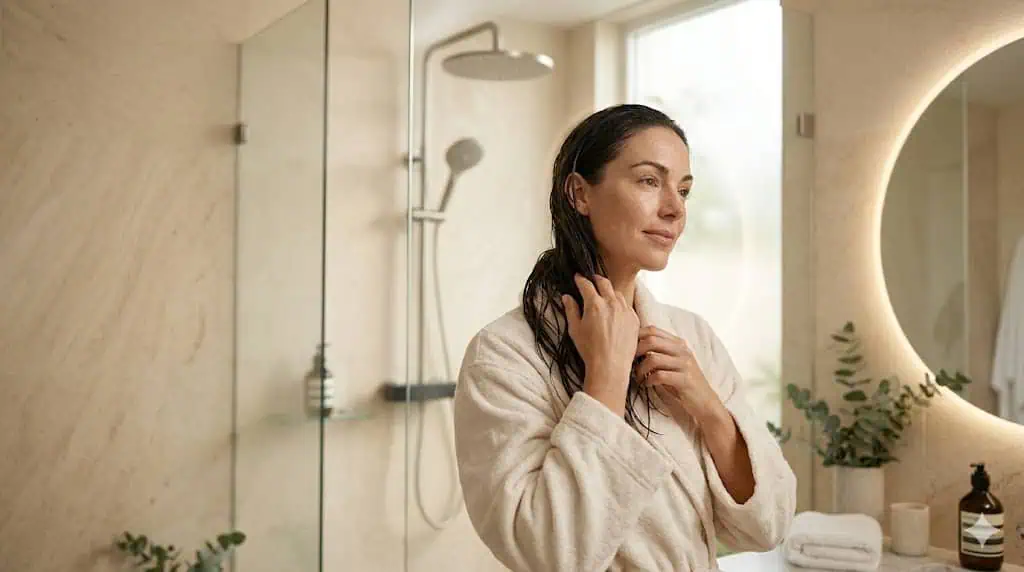
    It Protects Your Skin from Hard to Scrub Components soap scums and other soils are mostly made of calcium and magnesium ions. These components are basically good when mixed with other ingredients that would further cause them to have positive effects inside and outside our bodies. However, these two substances may also harm us, particularly our skin, if they are applied improperly. Hard water often has a sufficient amount of soap scums, and they are difficult to scrub on our tiles. Imagine if the same thing were to end up on your skin. Filtered water will be able to prevent that from happening.

    7 Benefits of Making the Switch to Filtered Water Today

    Share:

    Facebook
    Twitter
    Pinterest
    LinkedIn

    While drinking tap water might be relatively safe, it is best to filter your tap water to ensure you’re getting the cleanest and purest H2O.

    Filtered water not only tastes better but can improve your health. Here, we’ll show you why filtered water can make a difference in your life.

    1/ Filtered water will improve the taste of your tap water

    Most filters are designed to remove chlorine from tap water, and the result is a notably improved taste. Filters also remove any chemicals that may have leached into your water supply, such as pesticides and lead. The result is better water that will leave you wanting to drink more.

    2/ Filtered water is healthier

    The effects of chlorine occur over time when you drink it, leading to problems, such as bladder cancer, diabetes, heart disease and various thyroid disorders. Even if you’re not getting enough chlorine in a short time frame to have these immediate effects, it is still unhealthy on a cellular level.

    3/ Filtered water is environmentally safe

    Chlorine is widely used to treat raw water for drinking water supply, and this use is becoming increasingly controversial. Some believe that chlorine’s effect on organic matter in the water supply creates potentially harmful disinfection byproducts. By filtering your drinking water, you can ensure that your water is free from these harmful toxins.

    4/ Filtered water is better for your appliances

    This one is for the environmentally-minded folks. Chlorine is corrosive, especially in the presence of iron and copper, and can cause damage to your refrigerator’s water dispenser.

    Filtered water is also better for your household appliances, as it won’t be as hard as water from the tap. In addition, the reduced chemicals in your water can mean a longer lifespan for your appliances.

    5/ Filtered water is better for your eyes

    Chlorine can irritate the eyes and can even cause permanent eye damage. This is especially true for children who may have a hard time holding their eyes open in the shower.

    6/Filtered water is better for any plants and animals you have in your home

    The mineral content in your water is as important to your plants and pets as it is to you. Filtered water will improve the health of your plants and any live animals.

    7/ Filtered water is better for your skin

    The minerals found in hard water can have the same effect on your skin as they do on your hair. If your skin is sensitive, filtered water can leave it feeling softer.

    The Best Water Filter for Your Home

    What is the best type of water filter for your home? There are many types of water filters in various forms and capacities, and it’s important to choose one that will work well with your home.

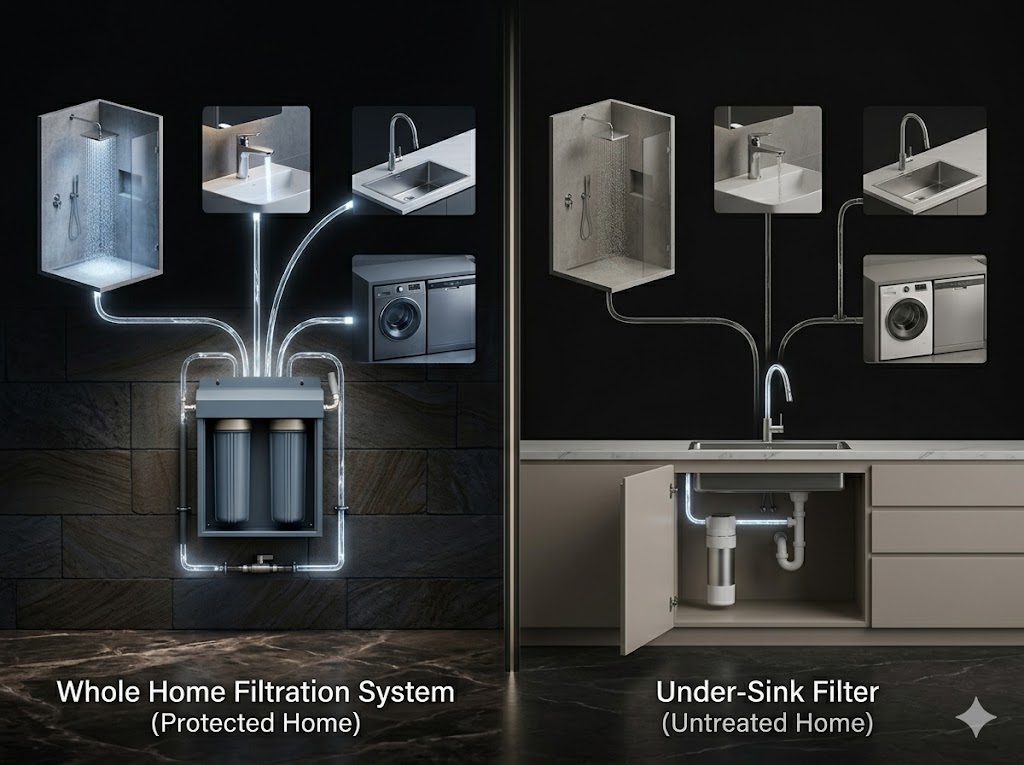
    Home filters come in two basic types: under-the-sink and whole house. Under-the-sink filters are installed beneath the kitchen sink, often using the same water lines that bring water to the refrigerator. This makes them very convenient, and they’re easy to replace. However, you need to be careful that you don’t overload the system.

    Shower In filtered water

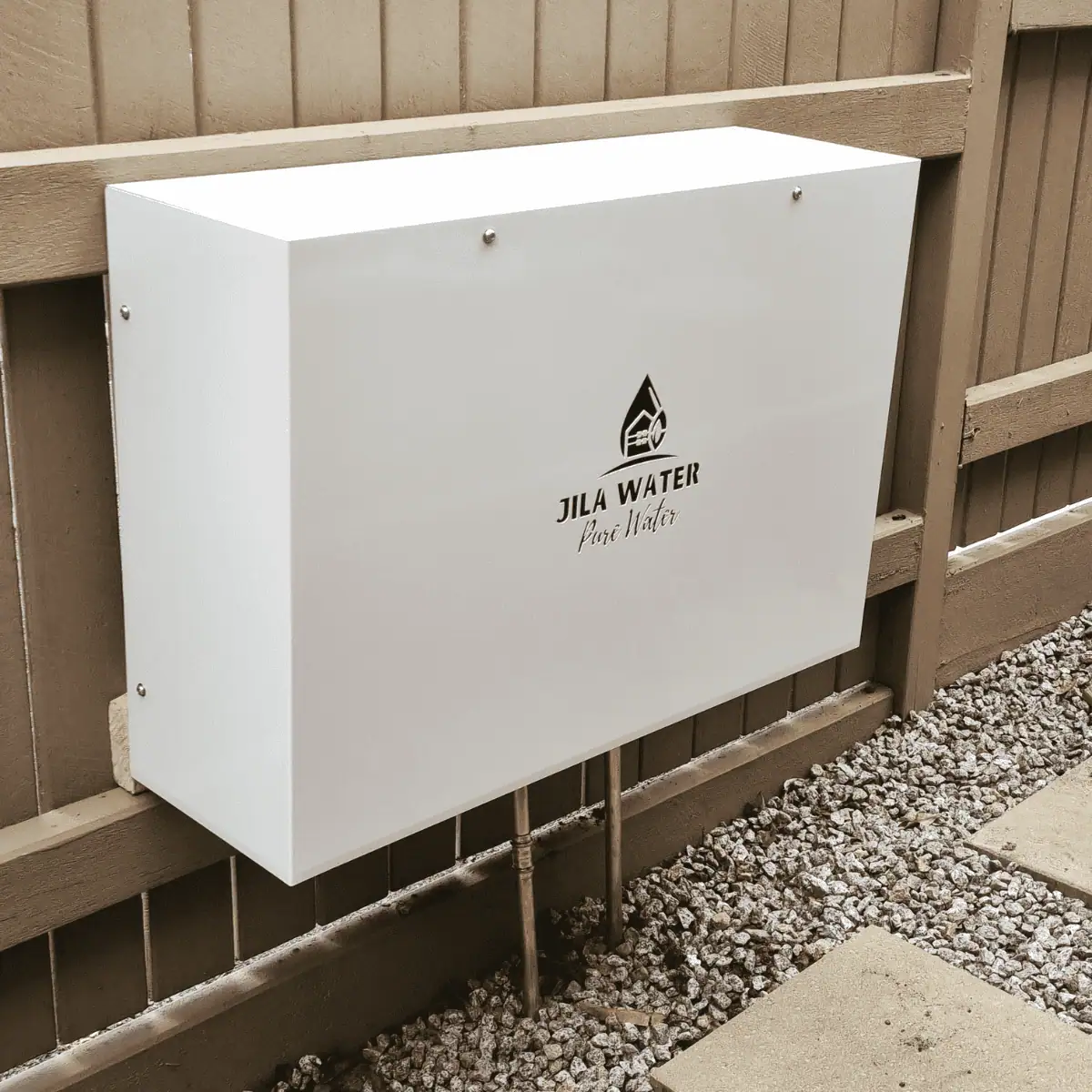
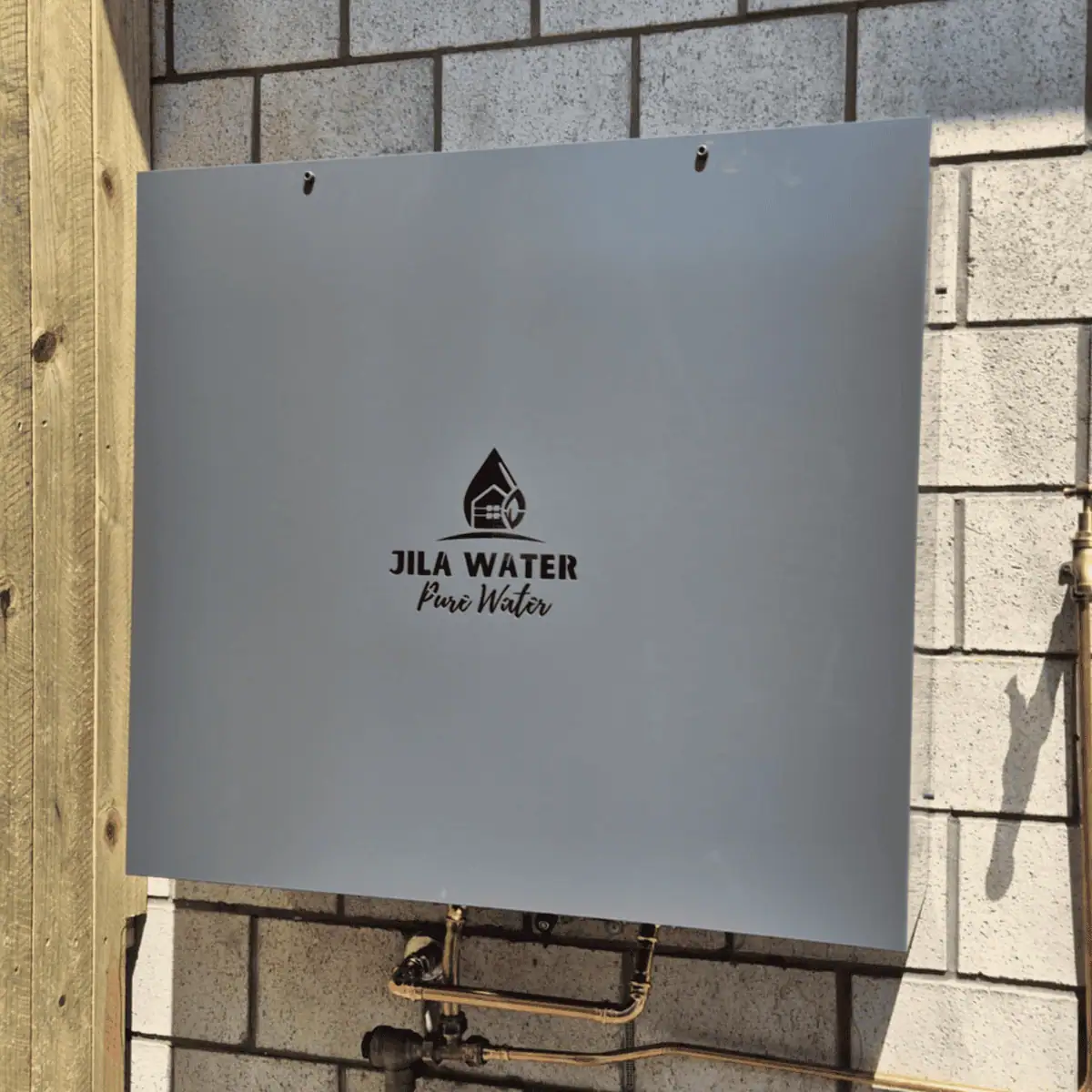
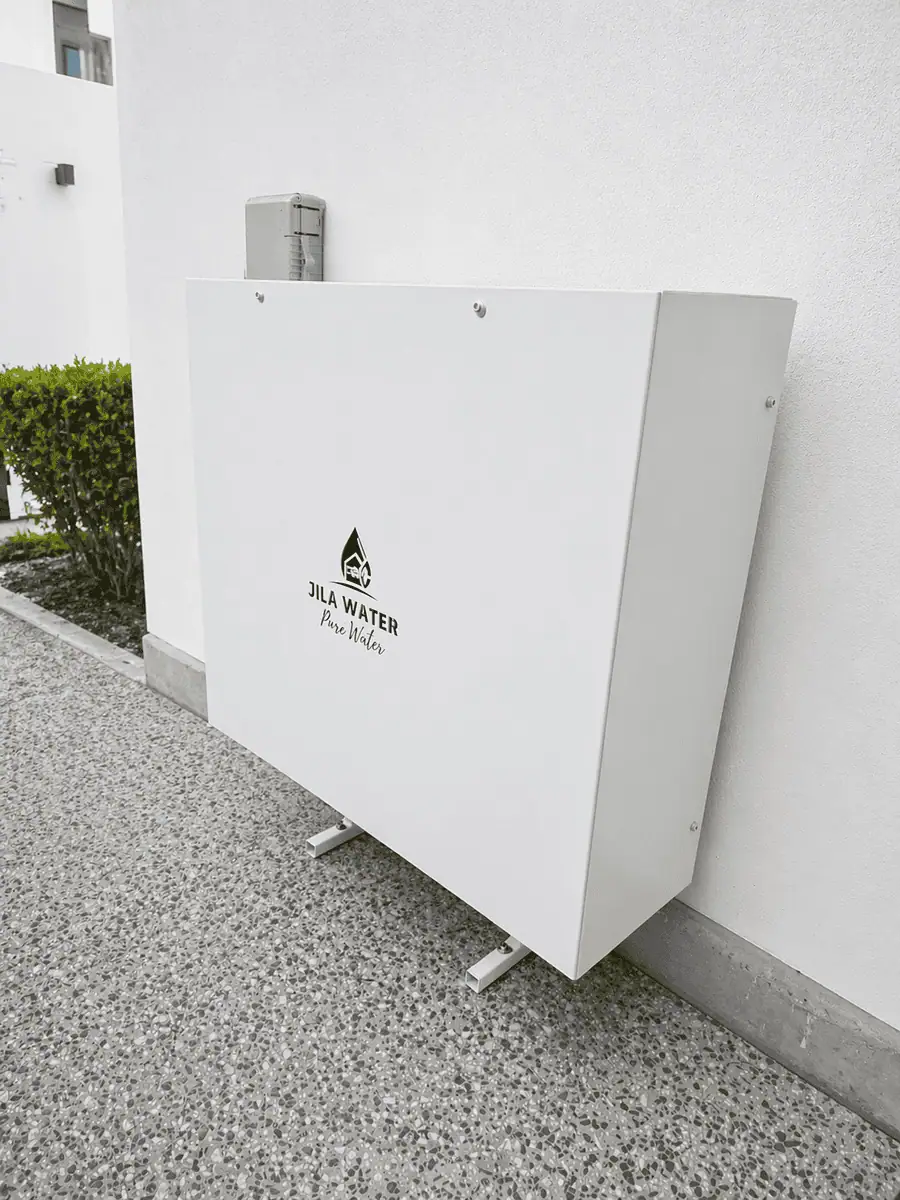
    Meanwhile, whole house systems are designed to treat all of the water in your home. They are installed outside of the house, usually near the water meter. They usually require a professional to install, but they last longer and are more effective.

    To choose the right water filter for you, think about your water quality, the amount of water you use and the space available to install the filter.

    Switch to Filtered Water Today

    From the above discussion, drinking filtered water is a healthier option than drinking tap water. Drinking filtered water is good for your health as it does not contain any harmful chemicals. So, if you are looking for ways to improve your health and fitness, then you should switch to filtered water.

    Jila Water offers the best home water filter systems in Queensland. We are one of the industry leaders in home water filters and whole house water filter systems. Contact us!

    On Key

    Related Posts

  • A Guide to Hard Water and Drinking Water In Your Home

    A Guide to Hard Water and Drinking Water In Your Home

    A Guide to Hard Water and Drinking Water In Your Home

    A Guide to Hard Water and Drinking Water In Your Home

    A Guide to Hard Water and Drinking Water In Your Home

    We’re always reminded to drink eight glasses of water a day, but there are a couple of specifics that you need to know about before you get hydrated. Every household may receive a mix of hard water and soft water, and it can be hard to determine which is which.

    Tap water may be hard or soft or even a mix of both. The hardness of water is quite important to learn about and determine, as you may want to find a way of getting filtered drinking water for a cleaner taste and better health. To dive more into this, continue reading.

    Is Hard Water Safe For Drinking?

    Generally, both hard water and soft water are safe to drink. However, any type of water with a higher hardness level than others typically contains more minerals like calcium and magnesium. It also appears to be much cloudier, linked to several health reactions and concerns.

    Research has shown that drinking hard water can result in a higher risk of cardiovascular diseases, certain cancers, and more. People may also experience aftereffects of drinking the hard water for a prolonged period of time on their reproductive and overall health condition.

    What are the signs of hard water

    What Are the Signs of Hard Water?

    Many people would rather avoid hard water, but it can be a little tough to spot it without proper testing. If you look closely at a couple of telltale signs with the water flow and water pressure though, you may just get an inkling that there is hard water in your home’s plumbing system.

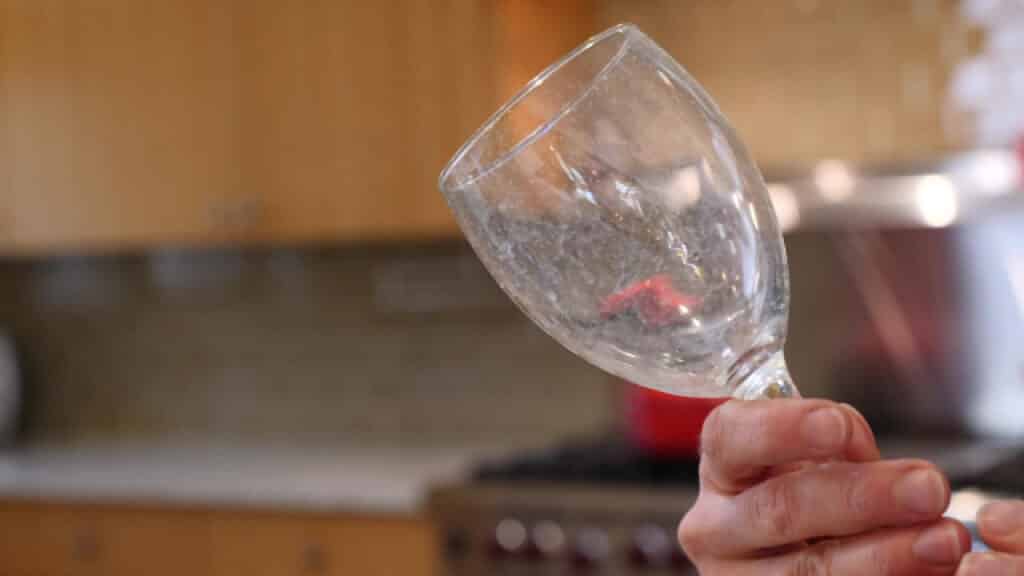
    Other indicators of hard water are usually lingering spots and stains on dishes, clothes and your home’s surfaces. Hard water isn’t very good at reacting to soap either due to its calcium content, resulting in soap scum that’s tough to rinse off.


    How to Test for Hard Water?

    Whether you’ve seen visible signs of hard water or not, it is possible to request a proper water quality report from your provider. Residents should get an overview of the total mineral and contaminants found in the water supply dedicated to your area.

    It’s not a totally black and white situation, though. As mentioned earlier, some water may be a mix of both hard water and soft water. Try to see everything within a spectrum instead and realise that hardness levels can vary depending on the content of minerals in it.


    How do I test for hard water in my Brisbane home

    How to Get Safe Drinking Water?


    When you want to ensure that your drinking water is safe, the best way to do so is to have an at-home filtration system. You may have limited to zero control over the mineral content of your water supply, but you can soften whatever you receive so you can drink easily via the tap.


    With proper filtration, any anomalies or pollutants within the water from surrounding industrial plants or general piping of your home’s plumbing system should be cleansed. Just remember to provide your system with the proper maintenance it needs. 


    Conclusion


    In summary, hard water can be dangerous if the content of harmful minerals in it is too much. Try to seek out a filtration system that can be installed in your home to ensure that whatever water you pour into a class will be clean and soft.


    Looking for the best home water filter systems? Jila Water offers cost-effective whole house water filter systems to homes in Queensland. Get in touch with us today!

    Share:

    Facebook
    Twitter
    Pinterest
    LinkedIn
    On Key

    Related Posts

  • Filter vs Tap Is Drinking Filtered Water Safe for Children

    Filter vs Tap Is Drinking Filtered Water Safe for Children

    Filter vs Tap Is Drinking Filtered Water Safe for Children

    A regular person cannot live for longer than five days without water. A person cannot maintain body temperature without water, which may result in dehydration. While it may be manageable for adults, children can be prone to more severe consequences.

    Although tap water is safe for children, filtered tap water is much preferable. Part of it is due to the water source’s location. For this reason, where it’s found has a significant impact on the quality of accessible drinking water.

    What’s the Danger with Tap Water?

    You have to be cautious about your water intake since there is a recent discovery that showed tap water contains microplastics. As such, drinking from tap water directly is not recommended for babies less than six months.

    Depending on the environment, many procedures and treatments may be employed to treat water. For example, boiling minimises the likelihood of sickness caused by contaminated water.

    For this reason, it’s necessary to bring the water to a boil when making milk formula. This procedure simply eliminates bacteria from the water. However, boiling doesn’t remove other pollutants in the water. This is why installing water filters is an excellent way to remove impurities, including chemicals, germs, radioactive particles, etc.

    Untitled-design-21-opt

    Why Does Water Need Filtering?

    UV Light Treatment, Reverse Osmosis Filtration, and Filtration Process are standard procedures used in in-house filtration systems. Sedimentation, disinfection, flocculation, and other filtering procedures are used to cleanse water.

    Water purification using filters may eliminate pollutants and impurities that might be dangerous to children. It also alters the flavour of water, which might be unpleasant due to chemicals or organic materials. Various filter systems, such as iron water filters or reverse osmosis systems, may be installed in-house to purify tap water further.

    Don’t take any risks with your kids’ health! They have the potential to be more susceptible than adults. Provide them with safe, filtered drinking water to reduce the chance of infection. However, make sure you obey the requirements and keep the water filtration system in working order.

    Why Should Every Family Use Only Filtered Water?

    Children should consume a diet rich in fruits and vegetables, low-fat meals, and regular exercise to ensure their health. To maintain good health, children must have access to safe drinking water that doesn’t contain any toxins that might hurt them. It’s hard to think of anything more essential than protecting the health of our children and grandchildren.

    Filtered drinking water has several benefits for your family. This includes the following:

    Removal of Lead Content through Filtration

    When taken in large amounts, lead has been shown to have harmful effects on human health. Thankfully, a filtration system gives an additional degree of protection to guarantee the removal of dangerous lead particles from the public water supply.

    Big Improvement in Taste

    An effective water filtration system removes many toxins in your water that treatment facilities may have overlooked. Those who like water that tastes cleaner and purer are more likely to drink it. They will prefer drinking water instead of sugary soda if your kids like its taste.

    Chlorine is also removed from drinking water using water filters. Chlorine is the most common cause of a bad taste in municipal water. The water tastes better, and the kids are more willing to drink it once it has been treated to eliminate the chlorine.

    Children’s Safety and Wellbeing Is Safeguarded

    Babies and young children are susceptible to the infections and disorders that waterborne contaminants may transmit. With a proper water filter, most harmful toxins are eliminated, ensuring the safety of your family’s youngsters.

    Conclusion


    A high-quality water filtration system has probably been independently tested for your tap water. It would reduce danger and improve long-term health. Because removing all risk is impossible, safety is about reducing risk to a tolerable level. With a water filtration system, you get to invest in a simple and cost-effective way to improve your water and your family’s health.


    You can always discover a filtration system that is simple to set up in your house. However, if you are unsure how to accomplish this, you can always locate specialists to assist you in ensuring that you have better water at home.


    Jila Water is one of the home water filter industry leaders. We can help you install the best water filtration system in QLD, so you can have a sense of peace that you and your family are safe from water contamination. Contact us as soon as possible so that we can organize a free home water testing. 

    Facebook
    Twitter
    LinkedIn
    Pinterest
    On Trend

    Most Popular Stories

  • Is It Possible for COVID-19 to Be Transmitted through Water

    Is It Possible for COVID-19 to Be Transmitted through Water

    Picture of Jila Water

    Jila Water

    Is It Possible for COVID-19 to Be Transmitted through Water

    Facebook
    Twitter
    LinkedIn

    COVID-19 is a potentially fatal disease caused by a virus. Since we are still in the middle of a pandemic, it is understandable that many people are concerned about their well-being. After all, the virus can spread easily without proper precautions. It is of utmost importance to keep yourself and your family safe from potential infection and transmission by observing the best hygiene practices.


    Since COVID-19 is spread virally, some people are concerned about getting infected through publicly-available methods of obtaining water. In this article, we will discuss the possibilities of the coronavirus spreading through different sources of water in Queensland and Brisbane.

    Whole Home Water Filters and COVID 19

    Lakes, Rivers, or Seas


    Currently, no studies have been conducted regarding the coronavirus’s ability to infect people through lakes, oceans, seas, rivers, and other bodies of water. Pools and hot tubs are regularly checked and maintained. With their existing regulated pH levels and chlorine levels, it is improbable for the virus to survive there.


    Natural bodies of water are not treated, unlike public pools and hot tubs. However, their vastness can make it very difficult for the virus to spread. So if there is possible contamination, the effect of the virus will be reduced significantly and make it unlikely for anyone to be infected.


    If you ever decide to swim in a public pool, lake, or beach, make sure to follow health protocols. This includes sanitising your hands and maintaining a safe distance from the people around you, even in the water.


    Bottled Water vs a filtered water. Whats better

    Bottled Water


    Australian households often prefer bottled water to tap water because it is safer to drink and it tastes better. It is also easier for them to source it too. It is highly unlikely that the coronavirus can be present in bottled water because the water itself comes from an approved source. 


    A manufacturer can only be a water supplier after they meet the applicable central and state quality standards. The water is also placed and sealed in sanitary containers, so the chances of contamination are improbable.


    Tap Water


    If you prefer drinking tap water but are afraid of catching the coronavirus, don’t fret. There is no evidence that suggests the virus can survive in tap water. The water treatment plants responsible for filtering and disinfecting consumable water do their jobs well, so it is improbable for the virus to survive throughout the process. At present, one of the only confirmed methods of transmission is close contact with an infected person.


    If you want assurance that the tap water you are consuming is clean and safe during this pandemic, you should consider installing affordable water filter systems. By drinking filtered water, you can put any uneasiness at rest.

    What water filters should be used in COVID times

    Conclusion


    Recent studies show that the coronavirus has not been found in treated drinking water supplies, but the chances of it being transmitted through these are also low. But if you still want to be sure that what you are consuming is safe to drink, you should consider drinking filtered water that has gone through a trusted filtration system.


    The Jila Water System is an all-in-one whole house filtration system specifically designed for Queensland and Brisbane residences. Our affordable water filter systems can meet the unique water needs of all locals. Our current technology helps get rid of chlorine-rich hard water that could potentially cause you any trouble along the way. For inquiries about our products, contact us today.

    Picture of Jila Water

    Jila Water

    Is It Possible for COVID-19 to Be Transmitted through Water

    Facebook
    Twitter
    LinkedIn

    COVID-19 is a potentially fatal disease caused by a virus. Since we are still in the middle of a pandemic, it is understandable that many people are concerned about their well-being. After all, the virus can spread easily without proper precautions. It is of utmost importance to keep yourself and your family safe from potential infection and transmission by observing the best hygiene practices.


    Since COVID-19 is spread virally, some people are concerned about getting infected through publicly-available methods of obtaining water. In this article, we will discuss the possibilities of the coronavirus spreading through different sources of water in Queensland and Brisbane.

    Whole Home Water Filters and COVID 19

    Lakes, Rivers, or Seas


    Currently, no studies have been conducted regarding the coronavirus’s ability to infect people through lakes, oceans, seas, rivers, and other bodies of water. Pools and hot tubs are regularly checked and maintained. With their existing regulated pH levels and chlorine levels, it is improbable for the virus to survive there.


    Natural bodies of water are not treated, unlike public pools and hot tubs. However, their vastness can make it very difficult for the virus to spread. So if there is possible contamination, the effect of the virus will be reduced significantly and make it unlikely for anyone to be infected.


    If you ever decide to swim in a public pool, lake, or beach, make sure to follow health protocols. This includes sanitising your hands and maintaining a safe distance from the people around you, even in the water.


    Bottled Water vs a filtered water. Whats better

    Bottled Water


    Australian households often prefer bottled water to tap water because it is safer to drink and it tastes better. It is also easier for them to source it too. It is highly unlikely that the coronavirus can be present in bottled water because the water itself comes from an approved source. 


    A manufacturer can only be a water supplier after they meet the applicable central and state quality standards. The water is also placed and sealed in sanitary containers, so the chances of contamination are improbable.


    Tap Water


    If you prefer drinking tap water but are afraid of catching the coronavirus, don’t fret. There is no evidence that suggests the virus can survive in tap water. The water treatment plants responsible for filtering and disinfecting consumable water do their jobs well, so it is improbable for the virus to survive throughout the process. At present, one of the only confirmed methods of transmission is close contact with an infected person.


    If you want assurance that the tap water you are consuming is clean and safe during this pandemic, you should consider installing affordable water filter systems. By drinking filtered water, you can put any uneasiness at rest.

    What water filters should be used in COVID times

    Conclusion


    Recent studies show that the coronavirus has not been found in treated drinking water supplies, but the chances of it being transmitted through these are also low. But if you still want to be sure that what you are consuming is safe to drink, you should consider drinking filtered water that has gone through a trusted filtration system.


    The Jila Water System is an all-in-one whole house filtration system specifically designed for Queensland and Brisbane residences. Our affordable water filter systems can meet the unique water needs of all locals. Our current technology helps get rid of chlorine-rich hard water that could potentially cause you any trouble along the way. For inquiries about our products, contact us today.

    More to explorer
    More to explorer
  • 3 Reasons Why You Should Cook Food Using Filtered Water

    3 Reasons Why You Should Cook Food Using Filtered Water

    Why You Should Cook Food Using Filtered Water

    3 Reasons Why You Should Cook Food Using Filtered Water

    From washing rice, fruits and vegetables to cooking soup and washing our plates, we are always using water. But with this in mind, did you know that the water you are using can prevent you from serving a healthy and delicious meal?


    Hard water coming directly from your tap can sometimes change the colour, taste and even smell of the food you are trying to prepare. To avoid this, you can use filtered water to make sure that the taste of the drinks and food will not be altered. To help you understand more, here are three reasons why you should cook your food using only filtered water.

    Contaminants Are Present in Hard Water

    You may not know it, but tap water may contain contaminants that can cause the quality of your food to change. Some common pollutants include:

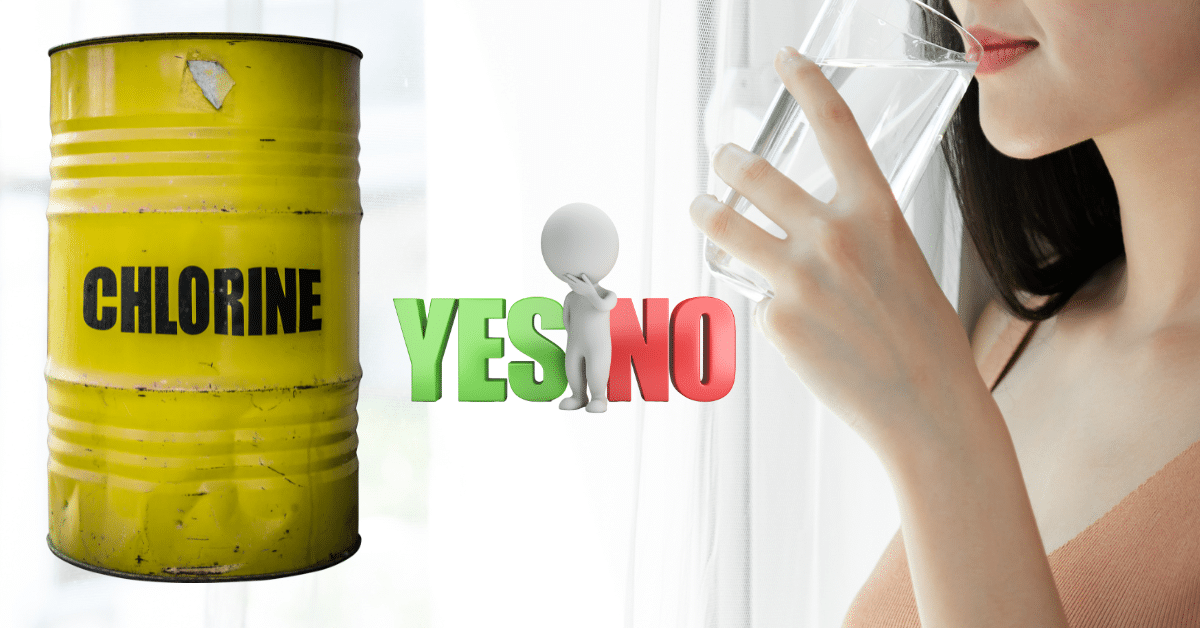
    • Chlorine – Chlorine tastes and smells terrible. It can also dry out your skin and hair. This chemical is usually used to disinfect or treat swimming pools and municipal water supplies. When using chlorine as treatment, water is needed to be filtered out before use to eliminate the pungent smell.
    • Magnesium – Magnesium is what causes tap water into hard water. This is not necessarily hazardous to our health but with great amounts, it may be. Also, this causes buildup in pipes and shortens the lifespan of appliances.
    • Lead – Lead can seep into water supplies from fixtures, solder and lead pipes. When lead is consumed at high levels, it can result in anemia, weakness in the brain and kidney damage.
    • Sulphur – Hydrogen sulphide is a colourless and smelly gas usually found in groundwater and produced by sulphur. When mixed with water, it can have a laxative effect that can lead to excessive diarrhea and dehydration, especially in small children and infants. 

    Your water suppliers may not be able to remove the contaminants in tap water so it’s always best to filter water out to remove impurities that may not be safe for human consumption, especially when taken in high amounts. Plumbing can also cause contamination of your water supply.

    It Has a Purified and Clean Taste

    Some impurities and chlorine can mix into your tap water which is why it has a foul smell and tastes awful. But when you filter your water, the smell and taste can be eliminated, leaving you a cleaner and purified taste.

    Imagine preparing your food and drinks and you use water that contains chlorine. The food you prepare can have the same bad taste and smell. Now if you’re using purified water when cooking rice or pasta, you will notice a creamier texture to your food. Your food will definitely taste better.

    It Retains the Colour and Brightness of Food

    When you use regular tap water contaminated with impurities, you’ll notice that your food, especially the fruits and vegetables lose their bright colours. The reason could be the chlorine present in your water.

    Because remember, chlorine, like bleach can also strip out the natural colours away from whatever food it comes in contact with. And this is especially true for your fruits and vegetables if there are high levels of chlorine present in your water source.

    Conclusion

    Whatever you’re preparing, you may want to consider using filtered water because tap water affects the quality of cooked food. You can always find a filtering system that you can easily install in your home. However, if you are having second thoughts as to how you can do this, you can always find experts to help you make sure that you have healthier water at home.

    Jila Water is one of the industry leaders when it comes to home water filters. We can help you install the best water filtration system in Brisbane, so you can have a sense of peace that you and your family are safe from water contamination. Contact us today so we can schedule a free home water testing.

    Share:

    Facebook
    Twitter
    Pinterest
    LinkedIn
    On Key

    Related Posts