Tag: Water

  • Cost-Effective Home Upgrades to Increase a Property’s Value

    Cost-Effective Home Upgrades to Increase a Property’s Value

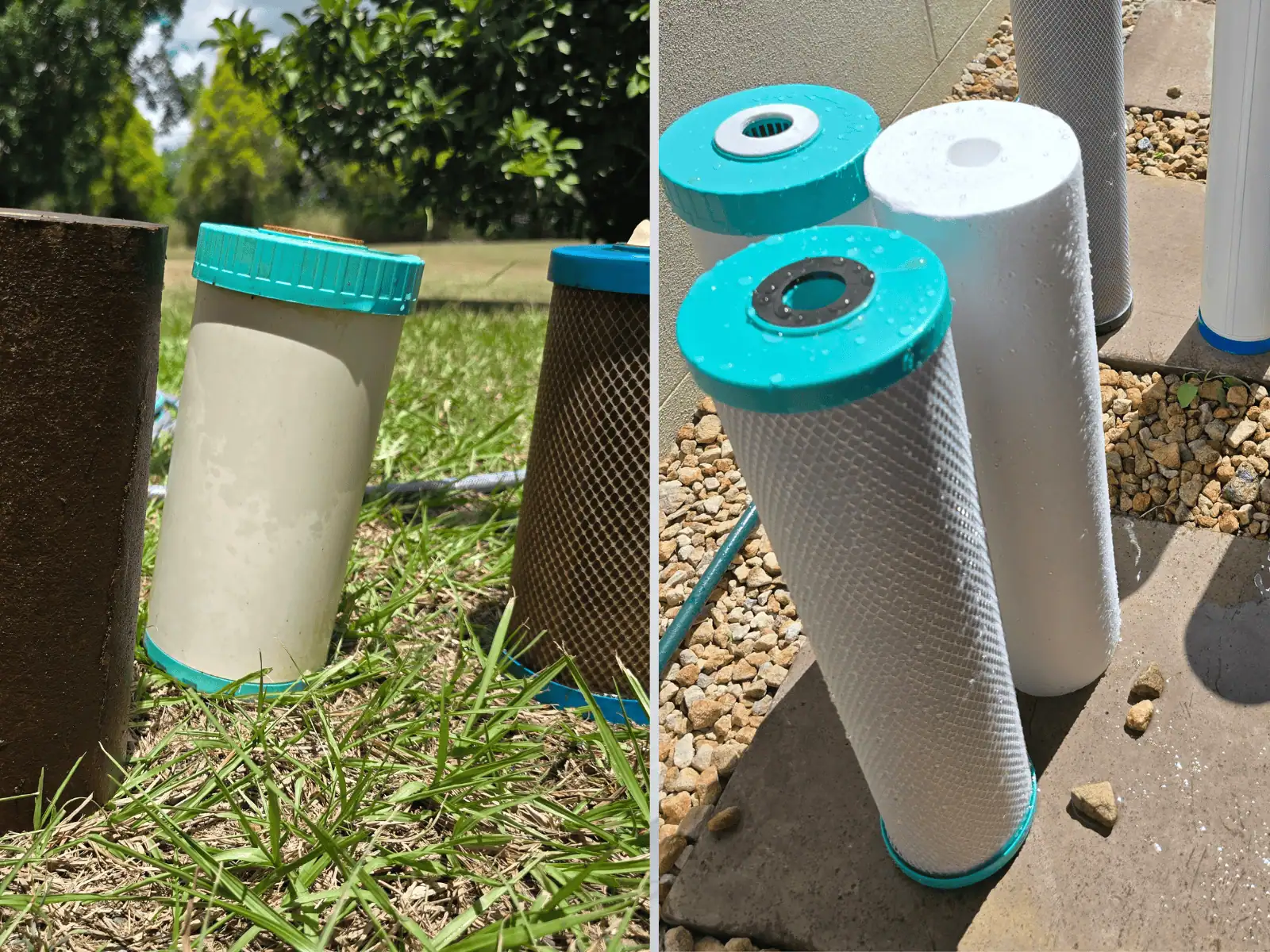
    Brisbane Home Owners Water Filtration Needs
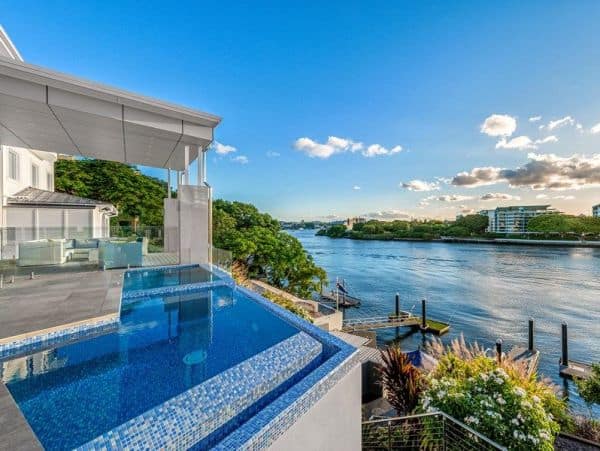
    Brisbane’s most amazing homes

    Cost-Effective Home Upgrades to Increase a Property’s Value

    Remodelling and renovation can bring a new, refreshing energy to your home. Done correctly, these changes can even increase your property’s value to new heights. Unfortunately, not all home improvement projects can have a positive impact on your property.

    Cost-effective Home Upgrades to Increase Your Property’s Value

    Aspiring real estate investors should equip themselves with important information that can help them maximise their profits. Since you’re here, know that you’ve come to the right place. We’ve prepared a list of simple home improvement ideas sure to catch buyers’ eyes.

    Landscaping Upgrades

    Creating a welcoming front door starts with the exterior of your home, particularly landscaping. Adding landscaping accents, like potted plants or a colourful garden, can significantly improve your home’s appearance and make it more inviting. However, landscaping is a long-term investment. You’ll want to make sure that your colour, design, and layout complement each other even before seeing the final outcome.

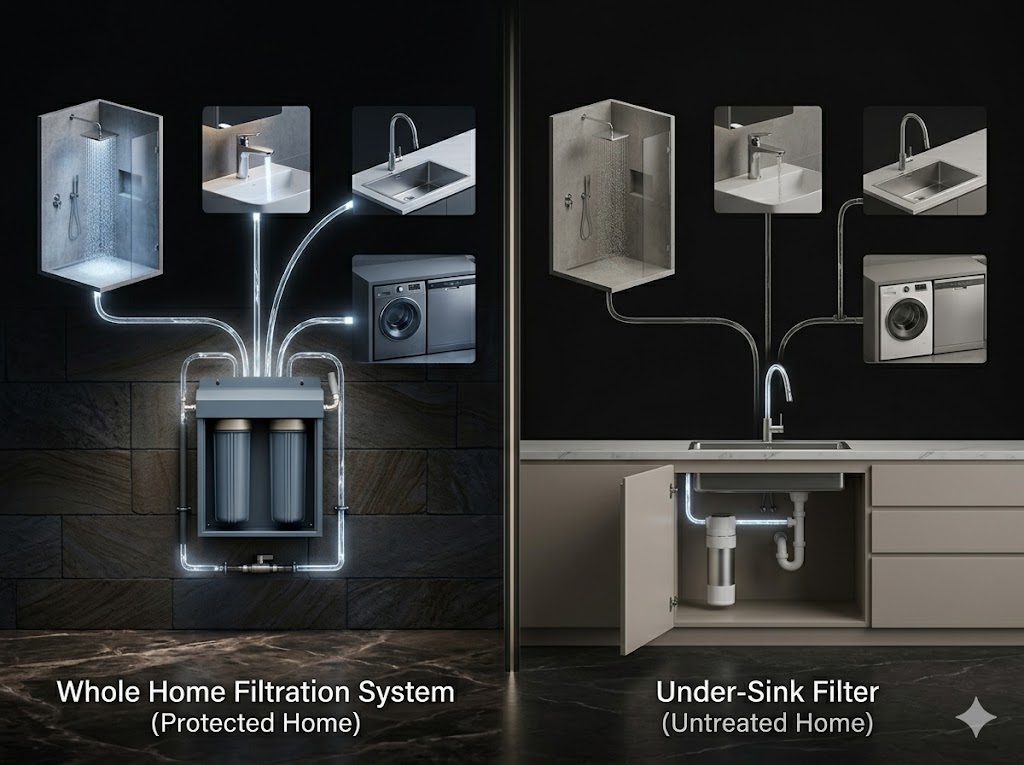
    Brisbane Homes & Whole Home Water Filtration Needs

    Accessibility Improvements

    Home accessibility improvements like ramps and handrails can greatly help increase your home’s livability and usability. These improvements can also significantly improve its resale value, especially to people with disabilities or the elderly. These accessibility improvements can be made by the homeowner or under the supervision of a professional.

    Lighting Upgrades

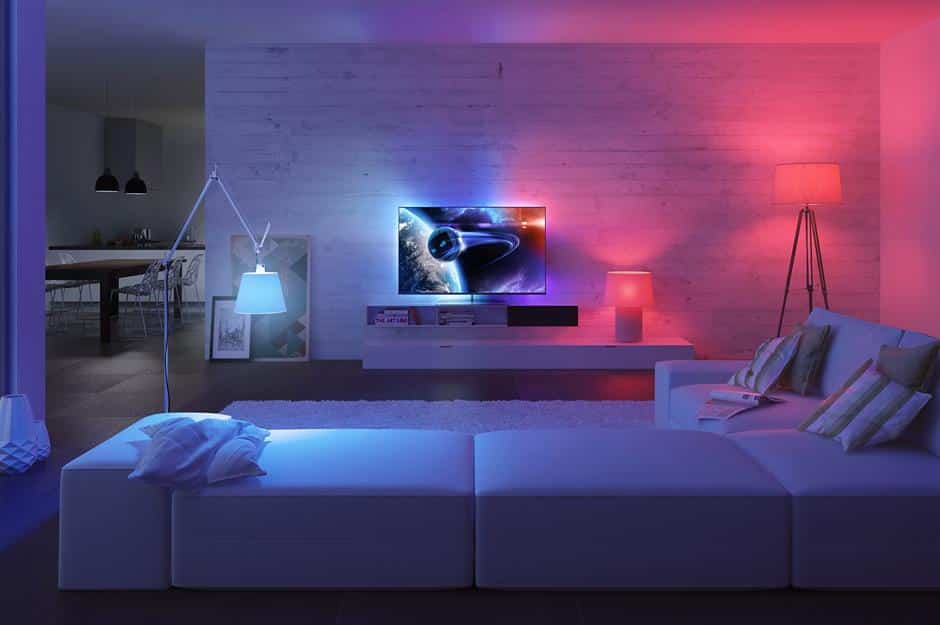
    A good lighting upgrade can help create a comfortable space and an attractive home. It can make a massive difference in any room’s atmosphere. This is an easy do-it-yourself project that can make a significant improvement to your home’s interior design.


    Water Filtration

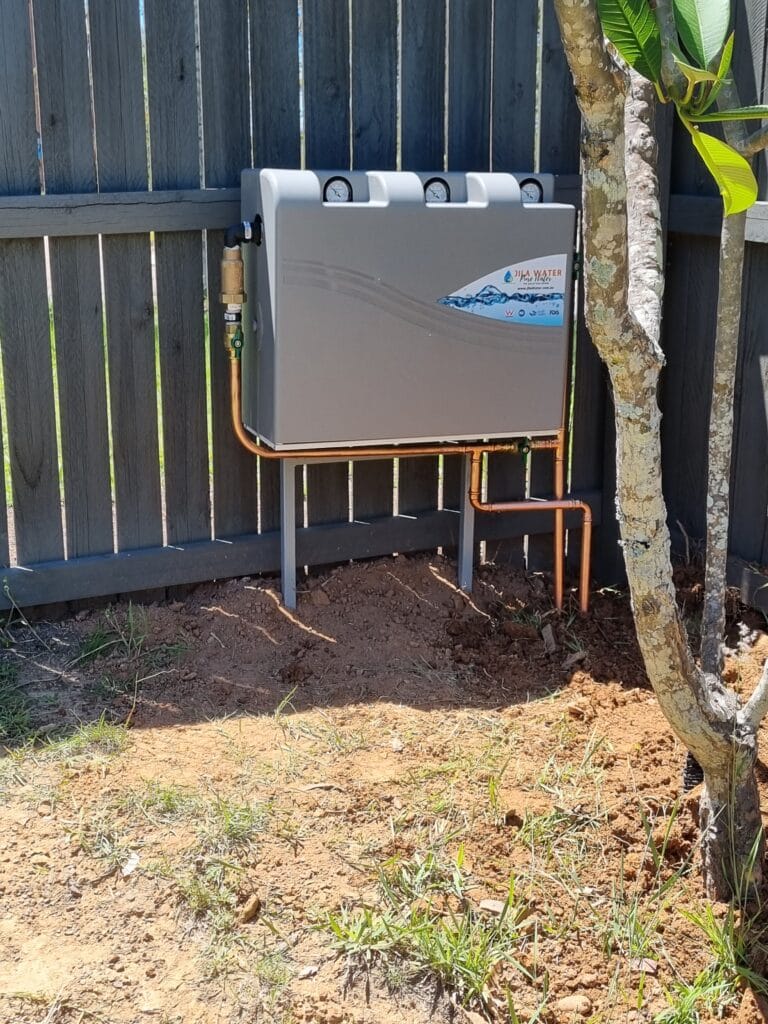
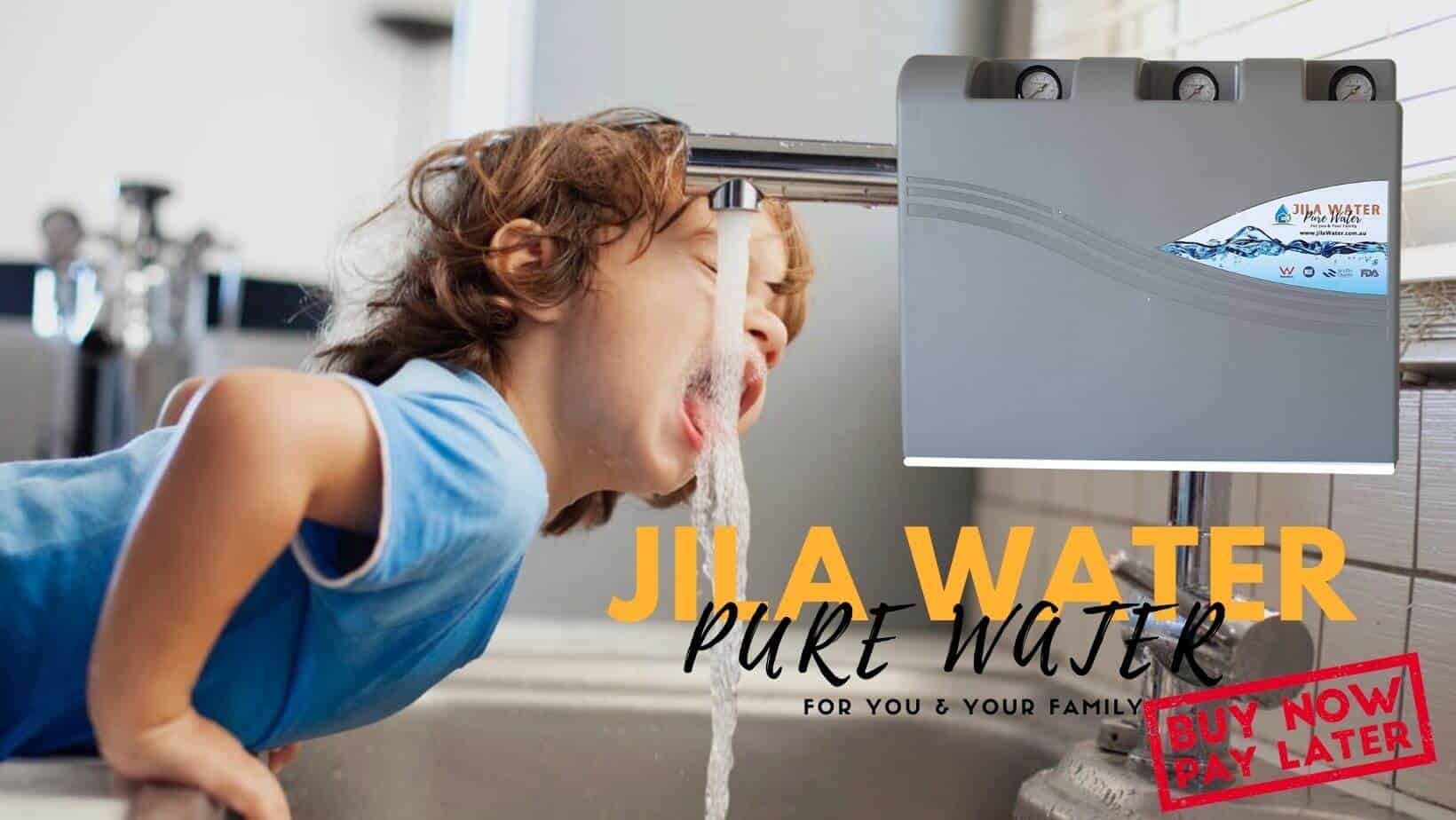
    Water filtration systems are simple and inexpensive upgrades to virtually any existing plumbing system, from a basic faucet filter to a full-scale filtration system. A water filtration system ensures that the water you drink, cook with, and bathe with is tasteless and odourless with no impurities or unpleasant residual tastes, a sought-after luxury that’s delightful to any buyer.

    Programmable Thermostats

    A programmable thermostat is one of the simplest and least expensive ways to make your home more energy-efficient. It allows homeowners to adjust temperatures based on their individual schedules and lower the temperature during inactivity. This prevents energy from being unnecessarily expended and reduces utility costs, another attractive luxury for buyers.

    Queensland Homes Water filtration Specialist

    New Paint

    Painting brings a fresh new look to your home. If the walls are a little drab, a fresh coat of paint can do wonders. Bright, cheery colours have been proven to increase energy and raise spirits. If you have time, consider repainting all of your rooms, or just choose one or two to spice up your home.

    Exterior Door Upgrades

    New exterior doors will give your home a new look and provide a solid layer of security. It’s also one of the first things buyers see when looking at your home. Doing this right will increase your home’s curb appeal.

    Conclusion

    When deciding on what to remodel in your home, it’s vital that you first consider the effect it will have on its value. Home remodelling projects can include just about anything like exterior building, interior design, landscaping, electrical work, and more. If you’re planning your first home renovation, be sure to seek help from experienced professionals who can help guide you through the process. Do your research and choose a reliable company to select the best products for your home.

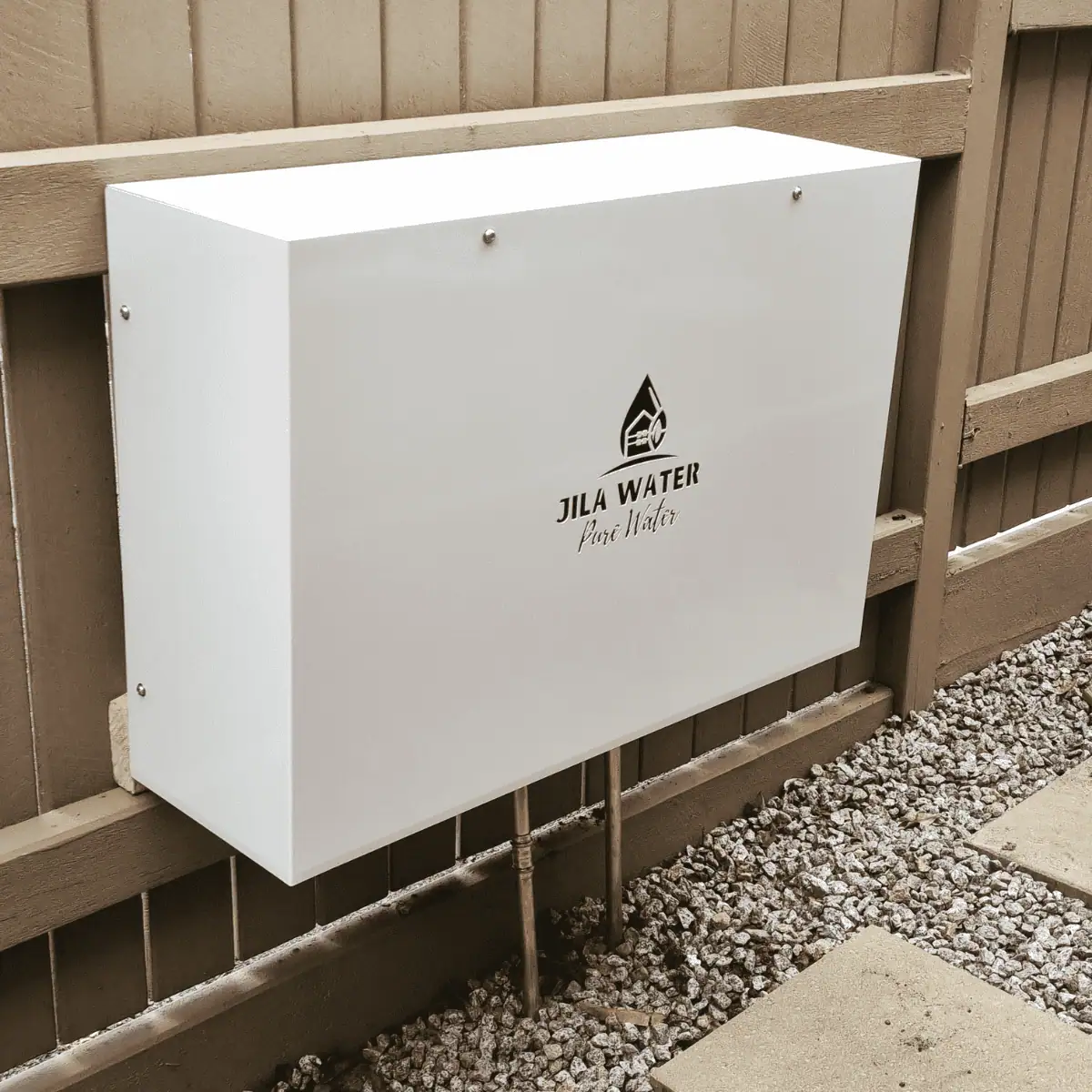
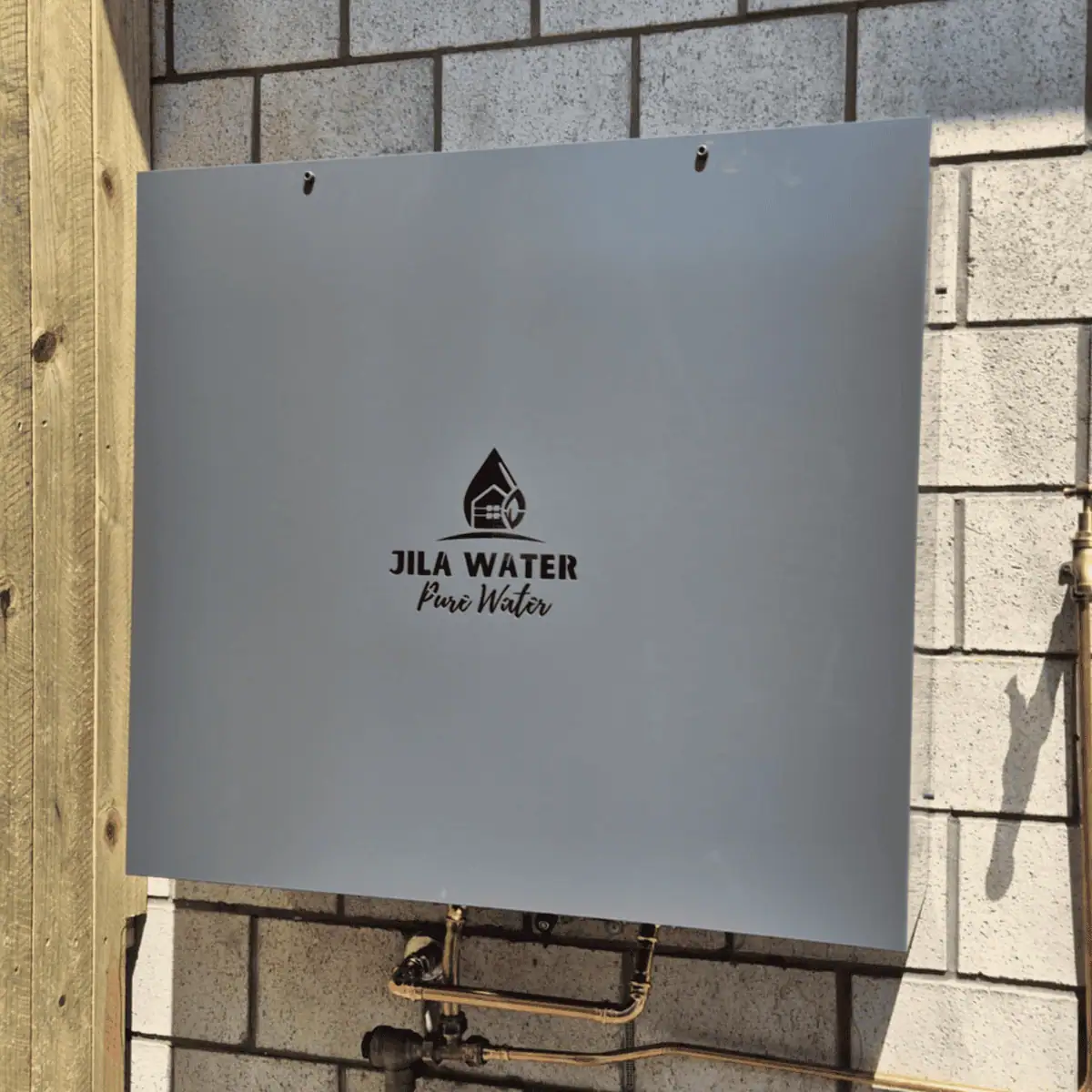
    Give your home a proper upgrade with whole home water filtration systems. We at Jila Water can help you increase your home’s value with industry-leading filters and systems, letting you make good on your investment. If you want to improve the water quality of your home in Brisbane, contact us today!

    Share:

    Facebook
    Twitter
    Pinterest
    LinkedIn
    On Key

    Related Posts

  • A Guide to Hard Water and Drinking Water In Your Home

    A Guide to Hard Water and Drinking Water In Your Home

    A Guide to Hard Water and Drinking Water In Your Home

    A Guide to Hard Water and Drinking Water In Your Home

    A Guide to Hard Water and Drinking Water In Your Home

    We’re always reminded to drink eight glasses of water a day, but there are a couple of specifics that you need to know about before you get hydrated. Every household may receive a mix of hard water and soft water, and it can be hard to determine which is which.

    Tap water may be hard or soft or even a mix of both. The hardness of water is quite important to learn about and determine, as you may want to find a way of getting filtered drinking water for a cleaner taste and better health. To dive more into this, continue reading.

    Is Hard Water Safe For Drinking?

    Generally, both hard water and soft water are safe to drink. However, any type of water with a higher hardness level than others typically contains more minerals like calcium and magnesium. It also appears to be much cloudier, linked to several health reactions and concerns.

    Research has shown that drinking hard water can result in a higher risk of cardiovascular diseases, certain cancers, and more. People may also experience aftereffects of drinking the hard water for a prolonged period of time on their reproductive and overall health condition.

    What are the signs of hard water

    What Are the Signs of Hard Water?

    Many people would rather avoid hard water, but it can be a little tough to spot it without proper testing. If you look closely at a couple of telltale signs with the water flow and water pressure though, you may just get an inkling that there is hard water in your home’s plumbing system.

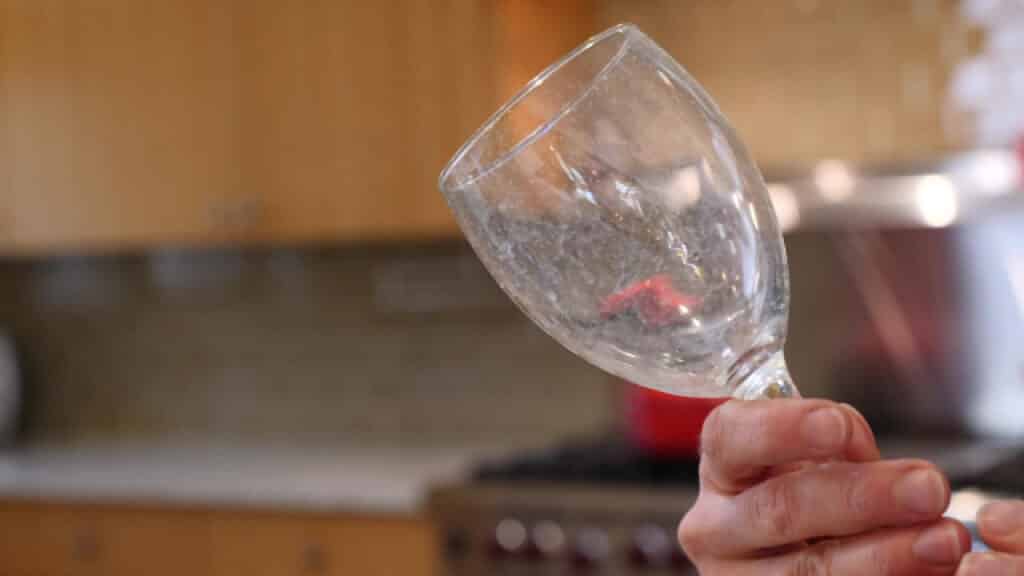
    Other indicators of hard water are usually lingering spots and stains on dishes, clothes and your home’s surfaces. Hard water isn’t very good at reacting to soap either due to its calcium content, resulting in soap scum that’s tough to rinse off.


    How to Test for Hard Water?

    Whether you’ve seen visible signs of hard water or not, it is possible to request a proper water quality report from your provider. Residents should get an overview of the total mineral and contaminants found in the water supply dedicated to your area.

    It’s not a totally black and white situation, though. As mentioned earlier, some water may be a mix of both hard water and soft water. Try to see everything within a spectrum instead and realise that hardness levels can vary depending on the content of minerals in it.


    How do I test for hard water in my Brisbane home

    How to Get Safe Drinking Water?


    When you want to ensure that your drinking water is safe, the best way to do so is to have an at-home filtration system. You may have limited to zero control over the mineral content of your water supply, but you can soften whatever you receive so you can drink easily via the tap.


    With proper filtration, any anomalies or pollutants within the water from surrounding industrial plants or general piping of your home’s plumbing system should be cleansed. Just remember to provide your system with the proper maintenance it needs. 


    Conclusion


    In summary, hard water can be dangerous if the content of harmful minerals in it is too much. Try to seek out a filtration system that can be installed in your home to ensure that whatever water you pour into a class will be clean and soft.


    Looking for the best home water filter systems? Jila Water offers cost-effective whole house water filter systems to homes in Queensland. Get in touch with us today!

    Share:

    Facebook
    Twitter
    Pinterest
    LinkedIn
    On Key

    Related Posts

  • Filter vs Tap Is Drinking Filtered Water Safe for Children

    Filter vs Tap Is Drinking Filtered Water Safe for Children

    Filter vs Tap Is Drinking Filtered Water Safe for Children

    A regular person cannot live for longer than five days without water. A person cannot maintain body temperature without water, which may result in dehydration. While it may be manageable for adults, children can be prone to more severe consequences.

    Although tap water is safe for children, filtered tap water is much preferable. Part of it is due to the water source’s location. For this reason, where it’s found has a significant impact on the quality of accessible drinking water.

    What’s the Danger with Tap Water?

    You have to be cautious about your water intake since there is a recent discovery that showed tap water contains microplastics. As such, drinking from tap water directly is not recommended for babies less than six months.

    Depending on the environment, many procedures and treatments may be employed to treat water. For example, boiling minimises the likelihood of sickness caused by contaminated water.

    For this reason, it’s necessary to bring the water to a boil when making milk formula. This procedure simply eliminates bacteria from the water. However, boiling doesn’t remove other pollutants in the water. This is why installing water filters is an excellent way to remove impurities, including chemicals, germs, radioactive particles, etc.

    Untitled-design-21-opt

    Why Does Water Need Filtering?

    UV Light Treatment, Reverse Osmosis Filtration, and Filtration Process are standard procedures used in in-house filtration systems. Sedimentation, disinfection, flocculation, and other filtering procedures are used to cleanse water.

    Water purification using filters may eliminate pollutants and impurities that might be dangerous to children. It also alters the flavour of water, which might be unpleasant due to chemicals or organic materials. Various filter systems, such as iron water filters or reverse osmosis systems, may be installed in-house to purify tap water further.

    Don’t take any risks with your kids’ health! They have the potential to be more susceptible than adults. Provide them with safe, filtered drinking water to reduce the chance of infection. However, make sure you obey the requirements and keep the water filtration system in working order.

    Why Should Every Family Use Only Filtered Water?

    Children should consume a diet rich in fruits and vegetables, low-fat meals, and regular exercise to ensure their health. To maintain good health, children must have access to safe drinking water that doesn’t contain any toxins that might hurt them. It’s hard to think of anything more essential than protecting the health of our children and grandchildren.

    Filtered drinking water has several benefits for your family. This includes the following:

    Removal of Lead Content through Filtration

    When taken in large amounts, lead has been shown to have harmful effects on human health. Thankfully, a filtration system gives an additional degree of protection to guarantee the removal of dangerous lead particles from the public water supply.

    Big Improvement in Taste

    An effective water filtration system removes many toxins in your water that treatment facilities may have overlooked. Those who like water that tastes cleaner and purer are more likely to drink it. They will prefer drinking water instead of sugary soda if your kids like its taste.

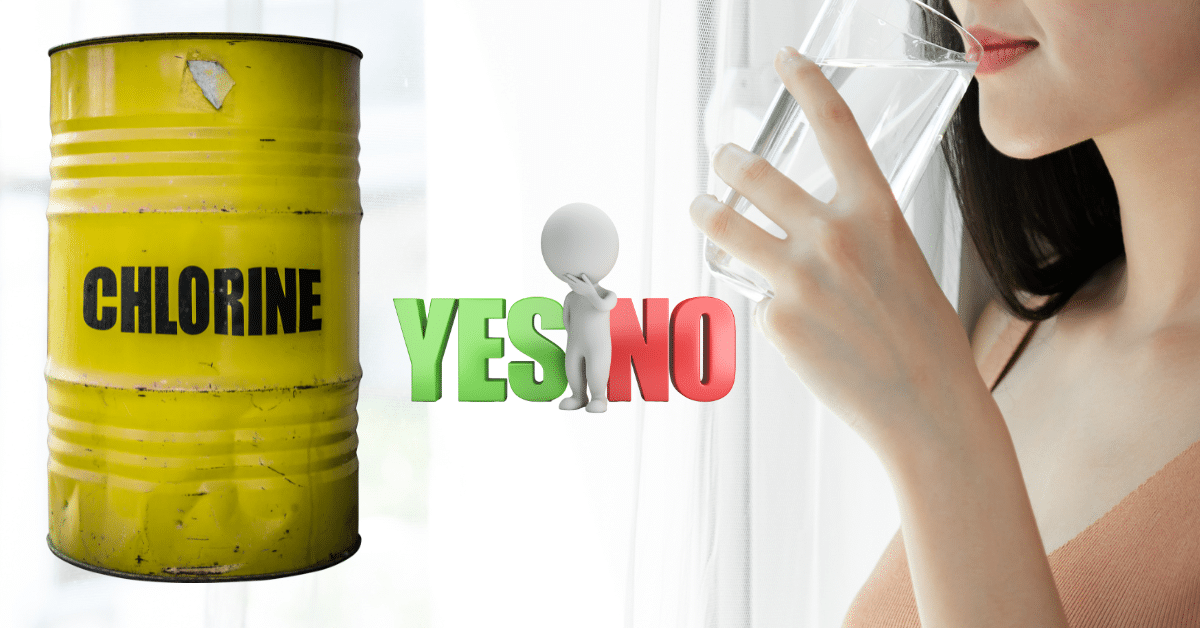
    Chlorine is also removed from drinking water using water filters. Chlorine is the most common cause of a bad taste in municipal water. The water tastes better, and the kids are more willing to drink it once it has been treated to eliminate the chlorine.

    Children’s Safety and Wellbeing Is Safeguarded

    Babies and young children are susceptible to the infections and disorders that waterborne contaminants may transmit. With a proper water filter, most harmful toxins are eliminated, ensuring the safety of your family’s youngsters.

    Conclusion


    A high-quality water filtration system has probably been independently tested for your tap water. It would reduce danger and improve long-term health. Because removing all risk is impossible, safety is about reducing risk to a tolerable level. With a water filtration system, you get to invest in a simple and cost-effective way to improve your water and your family’s health.


    You can always discover a filtration system that is simple to set up in your house. However, if you are unsure how to accomplish this, you can always locate specialists to assist you in ensuring that you have better water at home.


    Jila Water is one of the home water filter industry leaders. We can help you install the best water filtration system in QLD, so you can have a sense of peace that you and your family are safe from water contamination. Contact us as soon as possible so that we can organize a free home water testing. 

    Facebook
    Twitter
    LinkedIn
    Pinterest
    On Trend

    Most Popular Stories

  • Why Filtered Water Is Still Better than Tap Water

    Why Filtered Water Is Still Better than Tap Water

    Why Filtered Water Is Still Better than Tap Water

    Why Filtered Water Is Still Better than Tap Water


    The ongoing debate about which is safer to drink between filtered and tap water has been going on for quite some time. While the discussion hasn’t been laid to rest, a new contender entered in the form of bottled water, which only made the debate reach a new level of entanglement. For this article, however, we’ll focus only on where it all started. Here’s everything you should know about filtered water and tap water.


    Tap Water Explained


    For many decades, tap water has been the preferred option for drinking water by many people. It’s one of the most important basic necessities every household needs. However, the fact that it can potentially contain a lot of impurities is where the debate all started. Some of these contaminants may be harmless, while others can give you an immediate infection or slowly damage your health over a long period of time.


    To counter those contaminants, water treatment plants started to put in chemicals like chlorine and fluoride. Water authorities use settling, coagulation, filtering and disinfecting to ensure the safety of drinking water for every household. While these methods have been proven effective, a new concern arose: the potential health risks of consuming those chemicals used for water treatment.


    There is also that lingering taste and smell of the disinfectants being used to treat tap water. Due to these concerns, water filtration systems installed at home and commercial establishments have started to rise in popularity in the following years as an added measure to ensure there are no contaminants or leftover disinfectants in the water.


    How Do Water Filters Work? 


    Filtered water is exactly what it sounds like, which is tap water that has gone through an extra process of filtration to clear out many of the safety concerns like bacteria, contaminants, heavy metals, and other chemicals. Technically speaking, tap water is already filtered and treated, but homeowners started to demand to have their own filtration systems installed at home as an added layer of protection.


    Water filters come in various shapes and sizes, from jug filters to tap mounted ones and those filters located below your sink. All of these water filter types have their own different ways of filtering out the contaminants from tap water.


    What’s the Benefit of Filtered Water?


    Drinking filtered water has many benefits with no disadvantages at all except for the cost. Some of the benefits of water filtration include:


    • Health – Filters are capable of removing whatever health contaminants remain in tap water. Those traces of lead, copper, or even some leftover bacteria can be easily removed by your water filtration system.
    • Taste – As mentioned before, the taste of tap water is altered because of the treatment of tap water, which isn’t exactly pleasant for everyone who consumes it. Many filtration systems are capable of getting rid of chlorine and zinc, which can make the water bitter.
    • Sustainability – Instead of resorting to the use of bottled water, it’s still cheaper and more sustainable to use a quality water filtration system. It reduces the amount of plastic waste while still enjoying safe and drinkable water.


    Conclusion


    Generally speaking, tap water is safe enough to consume as long as it undergoes the proper initial filtration and treatment. However, as a homeowner, how can you be sure that that’s the case with the water you’re drinking? That’s why water filters are important to every household. If you want to ensure your family’s safety, drinking filtered water is the way to do it.


    Jila Water’s mission is to provide safe drinking water through our affordable filtration systems designed for whole-house or industrial and commercial applications. If you want to stay healthy and make sure your water is safe for drinking and free from contamination, our water filtration systems are your best choice. Contact us today to book your free home water test!

  • Can Your Dental Health Be Affected by the Type of Water You Use?

    Can Your Dental Health Be Affected by the Type of Water You Use?

    Can Your Dental Health Be Affected by the Type of Water You Use?

    Oral health is a complex thing. You need a strict dental care routine to ensure your teeth and gums stay strong. You need to eat the right food because what you eat can also impact your oral health. But did you know that it’s not just sugary drinks like soda or juice that could be harmful to your teeth? Yes, even the type of water that you drink matters because for all you know, it’s the unnoticed culprit behind the problem you’re having with your dental health. 


    If you want to know more about how different types of water affect your oral health, then you’re in the right place as Jila Water, your provider of the best home water filter systems, share all the basic information on the topic that you should know:


    Different Types of Water and How They Affect Your Teeth


    Tap Water


    You’d be surprised to learn that dentists do recommend drinking tap water due to the essential minerals like calcium and magnesium that come with it. Additionally, the authorities for local water supply in a lot of cities add some vitamins and minerals to their tap water to boost the health benefits of drinking straight from the tap. 


    The biggest benefit that comes from drinking tap water is that you get fluoride from it. It may be a controversial topic but fluoride has always been associated with cavity prevention. The problem is that tap water in some cities may also come with impurities so it’s absolutely necessary to run the water through a purifier first before drinking it. Even if there’s fluoride and other minerals in tap water and it might be good for your dental health, unfiltered tap water can still do more harm to your health than good. 

    Different Types of Water and How They Affect Your Teeth

    Filtered Water


    As mentioned above, tap water in many areas still contains contaminants and chemicals which can be harmful to your health. It is for this reason many homeowners choose to use a reliable filter system to remove these impurities from tap water on their own and make it suitable and safe for drinking. 


    The problem is that there are filter systems that get rid of all the impurities and all the minerals like fluoride, too. So you should be careful in choosing the filter you use and opt for the ones that are designed to filter only traces of fluoride while still doing a thorough job of removing harmful contaminants. 


    Bottled Water


    Despite the constant advisories to avoid bottled water, a lot of Aussies still prefer bottled water because of the convenience it offers. While this type of water is not particularly bad for your oral health, the fact is you will be missing out on the health benefits that come from fluoridated water coming from your tap. 

    Different Types of Water and How They Affect Your Teeth

    Distilled Water

    Considered to be the purest type of drinking water, distilled water doesn’t contain any contaminant or mineral. While it’s not harmful to your body or your dental health, the distillation process also removes all the essential minerals including fluoride so if you are concerned about the health of your teeth, this might not be the right choice for you as it does nothing to protect your teeth. 

    Conclusion

    As you can see, the dental health benefits you get from your drinking water depend on what type it is – tap, filtered, bottled, or distilled. Because the one with the most beneficial minerals for the teeth (tap water) also happens to be the one that poses danger to your overall health. If you have the best home water filter system, your best bet is filtered water because you can be sure of the safety of the water you drink while still keeping some of the fluorides from tap water that you need for your teeth. 

    Jila Water offers high quality yet affordable water filter systems for homes in QLD. Contact us today and learn more about our house water filter system options for you!

  • 4 Myths about Drinking Water to Stop Believing in

    4 Myths about Drinking Water to Stop Believing in

    4 Myths about Drinking Water to Stop Believing in

    4 Myths about Drinking Water to Stop Believing in

    4 Myths about Drinking Water to Stop Believing in

    Water is necessary to our daily lives, especially since the human body is 70% water. While a person may last a month or more without food, a week without water can be deadly.
     
    Water is more than just molecules of two parts hydrogen to one part oxygen or H2O. Because virtually all water includes minerals, pollutants, toxins, and microbes, the phrase “pure water” is a relative term. These chemicals may be present at microscopic levels, and they do not always have severe health consequences.
     
    Let’s take a look at some common drinking myths—and why people should stop believing in them:
     

    Myth #1: Drink Eight Glasses of Water Every Day

     
    The eight glass of water statistic is maybe the most widespread misunderstanding. You may have heard as a child that you should drink eight glasses heights of water every day. Until recently, you could have read on health sites that it was still the best practice.
     
    In reality, the number eight cups is arbitrary. In addition, we all have various weights, heights, and physical characteristics. We don’t require precisely eight glasses of water. Aside from our physical disparities, we also have different interests and ages. The amount of water we need each day will also vary.
    It does not provide an excuse for skipping that glass of water. When choosing between a glass of filtered water and a cup of coffee, go for the water. Drink filtered water as a better option to make sure you’re drinking water is safe.
     

    Myth #2: Bottled Water Is Your Safest Option

     
    It’s safe to drink bottled water since it’s sealed and filtered by sophisticated procedures. It is also the most convenient, especially when we’re driving or away from home. However, there are certain risks in drinking from plastic bottles. Some contaminants may leak into your water supply, and the sealants or the plastic bottle itself might contain chemicals.
     
    Buying bottled water exposes you to additional enticing drinks (sugary or alcoholic). These beverages are displayed openly. So, instead of water, you could grab sugary drinks, and this alternative can become a habit. Your health and attractiveness suffer as a result.
     
    For these reasons, many homeowners and companies choose a greener, healthier choice. Many of them use whole-house water filter systems that usually come with routine free home water testing. These water filter systems provide pure water so you can eliminate drinking water from plastic bottles.
     

    Myth #3: Only Excessive Sweating Causes Dehydration

     
    People sweat a lot in Brisbane, especially on hot summer days. We may be exercising, working, or just at home. High heat and exercise lead to sweat, which may dehydrate us. However, we lose water in other ways besides sweating. By just inhaling, we “exhale” 400mL of water every day. This number can rise if we exercise or if the weather is scorching.
     
    We lose water even on chilly days, even when the air conditioner is high or max settings. We need to keep hydrated, so never wait for thirst. You should still consume water to replenish your body’s fluids. Our bodies require water to operate correctly, even when we are just sitting at work.
     

    Myth #4: Sports Drinks Better Than Water

     
    Sports beverages are more effectively promoted than water, especially since we see athletes and celebrities with bottles of these beverages daily. We then believe that it is such beverages that drive their performance. As a result, many other athletes and fitness enthusiasts choose sports drinks over plain water as a substitute.
     
    Sports drinks include electrolytes that replenish those lost during vigorous physical exercise. These beverages may also contain sugar to offer energy to the body. These beverages may be an excellent option, especially if you’ve been working out a lot (e.g. after marathons or playing basketball).
     
    When they sweat a lot, though, some people rely exclusively on sports drinks. Drinking a sports drink is not always required, as our bodies can withstand heat and electrolyte loss. If you’re in good health, you simply need a glass of cool, pleasant water to replenish your fluids. You can obtain electrolytes through fruits, vegetables, and common foods.
     

    Conclusion

     
    The importance of clean and filtered drinking water cannot be overstated enough. Our homes should be equipped with proper water filter technology for our protection, going beyond the need for bottled water and sports drinks. Jila Water provides a cost-effective whole-house water system to ensure you wouldn’t have to worry about your basic filtered drinking water needs.
     
    At Jila Water, we provide affordable whole-house water filter systems with free water tests in Brisbane. We pride ourselves on being the best home water filter systems company, providing pure water to many Brisbane and Australian homes and families. Call us now on 1300 30 10 37 or just jump on our website to find out more today at www.jilawater.com.au
    Share this post