Tag: Water Filter

  • The Importance of Water Testing & Identifying Contaminants!

    The Importance of Water Testing & Identifying Contaminants!

    The Importance of Water Testing & Identifying Contaminants in your Brisbane Drinking Water
    Home Water Testing For Brisbane Home Owners

    The Importance of Water Testing & Identifying Contaminants!

    The Importance of Water Testing & Identifying Contaminants

    There is a growing list of things we cannot take for granted. One of the most important ones is clean water. After all, we cannot survive without water, but we have a limited resource. If we are not careful, water may be contaminated, and you can risk your health and that of your loved ones.

    Wherever you may be sourcing your water supply, you must regularly do water testing. Why is water testing important? What are the problems you can identify through water testing? Keep on reading to find out.

    Is Fluoride in our drinking water Good or Bad?
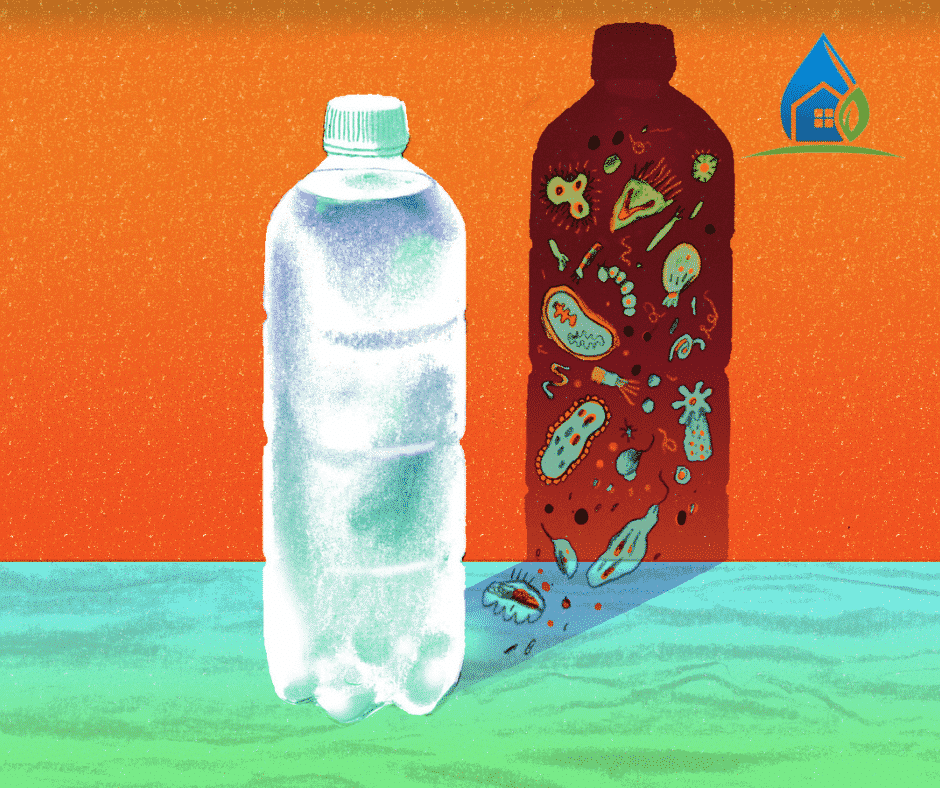
    Testing for Bacteria and Viruses found in water

    What Is Water Testing?

    Water testing is the process of identifying contaminants present in a given water supply. Once a contaminant is identified, it can be removed if possible or further tests can be conducted to determine its source.

    While you would think that the water that comes out of your faucet should be safe and clean, this is not always the case. Water can contain a number of contaminants, ranging from simple things like silt to more complex contaminants like heavy metals.

    Often, heavy metals will come from industrial processes (such as mining) and can be toxic for humans. In order for you to be able to help your body fight these contaminants, it is crucial that you regularly undergo water testing.

    What Are the Common Problems with Water?


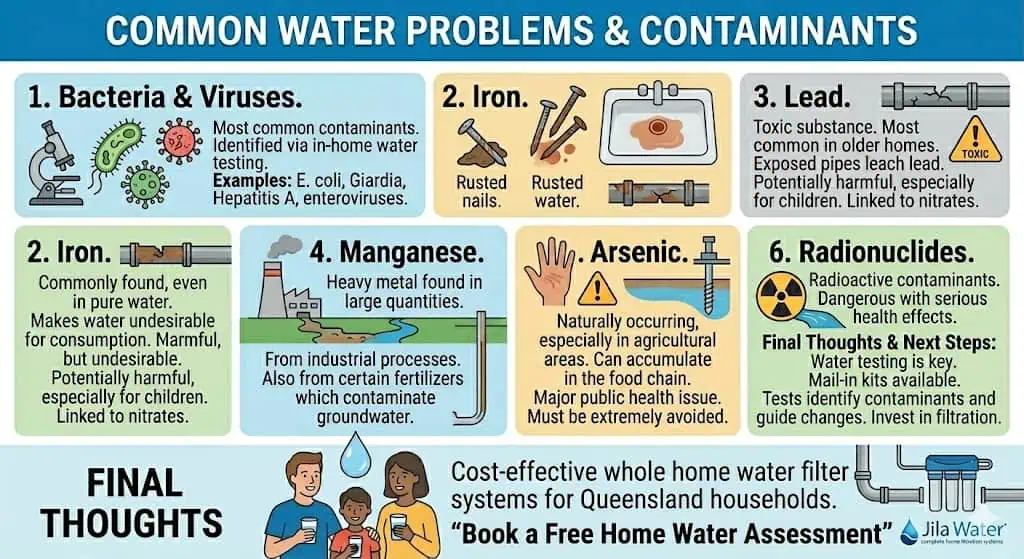
    There are various things that can happen to water depending on its source, which is water testing. Water can be contaminated with a number of things, including:

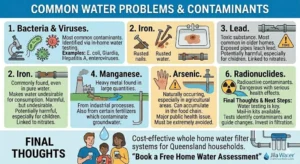
    1. Bacteria and Viruses

    These types of contaminants are often the most common in contaminated water, and they can be easily identified through personal in-home water testing. These contaminants can include bacteria such as E. coli and Giardia, as well as viruses such as hepatitis A and enteroviruses.

    2. Iron

    Iron is a commonly found contaminant in water supplies. It is also commonly found in water that is pure. Iron is not necessarily harmful, but it can make the water undesirable for consumption and home water treatment may be needed to reduce it.

    Arsenic found in drinking water

    3. Lead

    Lead is a toxic substance that can be found in water, most commonly in older homes. When lead pipes are exposed to certain chemicals, they can leach poisonous lead into the water. Lead can contaminate water with increased levels of nitrates. Lead can be especially harmful to children.

    4. Manganese

    Manganese is another heavy metal that can be found in water. Manganese can be found in large quantities in water coming from industrial processes. It can also be found in some types of fertilizer, which can end up in groundwater.

    5. Arsenic

    Arsenic naturally occurs in the earth and then can be found in groundwater, especially in agricultural areas. Arsenic can accumulate in the food chain and can cause cancer. Arsenic poisoning is a major public health issue, which means it must be avoided extremely.

    6. Radionuclides

    Radionuclides are another type of contaminant that is commonly found in water and can be especially dangerous. Radionuclides are radioactive, and they can have serious health effects on humans.

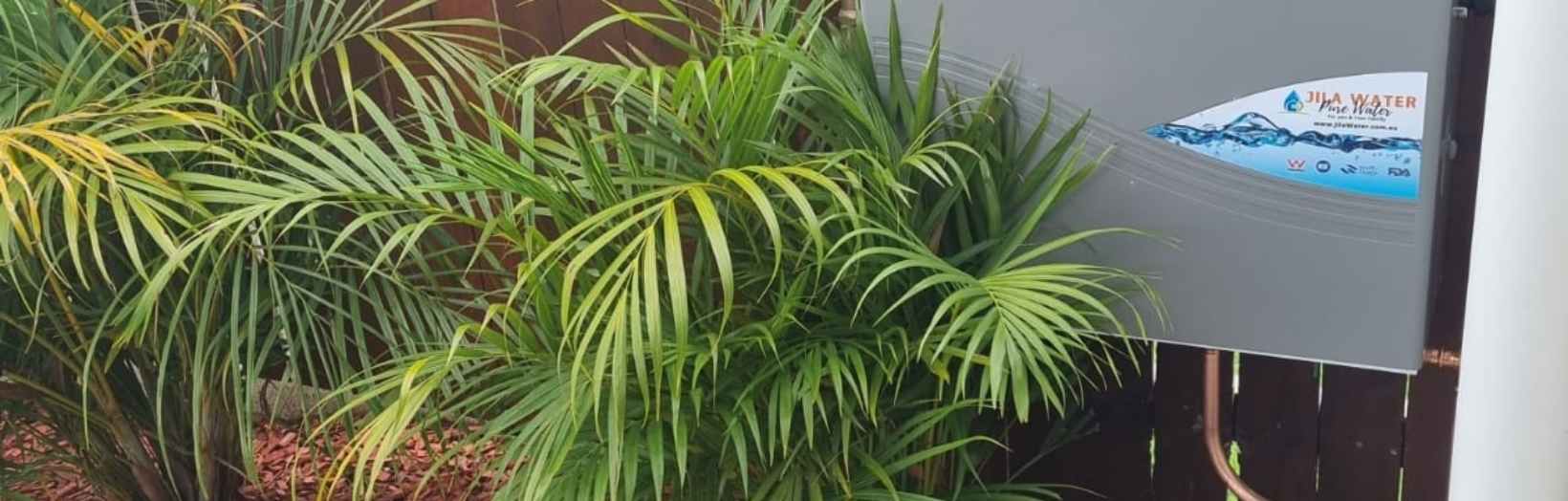
    Total Home Filtration Options You Have with Jila Water in Your Brisbane Home

    Final Thoughts

    Water testing is extremely important in making sure that your water is safe for you to drink. If you are not able to conduct these tests yourself, you can turn to mail-in water testing kits for help. In addition to identifying water contaminants, a water test will provide you with the information to make the appropriate changes to your water supply.

    If you want you and your family to be safe with water you take, you should invest in a water filtration system, like what we offer on Jila Water. We offer cost-effective water filter systems for Queensland households. Get started by messaging us today for a free home water testing kit.

    How Your Body Responds to Filtered versus Tap Water

    Share:

    Facebook
    Twitter
    Pinterest
    LinkedIn
    On Key

    Related Posts

  • Should You Be Concerned About Fluoride In Tap Water

    Should You Be Concerned About Fluoride In Tap Water

    Fluoride in drinking water, what it is, why is it there & is it good or bad
    Is there Fluoride in our drinking water

    Should You Be Concerned About Fluoride In Tap Water

    Of all the questions you commonly hear about tap water, the most common is probably this: Should fluoride be removed from tap water, or should it remain in it? After all, we’re told that all sorts of chemicals, metals, and more exist in the world that can hurt us. One of these things is fluoride, which some may claim to be dangerous. However, many others are supportive of including fluoride in water, such as dentists and the like, stating the health benefits it has to offer.

    So, should fluoride be included in tap water? Let’s talk about that:

    Is Fluoride in our drinking water Good or Bad?
    What Is Fluoride and why is it in our drinking water ?

    What Is Fluoride?

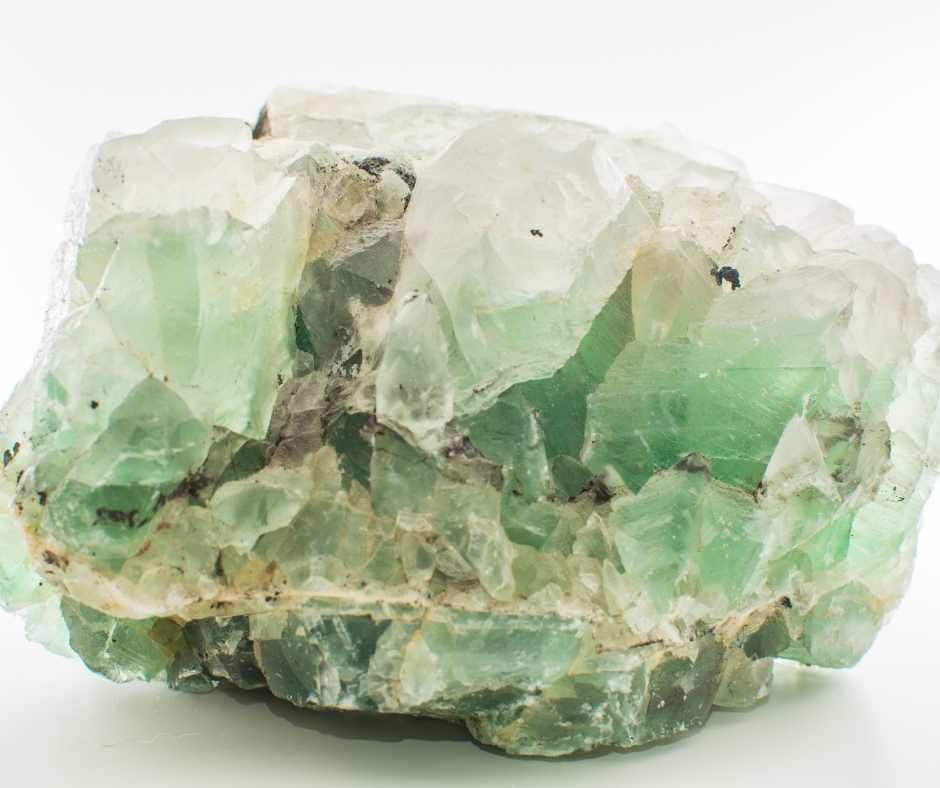
    Fluoride is a mineral that occurs naturally in the environment, including in groundwater and the ocean, but can also be added to drinking water. It helps prevent tooth decay, and it is also generally recognised as safe (GRAS) by the FDA.

    There are a few different forms of fluoride: calcium, sodium, hydroxy or silicofluoride, depending on the source of the fluoride. There are also organic forms of fluoride, and they occur naturally, while the inorganic forms are added to tap water.

    What’s So Good and Bad About Fluoride?

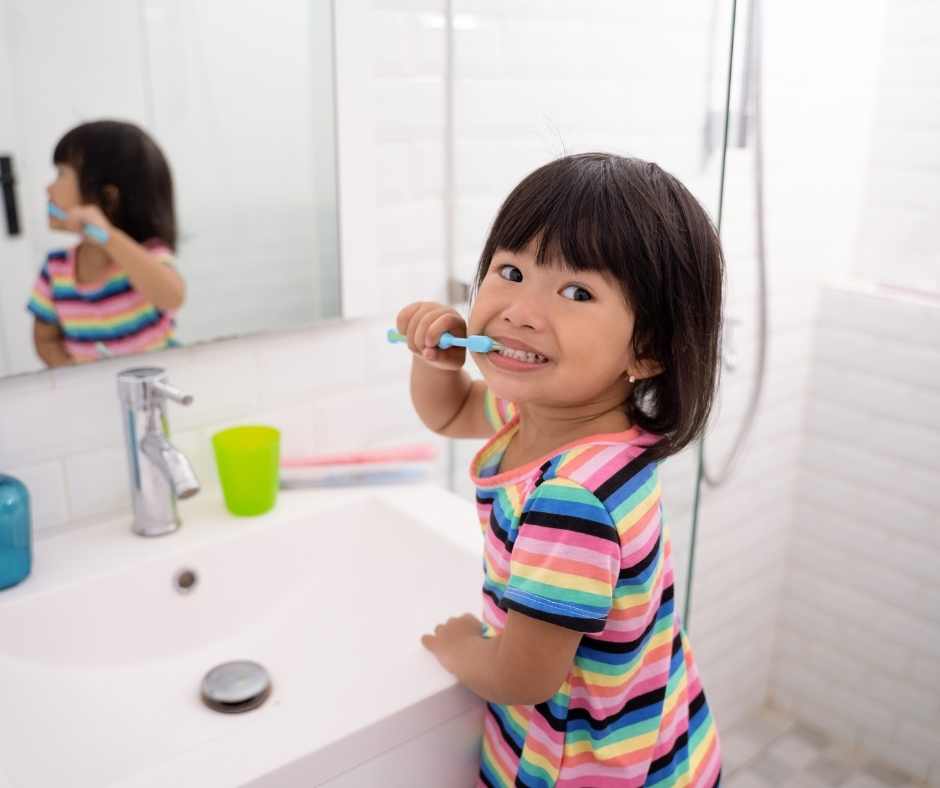
    Fluoride is generally good for teeth. It helps to protect the enamel and prevent tooth decay, which is why dentists recommend that you regularly use fluoride toothpaste (as long as you don’t have a sensitivity to it). Additionally, research shows that fluoride helps to prevent cavities in kids.

    However, there are a few issues that have been found when it comes to fluoride. Studies have shown that fluoride can damage certain types of gut bacteria and decrease fertility. Additionally, some research shows that it can be toxic in high amounts, especially for kids.

    However, the biggest con to fluoride is that even though it is effective at preventing cavities, you can easily get fluoride from other sources. For instance, if you use fluoride toothpaste regularly, you’ll be getting it from that, as well as from some foods.

    What's So Good and Bad About Fluoride?

    Is Fluoride In Water Safe?

    Fluoride is generally considered safe to consume, as it is generally at safe levels. However, it’s important to know that the amount of fluoride you get from tap water varies based on where you live.

    This is because the amount of fluoride in tap water is often dictated by the local water company or the state in which you live. For instance, the Centers for Disease Control and Prevention (CDC) notes that the Environmental Protection Agency (EPA) and the Department of Health and Human Services recommend that fluoridation of community water supplies be between 0.7 and 1.2 mg of fluoride per litre, depending on the age group.

    Is Fluoride In Water Safe?
    Jila Water Complete Home Water Filtration Solution

    Conclusion

    So, should you be concerned about the fluoride in your tap water? It’s hard to say. It may have some health benefits, and it can also be toxic in large amounts. Furthermore, there are other sources of fluoride that you may or may not be aware of. If you are truly concerned about fluoride levels in your tap water, be sure to invest in good water-treatment solutions. That way, you can enjoy pure, clean water every time you turn on the tap!

    Jila Water offers cost-effective whole-house water filter systems, giving homes access to clean, filtered water. If you are looking for affordable water filter systems in Queensland, check out our products!

    Share:

    Facebook
    Twitter
    Pinterest
    LinkedIn
    On Key

    Related Posts

  • The Brain and Water? Why Water Is Needed for a Healthy Brain?

    The Brain and Water? Why Water Is Needed for a Healthy Brain?

    The Brain and Water: Why Water Is Needed for a Healthy Brain
    Request an on site quote and find out the benefits for you and your family.

    The Brain and Water? Why Water Is Needed for a Healthy Brain?


    Did you know that 85% of your brain is water? This fact alone tells us a good deal about why water is essential for the brain, and it may seem strange that the brain needs water, given that your body needs it to keep from dehydrating. But your brain is also getting a good share of the water you drink. A dry brain is equal to dry wit. Not enough water in the brain can lead to irritability, concentration difficulties, headaches, cognitive problems, or what is commonly referred to as “brain fog.”

    If you have ever suddenly felt tired or had trouble concentrating for no apparent reason, you may have already experienced brain fog and not know it. This blog post will shed light on why water is essential for brain health

    The brain, and why drinking water is important
    The Brain and Water: Why Water Is Needed for a Healthy Brain


    The Brain and Water: Why Water Is Needed for a Healthy Brain

    Although the brain is a lot like crunchy ol’ bone in some ways, this organ is full of fluid—approximately 80% of its total weight is water. However, unlike other organs, your brain does not have a circulatory system to deliver fresh blood and oxygen. This means that your brain must depend on the blood that circulates in your body to supply it with oxygen, glucose, and essential nutrients. Unfortunately, this means that the brain is vulnerable to the same fluid loss that affects other organs.

    Hypothalamus, the water-loving region of the brain

    What does this mean? It means that dehydration of your whole body can affect your brain. The hypothalamus, for example, is a specialised region of the brain that has been shown in studies to be particularly vulnerable to dehydration. The hypothalamus is responsible for the regulation of body temperature, hunger, sleep cycles, and alertness. It is also responsible for keeping your body in balance by regulating the release of hormones. When you become dehydrated, your hypothalamus becomes overactive, causing increased urination and thirst in an effort to re-establish stability.


    Water Fuels Brain Activity

    The brain is not the only organ that is overactive when you become dehydrated. The kidneys, adrenal glands, and pituitary glands all increase their activity. The adrenal glands, which sit atop your kidneys, are involved in the stress response and the regulation of blood pressure. When dehydrated, the adrenal glands release a hormone called cortisol. This stress hormone is essential for survival in the short term, but it can be harmful to long-term health. Overproduction of cortisol can lead to chronic fatigue, weight gain, and muscle aches. In the worst cases, high levels of cortisol can lead to depression, memory loss, and vision problems. These are reasons enough to take water seriously.

    Why Water Is Important for Your Brain

    Water transports nutrients such as glucose, amino acids, and fatty acids to the brain and carries away waste products such as carbon dioxide and lactic acid. Its function can be compared to that of the arteries, veins, and lymphatic system in the rest of your body. While the rest of your body is focused on supplying nutrients and taking away waste, your brain is focused on supplying nutrients and removing waste, but with a major difference. The brain has a much higher metabolic rate than any other organ in your body.

    The Brain and Water: Why Water Is Needed for a Healthy Brain

    Conclusion

    The brain is responsible for a variety of daily functions—from regulating your body temperature to making you feel hungry or keeping you from feeling exhausted when you need to be alert. Because it is so incredibly active, the brain has a high metabolic rate, which means that it needs a lot of energy. In fact, the brain burns about 25% of the oxygen that you take in. Not only does water supply your brain with the energy it needs to help it function, but it is also necessary for removing toxic waste products. So, don’t skimp on the water!

    If you are looking to get the most out of the water you drink, it is ideal to invest in a home water filtration system. JilaWater is proud of its industry-leading Home Water Filter, Whole House Water Filter Systems it installs in homes. Let us help you get clean, filtered water to your home in QLD today!

    Share:

    Facebook
    Twitter
    Pinterest
    LinkedIn
    On Key

    Related Posts

  • Whole House Water Filter. Everything You Need to Know

    Whole House Water Filter. Everything You Need to Know

    Whole House Water Filter. Everything You Need to Know

    Whole house taps are the best option for people who want cleaner water throughout their home. When you get a whole house water filter, you’re able to access cleaner water that you can use in your day-to-day activities, from making coffee to taking a shower.

    Choosing the right water filter for your home is not easy, but here are some things to know to help you out.

    When Do I Need a Whole House Water Filter?

    There are various situations when you might need a whole house water filter. Here are some of them:

    1. If you want to use filtered water in multiple areas of your home
    2. If you want to drink and cook with cleaner, healthier water
    3. If you don’t have time to wait for your tap water to go through a carbon filter
    4. If you want to get rid of dirt, rust and other substances from your water
    5. If you want a consistent source of clean water

    How Does a Whole House Filter Work?

    A whole house water filter works by filtering the water that goes through the entire house. This means that the water that is used in the kitchen, bathroom and other areas of your home is clean and healthy. This can be an important benefit if you have a small child or if you take a lot of showers.

    With a whole house water filter, you no longer have to wait for your water to pass through a filter. Instead, you get instant access to filtered water in any area of your home.

    Whole house filters can also work to remove heavy metals and other substances from your water. If you have dirt in your water, a whole house filter can help to remove it.

    Whole House Water Filtering Stages

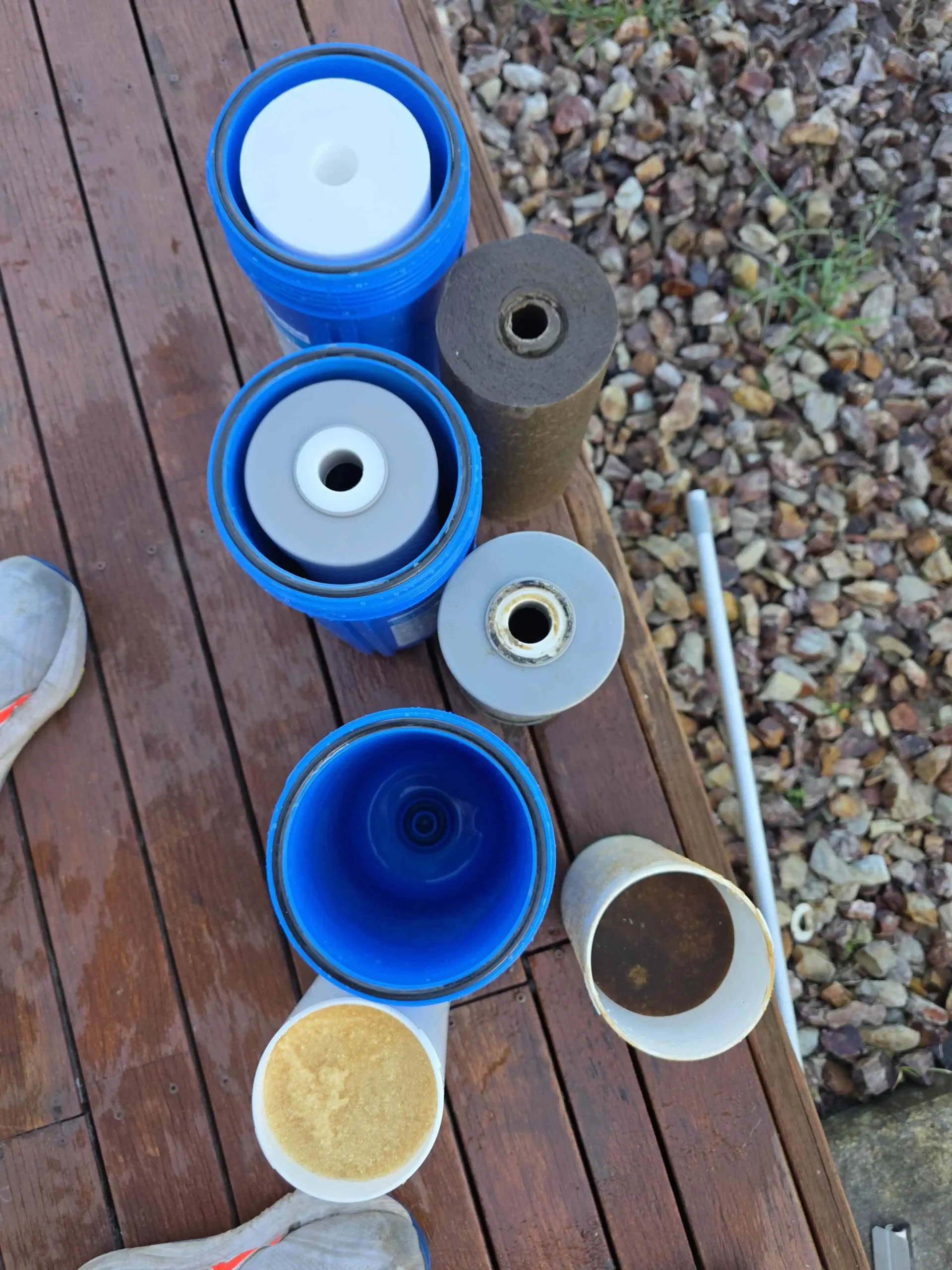
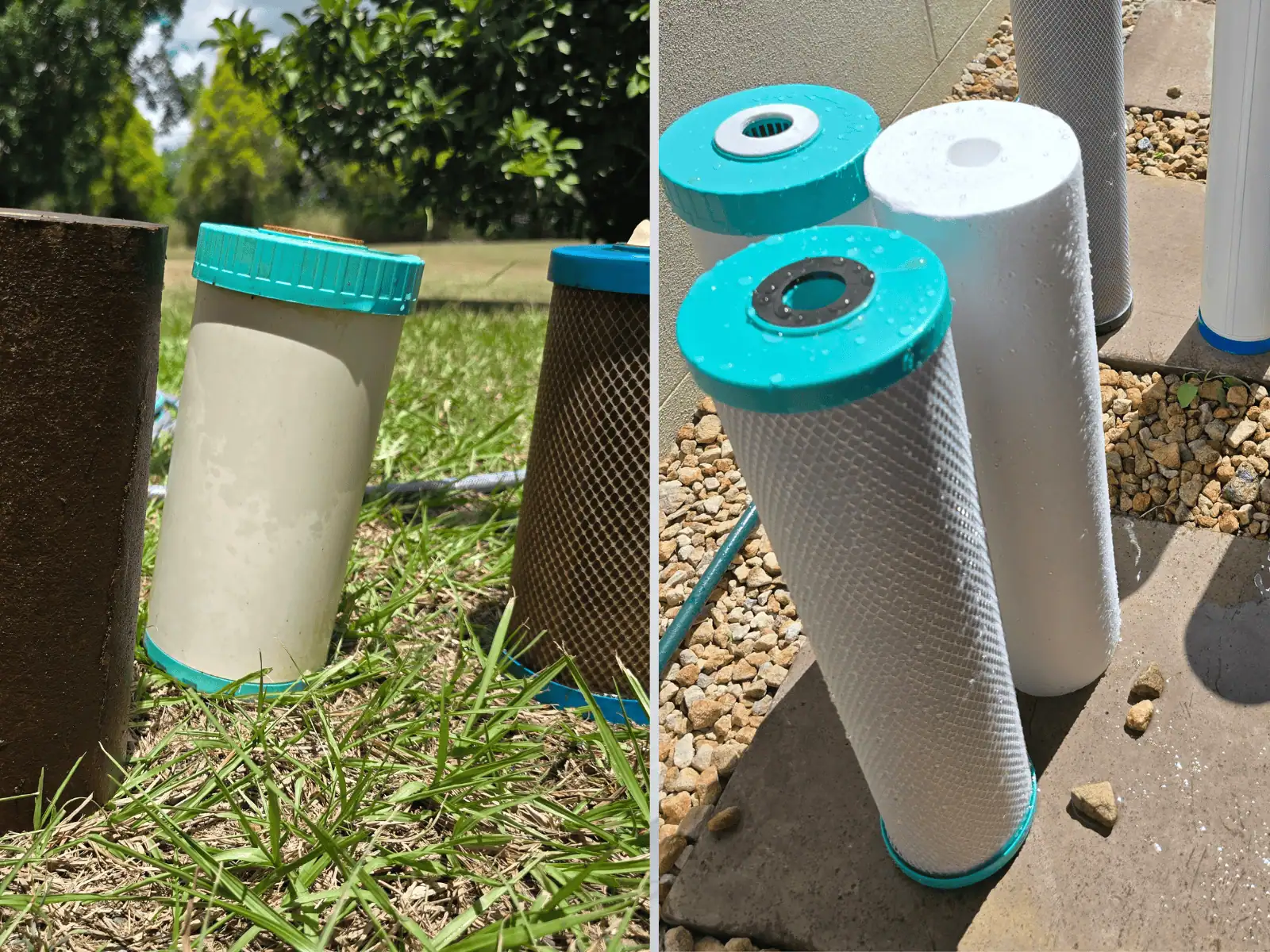
    1) The Pre-Filter Stage

    This is the first stage that a whole house filter uses. In this stage, the filter uses carbon to remove chlorine, sediment and other substances.

    This stage can be used to address many of the most common problems with water, making it easier to address problems like iron. The pre-filter is often inexpensive and can be used to improve the overall quality of your water.

    2) Activated Carbon Stage

    The second stage is the activated carbon stage. This stage removes bad tastes and odours, as well as lead and other heavy metals. This can be an important step if you’re worried about the metals in your water.

    3) Post-Filter Stage

    The last stage is the post-filter stage. This stage is the final stage, and it can be beneficial if you have hard water.

    This stage can remove any traces of chemicals that may be left in the water after the pre-filter.

    The main benefit of the post-filter stage is that it makes water softer and smoother. This can be an advantage if you’re worried about the calcium or other minerals in your water.

    Conclusion

    With a whole house water filter, you can enjoy cleaner water in not only your kitchen but in your bathroom and other areas of your home, too. You don’t have to worry about harmful particles in your water, whether for washing the dishes, taking a shower or even for cooking.

    Install a home water filtration system that works like a charm. At Jila Water, we can fix that up, right for you. Soon, you’ll have fresh, clean drinking water in no time at all. Get in touch with us today to learn more.

    Whole House Water Filter. Everything You Need to Know

    Whole house taps are the best option for people who want cleaner water throughout their home. When you get a whole house water filter, you’re able to access cleaner water that you can use in your day-to-day activities, from making coffee to taking a shower.

    Choosing the right water filter for your home is not easy, but here are some things to know to help you out.

    When Do I Need a Whole House Water Filter?

    There are various situations when you might need a whole house water filter. Here are some of them:

    1. If you want to use filtered water in multiple areas of your home
    2. If you want to drink and cook with cleaner, healthier water
    3. If you don’t have time to wait for your tap water to go through a carbon filter
    4. If you want to get rid of dirt, rust and other substances from your water
    5. If you want a consistent source of clean water

    How Does a Whole House Filter Work?

    A whole house water filter works by filtering the water that goes through the entire house. This means that the water that is used in the kitchen, bathroom and other areas of your home is clean and healthy. This can be an important benefit if you have a small child or if you take a lot of showers.

    With a whole house water filter, you no longer have to wait for your water to pass through a filter. Instead, you get instant access to filtered water in any area of your home.

    Whole house filters can also work to remove heavy metals and other substances from your water. If you have dirt in your water, a whole house filter can help to remove it.

    Whole House Water Filtering Stages

    1) The Pre-Filter Stage

    This is the first stage that a whole house filter uses. In this stage, the filter uses carbon to remove chlorine, sediment and other substances.

    This stage can be used to address many of the most common problems with water, making it easier to address problems like iron. The pre-filter is often inexpensive and can be used to improve the overall quality of your water.

    2) Activated Carbon Stage

    The second stage is the activated carbon stage. This stage removes bad tastes and odours, as well as lead and other heavy metals. This can be an important step if you’re worried about the metals in your water.

    3) Post-Filter Stage

    The last stage is the post-filter stage. This stage is the final stage, and it can be beneficial if you have hard water.

    This stage can remove any traces of chemicals that may be left in the water after the pre-filter.

    The main benefit of the post-filter stage is that it makes water softer and smoother. This can be an advantage if you’re worried about the calcium or other minerals in your water.

    Conclusion

    With a whole house water filter, you can enjoy cleaner water in not only your kitchen but in your bathroom and other areas of your home, too. You don’t have to worry about harmful particles in your water, whether for washing the dishes, taking a shower or even for cooking.

    Install a home water filtration system that works like a charm. At Jila Water, we can fix that up, right for you. Soon, you’ll have fresh, clean drinking water in no time at all. Get in touch with us today to learn more.

    Share:

    Facebook
    Twitter
    Pinterest
    LinkedIn
    On Key

    Related Posts

    Share:

    Facebook
    Twitter
    Pinterest
    LinkedIn
    On Key

    Related Posts

  • 7 Benefits of Making the Switch to Filtered Water Today

    7 Benefits of Making the Switch to Filtered Water Today

    Happy Brisbane Family enjoying fresh filtered water using a Jila Water Whole Home Water Filter System
    It Protects Your Skin from Hard to Scrub Components soap scums and other soils are mostly made of calcium and magnesium ions. These components are basically good when mixed with other ingredients that would further cause them to have positive effects inside and outside our bodies. However, these two substances may also harm us, particularly our skin, if they are applied improperly. Hard water often has a sufficient amount of soap scums, and they are difficult to scrub on our tiles. Imagine if the same thing were to end up on your skin. Filtered water will be able to prevent that from happening.

    7 Benefits of Making the Switch to Filtered Water Today

    Share:

    Facebook
    Twitter
    Pinterest
    LinkedIn

    While drinking tap water might be relatively safe, it is best to filter your tap water to ensure you’re getting the cleanest and purest H2O.

    Filtered water not only tastes better but can improve your health. Here, we’ll show you why filtered water can make a difference in your life.

    1/ Filtered water will improve the taste of your tap water

    Most filters are designed to remove chlorine from tap water, and the result is a notably improved taste. Filters also remove any chemicals that may have leached into your water supply, such as pesticides and lead. The result is better water that will leave you wanting to drink more.

    2/ Filtered water is healthier

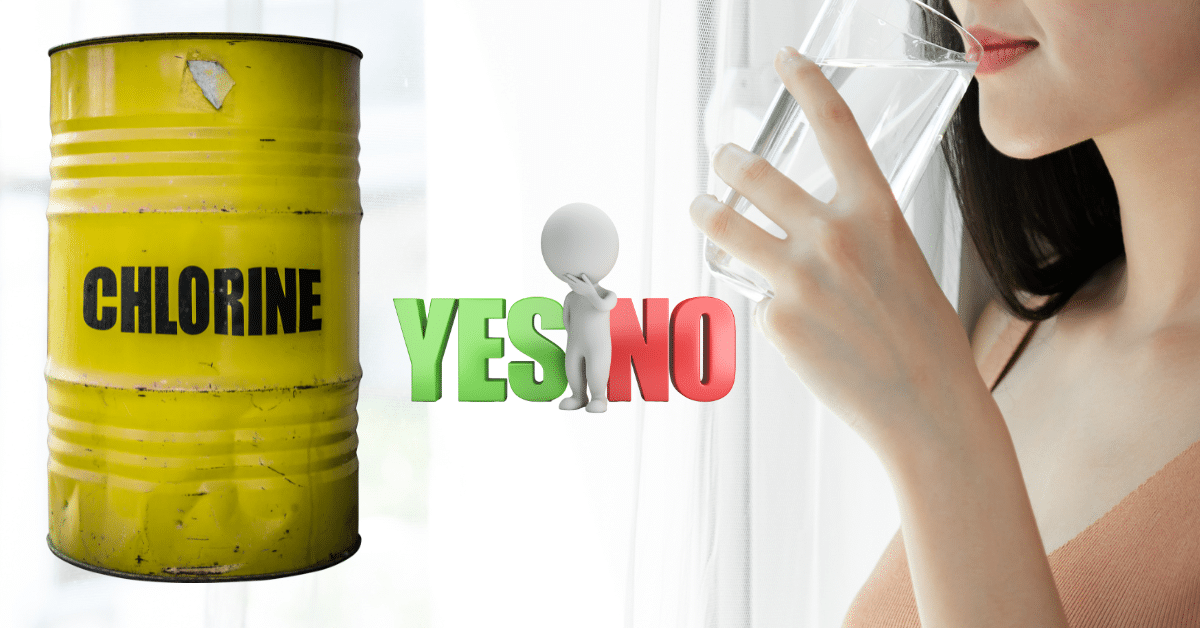
    The effects of chlorine occur over time when you drink it, leading to problems, such as bladder cancer, diabetes, heart disease and various thyroid disorders. Even if you’re not getting enough chlorine in a short time frame to have these immediate effects, it is still unhealthy on a cellular level.

    3/ Filtered water is environmentally safe

    Chlorine is widely used to treat raw water for drinking water supply, and this use is becoming increasingly controversial. Some believe that chlorine’s effect on organic matter in the water supply creates potentially harmful disinfection byproducts. By filtering your drinking water, you can ensure that your water is free from these harmful toxins.

    4/ Filtered water is better for your appliances

    This one is for the environmentally-minded folks. Chlorine is corrosive, especially in the presence of iron and copper, and can cause damage to your refrigerator’s water dispenser.

    Filtered water is also better for your household appliances, as it won’t be as hard as water from the tap. In addition, the reduced chemicals in your water can mean a longer lifespan for your appliances.

    5/ Filtered water is better for your eyes

    Chlorine can irritate the eyes and can even cause permanent eye damage. This is especially true for children who may have a hard time holding their eyes open in the shower.

    6/Filtered water is better for any plants and animals you have in your home

    The mineral content in your water is as important to your plants and pets as it is to you. Filtered water will improve the health of your plants and any live animals.

    7/ Filtered water is better for your skin

    The minerals found in hard water can have the same effect on your skin as they do on your hair. If your skin is sensitive, filtered water can leave it feeling softer.

    The Best Water Filter for Your Home

    What is the best type of water filter for your home? There are many types of water filters in various forms and capacities, and it’s important to choose one that will work well with your home.

    Home filters come in two basic types: under-the-sink and whole house. Under-the-sink filters are installed beneath the kitchen sink, often using the same water lines that bring water to the refrigerator. This makes them very convenient, and they’re easy to replace. However, you need to be careful that you don’t overload the system.

    Shower In filtered water

    Meanwhile, whole house systems are designed to treat all of the water in your home. They are installed outside of the house, usually near the water meter. They usually require a professional to install, but they last longer and are more effective.

    To choose the right water filter for you, think about your water quality, the amount of water you use and the space available to install the filter.

    Switch to Filtered Water Today

    From the above discussion, drinking filtered water is a healthier option than drinking tap water. Drinking filtered water is good for your health as it does not contain any harmful chemicals. So, if you are looking for ways to improve your health and fitness, then you should switch to filtered water.

    Jila Water offers the best home water filter systems in Queensland. We are one of the industry leaders in home water filters and whole house water filter systems. Contact us!

    On Key

    Related Posts

  • 7 Signs of Dehydration That You Should Observe in Yourself

    7 Signs of Dehydration That You Should Observe in Yourself

    All Water Is Safe to Drink or is it?

    7 Signs of Dehydration That You Should Observe in Yourself

    Dehydration, what is it and why you should drink more water

    Proper hydration is vital to maintaining the body’s health. If a person doesn’t get enough water in a day, it can cause dehydration. Dehydration is a condition that happens when the body loses more fluid than it takes in, often caused by extreme heat, increased urination, and vomiting or diarrhea.

    Dehydration may seem like something that’s not concerning on the surface level, but that’s not the case. If left unattended, dehydration can have life-threatening consequences. For this reason, you have to keep an eye out for signs of dehydration that might be going on in the body.

    In this article, we list down some of the most important signs of dehydration. Read on below to learn more.

    Dehydration Symptoms

    Some dehydration symptoms may be pretty mild, while others are more severe. It’s essential to know the signs if a problem exists and you suspect that you or your child is not consuming enough water.

    #1 – Fatigue


    Dehydration may first start to show itself in the form of feeling tired. The body becomes sluggish, especially during the middle of the day, and has difficulty performing its regular functions. The more time that passes, the more noticeable the symptoms get.


    #2 – Headaches


    Dehydration headaches are one of the most common headaches that people deal with. Dehydration headaches are characterised by a dull, persistent pain that can be rather uncomfortable to deal with. These headaches are more common among children, especially when they have a fever.


    #3 – Dry Mouth


    You can tell that a person is dehydrated by simply looking at how dry their mouth is. A dry mouth is a common symptom of dehydration and can also be brought about by smoking, dehydration, and taking certain medications.


    #4 – Skin Issues


    Dehydration can also make the skin look and feel rough and dry. The skin may also appear less elastic, and the skin colour may appear paler than usual. If a child’s skin is dehydrated, it will be harder to absorb the nutrients it needs.


    #5 – Urine Issues


    Dehydration can cause urine to take on a darker, clearer colour. In some cases, it may even become thick and sticky. If the urine appears to be more crystal coloured, less water is being excreted from the body, and dehydration is happening.


    #6 – Constipation


    Another symptom of dehydration is constipation, a lack of bowel movements. The body isn’t producing enough waste due to dehydration, and as a result, the body cannot eliminate it. This causes the intestines to stop working, one of the leading causes of constipation.


    #7 – Vomiting


    Dehydration can be one of the leading causes of vomiting, especially among infants and children. Ambient temperature is one of the factors that can cause a person to feel nauseous and vomit. Dehydration can sometimes cause the body to hallucinate, leading to the feeling that one needs to vomit.

    Headaches & Fatigue along with dry mouth are all signs of Dehydration
    How much is enough water to be drinking each day

    How Much Water Is Enough?


    You may be surprised to learn that it’s not always easy to know whether you’re getting enough water or not. The Institute of Medicine (IOM) considers adequate hydration for healthy adults to be about 91 ounces of water throughout the day.


    However, this number varies based on your size, exercise level, and other factors. For active kids or those who consume a lot of sugary or caffeinated beverages, the total water intake could be significantly higher.


    Conclusion


    Dehydration can be a problem for anyone, no matter their age. It’s essential to know the signs and take them seriously whenever you suspect something is wrong. With the proper treatment and precautions, managing dehydration can be easy and done in the comfort of your own home.


    Your home’s drinking water must always be clean. If you’re looking for home water filters in Queensland, look no further than Jila Water! Our water filtration solutions are tailored to the needs of every homeowner, meaning you’ll only get fresh, contamination-free water in your home. Contact us today to learn more!

    On Key

    Related Posts

    On Top
    On Trend

    Popular Stories

    On Flight

    Travel & Explore the world

    On Brand

    Beauty Tips and Tricks

    On Style

    Glorious Fashion