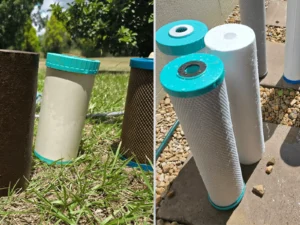
Water is necessary to our daily lives, especially since the human body is 70% water. While a person may last a month or more without food, a week without water can be deadly.
Water is more than just molecules of two parts hydrogen to one part oxygen or H2O. Because virtually all water includes minerals, pollutants, toxins, and microbes, the phrase “pure water” is a relative term. These chemicals may be present at microscopic levels, and they do not always have severe health consequences.
Let’s take a look at some common drinking myths—and why people should stop believing in them:
Myth #1: Drink Eight Glasses of Water Every Day
The eight glass of water statistic is maybe the most widespread misunderstanding. You may have heard as a child that you should drink eight glasses heights of water every day. Until recently, you could have read on health sites that it was still the best practice.
In reality, the number eight cups is arbitrary. In addition, we all have various weights, heights, and physical characteristics. We don’t require precisely eight glasses of water. Aside from our physical disparities, we also have different interests and ages. The amount of water we need each day will also vary.
It does not provide an excuse for skipping that glass of water. When choosing between a glass of filtered water and a cup of coffee, go for the water. Drink filtered water as a better option to make sure you’re drinking water is safe.
Myth #2: Bottled Water Is Your Safest Option
It’s safe to drink bottled water since it’s sealed and filtered by sophisticated procedures. It is also the most convenient, especially when we’re driving or away from home. However, there are certain risks in drinking from plastic bottles. Some contaminants may leak into your water supply, and the sealants or the plastic bottle itself might contain chemicals.
Buying bottled water exposes you to additional enticing drinks (sugary or alcoholic). These beverages are displayed openly. So, instead of water, you could grab sugary drinks, and this alternative can become a habit. Your health and attractiveness suffer as a result.
For these reasons, many homeowners and companies choose a greener, healthier choice. Many of them use whole-house water filter systems that usually come with routine free home water testing. These water filter systems provide pure water so you can eliminate drinking water from plastic bottles.
Myth #3: Only Excessive Sweating Causes Dehydration
People sweat a lot in Brisbane, especially on hot summer days. We may be exercising, working, or just at home. High heat and exercise lead to sweat, which may dehydrate us. However, we lose water in other ways besides sweating. By just inhaling, we “exhale” 400mL of water every day. This number can rise if we exercise or if the weather is scorching.
We lose water even on chilly days, even when the air conditioner is high or max settings. We need to keep hydrated, so never wait for thirst. You should still consume water to replenish your body’s fluids. Our bodies require water to operate correctly, even when we are just sitting at work.
Myth #4: Sports Drinks Better Than Water
Sports beverages are more effectively promoted than water, especially since we see athletes and celebrities with bottles of these beverages daily. We then believe that it is such beverages that drive their performance. As a result, many other athletes and fitness enthusiasts choose sports drinks over plain water as a substitute.
Sports drinks include electrolytes that replenish those lost during vigorous physical exercise. These beverages may also contain sugar to offer energy to the body. These beverages may be an excellent option, especially if you’ve been working out a lot (e.g. after marathons or playing basketball).
When they sweat a lot, though, some people rely exclusively on sports drinks. Drinking a sports drink is not always required, as our bodies can withstand heat and electrolyte loss. If you’re in good health, you simply need a glass of cool, pleasant water to replenish your fluids. You can obtain electrolytes through fruits, vegetables, and common foods.
Conclusion
The importance of clean and filtered drinking water cannot be overstated enough. Our homes should be equipped with proper water filter technology for our protection, going beyond the need for bottled water and sports drinks. Jila Water provides a cost-effective whole-house water system to ensure you wouldn’t have to worry about your basic filtered drinking water needs.
At Jila Water, we provide affordable whole-house water filter systems with free water tests in Brisbane. We pride ourselves on being the best home water filter systems company, providing pure water to many Brisbane and Australian homes and families. Call us now on 1300 30 10 37 or just jump on our website to find out more today at www.jilawater.com.au
What Is a Whole Home Water Filter System, How Does It Work, and Is It Right for Your Home?
Better water at every tap starts with the right whole-home design
Most homeowners do not start by searching technical filter terms. They start by feeling the problem. The shower smells like chlorine. The water tastes a bit off. White marks keep showing up on the glass. Tank water needs more confidence. Or they are simply tired of fixing the kitchen tap while the rest of the home still runs on untreated water. This guide explains the fundamentals; when you are ready to compare real systems, see Jila’s whole house water filter systems for Brisbane, the guide to what size whole house filter you need, and the 2026 cost guide.
I’m James from Jila Water, and that is exactly why I wanted to rebuild this guide properly. A whole home water filter system is not just about drinking water. It is about the water you shower in, wash clothes with, run through your appliances, brush your teeth with, and use every single day across the property.
For Brisbane and SEQ homeowners, the best setup depends on one simple truth: your water source, your frustrations, and your home all matter. Mains water, rainwater tank supply, visible sediment, chlorine smell, scale, or shower comfort can all point to very different treatment needs. That is why the strongest next step is not guessing. It is understanding what is actually happening in your water first.
No pressure. No guesswork. Just clearer advice on what suits your home, your water, and the right whole-home result for the outcome you actually want.
Whole-home focusBuilt for Australian homesBrisbane-based adviceAssessment-first approach
What is a whole home water filter system?
A whole home water filter system, sometimes called a whole house water filter system or point of entry water filter, is installed where water enters the property. Instead of treating one kitchen tap only, it is designed to improve the water moving through the entire home.
That means the system can affect water used in the:
kitchen
showers and baths
bathroom taps
laundry
dishwasher
hot water service
general household plumbing
At Jila Water, we usually explain it this way: an under-sink filter improves one tap, while a whole home water filter system treats the home itself. It is a bigger decision, but it also solves a bigger problem.
That matters because many homeowners are not only worried about what they drink. They are thinking about chlorine smell in showers, sediment reaching fixtures, the feel of their water on skin and hair, scale across appliances, or wanting a more premium day-to-day water experience everywhere rather than at one outlet.
System type
Where it treats water
Best for
Main limitation
Under-sink filter
One drinking water tap
Cooking and drinking water only
Does not improve showers, laundry, bathrooms or plumbing
Shower filter
One shower outlet
Single-shower comfort improvement
Leaves the rest of the home untreated
Whole home water filter system
Water at the entry point to the property
Homeowners wanting cleaner water from every tap
Needs proper system design based on the home and water source
If you are trying to fix more than one symptom, or you want to improve water across the property rather than patch one tap at a time, this is usually where the conversation starts.
Want to know what setup suits your home? Start with a proper look at your water source, your symptoms, and how the home uses water.
A whole home water filter system works by treating water before it spreads through the property. The exact media and treatment stages depend on the home, but the logic is always the same: identify what is causing the problem, then place the right treatment in the right order.
For example, a mains water home in Brisbane may focus on sediment, chlorine, chloramine-related taste and odour, and a better whole-home shower and tap experience. A tank water filtration system might need a very different approach, including sediment control and, in some cases, UV disinfection depending on the water source and risk profile.
Water enters the property. The system is installed as close as practical to the point where water comes into the home.
Stage one catches the larger load. This may include sediment, dirt, rust, or visible particles before they continue through the plumbing.
Stage two and beyond target the real issue. Depending on the design, this could address chlorine taste and smell, general nuisance contaminants, hardness-related issues, or tank-water treatment requirements.
Treated water moves through the home. That includes showers, taps, laundry, bathrooms, and connected appliances.
The important part is this: not every whole home water filter system should look the same. The right solution depends on whether you are on town water or tank water, what you want to improve, household flow demand, and whether you are solving one issue or several. A properly matched whole home water filter system should feel specific to the property, not generic.
That is one reason I do not like one-size-fits-all marketing in this category. A premium whole house water filtration system Australia homeowners can trust should be matched to the property, not sold as a generic box with generic promises.
A premium whole-home install should feel like a considered home upgrade, not a generic add-on.
Why homeowners install them
Most people do not wake up one day and say, “I think I need a point of entry water filter.” They say things like:
“The shower smells like a pool.”
“Our water tastes flat or chemical.”
“The tapware never stays clean.”
“We are on tank water and want more confidence.”
“We want better water across the whole house, not just one sink.”
In Australia, treated town water is managed under the Australian Drinking Water Guidelines, and chlorine is commonly used in treatment and disinfection. The guideline framework is there for safety, but many homeowners still choose filtration to improve the way water tastes, smells, and feels in daily use.
For tank water, the conversation changes again. Queensland Health advises that where reticulated town water is available, that is the safest and most reliable source for drinking, and tank water systems need proper design, maintenance, and risk awareness. That is why a tank water filtration system should never be treated like a copy-and-paste version of a mains water setup.
From my side, the strongest reason people install complete home filtration is simple: they want the water experience of the home to improve everywhere, not just in one glass.
Every tap matters
Whole-home thinking goes beyond the kitchen sink. It looks at bathrooms, showers, laundry, appliances, plumbing, and the overall daily comfort of living with your water.
Mains water vs tank water: why the right system depends on the source
One of the biggest mistakes in this market is talking about water filtration as if every home has the same water. It does not.
Mains water homes
For many Brisbane and SEQ homes on town water, the conversation often centres on:
chlorine smell or stronger chemical feel
taste and odour concerns
sediment or nuisance particles
daily shower comfort
wanting a premium whole home water filter benefits upgrade across the property
Town water can still be compliant and safe while not being the most enjoyable water to live with. That is where a mains water filtration system or complete home filtration setup can make sense.
Tank water homes
Tank water is different. The risk profile can depend on roof catchment, maintenance, debris load, animal access, environmental conditions, and how the tank system has been set up. Queensland Health publishes guidance on rainwater tanks, tank hygiene, mosquito-proofing, and risk management for households using stored water.
That means a tank water filtration system may need more than one simple cartridge. Depending on the property, it could involve staged sediment removal, specialised media, and UV disinfection to support a safer and more practical household supply.
This is exactly why the best system is never chosen by keyword alone. It is chosen by matching treatment to the real source water and the real problems in the home.
Signs you may need a whole home water filter system
Most households start here. Not with the technical side. With the symptoms.
Bathroom signs
Strong chlorine smell when the shower heats up
Dry-feeling skin or rougher-feeling hair after showering
Marks on shower screens, taps, or tiles that keep coming back
Kitchen and drinking water signs
Water that tastes flat, stale, metallic, or chemical
Tea, coffee, and cooking water that never feels quite right
Ongoing dependence on bottled water because the tap is not enjoyable
Appliance and plumbing signs
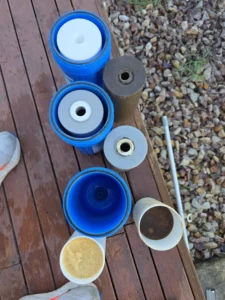
Sediment buildup, dirty cartridges, or visible particles
Scale or residue on fixtures and connected appliances
Wanting better support for hot water systems, dishwashers, and laundry use
Tank-water confidence signs
You use rainwater and want better treatment confidence
You are unsure whether your current setup is actually appropriate
You want a cleaner, more professionally designed treatment path for the whole property
If two or three of those sound familiar, it is usually worth looking at a home water filtration system that solves the issue at the entry point rather than continuing to patch symptoms around the house.
Not sure whether your issue is chlorine, sediment, tank water risk, or something broader?
Whole home water filter system vs under-sink filters
This is one of the most important comparisons on the page because it matches the actual decision people are making.
An under-sink filter can be a good fit when the goal is limited to one tap for drinking and cooking. But if your frustration lives in the shower, on the tapware, across the bathrooms, in the laundry, or in the overall feel of the home’s water, an under-sink unit will never fully solve that problem.
Question
Under-sink filter
Whole home water filter system
Improves drinking water?
Yes
Yes, as part of broader whole-home improvement
Improves shower water?
No
Yes
Helps water used in laundry and bathrooms?
No
Yes
Protects the whole-home water experience?
No
Yes
Best for
Single tap treatment
Homeowners wanting a complete solution
That is why many people start with one filter and later realise they still have the same shower problem, the same cleaning frustration, and the same “rest of house” issue. A whole house water filter system answers a bigger question: what is the water like everywhere?
Installation matters more than most pages on the internet admit.
A premium system is not only about filter media. It is also about correct location, correct flow handling, correct treatment order, serviceability, protection from the elements, and whether the final result feels like a serious home upgrade rather than an exposed afterthought.
As a rule, a whole home water filter system is installed at, or immediately after, the point where water enters the property so it can treat the supply before it spreads through the home.
Good design also looks at:
water source: mains, tank, rural, or mixed use
flow demand and household size
contaminants or nuisance issues you are trying to address
service access and ongoing maintenance practicality
whether you need broader complete home filtration, a water softener stage, UV, or a simpler setup
This is why I push assessment-first advice so hard. A point of entry water filter should be matched to how the home actually lives, not guessed from a generic online comparison table. The right whole home water filter system is the one built around your real water and your real home.
For many homeowners, the biggest win is not only drinking water. It is how the water feels in everyday showers and bathrooms.
Benefits of a whole home water filter system
The benefits depend on the source water and the problem you are solving, but these are the main reasons homeowners choose a premium whole-home setup.
1. Better water at every tap
You are not relying on one isolated outlet. The whole property can benefit from a cleaner water experience.
2. Better shower and bathing experience
For many households, this is the real win. The shower is where poor-feeling water becomes impossible to ignore day after day.
3. Improved taste and odour confidence
Where chlorine smell, stale taste, or general water unpleasantness are part of the issue, a properly designed system can improve the overall day-to-day experience.
4. Support for plumbing, fixtures, and appliances
Managing sediment and broader nuisance issues earlier in the line can be part of a smarter whole-home approach.
5. A premium, long-term home upgrade
The right system should feel intentional. It should look right, be installed properly, and match the quality of the home it protects. A premium whole home water filter system should feel like a genuine home upgrade, not an add-on compromise.
6. One clearer path instead of multiple add-ons
Rather than adding a shower filter here, a jug there, and an under-sink system later, many homeowners prefer a more complete answer from the start.
The best next step
A real recommendation comes from understanding the property, the household, and the actual water issues rather than guessing from one symptom alone.
Myth 1: “If town water is treated, there is no reason to filter it.”
Treated water can still leave homeowners wanting a better taste, better smell, better shower feel, and a better overall home water experience. Safety and preference are not the same conversation.
Myth 2: “Any whole home water filter system will do the same thing.”
Not true. The right system depends on the water source, the treatment objective, the flow rate, and whether you are solving one issue or several.
Myth 3: “An under-sink unit is basically the same thing.”
It is not. One treats a tap. The other treats the home.
Myth 4: “Tank water can be treated like mains water.”
This is a major mistake. Tank water can require a different treatment path and stronger attention to risk, maintenance, and source quality.
Myth 5: “Buying online is the same as getting the right design.”
Product shopping and proper system design are not the same task. The stronger move is to work backwards from the water problem and the home, then choose the equipment that actually matches it.
Who benefits most from a whole home water filter system?
This type of system often makes the most sense for:
Homeowners frustrated by chlorine smell or harsh-feeling shower water
Families wanting better water from every tap, not just one sink
Tank water households wanting a more considered treatment path
People tired of sediment, staining, residue, or poor day-to-day water feel
Homeowners wanting a premium-looking, professionally installed home improvement
Anyone comparing piecemeal filters versus a complete home filtration upgrade
If that sounds like your situation, the goal should not be buying the fastest advertised product. It should be getting clarity on what your home actually needs. Once you know that, choosing the right whole home water filter system becomes much easier.
No pressure. Just a clearer path to better water at every tap with the right whole home water filter system.
Frequently asked questions
What is a whole home water filter system?
A whole home water filter system is installed where water enters the property so it can treat water before it moves through the house. It is designed to improve water used across showers, bathrooms, kitchen taps, laundry, and more.
What is the difference between home filtration and whole home water filtration?
Home filtration can mean anything from a jug filter to a full-property system. Whole home water filtration treats water for the house more broadly, rather than just one outlet such as the kitchen sink.
What does a whole house water filter system do?
It helps address water issues at the entry point to the home. Depending on the design, that can include sediment control, chlorine and odour reduction, nuisance water issues, and treatment matched to the source water.
Is a whole home water filter system better than an under-sink filter?
They solve different problems. An under-sink filter is for one outlet. A whole home water filter system is for homeowners wanting improvement across the entire property.
Can a whole home water filter system improve shower water?
Yes. Because the system treats water before it moves through the property, it can improve the water feeding showers, bathrooms, and other outlets throughout the home.
Do Brisbane homes need whole-home filtration?
Not every home needs the same setup, but many Brisbane homeowners choose complete home filtration because they want better taste, smell, shower comfort, or broader protection across the home rather than at one tap only.
Is a tank water filtration system different from a mains water system?
Yes. Tank water can require a different treatment path, including stronger sediment management and, in some homes, UV disinfection or other specialised treatment depending on risk and source conditions.
Where is a whole home water filter system installed?
It is generally installed at or near the point where water enters the property so it can treat the supply before it reaches showers, taps, laundry, and appliances.
What are the main benefits of whole-home filtration?
The biggest benefits are cleaner water at every tap, better shower comfort, improved taste and odour confidence, support for a better overall home water experience, and a more complete solution than piecing together small filters.
How do I know what system is right for my home?
The strongest place to start is a proper home water assessment. That helps match the treatment approach to your water source, your concerns, and how the property actually uses water.
What is the next step with Jila Water?
Book a free home water assessment. We can look at your water source, your symptoms, and the best complete home filtration path for your property with no pressure and no obligation.
Take the next step
Find out what is actually happening in your water before you buy anything.
If you are comparing a whole home water filter system, a whole house water filter system, under-sink filters, or tank water treatment options, the smartest first move is to stop guessing and start with a proper look at the home.
Discover the dangers of drinking tap water with fluoride and why a complete home water filtration system is crucial. Learn how to safeguard your health and remove fluoride from your drinking water
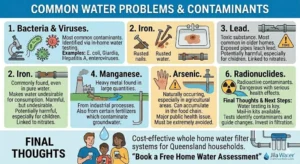
Water testing helps Brisbane and SEQ homeowners understand what may be affecting their tap, tank or bore water before choosing a filtration system. This guide explains common contaminants, water quality warning signs, and when to book a free Jila Water home water assessment.
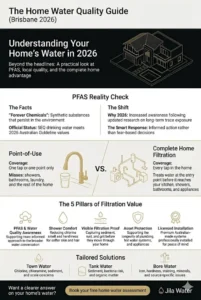
Concerned about PFAS in Brisbane water? This practical 2026 guide explains what homeowners need to know, what current Australian advice means, and where complete home filtration fits.
Whole House Water Filter Installation Guide Home › Blog › Whole house water filter installation guide Whole House Water Filter Installation Guide for Australian Homes:
While some say it’s okay for hydration, others counter it by saying it’s a dangerous way to refresh.
Over the years, water companies have improved tap water by removing contaminants that may cause it to go wrong. However, leaks and spills in the pipelines are still a significant concern for most people. On top of that, the taste and smell of chlorine are off-putting for some.
If you want to stay healthy without going dry, buying filtered water should be at top of your priorities on the shopping list. But aside from its health benefits, what does filtered water have to offer? Why should you switch to filtered water in cooking?
1. Meals Taste Better
Filtered water goes a long way towards improving the taste of everything—from cooking to beverages. As the water goes through multiple filtration steps, the process removes the unpleasant taste in tap water. The filtered water will taste nothing like metallic chlorine as the process releases its authentic taste.
Using filtered water when cooking adds the fresh flavor of clean water to every meal you’re cooking. If your cooking tasted good before, it should taste best after switching.
2. Meals Look Better
Aside from food tasting better, filtered water can add that refreshing glow to meals. It produces more visually appealing meals which all family members can enjoy.
Chlorine in tap water causes the colours in meat and vegetables to diminish, bleaching the food before you can eat it. Your meals can look more appetizing if you use water from which the chlorine has been removed.
3. Bread Rises Better
For people who bake instead of cook, filtered water also offers benefits. If you’re a keen bread baker, it’s time to take your baking skills to the next level by using filtered water. The effect of filtered water in baking is that it makes the dough rise higher and faster.
Chlorine, once again, along with other impurities, affects how yeast rises the dough. They can lead to distorted gluten structures and half-risen loaves, especially in sourdough. However, the issue was found to have a simple solution using filtered water. Most restaurants insist on using filtered water in all yeast recipes.
4. It’s a Healthy Source
While it’s great to understand the benefits we get from filtered water in cooking, it’s also notable to state what drinking filtered water does to our bodies directly. Not all additions to tap water are bad. Drinking it still provides benefits like vitamins and minerals which we need for our health.
Water treatments can diminish these benefits. The chemicals in water treatment can break down these vitamins and minerals until there is nothing left for our body to absorb. Meanwhile, filtering water does not include the use of harsh chemicals, which allows vitamins and minerals to remain.
5. Say Goodbye to Unhealthy Cooking
If your goal is to produce healthier meals, filtered water is the first step in achieving that goal. Filtered water provides vitamins and minerals that our bodies need without the harsh chemicals used to treat tap water. Try it out and notice the difference after a few weeks.
Conclusion
Switching to filtered water is not expensive. There are many filtration systems for people to use in their own homes. There is no need to get refills constantly as all you need is a whole house water filtering system that does all the work for you. Say goodbye to unhealthy living and hello to clean, safe drinking water.
Are you planning to switch to filtered water? Would you like to find out more about Whole House Water Filtration Solutions? Then Jila Water can offer you an affordable water filter system for daily use throughout your entire home.
Visit our website today and request us to come and test your Brisbane Homes Water at no charge. During this visit, we will also give you a number of recommendations and solutions for you and your Brisbane Home’s needs.
Home › Blog › the benefits of cooking with filtered water
Drinking water in the Brisbane usually is free of most pathogenic microorganisms that cause serious illnesses, such as typhoid, dysentery and cholera.
If you want every tap covered rather than one outlet, whole house water filtration treats the water where it enters the home.
While water chlorination eliminates most waterborne contaminants, problems remain.
Disinfected but unfiltered water can contain large amounts of chlorine and related by products that negatively affect health, as well as the taste of the water.
If unfiltered water is used in cooking, those chemicals also affect the taste of foods and drinks we consume.
Some of the advantages of cooking with filtered water include: Better tasting coffee and tea More appetizing food – chlorinated water can cause cooking water to taste odd, which can affect food, such as pasta.
Chlorine also can affect food color.
Tastier homemade bread – chlorine can affect yeast, which is a particular problem in sourdough recipes.
Cleaner fruits and vegetables – washing produce in filtered water prevents contamination with chlorine and related by products.
Consider a Jila Water Whole House Water Filter System an affordable and effective solution to ensure drinking water is purer and with less chlorine for cooking is a Jila Water Whole House Water Filter System.
This water tastes great, is great for cooking and makes hair and skin soft.
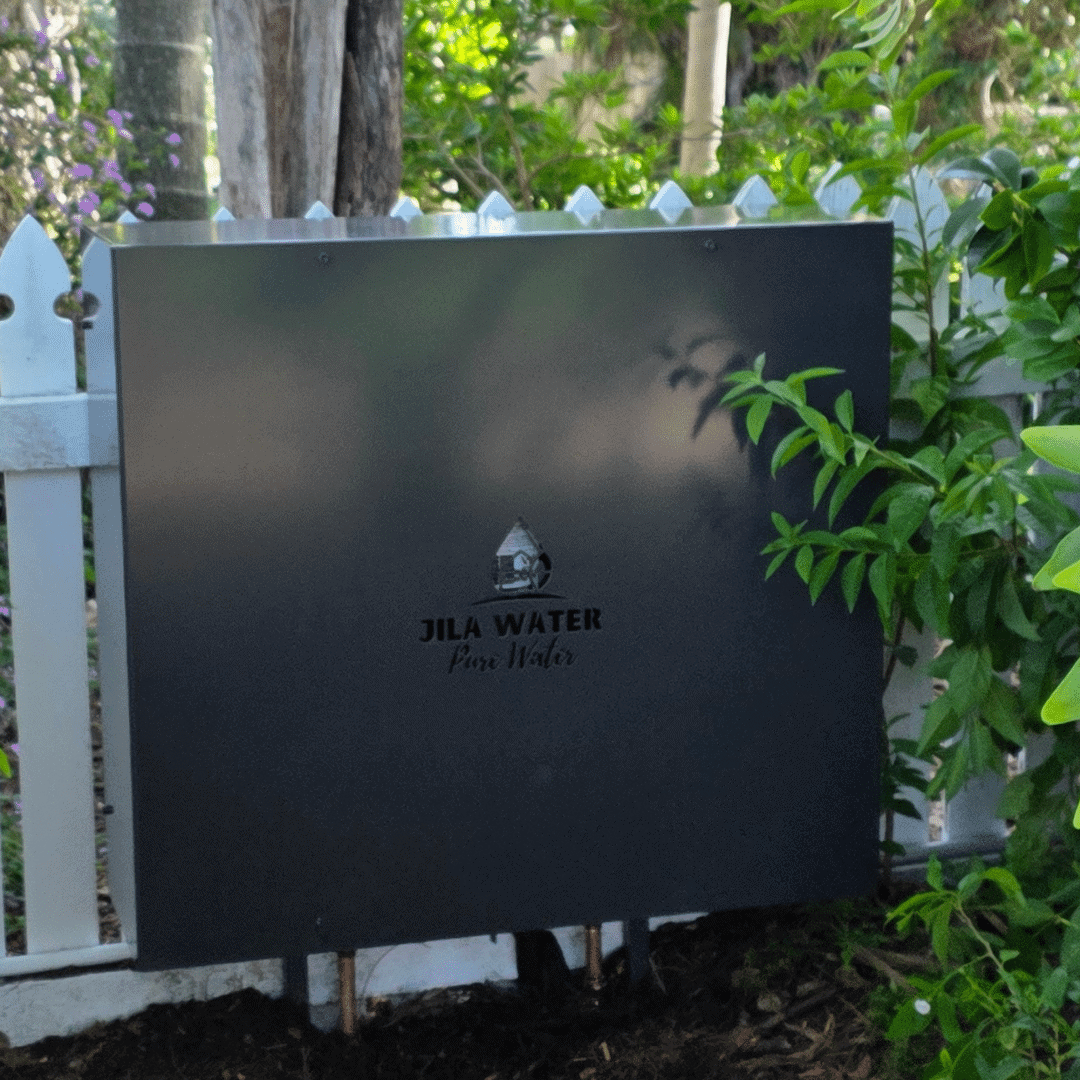
Our Whole House Water Filter Systems feature leading 4-stage water filtration technology: a 5-Micron Pre-Filter System that removes particulates down to five microns in size.
They also feature Granular Activated Carbon Medias (GAC) that removes virtually all traces of chlorine and contaminants from drinking water.
It also is extremely cost effective, requiring minimal maintenance.
For purer and cleaner water for cooking, you should choose to contact us here at Jila Water and look into your options and see if the Jila Water Whole House Water Filter System could work for you and your family.
Are you thinking of filtering your water at home? Then why not use one of the best whole house water filter systems in Australia? Our Jila Water filter system removes chlorine and other chemical tastes, odours plus dirt, sediments making water cleaner, clearer, and safer for your whole house. Request a free water test today!