
Tag: Chlorine

  • Filter vs Tap Is Drinking Filtered Water Safe for Children

    Filter vs Tap Is Drinking Filtered Water Safe for Children

    Filter vs Tap Is Drinking Filtered Water Safe for Children

    A regular person cannot live for longer than five days without water. A person cannot maintain body temperature without water, which may result in dehydration. While it may be manageable for adults, children can be prone to more severe consequences.

    Although tap water is safe for children, filtered tap water is much preferable. Part of it is due to the water source’s location. For this reason, where it’s found has a significant impact on the quality of accessible drinking water.

    What’s the Danger with Tap Water?

    You have to be cautious about your water intake since there is a recent discovery that showed tap water contains microplastics. As such, drinking from tap water directly is not recommended for babies less than six months.

    Depending on the environment, many procedures and treatments may be employed to treat water. For example, boiling minimises the likelihood of sickness caused by contaminated water.

    For this reason, it’s necessary to bring the water to a boil when making milk formula. This procedure simply eliminates bacteria from the water. However, boiling doesn’t remove other pollutants in the water. This is why installing water filters is an excellent way to remove impurities, including chemicals, germs, radioactive particles, etc.

    Untitled-design-21-opt

    Why Does Water Need Filtering?

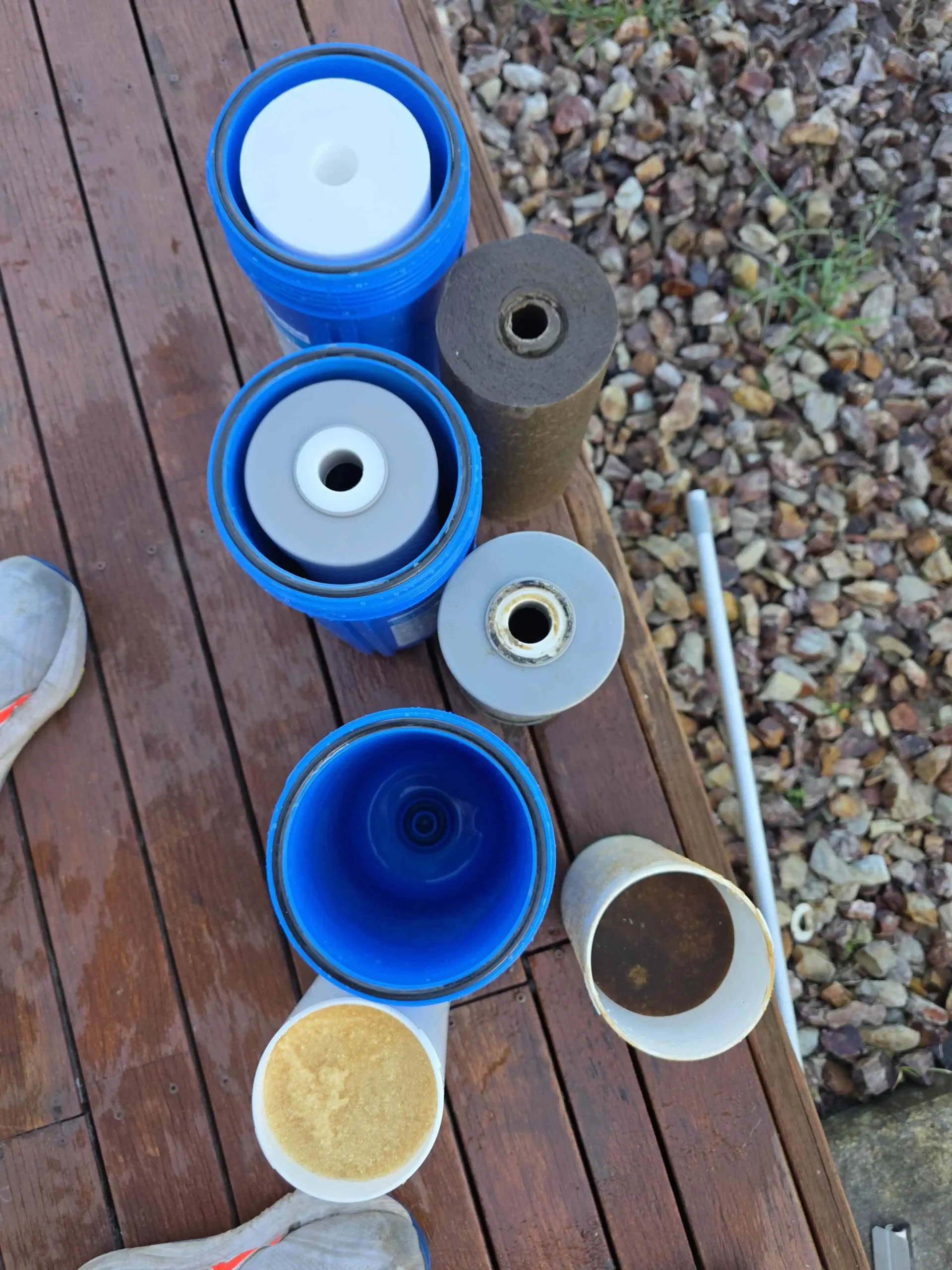
    UV Light Treatment, Reverse Osmosis Filtration, and Filtration Process are standard procedures used in in-house filtration systems. Sedimentation, disinfection, flocculation, and other filtering procedures are used to cleanse water.

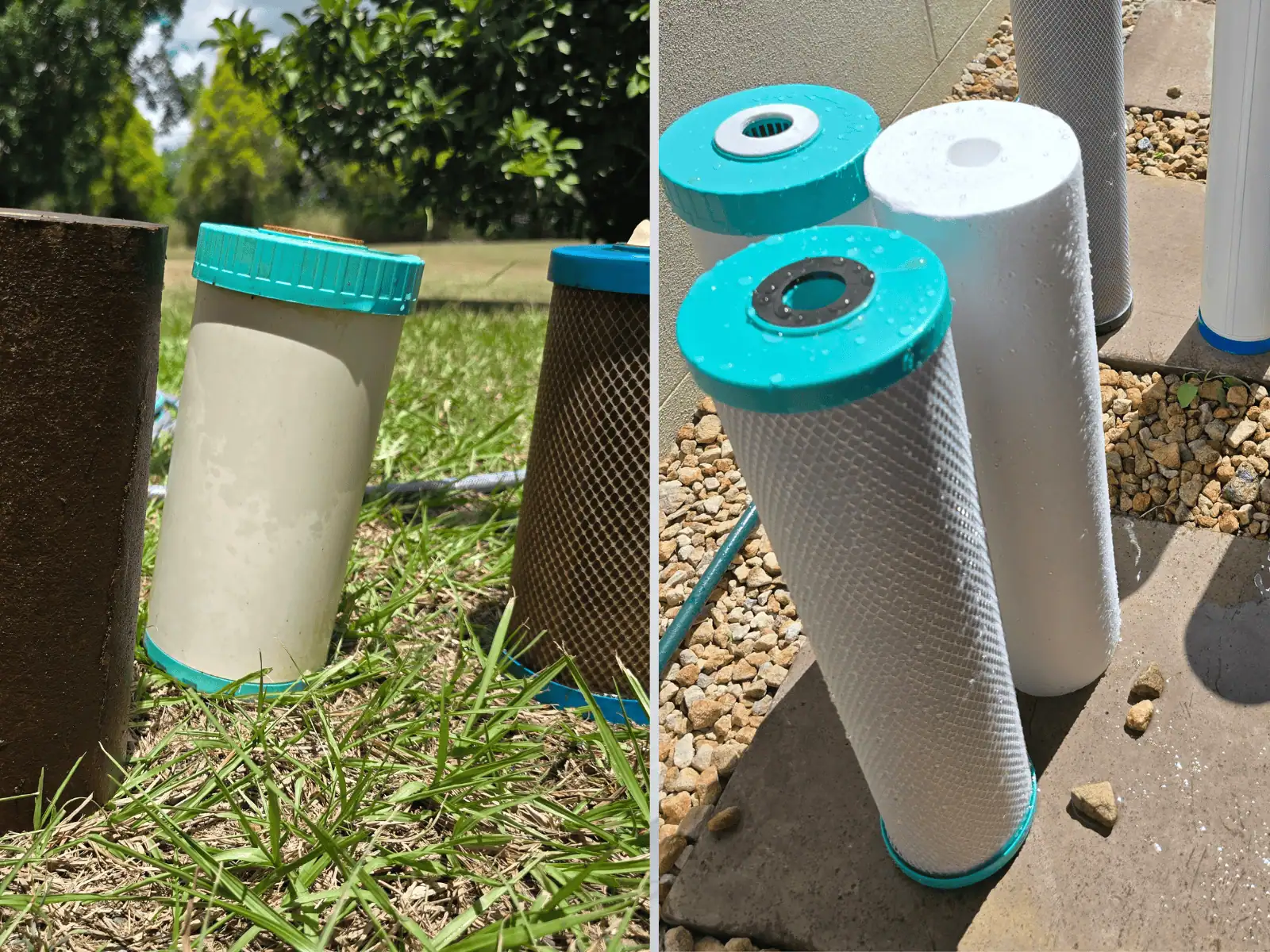
    Water purification using filters may eliminate pollutants and impurities that might be dangerous to children. It also alters the flavour of water, which might be unpleasant due to chemicals or organic materials. Various filter systems, such as iron water filters or reverse osmosis systems, may be installed in-house to purify tap water further.

    Don’t take any risks with your kids’ health! They have the potential to be more susceptible than adults. Provide them with safe, filtered drinking water to reduce the chance of infection. However, make sure you obey the requirements and keep the water filtration system in working order.

    Why Should Every Family Use Only Filtered Water?

    Children should consume a diet rich in fruits and vegetables, low-fat meals, and regular exercise to ensure their health. To maintain good health, children must have access to safe drinking water that doesn’t contain any toxins that might hurt them. It’s hard to think of anything more essential than protecting the health of our children and grandchildren.

    Filtered drinking water has several benefits for your family. This includes the following:

    Removal of Lead Content through Filtration

    When taken in large amounts, lead has been shown to have harmful effects on human health. Thankfully, a filtration system gives an additional degree of protection to guarantee the removal of dangerous lead particles from the public water supply.

    Big Improvement in Taste

    An effective water filtration system removes many toxins in your water that treatment facilities may have overlooked. Those who like water that tastes cleaner and purer are more likely to drink it. They will prefer drinking water instead of sugary soda if your kids like its taste.

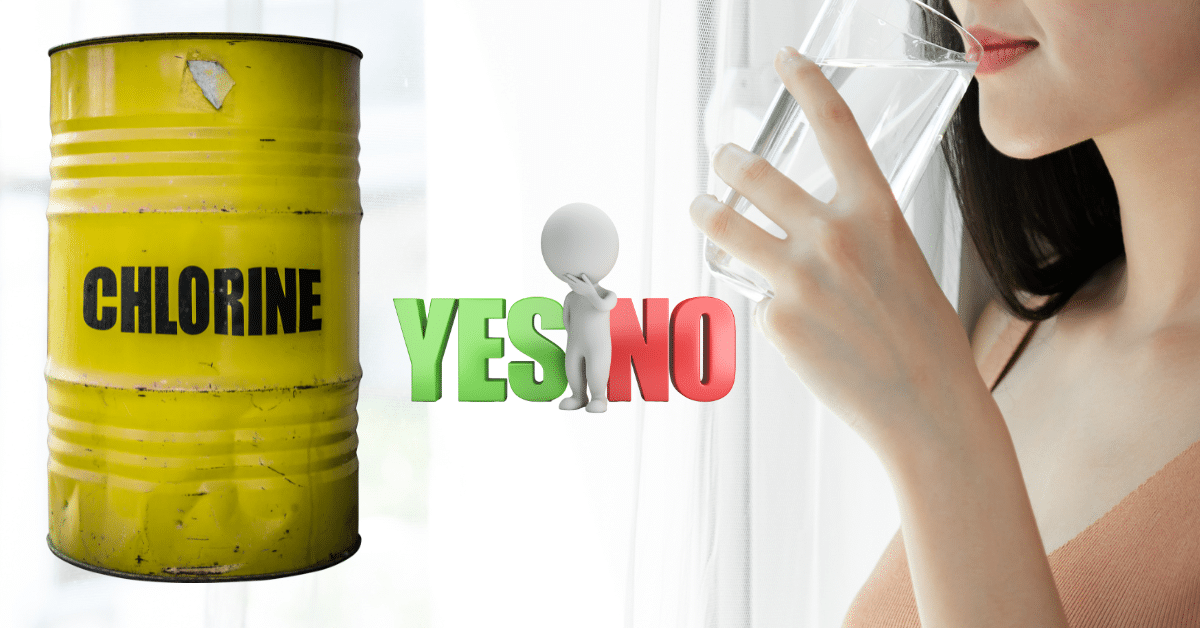
    Chlorine is also removed from drinking water using water filters. Chlorine is the most common cause of a bad taste in municipal water. The water tastes better, and the kids are more willing to drink it once it has been treated to eliminate the chlorine.

    Children’s Safety and Wellbeing Is Safeguarded

    Babies and young children are susceptible to the infections and disorders that waterborne contaminants may transmit. With a proper water filter, most harmful toxins are eliminated, ensuring the safety of your family’s youngsters.

    Conclusion


    A high-quality water filtration system has probably been independently tested for your tap water. It would reduce danger and improve long-term health. Because removing all risk is impossible, safety is about reducing risk to a tolerable level. With a water filtration system, you get to invest in a simple and cost-effective way to improve your water and your family’s health.


    You can always discover a filtration system that is simple to set up in your house. However, if you are unsure how to accomplish this, you can always locate specialists to assist you in ensuring that you have better water at home.


    Jila Water is one of the home water filter industry leaders. We can help you install the best water filtration system in QLD, so you can have a sense of peace that you and your family are safe from water contamination. Contact us as soon as possible so that we can organize a free home water testing. 

    Facebook
    Twitter
    LinkedIn
    Pinterest
    On Trend

    Most Popular Stories

  • 3 Benefits Whole House Water Filter Systems Provide

    3 Benefits Whole House Water Filter Systems Provide

    3 Benefits Whole House Water Filter Systems Provide

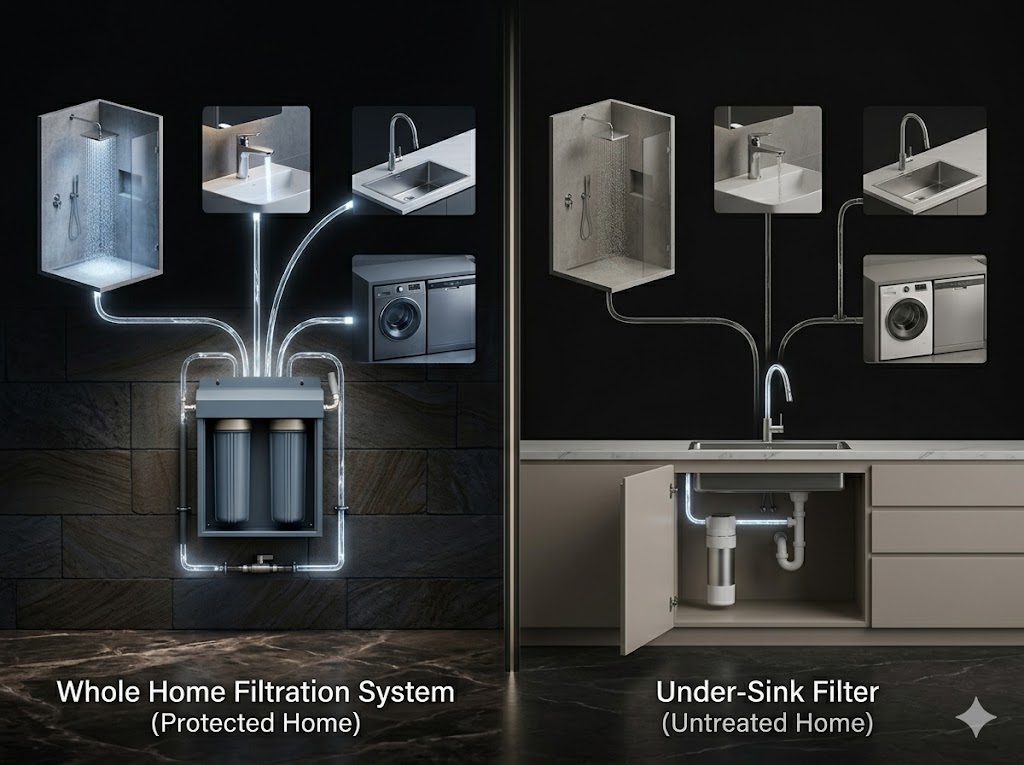
    A whole house filter system essentially filters all the water that will be coming into your house. It doesn’t matter whether it’s water you’ll be drinking or water for the toilet. Whatever purpose the water will be used for, the whole house filtration system will remove any debris or contaminants before they can get to you.

    However, some homeowners may still be hesitant to get whole house water filter systems for their homes. The main concern seems to be the potential to reduce the water pressure. However, any significant reduction can be avoided through proper installation. Plus, you will find that the benefits certainly outweigh the cons.

    Environmentally Friendly Whole house water filtration

    Environmentally Friendly

    One of the primary benefits of a whole house water filtration system is its environmental impact. With filtered water running in your home, you can significantly reduce your personal plastic usage. This is because you will no longer need to purchase water bottles. This may not seem that much, but through time the number of water bottles you purchase will add up. And without realizing it, you’ve disposed of many plastic bottles to get clean drinking water. However, with this simple switch to filtered water, you can do your part in saving the environment.

    Cost-Effective

    Whole house water filter systems can also lead to monetary savings. You see, these systems can slow down the wear and tear your plumbing system experiences. This means less damage and, more importantly, fewer repair expenses. Your whole house water filter system can also lengthen the life of some of your appliances that are attached to the plumbing system. And as mentioned above, a whole house water filter also means fewer water bottles to spend on.

    Healthier

    With a whole house water filter, you’ll no longer need to worry about drinking contaminated water. Since the filter system makes sure to remove any contaminants, you’ll have easy access to safe drinking water.

    But aside from the water you drink, you also have to consider the water you use to bathe or shower in. People think that it’s okay to shower or bathe in any type of water as long as it looks clean. However, that is not always the case.

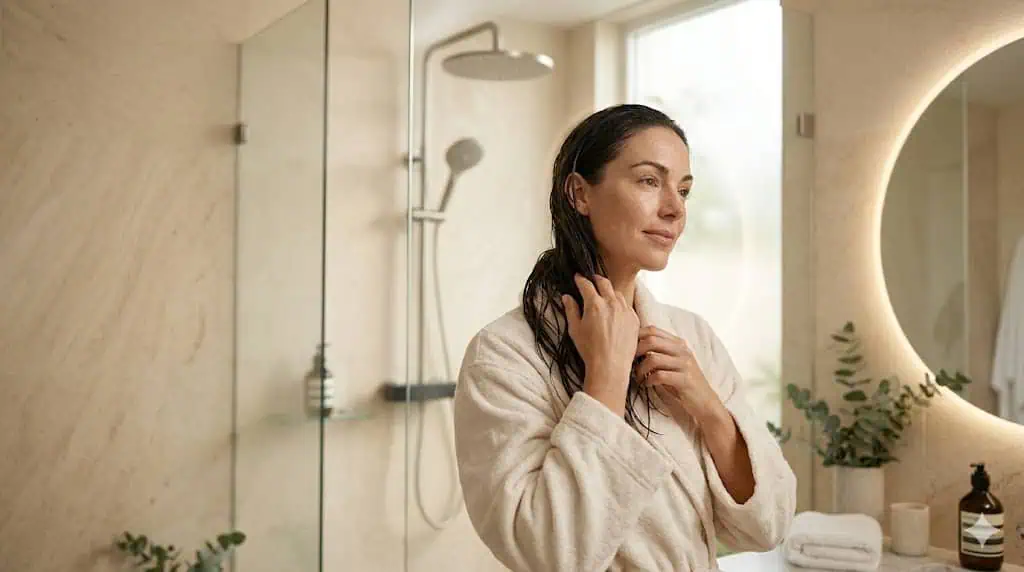
    You see, your skin will still be affected by the water you use to wash your body with. And if this water contains harmful contaminants, your skin will be absorbing it. For example, if the water has even small traces of chlorine, it could lead to dry and irritated skin. So the water from your whole house water filtration system can actually be healthier for your skin and body.

    Healthier skin and hair with whole home water filtration

    In Summary

    Whole house water filter systems can provide many benefits for your home. Primarily, it ensures whatever water is coming into your home is free from contaminants and debris. This means you not only get safe drinking water but also water that is safe for your skin during bath time. Whole house filtration systems can also be more environmentally friendly and provide you with greater monetary savings. It can prolong the life of some of your appliances and slow down the wear and tear of your plumbing system.

    Get filtered water throughout your home with the help of Jila Water. We provide cost-effective whole house water filter systems in Australia. Thanks to Jila Water, you can have clean, fresh water throughout the house for the same price to maintain a standard fridge filter. Book a free water assessment today!

    Jila Water Pure Water For You & Your Family

    Like this article?

    Share on Facebook
    Share on Twitter
    Share on Linkdin
    Share on Pinterest

    Leave a comment

    Like To Know What Are You Drinking

  • 4 Myths about Drinking Water to Stop Believing in

    4 Myths about Drinking Water to Stop Believing in

    4 Myths about Drinking Water to Stop Believing in

    4 Myths about Drinking Water to Stop Believing in

    4 Myths about Drinking Water to Stop Believing in

    Water is necessary to our daily lives, especially since the human body is 70% water. While a person may last a month or more without food, a week without water can be deadly.
     
    Water is more than just molecules of two parts hydrogen to one part oxygen or H2O. Because virtually all water includes minerals, pollutants, toxins, and microbes, the phrase “pure water” is a relative term. These chemicals may be present at microscopic levels, and they do not always have severe health consequences.
     
    Let’s take a look at some common drinking myths—and why people should stop believing in them:
     

    Myth #1: Drink Eight Glasses of Water Every Day

     
    The eight glass of water statistic is maybe the most widespread misunderstanding. You may have heard as a child that you should drink eight glasses heights of water every day. Until recently, you could have read on health sites that it was still the best practice.
     
    In reality, the number eight cups is arbitrary. In addition, we all have various weights, heights, and physical characteristics. We don’t require precisely eight glasses of water. Aside from our physical disparities, we also have different interests and ages. The amount of water we need each day will also vary.
    It does not provide an excuse for skipping that glass of water. When choosing between a glass of filtered water and a cup of coffee, go for the water. Drink filtered water as a better option to make sure you’re drinking water is safe.
     

    Myth #2: Bottled Water Is Your Safest Option

     
    It’s safe to drink bottled water since it’s sealed and filtered by sophisticated procedures. It is also the most convenient, especially when we’re driving or away from home. However, there are certain risks in drinking from plastic bottles. Some contaminants may leak into your water supply, and the sealants or the plastic bottle itself might contain chemicals.
     
    Buying bottled water exposes you to additional enticing drinks (sugary or alcoholic). These beverages are displayed openly. So, instead of water, you could grab sugary drinks, and this alternative can become a habit. Your health and attractiveness suffer as a result.
     
    For these reasons, many homeowners and companies choose a greener, healthier choice. Many of them use whole-house water filter systems that usually come with routine free home water testing. These water filter systems provide pure water so you can eliminate drinking water from plastic bottles.
     

    Myth #3: Only Excessive Sweating Causes Dehydration

     
    People sweat a lot in Brisbane, especially on hot summer days. We may be exercising, working, or just at home. High heat and exercise lead to sweat, which may dehydrate us. However, we lose water in other ways besides sweating. By just inhaling, we “exhale” 400mL of water every day. This number can rise if we exercise or if the weather is scorching.
     
    We lose water even on chilly days, even when the air conditioner is high or max settings. We need to keep hydrated, so never wait for thirst. You should still consume water to replenish your body’s fluids. Our bodies require water to operate correctly, even when we are just sitting at work.
     

    Myth #4: Sports Drinks Better Than Water

     
    Sports beverages are more effectively promoted than water, especially since we see athletes and celebrities with bottles of these beverages daily. We then believe that it is such beverages that drive their performance. As a result, many other athletes and fitness enthusiasts choose sports drinks over plain water as a substitute.
     
    Sports drinks include electrolytes that replenish those lost during vigorous physical exercise. These beverages may also contain sugar to offer energy to the body. These beverages may be an excellent option, especially if you’ve been working out a lot (e.g. after marathons or playing basketball).
     
    When they sweat a lot, though, some people rely exclusively on sports drinks. Drinking a sports drink is not always required, as our bodies can withstand heat and electrolyte loss. If you’re in good health, you simply need a glass of cool, pleasant water to replenish your fluids. You can obtain electrolytes through fruits, vegetables, and common foods.
     

    Conclusion

     
    The importance of clean and filtered drinking water cannot be overstated enough. Our homes should be equipped with proper water filter technology for our protection, going beyond the need for bottled water and sports drinks. Jila Water provides a cost-effective whole-house water system to ensure you wouldn’t have to worry about your basic filtered drinking water needs.
     
    At Jila Water, we provide affordable whole-house water filter systems with free water tests in Brisbane. We pride ourselves on being the best home water filter systems company, providing pure water to many Brisbane and Australian homes and families. Call us now on 1300 30 10 37 or just jump on our website to find out more today at www.jilawater.com.au
    Share this post
  • What’s the Micron Level of your whole house water filter system

    What’s the Micron Level of your whole house water filter system

    What’s the Micron Level of your whole house water filter system

    What's the Micron Level of your whole house water filter system
    Hey everybody, James again from Jila Water, we’re talking about microns.
     
    We get a lot of questions from Brisbane homeowners that refer to microns. What is and why is it so crucial in water filtration systems? So today, we’re going to dive into that a little bit to help you understand what a micron is firstly and then explain what we mean by a unit of measure. So when we’re looking at getting rid of particulate in a water supply, for example, We go through a series of filter cartridges; these are sediment cartridges, typically that we’re doing dealing with particulate can have a specific size to it.
     
    And depending upon the load of particulate in the water that you’re filtering, we might want to use a specific micron-rated filter so that we capture that stuff before it goes downstream. A sediment filter is kind of like your screen door at home. We want to get the airflow, but we don’t want the flies.
     
    So we have a mesh that stops the flies but allows the air to flow through. Well, a sediment filter works the same way except for the debris, and the particulate that we’re trying to get out is a lot smaller. So when we get below a level of 35 microns, that’s when we’re not going to be able to see it without a microscope to help us.
     
    So a filter that is rated to remove debris three at 25 or 20 or 10 microns, as you can imagine, that’s getting pretty small, and these filters are almost. Silent, except, they have a specific poor structure that allows the water to flow through but captures that particulate at that particular site. So the question is, what’s the best filter or what’s the best micron size filter for me?
     
    What, should I use? Well, that’s going to depend on your water supply. For example, suppose I’m treating well water. Typically, I’m going to expect some dirt and debris to come out of that. Well, water. Usually, we would start with maybe a 20 micron there, but the thing to always keep in mind with this type of filtration is every water supply every well is going to be doing.
     
    It’s going to be different, even on an invisible supply. Brisbane is a great example where that dirt and debris are super fine. Well, in Brisbane, we’re going to want to filter. That might even be down to one micron, like what’s found in the Jila Water whole house water filter systems, to capture all of that fine particulate. So there’s a little bit, it’s going to vary from place to place.
     
    Another consideration for a micron-rated filter will be, are you what you’re trying to get out of them? A lot of times, we’re, uh, protecting our household from cysts. Cysts are parasitic bacteria that can wreak havoc with you and make you very, very sick. Most local councils and water suppliers worked very hard to keep that out of your water supply.
     
    Cysts can get into the city’s water supply. So it’s good to have a whole house water filter system from the point of view. That is rated for cyst reduction and typically has a micron rating of one or less, but the filter should also be tested and certified for that SIS reduction. So a question comes up a lot about pressure drop. The pressure drop refers to what pressure is going into the filter versus how much pressure is coming out.
     
    The filter. And the difference is pressure drop. So anytime you’re going to flow water through some media, like, this blown metal filter or, or a resin bonded filter, as you can imagine, there’s going to be a level of restriction. So the water is going to have a little bit of restriction going through the filtration media.
     
    Now from a sediment filter standpoint, that pressure drop is how we determine it’s when it’s time to change the filter because it’s collected enough to breathe. So that pressure drop has increased out of the box. Typically there’s not a lot of pressure drop through these when that pressure drop gets bigger.
     
    That’s a good indication that we’ve collected enough dirt on the filter that it’s now becoming more and more restricted. And we’re losing pressure. Another thing to look for in terms of micron rating is the terms nominal and absolute. Most filters are going to be nominal, but you can buy them. The difference is nominal would be associated with the word about, so a nominally rated filter, uh, will have a plus or minus factor.
     
    It will allow a certain percentage of, let’s say it’s a five-micron filter. It’ll allow a portion of five-micron debris through an absolute filter that is over 95% efficient, which means it’s not going to let hardly any of that micron rating through. So very simply nominal is about and, the absolute is what it is when it comes to filtering ratings.
     
    So if you have an instance where you have to get a certain level of debris out of the water, you might want to look at an absolute filter over a nominally rated filter. Well, that’s all I’ve got on micron-rated filters fitted to all of our Jila Water Whole House Water Filtration Systems.
     
    So remember when fitting a whole house water filter system to your home ask the experts and get the right system and micron for your family’s needs.
    Share this post
  • Chlorine dosing, What is it, and is it in our water?

    Chlorine dosing, What is it, and is it in our water?

    Chlorine dosing, What is it, and is it in our water?

    Chlorine dosing, What is it, and is it in our water?

    Chlorine dosing is intended to establish free chlorine residual in a water distribution system.

    A free chlorine residual is effective against most bacteria (including Legionella), harmless to humans (when within guideline values), and can be used in hot, warm, and cold water distribution systems.
     

    Important

     
    Important Chlorine dosing introduces new risks into your water distribution system and should be carefully considered prior to any installation and/or operation.
     
    Chlorine is a powerful oxidizing agent and concentrated chlorine solutions should be handled and used with appropriate containment by competent personnel with suitable personal protective equipment.
     
    Installation of chlorine dosing equipment should be undertaken by a qualified and competent professional, such as a water treatment specialist.
     
    Chlorine and free chlorine residual
     
    Chlorine and free chlorine residual Chlorine is a disinfectant commonly used by water utilities.
    Free chlorine residuals of between 0.5‒2.0 mg/L provide effective continuous disinfection in water distribution systems.
    Facilities that receive water from a registered drinking water service provider should ideally receive free chlorine residual of between 0.2-0.5 mg/L in their water supply.
     
    However, the drinking water service provider is not required to maintain a minimum free chlorine residual within the water supply and factors such as pipe length and chlorine demand mean that the actual concentration of free residual chlorine may be less than 0.2 mg/L when the water reaches your facility.
    It is reactive and not particularly penetrative, which may result in the re-colonization of your water distribution system with Legionella when the residual falls below an active concentration.
     
    Chlorine is usually dosed as a concentrated solution of sodium hypochlorite which, when dissolved in water, forms hypochlorous acid.
     
    Hypochlorous acid is the active disinfectant form of chlorine often described as ‘free’ or ‘active’ chlorine.
    An important component of chlorine dosing is maintaining a pH of 7.5 which ensures effective disinfection.
     
    Selection of dosing point(s) into a water distribution supply will require consideration of your water distribution system and should be undertaken by an individual who has a sound knowledge of the facility’s water distribution system and/or a specialized and qualified professional, such as a licensed plumber or hydraulic engineer.
     
    Measuring and recording chlorine levels Should be recorded in accordance with your water risk management plan and include details of where, when, the concentration of chlorine, by whom, and any additional comments.
     
    Free and total chlorine levels can be measured with test strips or more accurately with a photometer but if you have any doubts please get in contact with us here at Jila Water on our website www.JilaWater.com.au or email us at info@jilawater.com.au or call 1300 30 10 37.
     
    Chloraminated water supply The Mt Crosby Water Treatment Plant in South East Queensland supplies a large proportion of the drinking water used in Brisbane and Ipswich.

    Chloraminated water supply

    What is chloramination?

    Chloramination is an alternative means of providing a residual disinfectant that is used in some parts of Brisbane and elsewhere. A small quantity of ammonia is added to chlorine after the disinfection process to form a long-lasting disinfectant called monochloramine.
     
    Unlike most other Queensland drinking water supplies, Mt Crosby water is chloraminated, rather than chlorinated.
    This means that some SEQ drinking water retailers are exclusively supplying chloraminated drinking water, some supply only chlorinated water while some supply chloraminated water for part of the year and chlorinated water at other times.
     
    If your facility is in SEQ, it is highly recommended you ask your drinking water service provider, which type of disinfectant is provided in your drinking water supply because this will affect any proposed chlorine dosing to be undertaken.
     
    Chlorine concentrations in a drinking water supply should not exceed the Australian Drinking Water Guideline (ADWG) value of 5 mg/L.
    If chlorine dosing increases the free chlorine residual level above 5 mg/L, the water distribution system must be flushed before it can be returned to use as a drinking water supply.
     
    Caution Chlorine becomes less soluble with increasing water temperature.
    Chlorine disinfection is compromised by ultra-violet (UV) disinfection.
    Chlorine is corrosive at concentrations above 5 mg/L (corrosiveness increases incrementally with the concentration of chlorine dosed) and at pH below 7.0.
    It may cause damage to components of the water distribution system and should therefore be closely monitored.
     
    So we know that was some heavy going and there were lots to take in, but basically what we think here at Jila Water with the unknown levels of what may be found in your water is better to be safe and have your water filter at your own home.
     
    Having a Jila Water tech come out and check your home for suitability and run you through our 4 stages Whole House Water Filter system you can know what’s in your water and what your families drinking.
     
    Contact us today via our website www.jilawater.com.au or email us at info@jilawater.com.au or call 1300 30 10 37
     
    For more information and greater detail check out the Queensland Health website.
     
    Are you thinking of filtering your water at home? Then why not use one of the best whole-house water filter systems in Australia? Our Jila Water filter system removes chlorine and other chemical tastes, odours plus dirt, and sediments making water cleaner, clearer, and safer for your whole house. Request a free water test today!
    Share this post
  • Facts About Filtered Water You Should Be Aware Of

    Facts About Filtered Water You Should Be Aware Of

    Facts About Filtered Water You Should Be Aware Of

    Whole House Water Filters

    To say that we need water is an understatement. Everything that has life depends on water. Just think about what you feel after a hot day, and you see a pitcher filled with cold water. You know you need it to replenish your body. 

    Water is indeed the biological medium on the planet, but now, because of the pollution, even water gets contaminated, and at times it even becomes unsafe to drink. For that reason, it is essential for your family’s health and safety that you ensure that you are drinking filtered water at all times. 

    In this post, Jila Water shares some interesting facts on filtered water that you might not know about:

    What You Can Find in Filtered Water Is as Important as What’s Removed From It

    No one can deny that your tap water contains a plethora of “nasties” that you simply don’t want anyone in the family to ingest. That said, tap water also has calcium, fluoride, magnesium, and sodium – all of which are necessary for your health. So, even if your water filtration can effectively remove those germs and other contaminants, it’s as crucial that the water filter still allows the good stuff to remain in your water. 

    Filtered Water Actually Tastes Better Than Tap Water

    That weird taste in your tap water is due to the presence of chlorine. Many do not know that it is chlorine that plays a significant role in ensuring that the water supply is clean. However, it’s also not good for your health – it also tastes awful! The best home water filter systems can effectively remove chlorine, so your drinking water tastes a whole lot better. 

    It’s Good for the Environment

    Are you still drinking bottled water? Can you imagine how many plastic bottles your family uses up in a year? That’s a huge contribution to the landfills and even the waterways that potentially harm precious marine life. 

    When you choose to use a water filter and swap your disposable plastic bottles for reusable ones, you are helping the environment recover from the damage that humans also caused. 

    They’re Good for Your Plants, Too

    You might not know it, but filtered water is not only good for drinking. Your plants can benefit from it, too. If you notice a thin, whitish crust on the soil’s surface, it may be caused by the harmful salts and minerals in your tap water. It could be the chlorine that is keeping your plants from growing properly. You can use filtered water to help your plants grow healthier. 

    Filtered Water and Purified Water Are Two Different Things

    Many people use the terms’ filtered water’ and ‘purified water’ interchangeably when they are, in fact, different. Purified water is stripped of all the salts and minerals found in water, including the good stuff that the body needs. 

    On the other hand, filtered water only removes harmful impurities and keeps all the stuff that is essential to your health. 

    Conclusion

    These are just some of the things that you might not know about filtered water. As you can see, there are indeed benefits to using home water filters. Not only will it remove contaminants from your water and improve its taste, but it will also ensure that the minerals you need from your drinking water remain. On top of that, it can help improve your plants’ health and ensure that you’re doing your part in helping the environment. 

    If you are considering getting home water filters in Brisbane for you and your family, Jila Water offers you a cost-effective solution. As an industry leader in home water filtration, Jila Water can ensure that your family has access to clean water that’s good for your health!

    Share this post